

Switzerland is often lauded for its low crime rates, which contribute significantly to its reputation as one of the safest countries in the world. According to the Swiss Federal Statistical Office, the overall crime rate has been on a steady decline over the past decade. In 2020, the total number of reported crimes was approximately 500,000, a figure that reflects a significant decrease compared to previous years.
Violent crimes, such as homicide and assault, are particularly rare, with Switzerland recording an average of around 0.6 homicides per 100,000 inhabitants. This statistic places Switzerland among the safest nations globally, where citizens and visitors alike can feel secure in their daily activities. However, while violent crime is low, property crimes such as theft and burglary do occur, particularly in urban areas like Zurich and Geneva.
Tourists should remain vigilant, especially in crowded places or during major events where pickpocketing can be more prevalent. The Swiss police are proactive in addressing these issues, employing community policing strategies and maintaining a visible presence in tourist hotspots. Additionally, the Swiss legal system is known for its efficiency and fairness, which further enhances public safety.
The combination of low crime rates and effective law enforcement creates an environment where both residents and visitors can enjoy their time without undue concern for their safety.
Key Takeaways
- Switzerland has low crime rates, making it a safe destination for tourists.
- Public transportation in Switzerland is generally safe and reliable, with low rates of crime and accidents.
- Tourists should be aware of natural hazards such as avalanches and take necessary safety precautions when visiting Switzerland.
- Switzerland has high-quality health and medical facilities, providing tourists with access to excellent healthcare services.
- The country has a strong political stability and low risk of civil unrest, ensuring a safe environment for tourists.
Safety of Public Transportation
Switzerland boasts one of the most efficient and reliable public transportation systems in the world, characterized by its punctuality and safety. The Swiss Federal Railways (SBB) operates an extensive network of trains that connect cities and towns across the country, making it easy for travelers to navigate without a car. Trains are not only frequent but also well-maintained, with modern amenities that enhance passenger comfort.
Safety is a top priority for Swiss transportation authorities; trains are equipped with advanced safety features, and stations are monitored by surveillance cameras to deter criminal activity. In addition to trains, Switzerland’s public transportation includes trams and buses that serve urban areas effectively. Cities like Basel and Bern have comprehensive tram networks that are both safe and user-friendly.
The Swiss public transportation system is also known for its cleanliness and efficiency; trains typically run on time, and delays are rare. Passengers can feel secure traveling at any hour of the day or night, as public transport is well-lit and frequented by other travelers. Moreover, the Swiss culture emphasizes respect for personal space and quietness in public settings, contributing to a pleasant travel experience.
Natural Hazards and Safety Precautions
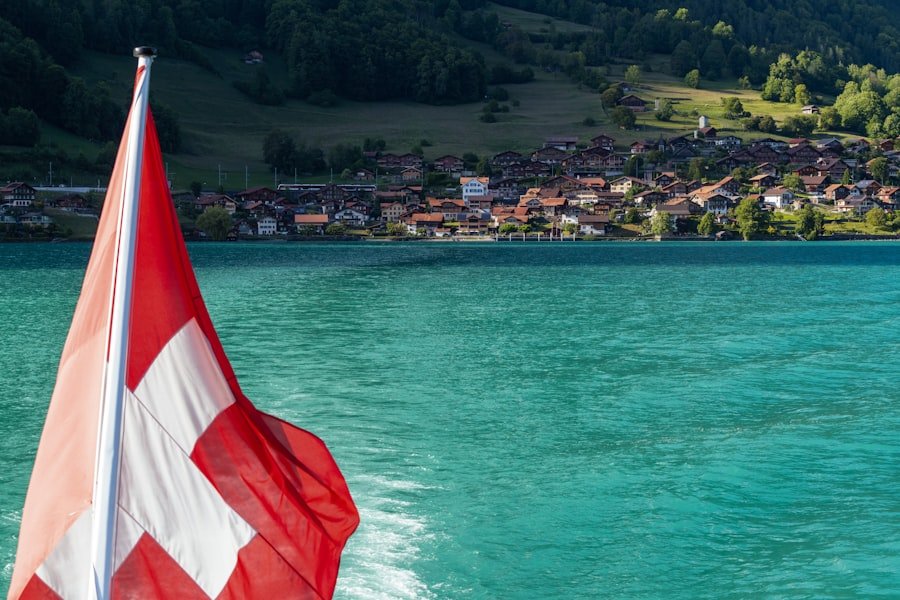
Switzerland’s stunning landscapes come with inherent natural hazards that residents and visitors should be aware of. The country is home to the Alps, which present risks such as avalanches, landslides, and rockfalls, particularly during winter months when skiing and snowboarding are popular activities. The Swiss government has implemented extensive monitoring systems to provide real-time information about avalanche risks in mountainous regions.
Ski resorts often have safety measures in place, including avalanche control operations and well-marked trails that guide skiers away from hazardous areas. In addition to winter hazards, Switzerland experiences occasional flooding during heavy rainfall or rapid snowmelt in spring. Local authorities are well-prepared for such events, with emergency response plans that include evacuation routes and public alerts.
Travelers should stay informed about weather conditions before embarking on outdoor activities and heed any warnings issued by local authorities. It is advisable to carry essential safety gear when hiking or skiing, such as avalanche transceivers and first-aid kits, to ensure preparedness for unexpected situations.
Health and Medical Facilities
| Facility Type | Number of Facilities | Number of Beds | Number of Staff |
|---|---|---|---|
| Hospitals | 150 | 50,000 | 100,000 |
| Clinics | 500 | 10,000 | 20,000 |
| Pharmacies | 1000 | N/A | 15,000 |
Switzerland is renowned for its high-quality healthcare system, which is accessible to both residents and tourists. The country boasts a network of hospitals and clinics that adhere to stringent standards of care. According to the World Health Organization (WHO), Switzerland ranks among the top countries globally for healthcare quality, with advanced medical technology and highly trained professionals.
Emergency medical services are efficient and responsive; ambulances can typically reach any location within minutes in urban areas. For tourists visiting Switzerland, it is essential to have adequate health insurance that covers medical expenses abroad. While many hospitals will treat patients regardless of their insurance status, having coverage can significantly reduce out-of-pocket costs.
Pharmacies are widely available throughout the country, offering not only prescription medications but also over-the-counter remedies for common ailments. Many pharmacists speak English, making it easier for travelers to seek advice on minor health issues. Overall, the combination of excellent medical facilities and a robust healthcare system ensures that visitors can receive prompt and effective care if needed.
Political Stability and Civil Unrest
Switzerland is characterized by its political stability, which is a cornerstone of its national identity. The country operates under a unique system of direct democracy that allows citizens to participate actively in decision-making processes through referendums and initiatives. This political structure fosters a sense of ownership among the populace and contributes to social cohesion.
As a result, Switzerland has experienced minimal civil unrest compared to other nations; protests are typically peaceful and well-organized. The Swiss government prioritizes maintaining public order and safety, which further enhances the country’s stability. Law enforcement agencies are well-trained to handle potential disturbances without resorting to excessive force.
While occasional demonstrations may occur—often related to environmental issues or social justice—these events rarely escalate into violence. Tourists can generally feel secure engaging in their activities without fear of political turmoil affecting their experience.
Cultural Sensitivity and Local Laws
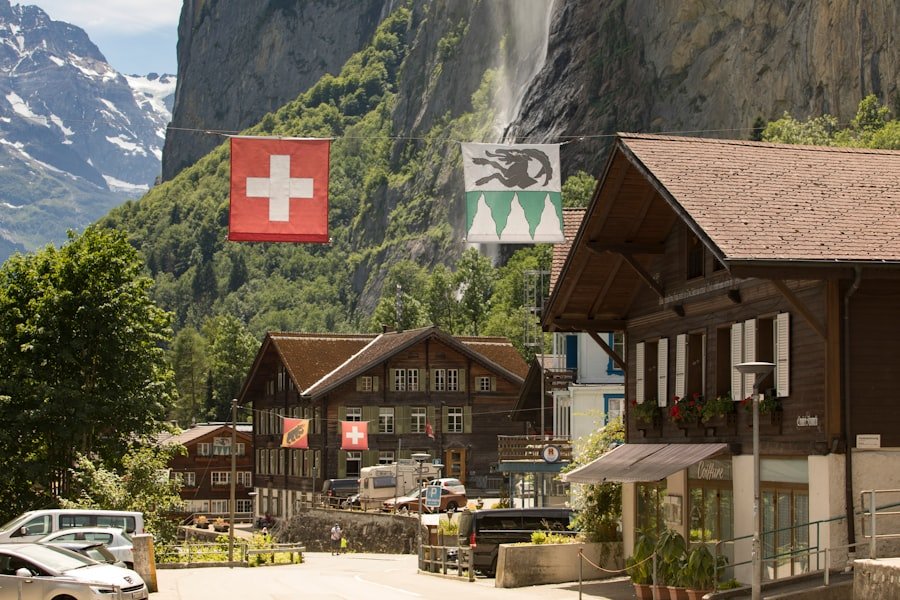
Switzerland is a multicultural nation with four official languages: German, French, Italian, and Romansh. This linguistic diversity reflects the country’s rich cultural heritage and necessitates a degree of cultural sensitivity from visitors. Understanding local customs and etiquette can significantly enhance interactions with residents.
For instance, greeting people with a firm handshake is customary in formal settings, while more casual greetings may involve a friendly nod or wave among acquaintances. Local laws in Switzerland are strictly enforced, and ignorance of these regulations is not typically accepted as an excuse for violations. For example, jaywalking is frowned upon and can result in fines; pedestrians are expected to use designated crosswalks at all times.
Additionally, Switzerland has strict regulations regarding littering and noise pollution; maintaining cleanliness in public spaces is a point of pride for many Swiss citizens. Tourists should familiarize themselves with local laws to avoid unintentional infractions that could mar their experience.
Tourist Scams and Safety Tips
While Switzerland is generally safe for tourists, it is not entirely free from scams or petty crime. Common scams include individuals posing as charity workers or asking for donations in busy tourist areas.
To avoid falling victim to such schemes, tourists should be cautious when approached by strangers asking for money or personal information. Another prevalent issue is pickpocketing in crowded places such as train stations or popular tourist attractions. Travelers should take precautions by keeping valuables secure and being mindful of their surroundings.
Using anti-theft bags or money belts can provide an extra layer of security against opportunistic thieves. Additionally, it is advisable to avoid displaying expensive items like jewelry or electronics openly in public spaces. By remaining vigilant and adopting common-sense safety practices, tourists can significantly reduce their risk of encountering scams during their visit.
Emergency Contacts and Resources
In case of emergencies while traveling in Switzerland, knowing how to access help quickly is crucial.
This number is accessible from any phone without needing a SIM card or credit balance.
Additionally, each canton has its own emergency services number; for instance, in Zurich, the police can be reached at 117. Tourists should also be aware of local resources available for assistance during their stay. Many cities have tourist information centers where visitors can obtain maps, brochures, and advice on local attractions or safety concerns.
Furthermore, embassies or consulates can provide support in case of lost passports or legal issues; travelers should keep contact information for their respective embassies handy during their trip. By being informed about emergency contacts and resources available in Switzerland, tourists can navigate potential challenges with greater confidence and ease.
When considering the safety of Switzerland for tourists, it’s also interesting to explore the cultural and culinary experiences the country offers. While Switzerland is renowned for its stunning landscapes and secure environment, travelers might also be intrigued by the diverse culinary delights available in the region. For those interested in expanding their culinary repertoire, you might find inspiration in this article about delicious homemade cottage cheese. This simple and healthy recipe can be a delightful addition to your culinary adventures, whether you’re at home or traveling abroad.
FAQs
Is Switzerland a safe country for tourists?
Yes, Switzerland is generally considered a safe country for tourists. It has low crime rates and a stable political environment.
Are there any specific safety concerns for tourists in Switzerland?
While Switzerland is generally safe, tourists should still be cautious of pickpocketing in crowded tourist areas, especially in cities like Zurich and Geneva. Additionally, hikers should be aware of the risks associated with outdoor activities in the mountains.
What are some safety tips for tourists in Switzerland?
Tourists in Switzerland should take standard safety precautions such as keeping an eye on their belongings, being aware of their surroundings, and following any safety guidelines for outdoor activities.
Is it safe to travel alone in Switzerland?
Switzerland is considered a safe destination for solo travelers. However, as with any destination, solo travelers should take standard safety precautions and be aware of their surroundings.
Are there any natural hazards that tourists should be aware of in Switzerland?
Tourists should be aware of the potential hazards associated with outdoor activities in the Swiss Alps, such as avalanches and unpredictable weather conditions. It is important to be well-prepared and informed before engaging in any outdoor activities.