

Italy is renowned for its rich culinary heritage, picturesque landscapes, and vibrant culture, but the quality of its tap water is often a topic of discussion among both locals and visitors. Generally, Italian tap water is considered to be of high quality, with many regions boasting water that is not only safe to drink but also rich in minerals. The country is home to numerous natural springs, and many municipalities source their water from these pristine locations.
For instance, the water in cities like Florence and Rome is often sourced from aqueducts that have been in use since ancient times, ensuring a consistent supply of clean water. The Italian government has established strict regulations to ensure that tap water meets safety standards. The Ministry of Health oversees the quality of drinking water, conducting regular tests to monitor for contaminants and ensure compliance with European Union directives.
As a result, most Italians consume tap water daily without hesitation. In fact, many restaurants and cafes proudly serve tap water, often offering it as a complimentary option alongside bottled varieties. This practice not only reflects confidence in the quality of local water but also promotes a culture of sustainability by reducing reliance on single-use plastic bottles.
Key Takeaways
- Italian tap water is generally of high quality and safe to drink in most areas
- Potential contaminants in Italian tap water include lead, chlorine, and bacteria
- Water treatment and regulation in Italy is overseen by the Ministry of Health and local authorities
- Health risks associated with drinking tap water in Italy are minimal, but sensitive individuals may experience stomach upset
- Tap water in Italy is often a more sustainable and cost-effective option compared to bottled water
Potential contaminants in Italian tap water
Heavy Metals in Aging Infrastructure
One of the primary concerns is the presence of heavy metals, such as lead and copper, which can leach into the water supply from aging infrastructure or plumbing systems. In older buildings, particularly those constructed before the 1970s, lead pipes may still be in use, leading to potential contamination.
Agricultural Runoff and Rural Contamination
While the government monitors these levels closely, localized issues can arise, particularly in areas with outdated plumbing. Another concern is the presence of agricultural runoff, which can introduce pesticides and fertilizers into the water supply. In rural areas where farming is prevalent, the risk of contamination from nitrates and other chemicals increases.
Microplastics and Long-term Safety
These substances can have detrimental effects on human health, particularly for vulnerable populations such as infants and pregnant women. Additionally, microplastics have emerged as a growing concern in recent years, with studies indicating that they can be found in various water sources across Europe, including Italy. While research is ongoing regarding the health implications of microplastics, their presence raises questions about the long-term safety of drinking tap water.
Water treatment and regulation in Italy
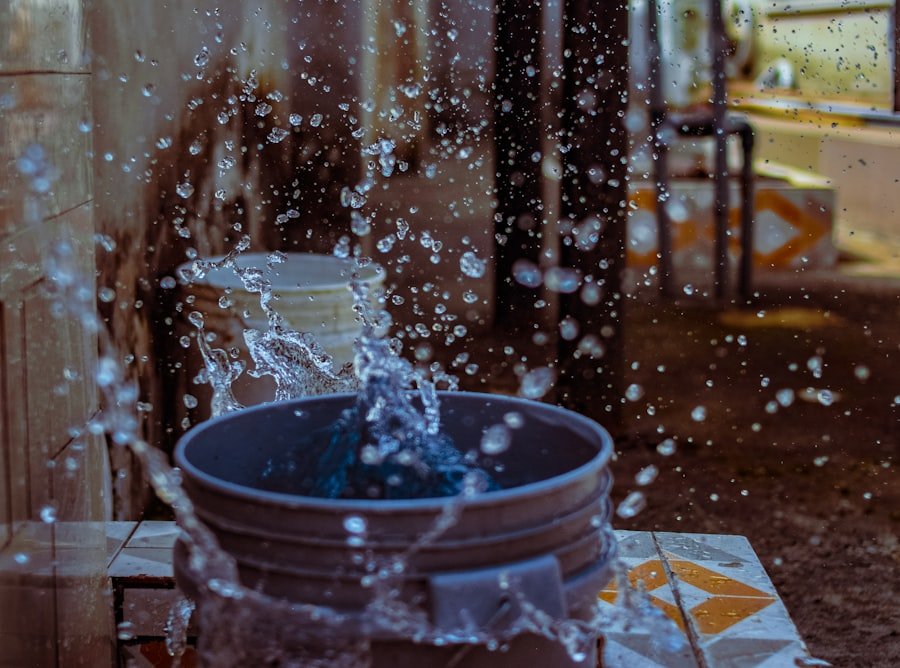
Italy’s approach to water treatment and regulation is multifaceted, involving a combination of technological advancements and stringent legal frameworks. The country adheres to European Union regulations regarding drinking water quality, which set maximum allowable limits for various contaminants. Water treatment facilities across Italy employ a range of methods to ensure that tap water is safe for consumption.
These methods include filtration, chlorination, and sometimes ozonation to eliminate pathogens and harmful microorganisms. Local authorities are responsible for monitoring water quality at various points throughout the distribution system. Regular testing is conducted to assess parameters such as pH levels, turbidity, and the presence of specific contaminants.
In addition to routine testing, any anomalies or complaints from residents are taken seriously and investigated promptly. This proactive approach helps maintain public trust in the safety of tap water. Furthermore, Italy’s commitment to transparency means that municipalities are required to publish annual reports detailing water quality findings, allowing citizens to stay informed about the status of their drinking water.
Health risks associated with drinking tap water in Italy
| Health Risks | Associated Factors |
|---|---|
| Microbial Contamination | Bacteria, viruses, and parasites |
| Chemical Contamination | Heavy metals, pesticides, and industrial pollutants |
| Chronic Health Effects | Increased risk of cancer, organ damage, and developmental issues |
| Acute Health Effects | Gastrointestinal illness, nausea, and vomiting |
While Italian tap water is generally safe for consumption, certain health risks can arise depending on individual circumstances and local conditions. For example, individuals with compromised immune systems may be more susceptible to pathogens that could occasionally infiltrate the water supply. Although treatment processes are designed to eliminate harmful microorganisms, no system is infallible.
Outbreaks of waterborne diseases, while rare, can occur if there are lapses in treatment or contamination events. Another significant health risk associated with drinking tap water in Italy is related to chemical contaminants. Long-term exposure to substances such as nitrates can lead to serious health issues, including methemoglobinemia or “blue baby syndrome” in infants.
This condition affects the blood’s ability to carry oxygen and can be life-threatening if not addressed promptly. Additionally, concerns about heavy metals like lead have prompted health officials to recommend that vulnerable populations take precautions when consuming tap water from older plumbing systems.
Comparing tap water to bottled water in Italy
The debate between tap water and bottled water consumption is particularly relevant in Italy, where both options are widely available. Bottled water is often perceived as a safer alternative due to marketing strategies that emphasize purity and mineral content. However, studies have shown that in many cases, tap water can be just as safe—if not safer—than bottled varieties.
In fact, bottled water is not subject to the same rigorous testing standards as municipal tap water in some instances. Moreover, the environmental impact of bottled water cannot be overlooked. The production and disposal of plastic bottles contribute significantly to pollution and waste management challenges.
In contrast, consuming tap water reduces plastic waste and promotes sustainability. Many Italians are becoming increasingly aware of these issues and are opting for tap water as a more environmentally friendly choice. This shift reflects a growing trend towards sustainability and responsible consumption among consumers who prioritize both health and environmental considerations.
Tips for ensuring safe tap water consumption in Italy
To ensure safe consumption of tap water while in Italy, several practical tips can be followed. First and foremost, it is advisable to familiarize oneself with local water quality reports published by municipal authorities. These reports provide valuable information about any potential contaminants or advisories specific to the area you are visiting or residing in.
If you are staying in an older building or an area known for plumbing issues, consider using a filter designed to remove heavy metals or other contaminants. Another important tip is to let the tap run for a few moments before filling a glass or bottle. This practice helps flush out any stagnant water that may have been sitting in pipes for an extended period.
Additionally, using cold tap water for drinking purposes is generally recommended since hot water systems may contain higher levels of contaminants due to prolonged heating. If you have any doubts about the safety of your tap water, boiling it for at least one minute can effectively kill most pathogens.
Public perception of tap water safety in Italy
Public perception of tap water safety in Italy varies significantly across different regions and demographics. In urban areas like Milan and Rome, where residents have access to high-quality municipal services and regular updates on water quality, there tends to be greater confidence in the safety of tap water. Many locals view it as a reliable source of hydration and prefer it over bottled options due to both cost-effectiveness and environmental concerns.
Conversely, in rural areas or regions with historical issues related to contamination or aging infrastructure, skepticism about tap water safety may persist. Residents may opt for bottled water out of caution or habit rather than necessity. This disparity highlights the importance of ongoing public education campaigns aimed at informing citizens about the safety measures in place and encouraging them to trust their local tap water sources.
Sustainable practices for reducing plastic waste from bottled water in Italy
As awareness grows regarding environmental issues associated with plastic waste, many Italians are adopting sustainable practices aimed at reducing reliance on bottled water. One effective strategy involves using reusable bottles made from stainless steel or glass instead of single-use plastic containers. These alternatives not only minimize waste but also encourage individuals to carry their own hydration solutions wherever they go.
Additionally, many municipalities are investing in public drinking fountains and refill stations throughout cities and towns. These initiatives make it easier for residents and tourists alike to access clean drinking water without resorting to bottled options. Some cities have even launched campaigns promoting the use of tap water by providing free refill stations at popular tourist attractions.
Furthermore, educational programs aimed at raising awareness about the environmental impact of plastic waste are becoming increasingly common in schools and community organizations across Italy. By fostering a culture of sustainability and encouraging responsible consumption habits, these initiatives contribute significantly to reducing plastic waste from bottled water while promoting the benefits of drinking high-quality tap water available throughout the country.
According to a recent article on Tagline Today, tap water safety in Italy has been a topic of concern for many travelers. The article discusses the importance of being cautious when consuming tap water in Italy due to potential contaminants. It is recommended to opt for bottled water or use a water filter to ensure safe drinking water while visiting the country.
FAQs
Is tap water safe to drink in Italy?
Yes, tap water in Italy is generally safe to drink. The water quality is regulated by the Italian Ministry of Health and is considered to be of high quality in most areas.
Are there any regions in Italy where tap water is not safe to drink?
There are some rural areas and small towns in Italy where the tap water may not be of the same quality as in larger cities. It is always best to check with local authorities or ask at your accommodation if you are unsure about the water quality in a specific area.
What about the taste of tap water in Italy?
The taste of tap water in Italy can vary depending on the region. In some areas, the water may have a slightly different taste due to the mineral content, but it is still safe to drink.
Should I drink tap water in Italy or stick to bottled water?
While tap water in Italy is generally safe to drink, some people may prefer the taste of bottled water. It is a personal preference, but drinking tap water is a more sustainable and environmentally friendly option.
Are there any precautions I should take when drinking tap water in Italy?
If you have a sensitive stomach or are unsure about the water quality in a specific area, you may choose to drink bottled water instead. It is also a good idea to carry a reusable water bottle and refill it with tap water to reduce plastic waste.