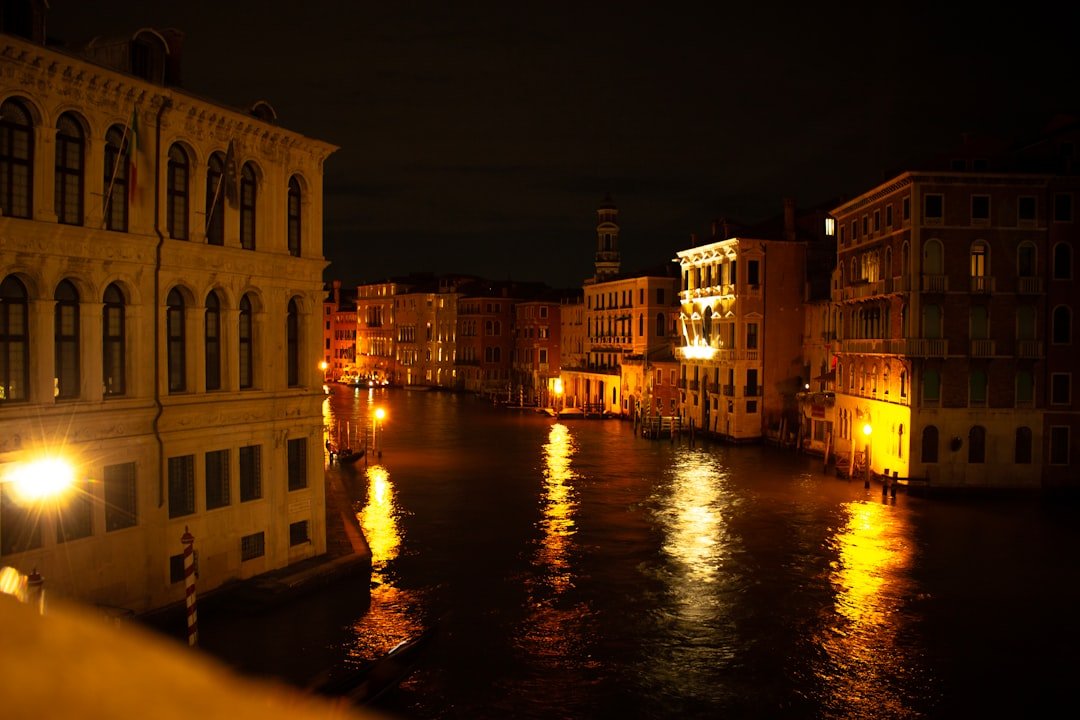
Venice becomes quieter after the daytime crowds thin out, and exploring its canals, bridges, squares, restaurants, and waterfronts after dark can be one of the most memorable parts of a visit. For most travelers, nighttime sightseeing is generally manageable with normal city precautions. The biggest concerns are usually petty theft in busy places, getting disoriented in the maze of narrow streets, slippery paving, canal edges, and reduced late-night transportation frequency.
Quick Answer
Yes, Venice is generally safe to explore at night, but no destination is risk-free. Violent crime is not the main concern for most visitors; pickpocketing, confusing routes, slippery paving, canal edges, and late-night transport planning deserve more attention. Keep valuables secure, use busy routes when possible, and know how you will return to your accommodation.
Key Takeaways
- Venice is generally comfortable to walk around after dark, but normal travel precautions still apply.
- Pickpocketing is the main crime-related concern, especially in crowds, at transport stops, and on busy public transportation.
- Do not treat dark or quiet alleys as automatically dangerous, but choose a busier route if you feel uncomfortable or are unsure where you are going.
- ACTV provides overnight waterbus service, including Line N, but departures are less frequent than during the daytime.
- High water, wet paving, bridges, steps, and unprotected canal edges can create practical nighttime hazards.
- For any serious emergency in Italy, call 112.
Is Venice Safe at Night?
For most visitors, Venice is a relatively comfortable city to explore after sunset. Streets that are packed during the afternoon may become surprisingly quiet later in the evening. A quiet calle does not automatically mean it is unsafe, but the reduced number of people can make unfamiliar routes feel more intimidating.
The U.S. Department of State’s guidance for Italy identifies pickpocketing as a common problem in crowded areas and on public transportation and says violent crime is comparatively rare. That is a better basis for planning than unsupported claims that Venice is definitively safer than particular Italian cities.
The most useful question is not whether Venice is completely safe at night, but which realistic risks you should prepare for: theft in crowds, navigation mistakes, wet surfaces, canal edges, high water, and reduced transport frequency.
Crime Risk and Practical Safety Measures
Petty theft deserves more attention than dramatic street-crime scenarios. Crowded tourist attractions, transport queues, railway stations, and packed boats create opportunities for pickpockets. Keep your wallet and phone in a closed front pocket or zipped bag, and wear a crossbody bag in front of your body when boarding a busy vaporetto.
Avoid placing a phone, wallet, camera, or handbag loosely on a café table or beside you where it can be forgotten or taken. When stopping to take photographs, especially in dense crowds, check that your bag remains closed before you focus on the view.
Warning: Do not let the romantic atmosphere make you careless with valuables. Crowded bridges, popular squares, vaporetto stops, Santa Lucia railway station, and busy boats are the situations where extra attention to bags and pockets is most useful.
Tourist Areas and Safety Precautions
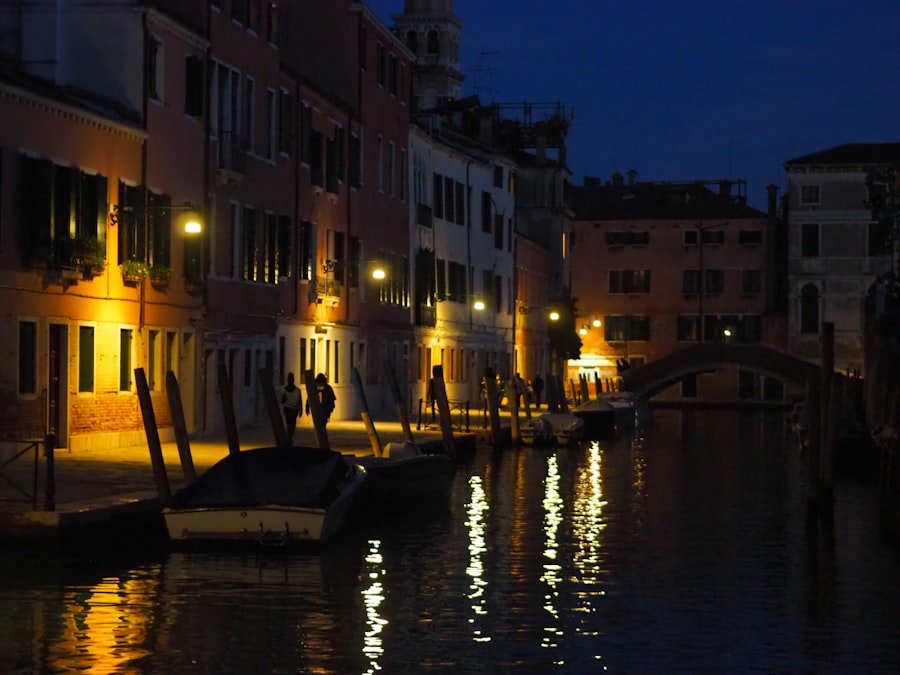
St. Mark’s Square, the Rialto area, and the Grand Canal remain popular after sunset and can be beautiful places for an evening walk. Busy central locations may feel reassuring because restaurants, hotels, and other visitors are nearby, although crowds also increase the opportunity for pickpocketing.
On the Rialto Bridge and other bridges, watch your footing and avoid stopping where you block the pedestrian flow. The original article warned about cyclists sharing the bridge, but that is misleading. Venice’s historic center is pedestrianized, and municipal rules generally prohibit bicycles there, including leading them by hand except for limited permitted access situations.
There is no need to label an entire Venice district a dangerous “no-go zone” simply because its lanes become quiet. Instead, judge the immediate situation. If a route is deserted, poorly lit, difficult to follow, or makes you uncomfortable, return to a more familiar or populated street rather than taking an unfamiliar shortcut.
Pro Tip: Walk your route from the nearest vaporetto stop to your accommodation once during daylight. At night, recognizing the correct bridge, campo, or narrow turn is far easier than navigating the route for the first time.
Nighttime Hazards Beyond Crime
Some of Venice’s most important nighttime safety issues have little to do with crime. Stone paving can become slick after rain or high water, bridges involve repeated steps, and portions of the waterfront can be difficult to judge in poor light. Avoid walking while staring continuously at your phone, particularly beside canals or while approaching stairs and landings.
Acqua Alta and High Tide
Seasonal high water, known as acqua alta, can flood low-lying parts of Venice. The City of Venice’s high-water guidance explains that elevated pedestrian routes may be used during some events and that public water transport routes can be modified at higher tide levels.
If high water is forecast, check the municipal tide information before leaving for a long evening walk. Waterproof footwear with secure traction is more useful than shoes with smooth soles, and you should not enter flooded routes merely because other tourists are doing so.
Canal Edges, Bridges, and Navigation
Venice has many narrow walkways, steps, landings, and canal-side spaces. Darkness, alcohol, wet stone, and distraction can turn a simple walk into a fall hazard. Stay back from canal edges while taking photographs and do not climb barriers, sit on restricted bridge areas, or step backward toward the water for a picture.
A charged phone with an offline map can make late-night navigation easier. Save your accommodation location and the closest vaporetto stop before you go out. If a navigation app suggests a route that feels unsuitable, choose a busier alternative instead of assuming the shortest route is automatically the best one.
Transportation Options and Tips
| Option | Best For | Nighttime Considerations |
| Walking | Short trips within the historic center | Watch bridges, steps, wet paving, canal edges, and confusing turns. |
| ACTV Vaporetto | Public transport along major waterways | Night services operate, but frequency and routes differ from daytime schedules. Check your stop and departure before leaving. |
| Licensed Water Taxi | Direct transfers, luggage, or late arrivals | More expensive than public transport; use an official service and confirm the fare or booking terms. |
| Gondola | Sightseeing rather than routine transport | Official nighttime service has a regulated base fare; it is not a substitute for planning your trip back to your hotel. |
Using the Vaporetto Late at Night
Normal daytime waterbus services become less frequent late in the evening, but Venice is not left without public transportation overnight. ACTV’s Line N night timetable includes services through the late-night and early-morning period.
Check the current timetable for your exact stop rather than assuming the daytime route still operates at the same frequency. Service can also change for events, weather, high water, maintenance, or seasonal schedules. Keep your ticket or digital travel product ready while boarding and remain aware of your bag in crowded waiting and boarding areas.
Night Gondola Rides
Gondolas operate after dark. According to the City of Venice’s official gondola tariff, the regulated nighttime period runs from 7:00 p.m. to 4:00 a.m., with a base price of €110 for a 35-minute tour. Longer or different services are priced in proportion to time.
A gondola ride can provide a memorable view of Venice after sunset, but it should be treated as sightseeing rather than your main late-night transport plan. Do not assume entertainment such as singing is included in the standard municipal fare; discuss any additional service before the ride.
Nightlife and Entertainment
Venice’s nightlife is generally more focused on restaurants, wine bars, bacari, cultural performances, and relaxed socializing than on large late-night clubs. Traditional cicchetti, local wines, concerts, theater, and evening walks provide plenty to do without needing to stay out until the early morning.
Campo Santa Margherita is known for its active evening atmosphere, particularly among students and younger residents. Other parts of the city become considerably quieter after restaurants close. If you intend to stay out late, decide how you will return before you start drinking rather than trying to solve the route after midnight.
Venice also has local rules intended to protect public spaces and control disruptive behavior. The City’s urban police and safety regulations include restrictions on consuming alcohol in public spaces at night outside authorized establishments and their permitted outdoor areas. Enjoy drinks inside legitimate bars, restaurants, or their approved seating areas and respect posted local rules.
Local Recommendations and Insights
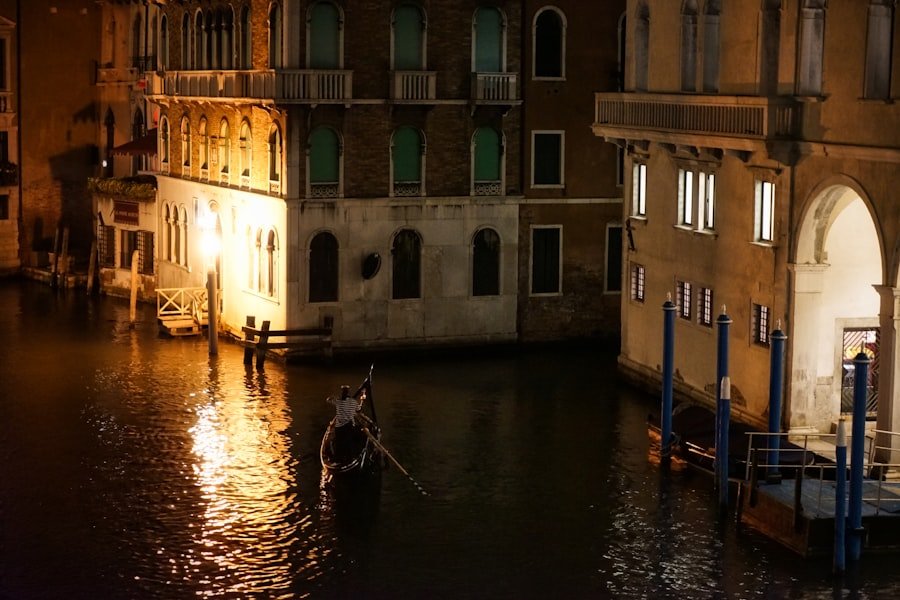
A good Venice evening does not have to revolve only around St. Mark’s Square. Walking through a quieter campo, having cicchetti at a bacaro, listening to live music, or taking a slow route along the canals can show you a different side of the city.
Osteria Alla Madonna has long been known as a traditional Venetian seafood restaurant near Rialto. Libreria Acqua Alta is another distinctive Venice stop, famous for storing books in unusual containers such as boats and bathtubs. However, neither should be treated automatically as a late-night destination: verify the current opening hours on the day you plan to visit.
Talking with hotel staff, licensed guides, restaurant employees, or other local professionals can also help you choose an evening route that matches current events, weather, transport changes, and your accommodation location.
Safety Tips for Solo Travelers
Solo travelers can enjoy Venice at night, but being alone makes planning more important because you do not have a companion checking directions or watching your belongings.
- Keep your phone charged and consider carrying a small power bank.
- Save your hotel’s location and nearest vaporetto stop for offline access.
- Share your evening plans with someone you trust if you expect to be out very late.
- Keep alcohol intake within a level that lets you navigate safely around canals, bridges, and steps.
- Avoid wearing headphones at a volume that prevents you from noticing people, boats, announcements, or your surroundings.
- Choose a familiar or busier route when you are unsure instead of taking an isolated shortcut.
- Trust your judgment. If a person or situation makes you uncomfortable, move toward an open business, hotel, staffed transport stop, or more populated area.
Joining a reputable guided evening tour can also be useful if you want company while learning the layout of the city. If you book one, use a qualified operator or licensed guide and confirm the meeting and finish points before the tour begins.
Accommodation Safety and Security
Your accommodation location can affect how easy nighttime travel feels. Before booking, look at the walking route from the nearest vaporetto stop or train-arrival point rather than considering distance alone. A hotel that looks close on a map may still require several bridges and narrow turns.
Useful accommodation features include a staffed or controlled entrance, clear after-hours access instructions, secure luggage storage, and an in-room safe or locker. If you stay in a hostel or shared guesthouse, use the available locker for your passport, spare cash, and other valuables instead of leaving them unsecured beside your bed.
After checking in, identify the emergency exits and save the accommodation’s phone number. If you expect to arrive after reception closes, confirm the entry procedure before going out for the evening.
Emergency Contacts and Resources
For a serious emergency in Venice or elsewhere in Italy, dial 112. The Italian Ministry of Foreign Affairs states that 112 can be called free of charge from fixed or mobile phones and is available every day at any time.
- Emergency police, fire, or medical assistance: 112
- If something is stolen: Move somewhere safe first, then contact local police. Keep copies of important travel documents separately from the originals.
- Lost property: Ask your accommodation or an official Venezia Unica tourist-information point for the current municipal lost-and-found procedure.
- Transport disruption: Check ACTV/AVM information rather than relying only on an old screenshot or printed timetable.
Note: Save 112 in your phone, but do not rely only on a saved contact. In a genuine emergency, tell the operator what happened and give the clearest location you can, such as a nearby campo, bridge, vaporetto stop, church, hotel, or business.
Cultural Considerations and Etiquette
Basic courtesy makes evening travel easier. “Buona sera” is an appropriate evening greeting, and normal patience in queues, bars, restaurants, and vaporetto boarding areas is appreciated.
Venice also has unusually strict rules designed to protect its historic public spaces. Do not swim or dive in canals, climb monuments, leave rubbish, attach locks to bridges, or treat church steps, bridges, wells, and canal banks as picnic or lounging areas. Bicycles are also generally prohibited in the historic center.
When drinking, stay within bars, restaurants, or authorized outdoor areas where required and avoid disruptive behavior in residential streets. Venice is not only a tourist attraction; thousands of people live and work among the same calli, campi, and canals visitors explore.
Dress requirements depend on the venue. Casual clothing is suitable for many bars and restaurants, while theaters, special restaurants, religious buildings, and formal events may expect more appropriate attire.
Enjoying Venice’s Nighttime Charm Safely
Venice after dark can feel completely different from Venice at midday. The crowds soften, reflections appear across the canals, and familiar landmarks take on a quieter atmosphere. You do not need to avoid nighttime exploration; you simply need to prepare for the risks that actually exist.
Secure your valuables in crowded places, know your late transport options, save your route home, watch your footing near bridges and canals, check high-water conditions when relevant, and call 112 if you face a genuine emergency. Those simple precautions let you enjoy Venice’s evening restaurants, music, canals, and quiet streets without turning normal travel awareness into unnecessary fear.
Frequently Asked Questions
Is Venice safe at night?
Venice is generally safe for nighttime sightseeing when you use normal precautions. Petty theft in crowds, navigation problems, wet paving, canal edges, and reduced transport frequency are more practical concerns for most visitors than violent street crime.
What are the most important safety tips for visiting Venice at night?
Keep valuables zipped and close to your body, use a charged phone with your accommodation saved, watch your footing near bridges and canals, check your return transport before staying out late, and use a busier or familiar route whenever an unfamiliar shortcut makes you uncomfortable.
Are there areas of Venice tourists should avoid at night?
There is no reason to automatically label an entire central Venice district a no-go area. Conditions can vary street by street. If a lane is deserted, difficult to navigate, or makes you uncomfortable, choose a better-lit or more populated route rather than taking an unfamiliar shortcut.
What is the biggest crime risk for tourists in Venice?
Pickpocketing and other opportunistic theft are the main concerns highlighted in official travel guidance for Italy, particularly in crowded tourist areas and on public transportation. Keep bags closed and be especially attentive while waiting for or boarding busy boats.
Does the vaporetto run after midnight?
Yes. ACTV operates night waterbus services, including Line N. Overnight departures are less frequent than daytime services, so check the current ACTV timetable for your exact stop before staying out late.
Is Venice safe for a solo traveler at night?
Many solo travelers explore Venice in the evening without problems, but being alone makes route and communication planning more important. Keep your phone charged, save your accommodation offline, limit alcohol enough to stay alert, and choose familiar or populated routes when possible.
Can high water affect Venice at night?
Yes. Acqua alta can flood lower parts of Venice and may affect pedestrian routes or waterbus operations. Check the official City of Venice tide forecast when high water is possible and use appropriate footwear rather than entering flooded areas unprepared.
What emergency number should I call in Venice?
Call 112 for a serious emergency. It is the European emergency number used in Italy and can connect you with the appropriate emergency service.
Sources
- U.S. Department of State — Italy Travel Advisory — crime, pickpocketing, emergency, and general travel-safety guidance.
- Comune di Venezia — Urban Police and Safety Regulations — Venice-specific public-space, alcohol, and bicycle rules.
- AVM/ACTV — Line N Night Timetable — overnight waterbus service.
- Comune di Venezia — Gondola Fares and Hours — official daytime and nighttime gondola tariffs.
- Italian Ministry of Foreign Affairs — 112 Emergency Service — official European emergency-number information.
- Comune di Venezia — Venice and High Water — acqua alta, pedestrian routes, and transport effects.