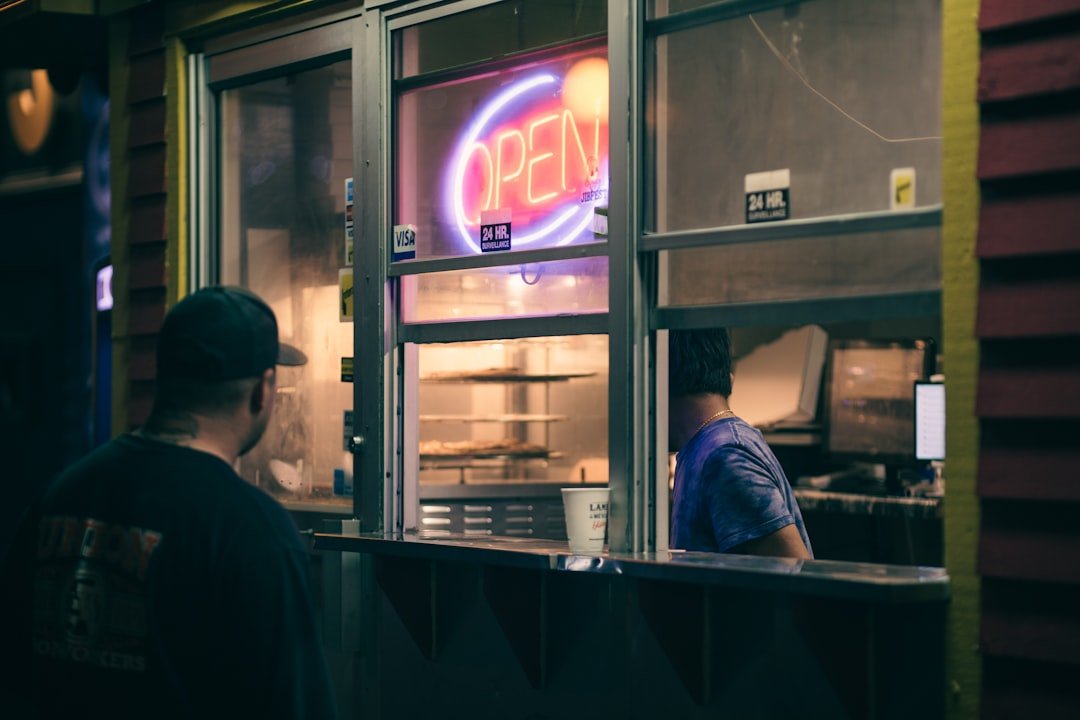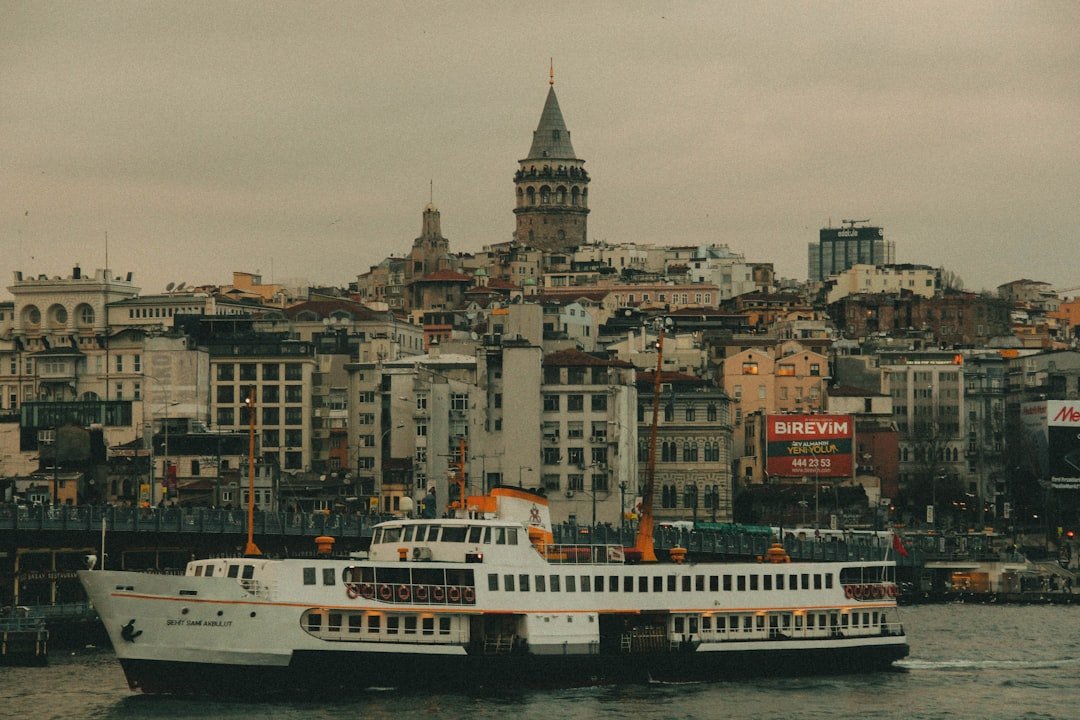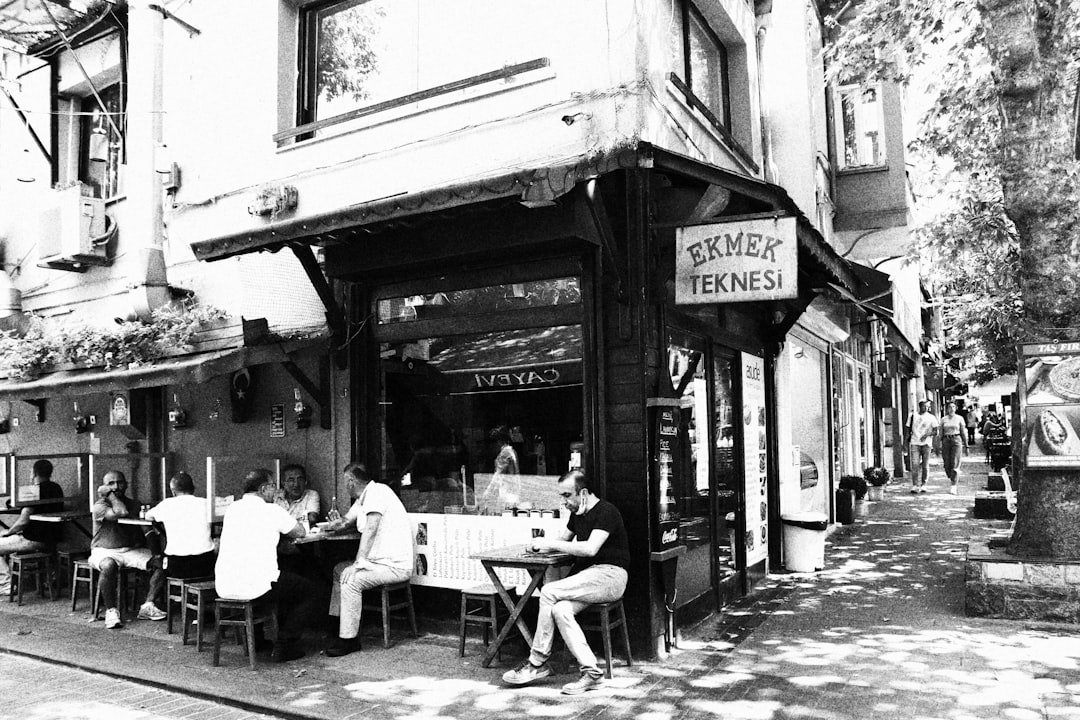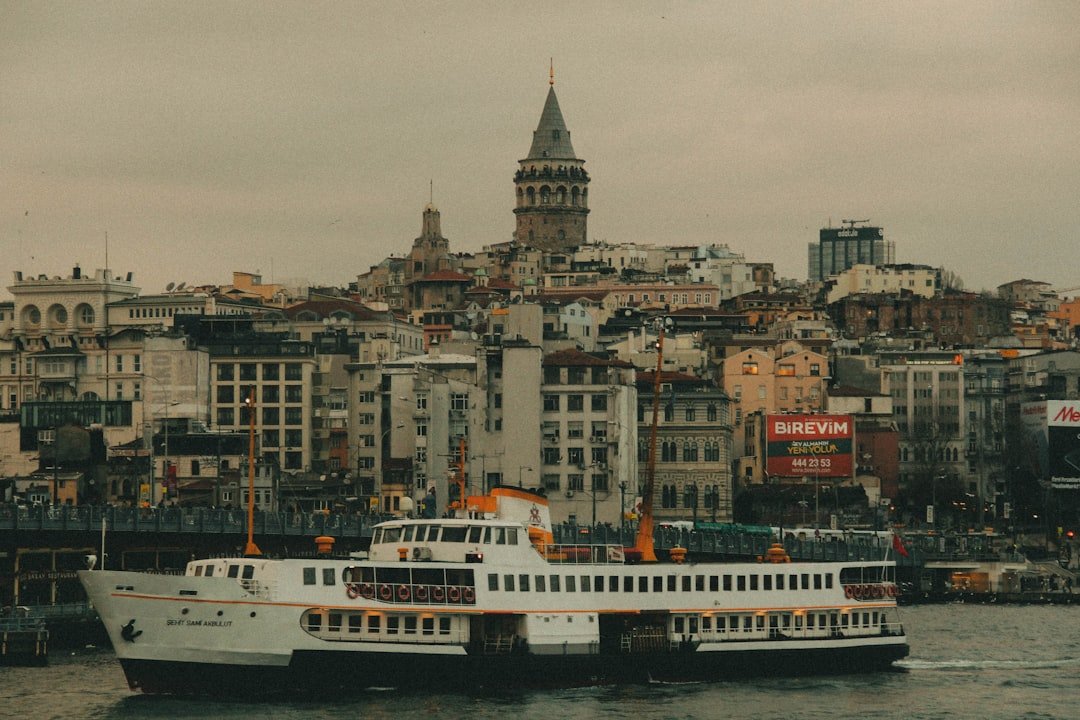
Istanbul brings together Byzantine monuments, Ottoman architecture, busy markets, modern art, and neighborhoods on both sides of the Bosphorus. This Istanbul travel guide covers the practical details you need to plan a first visit, from choosing an airport and neighborhood to using public transport, visiting major sights, eating well, shopping, and staying safe.
Quick Answer
For a first Istanbul trip, base yourself near Sultanahmet, Beyoğlu, Karaköy, or Kadıköy, use rail and ferries whenever practical, and allow several days for the historic peninsula, Bosphorus, markets, and food. Istanbul Airport and Sabiha Gökçen both have metro connections, while many major sights cluster around Sultanahmet.
Last checked: October 1, 2026. Dates and figures were verified against official sources.
Key Takeaways
- Istanbul Airport (IST) and Sabiha Gökçen (SAW) both connect to Istanbul’s rail network, but they serve different sides of the city.
- Sultanahmet is convenient for major historic sights; Beyoğlu and Karaköy suit nightlife and dining; Kadıköy offers a more residential Asian-side base.
- Hagia Sophia is an active mosque with a separate cultural visitor route rather than a museum.
- An Istanbulkart makes buses, metros, trams, funiculars, and many ferry trips easier to pay for.
- Crowded tourist areas require normal big-city precautions, especially against pickpocketing and taxi problems.
How to Get to Istanbul
Most international visitors arrive through Istanbul Airport (IST) on the European side or Sabiha Gökçen International Airport (SAW) on the Asian side. Which airport is more convenient depends largely on where you will stay, so check your hotel district before choosing a flight solely by price.
Istanbul Airport opened in 2018 and handles a large range of domestic and international flights. The M11 rail line now runs through Istanbul Airport between Gayrettepe and Halkalı; the final Halkalı-Arnavutköy section opened in June 2026, completing the route. See the 2026 M11 announcement from Türkiye’s Ministry of Transport and Infrastructure.
Sabiha Gökçen is particularly useful for travelers staying on the Asian side. Its M4 metro station provides direct rail service toward Kadıköy, with connections at Ayrılık Çeşmesi for Marmaray and at Ünalan for Metrobus. The airport explains these connections on its official Sabiha Gökçen metro page.
Taxis and airport buses are also available from both airports. Road travel can take much longer during heavy traffic, so rail is especially useful when your accommodation is close to a convenient transfer station.
If you enter Istanbul by train from Europe, do not plan around Sirkeci as the international terminal. The Istanbul-Sofia Express currently uses Halkalı, with connections onward to Istanbul’s urban rail network. TCDD’s 2026 international train timetable confirms Halkalı as the Istanbul terminus. Intercity buses continue to use major terminals including Büyük İstanbul Otogarı in the Esenler/Bayrampaşa area.
Before booking, also confirm whether your passport needs a visa. Requirements vary by nationality and passport type; Türkiye’s Ministry of Foreign Affairs maintains the current official visa information for foreign visitors.
Accommodation Options in Istanbul
Where you stay can change the feel of your trip because Istanbul is enormous and crossing the city can take time. For most first-time visitors, the best base is the neighborhood that puts the greatest number of planned sights within walking distance or one easy tram, metro, or ferry ride.
Sultanahmet for Historic Sights
Sultanahmet is convenient if Hagia Sophia, the Blue Mosque, Topkapı Palace, the Basilica Cistern, and the Grand Bazaar are your main priorities. You can walk between many of these landmarks, which makes the area especially practical for a short first visit.
Accommodation ranges from small guesthouses in older buildings to luxury properties such as the Four Seasons Hotel Istanbul at Sultanahmet. Nights are generally more focused on hotels and restaurants than on late-night entertainment.
Beyoğlu and Taksim for Dining and Nightlife
Beyoğlu gives you easy access to İstiklal Avenue, Galata, restaurants, bars, shops, and cultural venues. Taksim also connects well with the M2 metro and the F1 funicular toward Kabataş, which is useful when combining the district with Bosphorus ferries or the T1 tram.
Some streets can be noisy at night, and the district’s hills matter if you travel with limited mobility or heavy luggage. Check the exact street rather than choosing a hotel based only on the wider neighborhood name.
Karaköy and Kadıköy for a Different Side of Istanbul
Karaköy combines waterfront access, cafes, Galataport, and proximity to Galata and the historic peninsula. Kadıköy, across the Bosphorus on the Asian side, has a lively food scene and gives you frequent ferry and rail connections to other parts of the city.
Traditional guesthouses, boutique hotels, hostels, and short-term apartment rentals, including Airbnb listings, provide options across many districts. Compare the property’s exact location with the transit stops and attractions you expect to use most.
Must-See Attractions in Istanbul
)
Istanbul’s most famous attractions concentrate several centuries of history into a relatively small part of the Fatih district. Hagia Sophia, the Blue Mosque, Topkapı Palace, the Basilica Cistern, and the Grand Bazaar can all fit into the same wider sightseeing area, although trying to rush through all of them in one morning makes for a poor visit.
Hagia Sophia
Hagia Sophia was completed in the sixth century under Emperor Justinian I and later served as an Ottoman mosque, a museum, and once again a mosque. The original article’s description of it as currently functioning as a museum is outdated: Hagia Sophia is now an active mosque.
Cultural visitors use a separate visitor route through the gallery rather than entering the prayer area as ordinary museum visitors. Türkiye’s Ministry of Culture and Tourism explains the separation between worship and tourism in its Hagia Sophia visitor-management announcement. Dress modestly and follow current signs because prayer, restoration, and security arrangements can affect access.
Blue Mosque
Across Sultanahmet Square, the Sultan Ahmed Mosque is better known as the Blue Mosque because of the blue-toned İznik tiles associated with its interior. Its six minarets make it one of the city’s most recognizable landmarks.
The Blue Mosque remains an active place of worship. Visitors should dress modestly, remove their shoes where directed, keep voices low, and expect tourist access to pause around prayer periods.
Topkapı Palace
Topkapı Palace was the administrative and residential center of the Ottoman court for centuries. Its courtyards, treasury objects, tiled chambers, views, and Harem make it a much larger visit than its entrance suggests.
As of October 1, 2026, the official National Palaces page lists the foreign-visitor combined ticket for Topkapı Palace, Hagia Irene, and the Harem at 2,750 TL. Ticket offices open at 09:00 and close at 17:00, and Topkapı Palace is closed on Tuesdays. See the official Topkapı Palace visitor information before setting your itinerary.
Basilica Cistern and Istanbul Modern
The Basilica Cistern offers a very different experience beneath the historic peninsula. Its rows of columns, water, vaulted brickwork, and famous Medusa-head bases show the scale of Byzantine water engineering.
For a contrast with the historic core, Istanbul Modern presents modern and contemporary art near the Bosphorus in Beyoğlu. Combining an old-city morning with a later visit to Karaköy or the waterfront is an effective way to see how different layers of Istanbul sit close together.
Exploring Istanbul’s Rich History and Culture
| Category | Metrics |
|---|---|
| Historical Sites | Over 1000 historical sites including Topkapi Palace, Hagia Sophia, and Blue Mosque |
| Museums | More than 80 museums showcasing art, history, and culture |
| Cultural Events | Year-round festivals, concerts, and exhibitions celebrating Istanbul’s diverse culture |
| Cuisine | Rich and diverse culinary traditions influenced by Ottoman, Byzantine, and Middle Eastern cuisines |
| Traditional Crafts | Artisan workshops and markets offering handmade ceramics, textiles, and jewelry |
Istanbul’s history makes more sense when you view it in layers rather than as a collection of isolated monuments. Byzantine churches, cisterns, walls, and columns sit beside Ottoman mosques, palaces, fountains, markets, and later European-influenced districts across the Golden Horn.
Look Beneath the Famous Monuments
The Basilica Cistern is one of the clearest examples of Byzantine infrastructure that survives beneath the modern city. Elsewhere, ancient columns, fragments of fortifications, and reused building materials show how successive periods of the city grew on top of one another.
Topkapı Palace and the great Ottoman mosques reveal another layer. Rather than visiting only interiors, spend time in their courtyards and surrounding streets, where the relationship between palace, mosque, market, and residential district becomes easier to understand.
Markets Are Cultural Spaces as Well as Shopping Areas
The Grand Bazaar is one of the world’s oldest and largest covered markets. Its network of passages contains thousands of shops selling jewelry, carpets, leather, textiles, ceramics, antiques, and souvenirs.
Many visitors enjoy bargaining, but there is no need to rush into a purchase. Compare several shops first, ask questions about materials and origin, and walk away politely if you are uncomfortable with the price.
Approach Religious and Spiritual Traditions Respectfully
A Whirling Dervishes ceremony can introduce visitors to the Sufi tradition associated with the Mevlevi order. If you attend a sema ceremony, remember that its roots are spiritual and ceremonial rather than simply theatrical.
At mosques, dress modestly and follow staff directions about visitor areas. Photography may be restricted in some situations, and photographing people during prayer without permission is discourteous.
Local Cuisine and Dining Experiences
Istanbul’s food is shaped by regional Turkish cooking, Ottoman traditions, migration, the city’s coastlines, and everyday neighborhood life. You can eat exceptionally well without relying only on formal restaurants, because bakeries, markets, lokantas, kebab shops, meyhanes, and street vendors are part of the city’s normal food culture.
Street Food Worth Trying
Simit, the sesame-coated bread ring sold from carts and bakeries, is an easy breakfast or snack. Döner, grilled meat sandwiches, roasted chestnuts, corn, and other quick foods are easy to find around busy squares and transport hubs.
Balık ekmek, or fish in bread, is closely associated with the waterfront around Eminönü and the Galata Bridge area. The experience is as much about eating beside the water and ferry traffic as it is about the sandwich itself.
What to Order at a Sit-Down Meal
For a shared meal, start with meze. Depending on the restaurant, this may include hummus, yogurt-based dishes, eggplant preparations, ezme, stuffed grape leaves, vegetables, and seafood.
Kebabs vary widely by region and preparation, so do not assume every restaurant serves the same style. Lokantas are especially useful for sampling stews, rice, vegetables, soups, and other everyday dishes displayed at the counter.
A traditional meyhane focuses on small dishes, conversation, and a long meal. Raki, the anise-flavored alcoholic drink commonly associated with meyhane dining, is often served alongside meze and fish. Turkish tea and coffee are equally important parts of social life and are available almost everywhere.
Pro Tip: For a more varied food day, mix one famous food area with an ordinary neighborhood market, bakery, or lokanta. You will see a broader side of Istanbul’s everyday cooking than you would by eating every meal beside a major landmark.
Navigating Istanbul’s Public Transportation System
)
Istanbul’s public transport network combines metro lines, trams, buses, Metrobus, funiculars, Marmaray rail service, and ferries. For visitors, the most useful strategy is usually to combine walking with rail and ferries rather than relying on road vehicles for every trip.
Use Istanbulkart for Everyday Transport
Istanbulkart is a rechargeable payment card accepted across much of the city’s public transport system. Machines at major stations allow you to buy or reload cards, reducing the need to purchase a separate ticket for each journey.
As of October 1, 2026, Metro Istanbul lists the full anonymous-Istanbulkart fare at 46.20 TL for its standard fare category and a one-pass limited-use ticket at 65 TL. Some services use different or distance-based charging, so the amount deducted can vary. Current prices are listed on Metro Istanbul’s official ticket and fare page.
Use the Right Line for the Right Part of the City
The T1 tram is particularly useful for the historic peninsula, including stops near Sultanahmet, Eminönü, and the Grand Bazaar area. It continues toward Kabataş, where the F1 funicular climbs to Taksim.
The M2 metro serves Taksim, Şişhane, and important districts farther north. On İstiklal Avenue, the nostalgic T2 tram offers a slower historic ride rather than functioning as the city’s main sightseeing tram.
For airport travel, M11 serves Istanbul Airport and M4 serves Sabiha Gökçen. Leave extra transfer time if you have luggage, because Istanbul stations can be large and some connections involve long corridors, escalators, or walks.
Do Not Overlook the Ferries
Ferries are practical transport as well as one of the simplest ways to experience the Bosphorus. Routes between the European and Asian sides can connect areas such as Eminönü or Karaköy with Kadıköy or Üsküdar while giving you open views of the skyline.
They are especially useful when a road trip across the city would be slowed by traffic. Weather can affect the ride, so keep a light layer handy on deck even when the streets feel warm.
Shopping and Souvenirs in Istanbul
Shopping in Istanbul ranges from centuries-old covered markets to independent design stores and modern shopping streets. The Grand Bazaar remains the most famous place to start, with over 4,000 shops commonly associated with its network of covered streets and passages.
What to Look for in the Grand Bazaar
Common purchases include carpets and kilims, ceramics, jewelry, leather goods, textiles, lamps, and traditional handicrafts. Bargaining is part of many transactions, particularly for goods without fixed displayed prices.
Do not treat the first quoted price as an obligation to buy. Compare quality and price, ask for a receipt for expensive purchases, and make sure you understand any shipping arrangement before paying for a large item.
Food Souvenirs and Modern Shopping
Turkish delight, tea, spices, nuts, and other packaged foods are common souvenirs. The Spice Bazaar and surrounding Eminönü streets offer a more food-focused experience than the Grand Bazaar.
Nişantaşı has a more polished retail scene, while Kadıköy combines neighborhood markets, food shops, boutiques, and independent businesses. Silk scarves, textiles, ceramics, and locally designed goods can provide easier-to-pack alternatives to large decorative items.
Safety Tips for Visitors in Istanbul
Istanbul receives large numbers of international visitors, but you should use the same awareness you would in any major, crowded city. The main day-to-day concerns for tourists include theft in busy areas, misleading sales approaches, unofficial transport offers, and disruptions around demonstrations.
Warning: Keep phones, wallets, passports, and bags secure in crowded tourist areas and on public transport. Use registered, metered or app-booked taxis rather than accepting rides from unofficial drivers, and avoid demonstrations or large political gatherings.
Current UK travel guidance says pickpocketing and street robbery occur in major tourist areas of Istanbul and advises travelers to use registered taxis and avoid demonstrations. Review the current Türkiye safety and security guidance shortly before your trip because local conditions can change.
When using a taxi, note the vehicle details and make sure the meter is being used. At night, a pre-booked or app-arranged ride can make pickup and destination details clearer.
Respect local customs at mosques and other religious sites. Modest clothing is expected, shoes must be removed in designated mosque areas, and visitor access may pause during worship.
Türkiye’s unified emergency number is 112. Keep your accommodation address available on your phone and offline in case you lose mobile data or become separated from your group.
Frequently Asked Questions
What is the best time to visit Istanbul?
April to May and September to October are especially comfortable for many visitors because temperatures are usually better suited to long days of walking than midsummer. Summer brings hotter weather and heavy tourism, while winter is cooler, wetter, and sometimes snowy but can offer a quieter city experience.
What are the must-see attractions in Istanbul?
The classic first-visit sights are Hagia Sophia, the Blue Mosque, Topkapı Palace, the Basilica Cistern, the Grand Bazaar, and the Bosphorus. Add a ferry crossing and at least one neighborhood outside Sultanahmet, such as Karaköy, Beyoğlu, Üsküdar, or Kadıköy, for a broader view of the city.
What currency is used in Istanbul?
Istanbul uses the Turkish lira, abbreviated TRY and commonly shown with the ₺ symbol. Cards are widely accepted in hotels, restaurants, and larger shops, but keeping some lira is useful for small purchases, markets, and situations where a card terminal is unavailable.
What is the transportation system like in Istanbul?
Istanbul has an extensive network of metros, trams, buses, funiculars, Marmaray trains, Metrobus services, and ferries. An Istanbulkart simplifies most everyday journeys. Visitors commonly use T1 around the historic peninsula, M2 around Taksim and Beyoğlu, and ferries for trips between the European and Asian sides.
Is it safe to drink tap water in Istanbul?
Many travelers choose bottled or filtered water for drinking, particularly if they dislike the taste of local tap water or are unsure about an older building’s plumbing or storage tanks. Sealed bottled water is widely available, while tap water is commonly used for washing, bathing, and other household purposes.
What traditional Turkish dishes should I try in Istanbul?
Try simit, meze, kebabs, döner, soups, stuffed vegetables or grape leaves, fish dishes, baklava, Turkish delight, Turkish coffee, and tea. A neighborhood lokanta is useful for everyday cooked dishes, while a meyhane offers a slower shared meal built around small plates, conversation, and often seafood.
What cultural customs should visitors know in Istanbul?
Dress modestly when entering mosques, remove shoes where instructed, keep voices low, and avoid walking through areas reserved for worshippers. Everyday Istanbul is generally informal, but courteous greetings and respectful behavior at religious sites matter. Ask permission before closely photographing people, especially during worship or private moments.
How many days do you need in Istanbul?
Three full days can cover the headline attractions, but four to five days gives you a better first visit. Extra time lets you explore both sides of the Bosphorus, take ferries without rushing, visit markets and museums, and spend time in neighborhoods beyond the historic peninsula.
If you’re looking for a break from exploring Istanbul, you can also read about the delightful world of Asian melon and ways to enjoy this refreshing fruit.
Sources
- Republic of Türkiye Ministry of Foreign Affairs: Current visa and passport information for foreign visitors.
- Türkiye Ministry of Transport and Infrastructure: Completion and operation of the Gayrettepe-Istanbul Airport-Halkalı M11 line in 2026.
- Istanbul Sabiha Gökçen International Airport: M4 airport metro route and transfer connections.
- TCDD Taşımacılık: 2026 Istanbul-Sofia Express service from Halkalı.
- Türkiye Ministry of Culture and Tourism: Hagia Sophia’s separate cultural visitor route and worship arrangements.
- Presidency of National Palaces: Topkapı Palace opening information and 2026 admission prices.
- Metro Istanbul: Current Istanbulkart and limited-use Metro Istanbul fares.
- UK Foreign, Commonwealth & Development Office: Current Istanbul crime, taxi, and demonstration safety guidance.