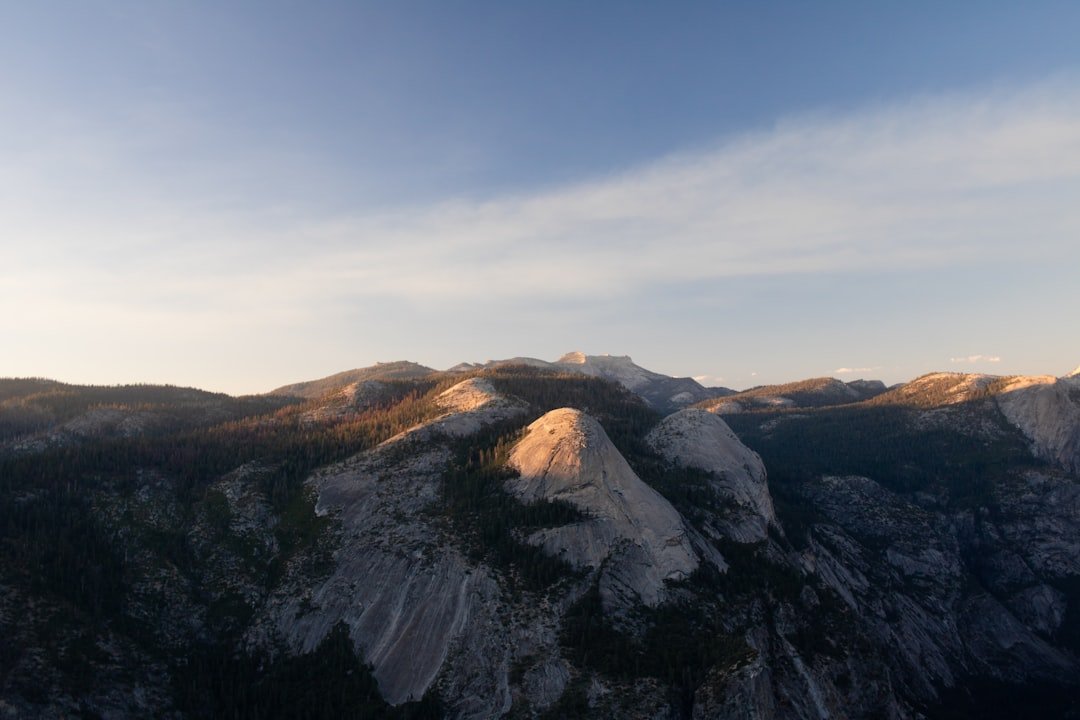
Nestled between steep Alpine cliffs and dozens of waterfalls, Lauterbrunnen changes dramatically with the seasons. For most travelers, the best time to visit Lauterbrunnen is June through September, when hiking, sightseeing, waterfalls, and mountain excursions are easiest to combine. Winter is a better choice if your priority is skiing, snowy scenery, or the nearby resorts of Wengen and Mürren.
Quick Answer
For most visitors, the best time to visit Lauterbrunnen is June through September. June brings strong waterfalls and long days; July and August offer broad hiking access but bigger crowds; September is cooler and usually calmer. Visit from late November through March if skiing and snow-covered scenery matter more than hiking.
Last checked: October 1, 2026. Dates and figures were verified against official sources.
Key Takeaways
- June to September gives the best overall mix of accessible trails, mountain transport, waterfalls, and comfortable sightseeing.
- July and August are the warmest main travel months, but they also bring the heaviest visitor pressure.
- May and September suit travelers who prefer fewer crowds, although high trails can still have snow in spring.
- Staubbach Falls can be viewed year-round, while its gallery is normally open from May through October.
- Winter suits skiing and snowy scenery, with the main Jungfrau ski areas operating on published seasonal schedules.
Weather and Climate in Lauterbrunnen
Lauterbrunnen has cool Alpine weather, and conditions become much colder as you climb toward Wengen, Mürren, Kleine Scheidegg, or the Jungfraujoch. The valley floor sits higher than nearby Interlaken, so temperatures there are often lower than the nearest long-running low-elevation weather-station figures.
For a consistent official reference, MeteoSwiss climate normals for 1991–2020 provide measured monthly data for stations including nearby Interlaken. Interlaken’s average daily highs range from roughly 3–5°C (37–41°F) in winter to around 22–24°C (72–76°F) in summer. Lauterbrunnen and especially its surrounding mountains can be cooler.
| Season | Nearby Interlaken average daily highs | Crowds | Best for |
|---|---|---|---|
| Spring: March–May | About 10.5–18.7°C (51–66°F) | Low to moderate | Waterfalls, green valley scenery, lower walks |
| Summer: June–August | About 22.4–24.3°C (72–76°F) | High, especially July–August | Hiking, mountain excursions, long sightseeing days |
| Autumn: September–November | About 19.2°C in September, falling to about 7.8°C in November | Moderate to low | Quieter sightseeing, early-autumn hiking, Alpine traditions |
| Winter: December–February | About 3.2–5.4°C (38–42°F) | Moderate, with holiday and event peaks | Skiing, winter scenery, prepared winter walks |
These figures are climate averages, not forecasts. Summer days can still turn wet or stormy, while spring and autumn can bring sudden snow at higher elevations. Check the local forecast and transport status once during trip planning rather than assuming valley conditions apply to the mountains.
Best Time to Visit Lauterbrunnen for Hiking and Waterfalls

For a hiking-focused trip, June through September is the most dependable general window. Lower valley paths can be usable earlier, but higher routes may hold snow well into late spring, and conditions can change quickly after fresh snowfall or bad weather.
June is especially attractive if you want both hiking and powerful waterfalls. Snowmelt feeds the valley’s streams, while daylight is long enough to combine a valley walk with a trip toward Wengen or Mürren.
Staubbach Falls
Staubbach Falls is Lauterbrunnen’s best-known waterfall and can be admired throughout the year. Jungfrau Railways describes it as roughly 300 meters high and states that the Staubbach Gallery is open from May to October.
That makes late spring through early autumn the most practical period if you want more than a roadside view. In winter, the waterfall can partly freeze, creating a very different landscape.
Trümmelbach Falls
Trümmelbach Falls is a series of ten glacier-fed waterfalls inside the mountain. The operator says the falls can carry up to 20,000 liters of water per second and are generally open from early April into November, depending on weather.
Regular hours are normally 09:00–17:00, extending to 08:30–18:00 in July and August. The current listed admission is CHF 18 for adults and CHF 8 for children ages 6–15. Children under four and dogs are not permitted for safety reasons.
Mürren, Wengen, and Higher Trails
Mürren and Wengen give you easy access to higher terrain and wide views across the valley. For high-level hiking, later summer is usually more reliable than May because more snow has melted, although snow and trail closures are still possible at altitude in any season.
September is a strong alternative to July and August if you value quieter trails. Temperatures are cooler and daylight is shorter, but many summer services remain useful during the first part of autumn.
Seasonal Events and Festivals
Lauterbrunnen and the surrounding Jungfrau villages host seasonal markets, cattle descents, and major sports events. Dates change from year to year, so the table below uses confirmed 2026 or 2027 dates from current Lauterbrunnen event listings and event organizers.
| Event Name | Location | Date | Highlights |
|---|---|---|---|
| International Lauberhorn Races | Wengen | 15–17 January 2027 | Super-G, downhill, slalom, and large winter crowds |
| Cattle Descent Mäderalp | Lauterbrunnen | 12 September 2026 | Traditional return of cattle from Alpine pastures |
| Chäsmärt Stechelberg | Stechelberg | 26 September 2026 | Local cheese sales, food, music, and traditional activities |
| Lauterbrunnen Christmas Market | Lauterbrunnen village | 26 November 2026, 16:00–21:00 | Evening Christmas market along the village’s main street |
The biggest winter event near Lauterbrunnen is the International Lauberhorn Races in Wengen. The official 2027 race schedule lists the competition for January 15–17, so expect heavier traffic on trains and around Wengen during that weekend.
Autumn brings traditional cattle descents and local food events. These are attractive cultural experiences, but their exact dates can change each year, so do not assume a September date will repeat the following year.
Tips for Avoiding Crowds
If fewer people matter more than maximum warmth, aim for May, June, or September rather than the busiest weeks of July and August. September is especially useful because many hiking and sightseeing options remain available while the summer holiday surge begins to ease.
- Start early. Popular viewpoints, trains, and waterfalls are usually calmer before day-trip traffic builds.
- Stay overnight in the valley. You can enjoy Lauterbrunnen before many visitors arrive from Interlaken and after day-trippers leave.
- Use shoulder-season dates carefully. May and late autumn are quieter, but snow or maintenance periods can affect high trails and mountain transport.
- Watch major event weekends. The Lauberhorn races can noticeably increase winter demand around Wengen and Lauterbrunnen.
Pro Tip: If your dates are flexible, compare a September weekday with a July or August weekend. The difference in trail, train, and viewpoint traffic can be significant even when the same attractions are operating.
Do not assume every lesser-known spot will be empty. Staubbach Falls, Trümmelbach Falls, Mürren, and the main valley road can all become busy when the weather is good.
Best Time for Photography and Sightseeing

Lauterbrunnen is photogenic in every season, but the look of the valley changes sharply through the year. Late spring emphasizes waterfalls and green meadows, summer gives long daylight, early autumn adds changing foliage, and winter replaces much of the greenery with snow and ice.
Late Spring and Early Summer
This is a strong period for waterfall photography because snowmelt feeds the valley’s streams. Overcast conditions can also help when photographing bright white water against dark cliffs because the contrast is easier to control.
July and August
Mid-summer gives long sightseeing days and broad access to mountain areas. Early morning is particularly useful for photographing the village before foot traffic builds, while evening light can soften the cliffs and meadows.
September and October
Early autumn works well if you want a quieter landscape and seasonal color. Conditions change with elevation, so trees on the valley floor and vegetation higher up do not necessarily change at the same time.
Winter
Snow can give Lauterbrunnen its most dramatic contrast, especially when white fields frame dark cliffs and wooden chalets. Daylight is shorter, however, and cloud or snowfall can obscure the peaks for long periods.
Special Considerations for Winter Visits
Winter is the best time to visit Lauterbrunnen if skiing, snow, sledging, or prepared winter walks are your main goals. The valley remains a useful base, while the principal ski terrain lies higher around Wengen, Kleine Scheidegg, Mürren, and the Schilthorn area.
For the 2026–27 season, the official Jungfrau Ski Region slope information lists Grindelwald-Wengen from November 21, 2026 to April 25, 2027. Mürren-Schilthorn is listed from November 21, 2026 to May 2, 2027, with the lower area scheduled daily through April 4. Operating dates remain subject to conditions and changes.
Warning: Do not treat a summer hiking route as a safe winter route. Snow, ice, avalanche exposure, and closed paths can completely change mountain conditions. Use prepared winter trails and follow local closures and signs.
Dress in layers and use footwear with reliable grip. The village may feel relatively mild while higher stations are much colder, so pack for the highest elevation you plan to visit rather than for Lauterbrunnen alone.
Staubbach Falls remains visible in winter and can partially freeze. Trümmelbach Falls, by contrast, is generally a spring-to-autumn attraction rather than a winter stop.
Finding the Perfect Time to Visit Lauterbrunnen
For the widest choice of hiking, waterfalls, mountain trips, and sightseeing, choose June through September. June is appealing for waterfalls, July and August give the broadest summer access, and September offers a useful balance of open attractions and lighter crowds.
Choose winter instead if snow sports are the reason for your trip. May and late autumn can be rewarding for quiet travel, but they require more flexibility because snow, maintenance periods, and seasonal closures can limit high-elevation plans.
When planning a trip to Lauterbrunnen, timing is everything to ensure you experience the valley at its best. For more trip-planning information, you may also want to review this related article.
Frequently Asked Questions
What is the best time to visit Lauterbrunnen?
The best time to visit Lauterbrunnen for most travelers is June through September. These months give you the strongest combination of hiking access, waterfalls, mountain transport, and comfortable sightseeing, while winter is better for skiing and snow scenery.
What is the weather like in Lauterbrunnen?
Lauterbrunnen has cool Alpine weather with mild summers and cold winters, while the surrounding mountains are considerably colder. Rain and rapid weather changes are possible in summer, and snow can affect higher routes well outside the main winter season.
Are there events or festivals worth planning a visit around?
Yes. Confirmed examples include the International Lauberhorn Races in Wengen on January 15–17, 2027 and Lauterbrunnen’s Christmas Market on November 26, 2026. September also features traditional cattle descents and local food events, although dates change each year.
What are the most popular activities in Lauterbrunnen?
Popular activities include hiking, seeing Staubbach Falls and Trümmelbach Falls, visiting Wengen or Mürren, and taking mountain railways or cableways into the Jungfrau Region. In winter, skiing, sledging, and prepared winter walks become the main outdoor attractions.
Is Lauterbrunnen crowded during peak season?
Yes. July and August are generally the busiest summer months, especially on good-weather weekends and around major sights. Staying overnight, starting early, or choosing June or September can make the valley feel noticeably less crowded.
Sources
- Jungfrau Railways: Lauterbrunnen: Valley attractions, transport access, and the 72-waterfalls description.
- MeteoSwiss climate normals: Official 1991–2020 Swiss climate-normal dataset used for the nearby Interlaken temperature reference.
- Jungfrau Railways: Staubbach Falls: Waterfall height, year-round viewing, and May–October gallery season.
- Trümmelbachfälle: Waterfall characteristics, seasonal opening hours, flow, and safety restrictions.
- Switzerland Tourism: Lauterbrunnen Events: Confirmed 2026 cattle descents, market dates, and local events.
- International Lauberhorn Races: Official January 15–17, 2027 race dates and program.
- Jungfrau Ski Region slope information: Published 2026–27 operating dates for Grindelwald-Wengen and Mürren-Schilthorn.