Disclosure: As an Amazon Associate, we earn from qualifying purchases. If you click a link on this page and make a purchase, we may receive a small commission at no extra cost to you.
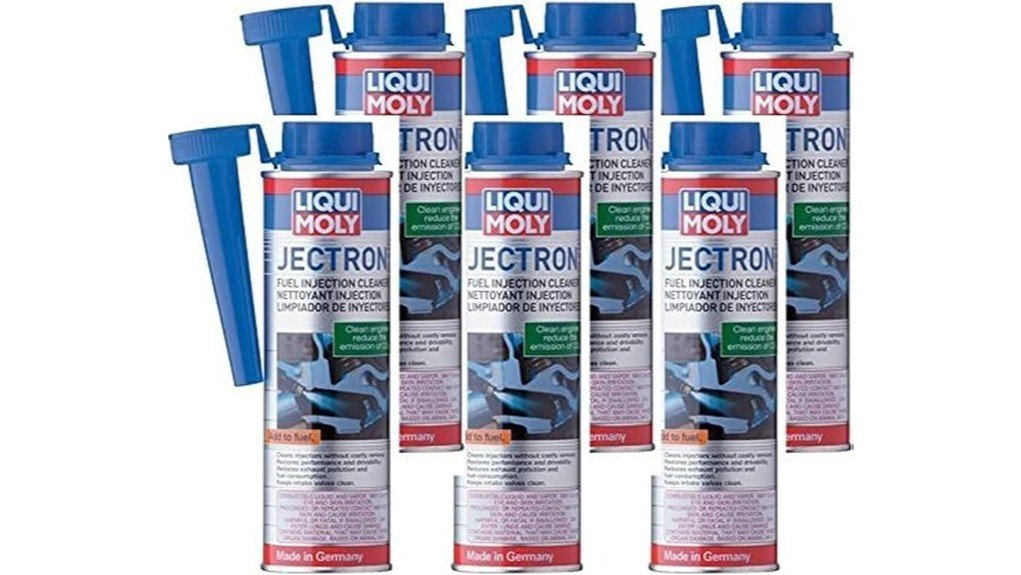
A fuel injector cleaner can be useful when deposits are contributing to a rough idle, weak throttle response, or inconsistent fuel delivery, but it cannot repair worn injectors or failed sensors. Liqui Moly Jectron is a 300 ml gasoline fuel-system additive aimed mainly at port-injected and carbureted engines. The linked Amazon ASIN currently identifies a six-pack, so this review helps you decide whether the multi-can package makes sense for your maintenance needs. Its main strength is simple tank treatment across a broad gasoline volume, while its main limitation is that results depend on deposits being the real cause of the problem.
Liqui Moly Jectron Gasoline Fuel Injection Cleaner Review
Quick Verdict
Rating: 8/10, recommended with caveats
Best For: Drivers maintaining port-injected or carbureted gasoline vehicles who can use a six-can supply over time.
Bottom Line: Jectron offers a clear 300 ml treatment size, simple fuel-tank use, and compatibility with catalytic converters and gasoline particulate filters. It is not a repair product, and the linked six-pack may be more product than an occasional user needs.
Before You Buy: The linked ASIN is listed as a six-pack, not a single 300 ml can. Confirm the package quantity, seller details, and current label before checkout because marketplace listings can change.
Key Specifications
| Specification | Detail |
|---|---|
| Brand | Liqui Moly |
| Product | Jectron Fuel Injection Cleaner |
| Linked Amazon ASIN | B00LPW3E2I |
| Amazon package | Six-pack listing |
| Can size | 300 ml per standard can |
| Product type | Gasoline fuel injection and fuel-system cleaner |
| Primary engine types | Port-injected and carbureted 4-stroke gasoline engines |
| Turbo compatibility | Suitable for gasoline engines with or without a turbocharger |
| Exhaust-system compatibility | Suitable with catalytic converters and gasoline particulate filters |
| Treatment range | One 300 ml can for 25 to 75 liters, about 7 to 20 gallons, of gasoline |
| Application | Add directly to the fuel tank |
| Container | Sheet-metal can |
| Not for | Diesel fuel systems or mechanical repairs |
What Is Liqui Moly Jectron?
Liqui Moly Jectron is a liquid additive that you pour into a gasoline fuel tank. It is designed to clean and maintain fuel-system parts, including injectors and the combustion chamber, while supporting proper fuel atomization. The standard can contains 300 ml, and one can is intended for 25 to 75 liters, or about 7 to 20 gallons, of gasoline.
The manufacturer describes Jectron mainly for port-injected and carbureted 4-stroke gasoline engines. It can also be used in gasoline engines with turbochargers and in vehicles fitted with catalytic converters or gasoline particulate filters. Drivers who specifically want a cleaner marketed for modern gasoline direct injection should also compare Liqui Moly DIJectron before buying.
Who Should Buy It?
Best For
- Drivers performing routine maintenance on port-injected or carbureted gasoline vehicles.
- Owners with mild deposit-related symptoms, such as an uneven idle or slower throttle response.
- Households or enthusiasts who can use a six-can package across several gasoline vehicles or maintenance intervals.
Skip If
- Your vehicle uses diesel fuel or the owner’s manual advises against fuel additives.
- You need to fix a fuel leak, failed injector, sensor fault, active misfire, or other mechanical problem.
- You only need one treatment and do not want to store the remaining cans from a six-pack.
Products Worth Considering

DESIGNED TO EXCEED EXPECTATIONS: Red Line complete SI-1 fuel system cleaner treatment for cleaning and preventing corrosion in fuel systems
For best performance, follow the manufacturer's recommendations in your vehicle owner’s manual.

The world’s #1 fuel additive for both gasoline and diesel engines
Feature-by-Feature Review
Cleaning Focus and Fuel Atomization
Jectron is designed to clean deposits in the gasoline injection system and combustion chamber. Deposits can interfere with injector spray patterns and fuel distribution, so cleaning may help restore more consistent atomization when contamination is part of the problem. This benefit is conditional because rough running can also come from ignition, air-metering, compression, or mechanical faults.
Gasoline Engine Compatibility
The product is aimed at 4-stroke gasoline engines, especially port-injected and carbureted systems. It is also listed for gasoline engines with or without turbochargers. This broad compatibility is useful for older cars, trucks, and mixed household fleets, but you should still check your owner’s manual before adding any aftermarket fuel treatment.
Catalytic Converter and GPF Compatibility
Liqui Moly lists Jectron as suitable for vehicles with catalytic converters and gasoline particulate filters. That makes it easier to consider for many modern gasoline vehicles without choosing a cleaner that conflicts with the exhaust after-treatment system. This does not mean it can repair a damaged converter, clear a blocked filter, or turn off a warning light caused by a failed component.
Treatment Size and Six-Pack Format
Each standard can contains 300 ml and treats 25 to 75 liters, about 7 to 20 gallons, of gasoline. The linked Amazon listing is a six-pack, giving you multiple treatments rather than one. The pack can offer practical value if you maintain several vehicles, but it may be excessive if you plan to use injector cleaner only once.
Corrosion Protection
The manufacturer also lists corrosion protection as part of the formula’s purpose. This supports fuel-system maintenance, especially in vehicles that sit for periods, but Jectron is not marketed as a dedicated long-term fuel stabilizer. Use a product designed for storage if your main goal is preserving gasoline over an extended layup.
How It Performs in Real Use
For Routine Maintenance
Jectron is easiest to justify as a scheduled maintenance additive in a compatible gasoline vehicle. You add one can to a tank within the stated fuel range, drive normally, and allow the treated fuel to pass through the system. A six-pack is most practical when you expect to repeat the treatment or share it across vehicles.
For Mild Rough Idle or Hesitation
If deposits are affecting injector spray or fuel delivery, you may notice smoother idling or better throttle response after the treated fuel circulates. Do not expect an instant result after pouring it into the tank. If symptoms persist, worsen, or trigger a warning light, stop treating the issue as routine maintenance and arrange a proper diagnosis.
For High-Mileage Gasoline Vehicles
A high-mileage port-injected vehicle may be a sensible use case because deposits can build over time. Still, age also raises the chance of worn injectors, vacuum leaks, weak ignition parts, or low compression. Jectron may clean contamination, but it cannot restore worn hardware.
For Infrequently Driven Vehicles
An occasional-use gasoline vehicle may benefit from fuel-system cleaning when it returns to regular service. The corrosion-protection claim is useful here, but the product should not be confused with a storage stabilizer. Check fuel age, battery condition, fluid levels, and other maintenance items before relying on an additive.
How to Use Liqui Moly Jectron Correctly
- Confirm the fuel type. Use it only in a compatible gasoline vehicle, never in a diesel tank.
- Check the tank’s fuel volume. One 300 ml can is intended for 25 to 75 liters, about 7 to 20 gallons, of gasoline.
- Add one can to the fuel tank. The manufacturer says it mixes with gasoline on its own, so the tank does not have to be nearly empty.
- Drive normally. Give the treated fuel time to circulate through the fuel system.
- Follow the current label for repeat use. The current US guidance states every 2,000 km, about 1,200 miles, or as necessary. Your bottle label and vehicle manual should take priority.
Pro Tip: Check your tank capacity before opening a can. A full 300 ml treatment is designed for 7 to 20 gallons, so using extra product in a small tank is not a better cleaning strategy.
Compatibility and Safety
Read the current can label before use and follow any warnings printed on the package. The US product information includes a California Proposition 65 warning, and the formula should be handled as an automotive chemical. Keep it away from children, avoid unnecessary skin or eye contact, and store unopened cans away from heat and direct sunlight.
Do not use Jectron to mask a fuel smell, visible leak, flashing check-engine light, severe misfire, or hard-start condition. Those symptoms can indicate a safety or mechanical issue that needs inspection. You should also avoid combining several fuel additives unless the vehicle manufacturer and product labels clearly permit it.
Pros and Cons
Pros
- Clear 300 ml dose for 7 to 20 gallons of gasoline.
- Simple pour-in-tank application with no special tool.
- Suitable for gasoline engines with or without turbochargers.
- Compatible with catalytic converters and gasoline particulate filters.
- Six-pack can suit multi-vehicle households or repeat maintenance.
Cons
- The six-pack may be more than a one-time user needs.
- It cannot repair failed injectors, sensors, leaks, or worn engine parts.
- Drivers focused on modern GDI systems may prefer a cleaner designed specifically for direct injection.
Is It Worth the Price?
Jectron is best viewed as a mid-range maintenance product from an established automotive chemical brand. The linked six-pack can provide strong value if you service several gasoline vehicles or plan to follow repeat-treatment guidance. It is less attractive if you only need one can and can find an official single-can listing locally.
You get the most value when the vehicle is compatible and the symptoms are mild enough to justify maintenance rather than repair. The biggest limitation is uncertainty: an additive cannot confirm that deposits are causing the problem. Paying for diagnosis is the better choice when rough running is persistent or severe.
Products Worth Considering

DESIGNED TO EXCEED EXPECTATIONS: Red Line complete SI-1 fuel system cleaner is a premium fuel additive, providing an effective fuel treatment solution to clean and prevent corrosion in fuel systems.


lucas oil luc10669
How It Compares to Alternatives
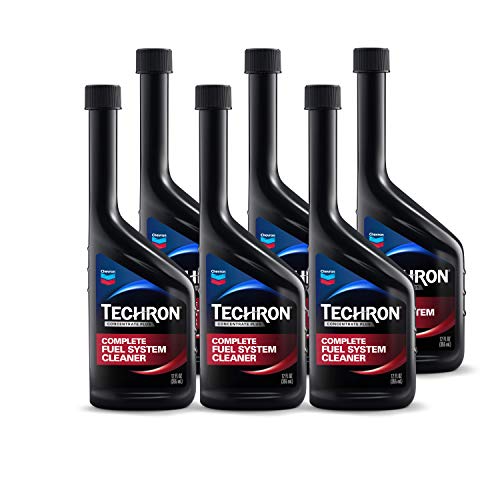
Chevron Techron Concentrate Plus and STP Super Concentrated Fuel Injector Cleaner are common alternatives for buyers who prefer widely available single-treatment bottles. Lucas Upper Cylinder Lubricant and Injector Cleaner is positioned as both a cleaner and lubricant, which may appeal to drivers seeking a broader additive use case.
Liqui Moly DIJectron is the more relevant same-brand comparison for modern gasoline direct-injection engines. Jectron makes the most sense when you want a 300 ml treatment for port-injected or carbureted gasoline systems and can use the linked six-pack.
Products Worth Considering

The world’s #1 fuel additive for both gasoline and diesel engines

Made in United States

Unclogs dirty fuel injectors to restore performance
Frequently Asked Questions
Does the linked Amazon listing include one can or six?
The linked ASIN is currently titled as a six-pack. Each standard Jectron can contains 300 ml, but you should confirm the package quantity and seller details on the live listing before buying.
How much gasoline does one 300 ml can treat?
One can is intended for 25 to 75 liters, about 7 to 20 gallons, of gasoline. Check the amount of fuel in your tank so you stay within that range.
Do you need to add Jectron to an empty tank?
No. The manufacturer states that it mixes spontaneously with gasoline, so you can add it at any time. Pouring it in before refueling can still make it easier to match the treatment to the amount of fuel you add.
Can you use Liqui Moly Jectron in a diesel engine?
No. Jectron is a gasoline fuel-system cleaner. Choose a diesel-specific product for a diesel vehicle and follow the vehicle manufacturer’s guidance.
Is Jectron suitable for turbocharged gasoline engines?
Yes. The manufacturer lists it for 4-stroke gasoline engines with or without turbochargers. Your owner’s manual and current product label should still guide the final decision.
Is it safe for catalytic converters and gasoline particulate filters?
Liqui Moly lists Jectron as suitable for catalytic converters and gasoline particulate filters. It is a maintenance additive, not a repair for a damaged converter or blocked filter.
How often should you use Liqui Moly Jectron?
The current US product guidance states every 2,000 km, about 1,200 miles, or as necessary. Follow the instructions on your can because regional labels and product guidance can change.
Will Jectron fix a check-engine light or bad injector?
Not reliably. It may clean deposits, but it cannot repair an electrical fault, damaged injector, fuel leak, ignition problem, or worn engine part. Diagnose persistent warning lights and drivability problems instead of repeatedly adding cleaner.
The Bottom Line
Liqui Moly Jectron is a solid choice for routine cleaning in compatible port-injected or carbureted gasoline vehicles, especially when you can use a six-can supply. Skip it for diesel engines, serious mechanical symptoms, or a one-time purchase where a single can would be more practical. Its simple 300 ml treatment is the main strength, while its inability to diagnose or repair the root cause is the main limitation.
Ready to Buy?
Check the current package quantity, label directions, and product details before you decide.