

Upon arriving in London, the excitement of stepping into one of the world’s most vibrant cities is palpable. The first day is often a whirlwind of activity, as travelers navigate through the bustling Heathrow or Gatwick airports, each teeming with international visitors. After clearing customs and collecting luggage, the journey into the heart of London begins.
The Heathrow Express offers a swift connection to Paddington Station, while the Gatwick Express provides a similar service to Victoria Station. For those seeking a more budget-friendly option, the London Underground is an efficient way to reach central locations, with its iconic Tube system serving as a lifeline for both locals and tourists alike. Once settled into accommodations, typically in areas like Covent Garden or Soho, it’s time to embark on an orientation walk.
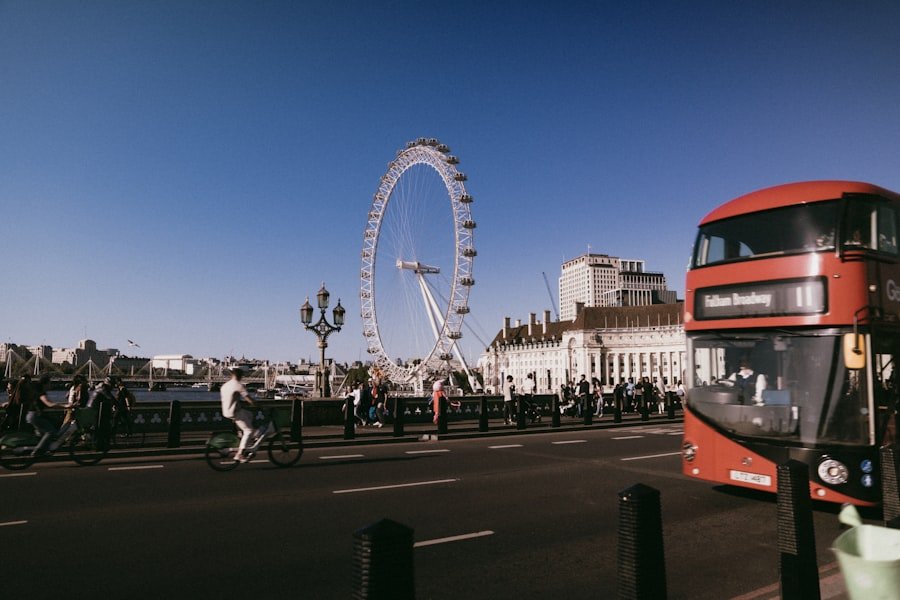
A stroll along the River Thames provides a picturesque introduction to the city’s landmarks. The Houses of Parliament and Big Ben loom majestically across the water, while the London Eye offers a modern contrast with its towering presence. This initial exploration not only helps to acclimate visitors to the city’s layout but also sets the stage for the adventures that lie ahead.
As evening approaches, a casual dinner at a nearby pub can be a delightful way to immerse oneself in British culture, sampling traditional fare such as fish and chips or bangers and mash.
Key Takeaways
- Day 1: Arrival and Orientation
- Day 2: Explore Central London
- Day 3: Visit the Museums and Galleries
- Day 4: Discover the Royal Attractions
- Day 5: Explore the Markets and Neighborhoods
Day 2: Explore Central London
The second day in London is dedicated to delving deeper into its central districts, where history and modernity coexist in fascinating ways. Starting at Trafalgar Square, visitors can admire the towering Nelson’s Column and the surrounding fountains, which often serve as gathering spots for both tourists and locals. From there, a short walk leads to the National Gallery, home to an impressive collection of European paintings that span centuries.
Works by masters such as Van Gogh, Monet, and Da Vinci provide a rich cultural experience that captivates art enthusiasts and casual visitors alike. Continuing the exploration, a leisurely stroll down Whitehall reveals iconic government buildings, including the Prime Minister’s residence at 10 Downing Street. The nearby Churchill War Rooms offer a glimpse into Britain’s wartime history, showcasing the underground bunker where Winston Churchill and his cabinet strategized during World War
As lunchtime approaches, Covent Garden beckons with its vibrant atmosphere filled with street performers and artisanal food stalls. Here, visitors can indulge in a variety of culinary delights, from gourmet sandwiches to freshly baked pastries. The afternoon can be spent wandering through the charming streets of Covent Garden or venturing towards Leicester Square and Piccadilly Circus, where the bright lights and bustling crowds create an electric ambiance.
Day 3: Visit the Museums and Galleries
Day three is reserved for immersing oneself in London’s rich tapestry of museums and galleries, many of which offer free admission. The British Museum stands as a testament to human history and culture, housing artifacts from around the globe, including the Rosetta Stone and the Elgin Marbles. Visitors can easily spend hours exploring its vast collections, which span ancient civilizations to modern times.
The museum’s layout encourages exploration, with themed galleries that guide guests through different epochs and cultures. After absorbing the wonders of the British Museum, a visit to the Tate Modern is highly recommended. Housed in a former power station along the Thames, this contemporary art museum showcases works by renowned artists such as Picasso, Warhol, and Hockney.
The building itself is an architectural marvel, with its vast Turbine Hall often featuring large-scale installations that challenge perceptions of art. For those interested in more traditional art forms, the National Portrait Gallery offers an extensive collection of portraits that celebrate British history through its notable figures. Each gallery visit provides not only aesthetic pleasure but also an opportunity for reflection on the narratives that shape society.
Day 4: Discover the Royal Attractions
The fourth day in London is dedicated to exploring its royal heritage, which is deeply woven into the fabric of British identity. Starting at Buckingham Palace, visitors can witness the Changing of the Guard ceremony, a quintessentially British spectacle that showcases precision and pageantry. The palace itself is an architectural wonder, with its grand façade and meticulously maintained gardens providing a stunning backdrop for photographs.
From Buckingham Palace, a leisurely walk through St. James’s Park leads to Westminster Abbey, an iconic site of royal ceremonies and burials. The abbey’s Gothic architecture is awe-inspiring, with intricate stained glass windows and memorials dedicated to notable figures throughout British history.
Inside, visitors can explore the Poets’ Corner and pay homage to literary giants such as Chaucer and Shakespeare. Afterward, a visit to the Tower of London offers a stark contrast; this historic fortress has served various roles throughout history—from royal palace to prison—and houses the Crown Jewels, which are a must-see for anyone interested in royal regalia.
Day 5: Explore the Markets and Neighborhoods
Day five invites travelers to experience London’s eclectic neighborhoods and vibrant markets that reflect the city’s diversity. Starting at Borough Market, one of London’s oldest food markets, visitors can indulge in gourmet street food from around the world. From artisanal cheeses to freshly baked bread and exotic spices, this market is a feast for the senses.
The lively atmosphere is enhanced by local vendors eager to share their culinary creations. After satisfying culinary cravings at Borough Market, exploring neighborhoods like Shoreditch or Notting Hill offers insight into London’s artistic spirit. Shoreditch is known for its street art scene; wandering through its streets reveals colorful murals that tell stories of urban life and creativity.
Meanwhile, Notting Hill enchants with its pastel-colored houses and charming boutiques. The Portobello Road Market here is famous for antiques and vintage finds, making it a treasure trove for shoppers seeking unique souvenirs. Each neighborhood has its own character and charm, providing an authentic glimpse into daily life in London.
Day 6: Day Trip to Windsor or Oxford
On day six, taking a day trip outside of London presents an opportunity to explore historical sites that are easily accessible by train. Windsor Castle stands as one of the oldest inhabited castles in the world and serves as an official residence for the British monarch.
George’s Chapel, where many royal ceremonies take place. Alternatively, Oxford offers a different kind of charm with its prestigious university setting. A walking tour through this historic city reveals stunning architecture from various periods, including the Radcliffe Camera and Christ Church College—famous for its connections to “Harry Potter.” The Bodleian Library is another highlight; it houses millions of books and manuscripts within its hallowed halls.
Both destinations provide rich historical contexts that enhance understanding of British culture beyond London’s borders.
Day 7: Relax and Enjoy the Parks and Gardens
The final day in London is best spent unwinding in its beautiful parks and gardens, which offer serene escapes from the urban hustle. Hyde Park is one of London’s largest green spaces, where visitors can enjoy leisurely walks along its tree-lined paths or rent a paddleboat on the Serpentine Lake. The park’s vastness allows for picnics on sunny days or simply soaking in nature’s tranquility amidst city life.
Kensington Gardens is another gem worth exploring; it features the stunning Kensington Palace surrounded by manicured gardens and ornamental flowerbeds. The Diana Memorial Fountain provides a peaceful spot for reflection while paying tribute to Princess Diana’s legacy.
Each park or garden offers unique experiences that highlight London’s commitment to preserving green spaces amidst its urban landscape.
Where to Eat: Dining Options for Every Budget
London’s culinary scene is as diverse as its population, offering dining options that cater to every budget and palate. For those seeking affordable yet delicious meals, street food markets like Camden Market or Brick Lane provide an array of choices—from mouthwatering curries to gourmet burgers—at reasonable prices. These markets not only satisfy hunger but also create vibrant social atmospheres where food lovers can mingle.
For mid-range dining experiences, neighborhoods like Soho or Covent Garden boast numerous restaurants serving everything from modern British cuisine to international fare. Establishments such as Dishoom offer delectable Indian dishes in a stylish setting reminiscent of Bombay cafés. For those looking to splurge on fine dining experiences, Michelin-starred restaurants like The Ledbury or Alain Ducasse at The Dorchester promise exquisite culinary artistry paired with impeccable service.
Regardless of budget constraints, London’s dining landscape ensures that every visitor can savor memorable meals throughout their stay.
Transportation Tips: Getting Around London
Navigating London’s extensive transportation network can initially seem daunting; however, it becomes manageable with some insider tips. The London Underground remains one of the most efficient ways to traverse the city quickly. Purchasing an Oyster card or using contactless payment methods simplifies fare payments while providing discounted rates compared to single tickets.
Understanding peak travel times—typically weekdays from 7:30 AM to 9:30 AM and 5 PM to 7 PM—can help avoid crowded trains. Buses also offer an excellent alternative for sightseeing while traveling across town; many routes pass iconic landmarks such as St. Paul’s Cathedral or Trafalgar Square.
The iconic red double-decker buses provide not only transportation but also scenic views from their upper decks. For those preferring surface travel at a leisurely pace, walking remains one of the best ways to absorb London’s charm—many attractions are within walking distance of each other in central areas.
Shopping Guide: Where to Find the Best Souvenirs
Shopping in London presents countless opportunities for finding unique souvenirs that capture memories of this vibrant city. Oxford Street is renowned for its high-street fashion stores; however, for more distinctive items, exploring markets like Camden Market or Portobello Road Market yields treasures ranging from vintage clothing to handmade crafts. For luxury shopping experiences, Harrods stands out as an iconic department store offering everything from designer fashion to gourmet food items—perfect for those seeking high-end gifts or indulgent treats.
Additionally, Covent Garden features artisanal shops selling handmade goods that reflect local craftsmanship. Whether searching for quirky trinkets or elegant keepsakes, London’s shopping scene caters to all tastes and budgets.
Nightlife and Entertainment: Evening Activities in London
As night falls over London, the city transforms into a hub of entertainment options that cater to diverse interests. The West End is synonymous with world-class theater productions; catching a show at iconic venues like The Lyceum or The Apollo provides an unforgettable experience filled with talent and creativity. From musicals like “The Lion King” to classic plays such as “Hamlet,” there’s something for everyone seeking cultural enrichment after dark.
For those looking for more casual evening activities, pubs across London offer lively atmospheres where locals gather for drinks and conversation—many host quiz nights or live music events that enhance social interactions among patrons. Alternatively, areas like Shoreditch come alive with trendy bars and clubs featuring eclectic music scenes ranging from indie rock to electronic beats. Whether indulging in theatrical performances or enjoying nightlife hotspots filled with energy and excitement, London’s evening offerings ensure memorable experiences long after sunset.
If you’re looking for more travel inspiration, check out this article on Top 10 Must-See Attractions in London. This guide will help you plan your itinerary and make the most of your time in the bustling city. Whether you’re interested in history, culture, or shopping, London has something for everyone. Don’t miss out on these iconic landmarks and experiences during your visit to London!
FAQs
What is the best time to visit London?
The best time to visit London is during the spring (March to May) or the fall (September to November) when the weather is mild and the city is less crowded.
What are the must-see attractions in London?
Some of the must-see attractions in London include the Tower of London, Buckingham Palace, the British Museum, the London Eye, and the West End theaters.
What are some recommended day trips from London?
Recommended day trips from London include visiting Windsor Castle, Stonehenge, Oxford, Cambridge, and the Warner Bros. Studio Tour – The Making of Harry Potter.
What is the best way to get around London?
The best way to get around London is by using the London Underground (the Tube), buses, or by walking. Taxis and ride-sharing services are also available.
What are some popular shopping areas in London?
Popular shopping areas in London include Oxford Street, Regent Street, Covent Garden, and Knightsbridge (home to Harrods and Harvey Nichols).
What are some traditional British foods to try in London?
Some traditional British foods to try in London include fish and chips, Sunday roast, afternoon tea, and traditional English breakfast.
What are some free attractions in London?
Some free attractions in London include the British Museum, the Tate Modern, the Changing of the Guard at Buckingham Palace, and the parks such as Hyde Park and Regent’s Park.