Seven days gives you enough time to see London’s major landmarks, explore several neighborhoods, visit world-class museums, enjoy a West End evening, and still take a day trip outside the city. The key is to group nearby sights, keep your arrival day light, and treat some attractions as alternatives rather than trying to check off every stop.
Quick Answer
Seven days is enough for a strong first visit to London if you group nearby sights, keep arrival day light, reserve popular attractions, and use one day for Windsor or Oxford. This itinerary combines Westminster, museums, royal sights, markets, neighborhoods, parks, dining, shopping, and a West End evening at a manageable pace.
Key Takeaways
- Keep Day 1 flexible so you can recover from your flight and adjust to London time.
- Group attractions by area and use optional swaps when a day includes sights on opposite sides of central London.
- Book high-demand paid attractions and West End shows ahead when your dates are fixed.
- Check the official Changing of the Guard calendar before planning Day 4 around the ceremony.
- Use contactless payment or Oyster for most London public transport and use Day 6 for either Windsor or Oxford rather than trying to visit both.
Before You Start: Plan the Week Around Your Bookings
London rewards a little advance planning. Before you leave home, identify the attractions that matter most to you and reserve any timed-entry tickets you do not want to miss. The Tower of London, Westminster Abbey, special museum exhibitions, popular West End performances, and seasonal royal attractions can all become busy.
At the same time, avoid turning the week into seven rigid checklists. London weather can change quickly, transport disruptions happen, and major museums can easily occupy half a day. Keep at least a little flexibility so you can move an indoor attraction to a rainy period or shorten a day when you are tired.
Pro Tip: Choose two or three priority experiences for each full sightseeing day. Everything else should be treated as a bonus or an alternative. You will see more of London by spending time in each area instead of constantly crossing the city.
Day 1: Arrival and Orientation
After arriving in London, your first goal should be getting into the city, checking into your accommodation, and resisting the temptation to schedule a packed sightseeing day. Heathrow and Gatwick both have good rail connections, but the options are different.
From Heathrow, the Heathrow Express runs directly to Paddington, while the Elizabeth line connects Heathrow with Paddington and several central London stations. The Piccadilly line is the London Underground option and is usually the most budget-friendly rail route from Heathrow. Check current Heathrow transport information before travelling.
Gatwick is not served by the London Underground. Gatwick Express operates direct trains between Gatwick Airport and London Victoria, while other National Rail services can also be useful depending on where you are staying.
If you stay centrally in areas such as Covent Garden or Soho, many major sights will be close at hand, although Bloomsbury, Victoria, South Bank, Paddington and other well-connected districts can work equally well. Choose accommodation based on your budget and the Underground or rail stations you expect to use rather than assuming one neighborhood is best for everyone.
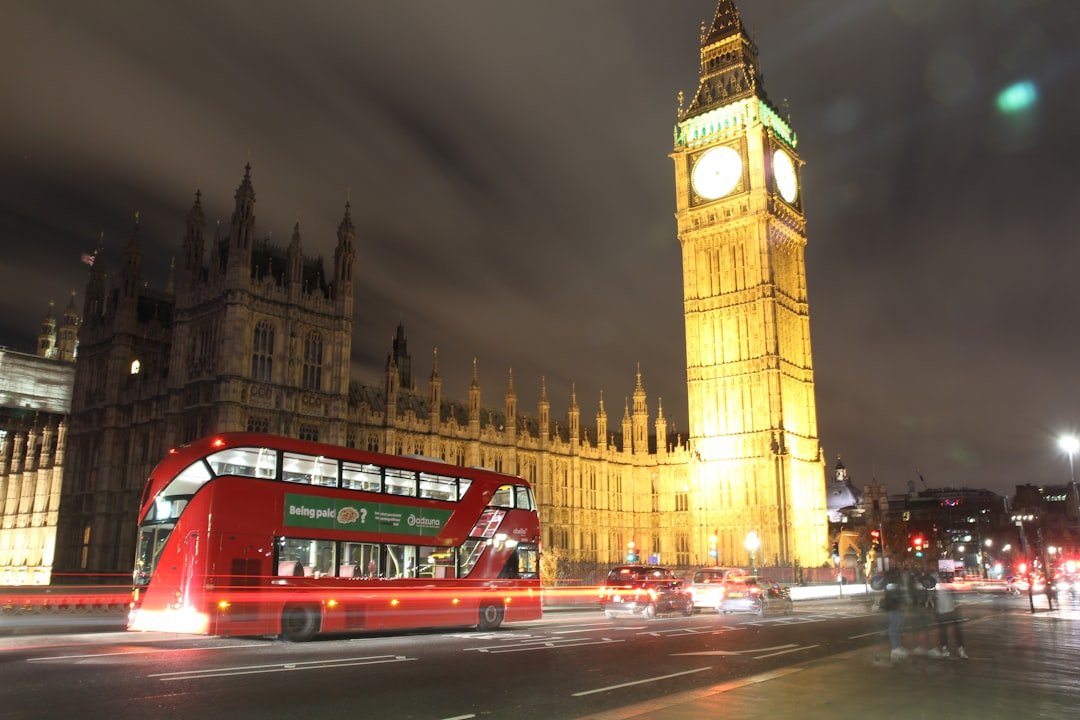
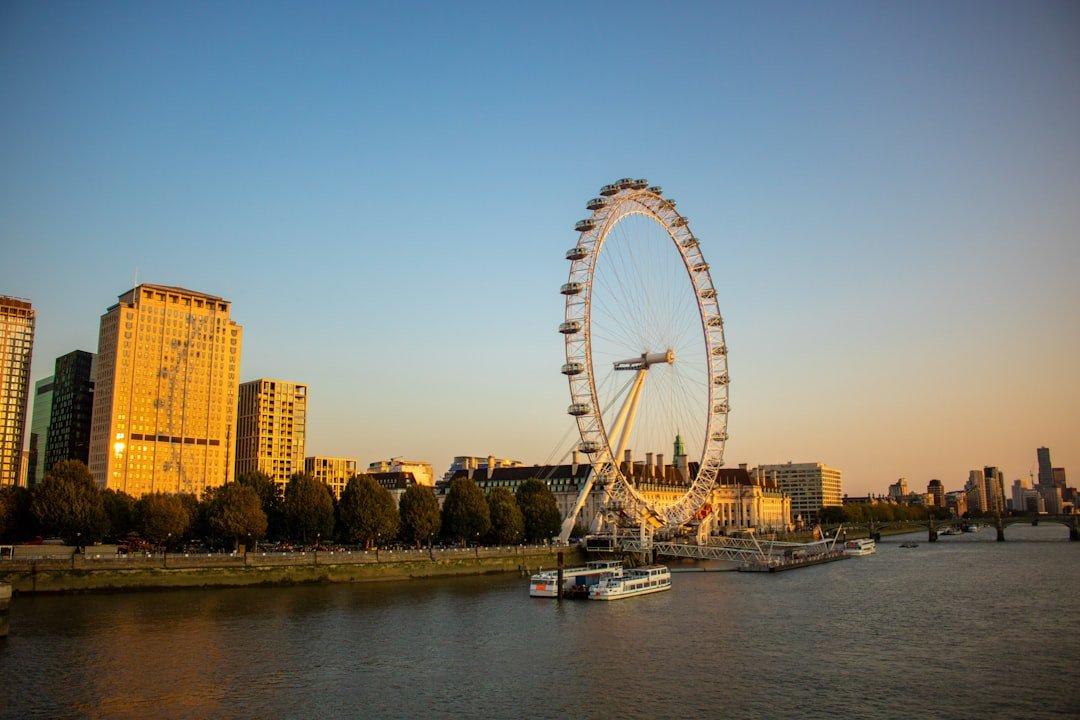
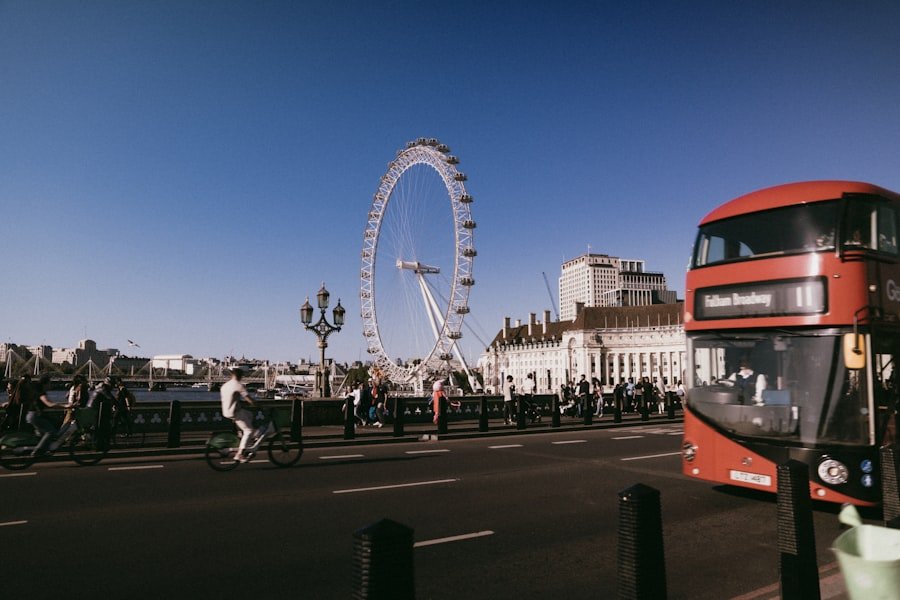
Once you have checked in, take an easy orientation walk. The Thames is a good introduction to London because several famous landmarks appear along the river. Around Westminster, you can see the Houses of Parliament and the Elizabeth Tower, commonly called Big Ben after its famous bell, while the London Eye rises across the river on the South Bank.
Keep the walk relaxed. The goal is to learn the layout, get some daylight after your flight, and stay awake until a reasonable local bedtime. In the evening, a casual pub meal is an easy introduction to British food. Fish and chips, bangers and mash, pies, or another simple pub dish can make a satisfying first dinner without adding another reservation to your arrival day.
Day 2: Explore Central London
Start your second day around Trafalgar Square, where Nelson’s Column and the fountains create one of central London’s best-known public spaces. The National Gallery borders the square and offers free general admission to its permanent collection, although some temporary exhibitions require tickets.
The collection includes major European paintings by artists such as Leonardo da Vinci, Claude Monet and Vincent van Gogh. If art is a priority, allow at least a couple of hours. If you prefer history and politics, spend less time inside and continue south through Whitehall.
Walking down Whitehall takes you past important government buildings and close to Downing Street. Visitors cannot normally walk up to the door of 10 Downing Street, but the gated entrance can be seen from Whitehall.
The nearby Churchill War Rooms preserve the underground complex used by Winston Churchill and the British government during World War II. This is a paid attraction and can take considerably longer than a quick photo stop, so make it one of your main bookings if wartime history interests you.
As lunchtime approaches, head toward Covent Garden. The district combines restaurants, cafés, shops, market buildings and street entertainment. You can stop for lunch, browse the surrounding lanes, or continue toward Leicester Square and Piccadilly Circus.
Leicester Square places you in the heart of the West End, while Piccadilly Circus is known for its illuminated advertising displays and busy junction. There is no need to spend hours at either location; they work best as part of a walk connecting central London neighborhoods.
Day 3: Visit the Museums and Galleries
Use Day 3 for London’s museums and galleries, but do not assume you need to visit every institution listed here. Many major national museums offer free general admission, making it easy to tailor the day to your interests.
Begin at the British Museum if history and archaeology are your priorities. Its collection covers cultures from around the world and includes the Rosetta Stone and the Parthenon Sculptures. The museum is large enough to occupy most of a day, so choose a few galleries in advance instead of trying to see everything.
After the British Museum, you have two sensible choices. You can stay in central London and visit the National Portrait Gallery, or travel south of the river to Tate Modern. Trying to give all three museums a serious visit in one day will feel rushed for most travelers.
Tate Modern occupies the former Bankside Power Station beside the Thames and focuses on international modern and contemporary art. Its vast Turbine Hall is one of the building’s defining spaces, and the collection includes work associated with major figures in modern art.
The National Portrait Gallery, meanwhile, focuses on portraits of people who have shaped British history and culture. It is especially convenient if you are already around Trafalgar Square or the West End.
Note: Free general admission does not necessarily mean every exhibition is free. Temporary or special exhibitions may require separate tickets, and advance reservations may be recommended at busy times.
Day 4: Discover the Royal Attractions
Begin Day 4 around Buckingham Palace and St James’s Park. If the Changing of the Guard is operating on your date, arrive early enough to find a suitable viewing area. Do not assume a full Guard Change happens every day.
Warning: Changing of the Guard dates and ceremonial arrangements can change. Check the official Household Division schedule before building your morning around the ceremony, especially if it is one of the main reasons for your visit.
Buckingham Palace itself provides an impressive setting even when you are only viewing the exterior. Seasonal public access to parts of the palace is separate from watching the ceremony outside, so check current ticket arrangements if you want to go inside.
From the palace, walk through St James’s Park toward Westminster Abbey. The Abbey has hosted coronations since 1066 and contains royal tombs, memorials and Poets’ Corner, where many major literary figures are buried or commemorated.
Inside, allow enough time to appreciate the Gothic architecture, chapels, monuments and historic spaces rather than treating the Abbey as a quick stop.
The Tower of London can fill much of an afternoon on its own. It has served as a fortress, royal residence, prison and treasury, and admission includes the Crown Jewels and other open public areas. Historic Royal Palaces recommends allowing substantial time for a visit, so book ahead during busy travel periods and avoid arriving late in the day if the Tower is one of your priorities.
If Buckingham Palace, Westminster Abbey and the Tower of London feel like too much for one day, move the Tower to another morning. A slower royal day is usually more enjoyable than rushing through three major historic attractions.
Day 5: Explore the Markets and Neighborhoods
Start Day 5 at Borough Market, one of London’s best-known food markets. The stalls and surrounding businesses sell everything from bread, cheese and produce to prepared dishes influenced by cuisines from around the world.
After lunch, choose an east-London or west-London neighborhood rather than automatically trying to cover both.
Option 1: Shoreditch and East London
Shoreditch is known for street art, independent businesses, nightlife and creative culture. Walk through the surrounding streets, explore nearby markets if they are operating on your date, and give yourself time to notice the murals and changing urban landscape rather than racing from one named attraction to another.
Option 2: Notting Hill and Portobello Road
Notting Hill offers a different atmosphere, with colorful houses, cafés, boutiques and Portobello Road. The market is particularly associated with antiques and vintage goods, although the mix of stalls varies by day.
Each neighborhood has its own character and provides a more everyday glimpse of London beyond the major monuments. If you have enough energy, you can cross the city and visit both Shoreditch and Notting Hill, but most visitors will have a better afternoon by choosing one.
Day 6: Day Trip to Windsor or Oxford
Use Day 6 to leave central London and explore either Windsor or Oxford. Both can be reached by rail, but they offer very different experiences.
Choose Windsor for Royal History
Windsor Castle is the world’s oldest and largest occupied castle and has been associated with British monarchy for roughly 1,000 years. Visitors can explore open areas of the State Apartments and other parts of the castle according to the day’s operating arrangements.
St George’s Chapel is another major highlight when open to visitors. It has hosted royal ceremonies and is the burial place of several monarchs. Because Windsor Castle remains a working royal site, access can change, so check the Royal Collection Trust before travelling.
Choose Oxford for University History and Architecture
Oxford is the better choice if medieval university buildings, libraries and college architecture appeal to you more than royal history. A walking route through the center can include the Radcliffe Camera, Bodleian Library area and several historic colleges.
Christ Church is particularly well known to visitors because parts of the college have associations with screen productions and its architecture is often linked in popular culture with the world of Harry Potter. Access to individual college buildings may depend on opening hours, university events and ticket availability.
Do not attempt Windsor and Oxford as a single normal day trip. Pick the one that best matches your interests and leave London early enough to enjoy it without watching the clock all afternoon.
Pro Tip: Windsor is usually the more natural choice if this trip is focused on royal London. Oxford makes more sense if universities, libraries and historic architecture are higher on your list.
Day 7: Relax and Enjoy the Parks and Gardens
After six active days, use your final day for London’s green spaces. Hyde Park is one of the city’s largest central parks and works well for an unhurried walk, a picnic in suitable weather, or time beside the Serpentine.
Continue into neighboring Kensington Gardens if you want to see Kensington Palace from the park, landscaped gardens and the Diana, Princess of Wales Memorial Fountain.
Kew Gardens is a different experience and should be treated as a destination rather than another quick central-park stop. The Royal Botanic Gardens contain extensive plant collections, landscaped grounds and major glasshouses. Kew normally requires paid admission for most visitors and its opening times vary seasonally.
If you choose Kew, consider making it the main activity for Day 7 rather than trying to combine a full Kew visit with several hours in Hyde Park and Kensington Gardens.
A good final day in London should leave room to slow down. You do not need another marathon sightseeing schedule simply because there are still attractions you have not seen.
Where to Eat: Dining Options for Every Budget
London’s food scene ranges from inexpensive market meals to elaborate tasting menus, so you can adapt your meals to almost any travel budget.
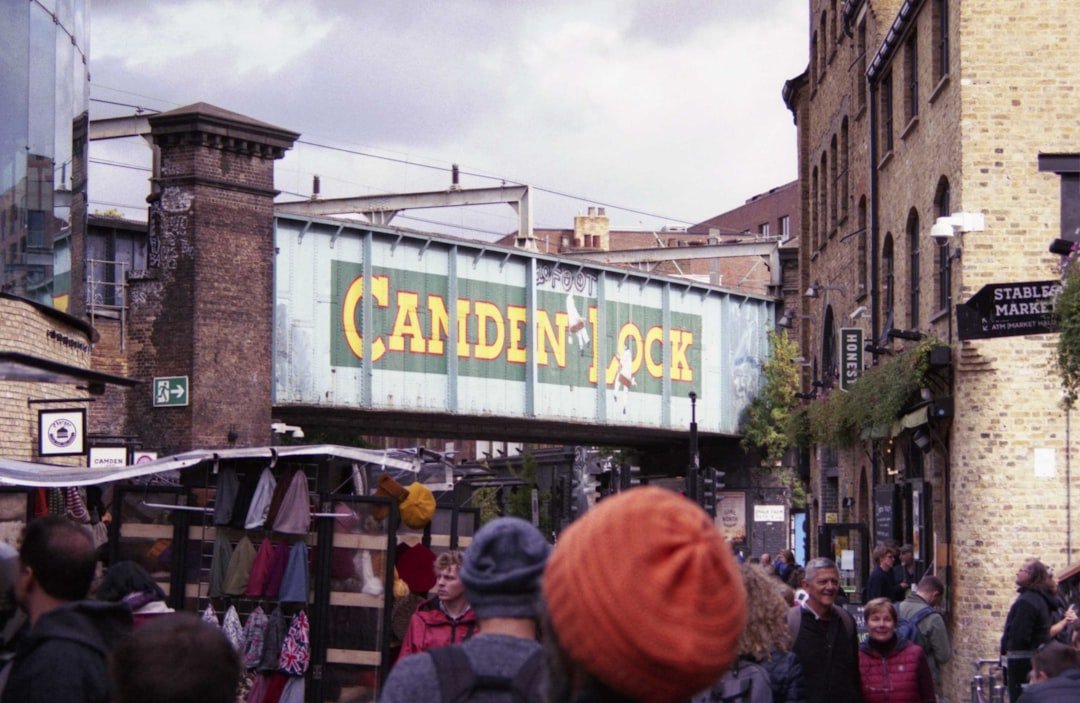
For relatively casual meals, food markets such as Borough Market and Camden Market offer a broad mix of prepared food. Brick Lane and the surrounding East End also have a long association with South Asian food alongside newer cafés, bakeries and restaurants.
For mid-range meals, Soho and Covent Garden offer a large concentration of restaurants within walking distance of major West End attractions. Dishoom is one well-known option for Bombay-inspired food, although popular locations can attract queues at busy times.
For fine dining, London has a large selection of acclaimed restaurants, including Michelin-starred establishments. The Ledbury and Alain Ducasse at The Dorchester are examples of the city’s high-end dining scene, but menus, prices and reservation availability should always be checked directly before making plans.
Traditional British dishes worth trying include fish and chips, Sunday roast, pies, a full English breakfast and afternoon tea. You do not need to eat British food at every meal; London’s international restaurants are an equally important part of the city’s culinary identity.
Transportation Tips: Getting Around London
The London Underground, buses, Elizabeth line, London Overground, DLR and National Rail services make it possible to explore most of London without a car.
For most visitors, contactless payment is the easiest way to use public transport. Oyster remains another option. Transport for London allows pay-as-you-go travel across its network and applies daily or weekly caps to eligible travel, meaning you do not keep paying indefinitely after reaching the relevant cap.
When using rail services that require touching in and out, use the same contactless card, phone or Oyster card for the whole journey so the system can calculate the correct fare. Do not touch in with a physical card and touch out with the same card loaded onto a phone; TfL treats them as separate payment methods.
Weekday commuter periods are usually the busiest time to travel. TfL’s public peak-fare periods are generally 6:30 AM to 9:30 AM and 4 PM to 7 PM Monday through Friday, although actual crowding depends on the line and direction of travel.
London buses can be useful for sightseeing because you remain above ground and many routes pass major landmarks. Walking is also one of the best ways to experience central London, where attractions are often much closer together than the Underground map makes them appear.
Note: London sightseeing involves substantial walking and many historic sites contain stairs, uneven surfaces or long internal routes. Travelers with mobility requirements should check step-free station and attraction-access information before finalizing each day.
Shopping Guide: Where to Find the Best Souvenirs
London offers everything from inexpensive souvenirs to luxury fashion. Oxford Street remains one of the best-known high-street shopping areas, while nearby Regent Street and Carnaby provide additional shops within the West End.
For more distinctive finds, markets such as Portobello Road and Camden can be better choices than standard souvenir stores. Depending on the day, you may find vintage clothing, antiques, artwork, accessories and handmade goods.
Harrods in Knightsbridge is one of London’s most famous department stores and is useful for luxury goods, food gifts and browsing even if you are not planning a major purchase.
Covent Garden also has a mix of established brands, market stalls and smaller shops. If you want a souvenir that feels connected to the trip, consider books from museum shops, locally designed stationery, prints, food products or something found in a neighborhood market rather than buying the first generic London item you see.
Nightlife and Entertainment: Evening Activities in London
London’s evenings can be as busy as its days. The West End is the obvious choice for theater, with productions ranging from long-running musicals to plays and limited-run performances.
If you want to see a particular show, book once your travel dates are fixed. If you are flexible about the production and seating, you may have more choices closer to the performance date.
Pubs offer a more casual evening. Some host live music, comedy, quiz nights or sports, while others are simply places to sit down for a drink and conversation after a long sightseeing day.
Shoreditch and other nightlife districts have bars, clubs and live-music venues covering a wide range of styles. Check individual venue schedules rather than assuming every area has the same atmosphere every night.
You can also use an evening for a Thames walk, a relaxed dinner, late museum opening when available, or simply an early night. After several days of walking, an unscheduled evening can be more valuable than another attraction.
If you’re looking for more travel inspiration, read this existing guide to Top Things to Do in London: Must-See Guide. It covers additional landmarks and experiences you can use to customize this seven-day plan around your interests.
Frequently Asked Questions
Is seven days enough for London?
Yes. Seven days is enough for a strong first visit that includes major central landmarks, museums, markets, several neighborhoods, parks, evening entertainment and one day trip. It is not enough to see everything, so prioritize two or three major experiences each day.
What is the best time to visit London?
London is a year-round destination. Spring and autumn can provide mild weather and, outside school holidays and major events, somewhat lighter crowds than the summer peak. Summer offers long daylight hours and more outdoor events, while winter can provide lower prices outside the Christmas and New Year period.
What are the must-see attractions in London?
For a first visit, popular priorities include the Tower of London, Buckingham Palace area, Westminster Abbey, the British Museum, the National Gallery, the Houses of Parliament and Big Ben, the South Bank and at least one London neighborhood beyond the main monuments.
What are some recommended day trips from London?
Popular choices include Windsor, Oxford, Cambridge, Stonehenge and the Warner Bros. Studio Tour London – The Making of Harry Potter. For this itinerary, Windsor is ideal for royal history while Oxford is better for university architecture and academic history.
What is the best way to get around London?
Most visitors can rely on the Underground, buses, Elizabeth line and walking. Contactless payment is usually the simplest way to pay, while Oyster is another option. Taxis and licensed private-hire services are useful when public transport is inconvenient or when you are carrying substantial luggage.
Do I need an Oyster card if I have a contactless bank card?
Not necessarily. Contactless cards and compatible mobile devices can be used for pay-as-you-go travel on most of the same London services used by visitors. Oyster can still be useful for travelers who do not have a suitable contactless payment method or who qualify for specific discounts.
What attractions should I book before arriving?
Book any attraction you consider essential, especially the Tower of London during busy periods, Westminster Abbey, seasonal royal attractions, special exhibitions and popular West End shows. Also check the Changing of the Guard calendar rather than assuming the ceremony will take place on your chosen day.
What are some popular shopping areas in London?
Oxford Street, Regent Street, Covent Garden and Knightsbridge are major shopping areas. Portobello Road and Camden are useful for markets, vintage finds and more unusual souvenirs.
What traditional British foods should I try in London?
Popular choices include fish and chips, Sunday roast, pies, a full English breakfast and afternoon tea. London is also one of the world’s most internationally diverse food cities, so leave room for cuisines beyond traditional British dishes.
What are some free attractions in London?
Major free options include the permanent collections at the British Museum, National Gallery and Tate Modern, along with parks such as Hyde Park and Regent’s Park. Watching Changing of the Guard from public areas is also free when the ceremony is scheduled, although some temporary exhibitions and other attractions require paid tickets.
Sources
- Transport for London — Pay as you go — supports contactless/Oyster payment and fare-cap guidance.
- Heathrow Airport — Rail and train options — supports Heathrow Express, Elizabeth line and Piccadilly line airport-transfer guidance.
- Gatwick Express — Gatwick Airport to London Victoria — supports the direct Gatwick-to-Victoria rail information.
- The Household Division — Changing of the Guard calendar — supports the requirement to verify ceremony dates.
- Historic Royal Palaces — Tower of London tickets and admission — supports Crown Jewels access and advance-booking guidance.
- Royal Collection Trust — Windsor Castle — supports Windsor Castle history, visitor access and booking information.