

Upon arriving in London, the excitement of stepping into one of the world’s most vibrant cities is palpable. The first day is often a whirlwind of activity, as travelers are eager to soak in the atmosphere. After checking into your accommodation, a leisurely stroll through the streets can be an excellent way to acclimate to the city’s rhythm.
The iconic red double-decker buses and the hustle of pedestrians create a lively backdrop as you navigate through neighborhoods like Covent Garden or Soho. These areas are not only rich in history but also brimming with shops, street performers, and cafes that invite you to pause and enjoy a cup of tea or coffee. As the day unfolds, consider visiting some of London’s famous landmarks.
A walk along the River Thames offers stunning views of the city’s skyline, including the majestic Tower Bridge and the historic Tower of London. The juxtaposition of modern architecture with centuries-old structures is a testament to London’s ability to blend the old with the new. As evening approaches, the city transforms; the lights illuminate the streets, and the atmosphere becomes electric.
A visit to a local pub can provide a taste of British culture, where you can enjoy a pint of ale while mingling with locals and fellow travelers alike.
Key Takeaways
- Day 1: Arrival and Exploring the City
- Day 2: Cultural and Historical Highlights
- Day 3: Shopping and Leisure Activities
- Getting Around: Transportation Tips
- Where to Stay: Accommodation Options
Day 2: Cultural and Historical Highlights
The second day in London is best spent immersing yourself in its rich cultural and historical tapestry. Start your morning at the British Museum, home to an extensive collection of art and antiquities from around the world. The Rosetta Stone and the Elgin Marbles are just a couple of highlights that showcase human history’s breadth.
The museum is free to enter, making it an accessible option for all visitors. As you wander through its vast halls, you’ll find yourself captivated by artifacts that tell stories of ancient civilizations. After exploring the museum, head towards Westminster Abbey, a masterpiece of Gothic architecture that has been the site of royal ceremonies for centuries.
The abbey is not only a place of worship but also a mausoleum for many notable figures in British history, including poets, scientists, and monarchs. A guided tour can enhance your experience, providing insights into the abbey’s significance and its role in shaping British culture. Following this, a leisurely walk through St.
James’s Park offers a serene escape from the bustling city, with its picturesque gardens and views of Buckingham Palace. This blend of cultural exploration and natural beauty encapsulates London’s charm.
Day 3: Shopping and Leisure Activities
On your final day in London, indulge in some retail therapy and leisure activities that showcase the city’s contemporary flair. Begin your shopping adventure at Oxford Street, one of Europe’s busiest shopping thoroughfares. Here, you’ll find everything from high-street fashion brands to flagship stores like Selfridges, where you can browse luxury goods or simply enjoy the vibrant atmosphere.
For those seeking unique finds, a visit to Camden Market is a must. This eclectic market is known for its alternative fashion, vintage shops, and artisanal food stalls, making it a perfect spot to pick up souvenirs or enjoy a delicious meal. After a day filled with shopping, consider unwinding at one of London’s many parks.
Hyde Park offers expansive green spaces where you can relax by the Serpentine Lake or take part in various outdoor activities such as boating or cycling. Alternatively, if you’re looking for something more leisurely, a traditional afternoon tea at a local café can be a delightful way to experience British culture. Savoring scones with clotted cream and jam while sipping on fine tea provides a fitting conclusion to your London adventure.
Getting Around: Transportation Tips
Navigating London can initially seem daunting due to its size and complexity; however, the city boasts an efficient public transportation system that makes getting around relatively easy. The London Underground, commonly known as the Tube, is one of the most effective ways to traverse the city quickly. With 11 lines covering 402 kilometers and over 270 stations, it connects major attractions seamlessly.
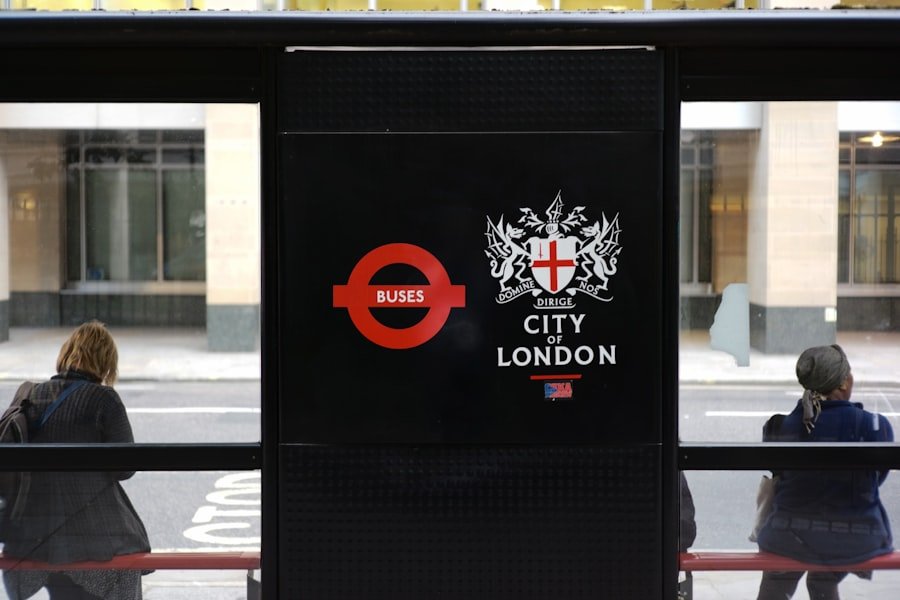
Purchasing an Oyster card or using contactless payment methods can save you money on fares while providing convenience during your travels. In addition to the Tube, buses are another excellent option for exploring London. The iconic red buses not only offer an affordable means of transport but also provide a unique vantage point for sightseeing above ground.
Routes like the number 15 bus take you past landmarks such as St. Paul’s Cathedral and Trafalgar Square. For those who prefer a more leisurely pace, walking is highly recommended in central London; many attractions are within walking distance of each other, allowing you to discover hidden gems along the way.
Where to Stay: Accommodation Options
When it comes to accommodation in London, options abound to suit various budgets and preferences. For travelers seeking luxury, areas like Mayfair or Kensington offer upscale hotels with top-notch amenities and proximity to major attractions. The Dorchester and The Ritz are two renowned establishments that provide an opulent experience complete with fine dining and exceptional service.
For those on a tighter budget, numerous hostels and budget hotels are scattered throughout the city. Areas like Shoreditch or Camden are popular among younger travelers for their vibrant atmosphere and affordability. Additionally, platforms like Airbnb offer unique lodging experiences in residential neighborhoods, allowing visitors to immerse themselves in local life while enjoying home-like comforts.
Regardless of your choice, booking accommodations in advance is advisable, especially during peak tourist seasons.
Dining in London: Recommended Restaurants and Cafes
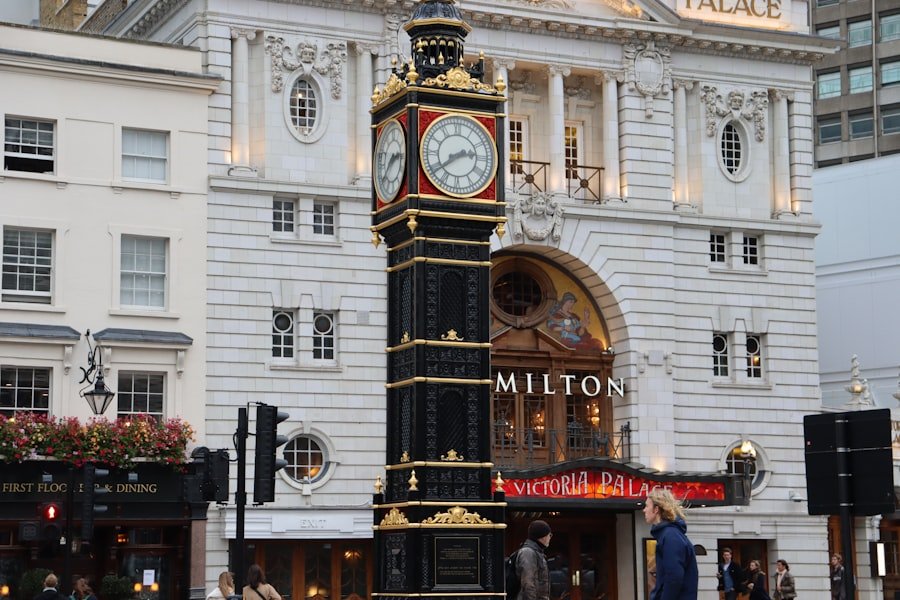
London’s culinary scene is as diverse as its population, offering an array of dining options that cater to every palate. For breakfast or brunch, head to Dishoom in Covent Garden for a taste of Bombay-inspired cuisine; their bacon naan roll is particularly popular among locals and tourists alike. Alternatively, The Breakfast Club offers classic English breakfasts in a quirky setting that captures London’s eclectic spirit.
As lunchtime approaches, consider visiting Borough Market, one of London’s oldest food markets. Here, you can sample artisanal cheeses, fresh produce, and international street food from various vendors. For dinner, restaurants like Sketch in Mayfair provide not only exquisite cuisine but also an artistic dining experience with its unique decor and ambiance.
If you’re craving traditional British fare, The Ivy serves classic dishes in an elegant setting that has attracted celebrities for decades.
Must-See Attractions: Landmarks and Monuments
No trip to London would be complete without visiting its iconic landmarks that define its skyline and history. The Houses of Parliament and Big Ben are perhaps the most recognizable symbols of London; standing on the banks of the Thames, they offer stunning views both day and night. A guided tour inside Parliament can provide fascinating insights into British politics and history.
Another must-see is the Tower of London, steeped in history as both a royal palace and prison. Here you can view the Crown Jewels and learn about the tower’s storied past through engaging exhibits and guided tours led by Yeoman Warders—often referred to as Beefeaters. Additionally, taking a stroll across Westminster Bridge provides breathtaking views of both Big Ben and the London Eye, especially at sunset when the city is bathed in golden light.
Hidden Gems: Off-the-Beaten-Path Sights
While London is famous for its well-trodden tourist paths, it also harbors numerous hidden gems waiting to be discovered by intrepid travelers. One such gem is Leadenhall Market, an ornate Victorian market tucked away in the heart of the City of London. With its stunning architecture and vibrant atmosphere, it’s an ideal spot for lunch or simply enjoying a quiet moment away from the crowds.
Another lesser-known treasure is Postman’s Park near St Paul’s Cathedral. This tranquil park features a touching memorial dedicated to heroic self-sacrifice—commemorating individuals who lost their lives while saving others. It’s a poignant reminder of humanity amidst the bustling city life and offers a peaceful retreat for reflection.
Nightlife in London: Bars, Pubs, and Entertainment
As night falls over London, the city comes alive with an array of nightlife options that cater to all tastes. Traditional pubs are an integral part of British culture; establishments like The Churchill Arms in Kensington not only serve excellent ales but also boast stunning floral displays that make them Instagram-worthy spots. For those seeking live music or entertainment, venues like Ronnie Scott’s Jazz Club in Soho offer an intimate setting where you can enjoy world-class performances.
If you’re looking for something more contemporary, areas like Shoreditch are known for their trendy bars and clubs that attract a younger crowd. Places like The Old Blue Last host live music events while serving craft cocktails in a laid-back atmosphere. For a unique experience, consider visiting one of London’s rooftop bars such as Sky Garden or Aqua Shard; these venues provide breathtaking views of the city skyline while you sip on expertly crafted drinks.
Budget-Friendly Tips: How to Save Money in London
Traveling in London doesn’t have to break the bank; there are numerous ways to enjoy this vibrant city on a budget. One effective strategy is to take advantage of free attractions such as museums and galleries; many institutions like the Tate Modern or National Gallery offer free entry to their permanent collections. Additionally, exploring parks like Hyde Park or Regent’s Park provides beautiful scenery without any cost.
Furthermore, consider purchasing an attraction pass like the London Pass which provides discounted entry to multiple sites along with skip-the-line privileges—saving both time and money during your visit.
Packing Essentials: What to Bring for a 3-Day Trip to London
When preparing for a three-day trip to London, packing wisely can enhance your experience significantly. Given London’s unpredictable weather, layering is key; lightweight clothing combined with a waterproof jacket will keep you comfortable regardless of rain or shine. Comfortable walking shoes are essential since much of your exploration will likely involve walking or using public transport.
Additionally, don’t forget travel adapters for your electronic devices; UK outlets differ from those in many other countries. A portable charger can also be invaluable for keeping your devices powered throughout long days spent exploring the city. Lastly, consider bringing a reusable water bottle; many public places offer refill stations which can help you stay hydrated while reducing plastic waste during your travels.
If you’re looking for more travel inspiration, check out this article on Tagline Today that provides a comprehensive guide to planning a trip to London in just 72 hours.
With tips on where to stay, what to see, and where to eat, this guide will help you create unforgettable memories in London.
FAQs
What are the highlights of a 72-hour itinerary in London?
Some of the highlights of a 72-hour itinerary in London include visiting iconic landmarks such as the Tower of London, Buckingham Palace, the British Museum, and the London Eye. Other highlights may include exploring the vibrant neighborhoods of Soho and Covent Garden, as well as experiencing the city’s diverse culinary scene.
What are some recommended activities for a 3-day itinerary in London?
Recommended activities for a 3-day itinerary in London may include taking a guided tour of the Tower of London, watching the Changing of the Guard ceremony at Buckingham Palace, exploring the exhibits at the British Museum, taking a ride on the London Eye, and enjoying a West End show in the evening.
How can I make the most of 72 hours in London?
To make the most of 72 hours in London, it’s important to plan your itinerary in advance and prioritize the attractions and activities that interest you the most. Consider purchasing a London Pass or an Oyster card to save time and money on transportation and admission fees. Additionally, be sure to take advantage of the city’s efficient public transportation system to maximize your time.
What are some dining options for a 3-day visit to London?
During a 3-day visit to London, visitors can enjoy a wide range of dining options, from traditional British pubs and fish and chips shops to upscale restaurants and international cuisine. Some popular dining areas in London include Covent Garden, Soho, and Borough Market, where visitors can sample a variety of food and drink options.
What are some tips for navigating London’s attractions and transportation during a 72-hour visit?
Some tips for navigating London’s attractions and transportation during a 72-hour visit include using the city’s extensive public transportation system, including the Underground (Tube) and buses, to easily access different parts of the city. It’s also helpful to purchase tickets in advance for popular attractions to avoid long lines, and to consider using a mobile app for navigation and transportation updates.