Three days in London is enough time to see several of the capital’s major landmarks, explore distinctive neighborhoods, enjoy its food scene, and still leave room for a park, market, or evening out. The key is to group nearby attractions together instead of spending your short visit crossing the city unnecessarily. This 72-hour London itinerary keeps the original highlights while making each day easier to follow and adapt.
Quick Answer
For 72 hours in London, use Day 1 to settle in and explore central neighborhoods and the Thames, Day 2 for the British Museum, Westminster and St. James’s Park, and Day 3 for shopping, Camden, Hyde Park and afternoon tea. Reserve timed attractions early and use contactless or Oyster for public transport.
Key Takeaways
- Day 1: Arrive, get your bearings, explore Covent Garden or Soho, and enjoy a Thames-side walk.
- Day 2: Focus on culture and history at the British Museum, Westminster Abbey, St. James’s Park and the Westminster area.
- Day 3: Combine shopping or markets with Hyde Park and a slower final activity such as afternoon tea.
- Transport: The Tube and buses cover most visitor routes; contactless and Oyster pay-as-you-go offer convenient fare capping.
- Plan ahead: Check current opening times and reserve high-priority ticketed attractions before filling the rest of each day.
Day 1: Arrival and Exploring Central London
Upon arriving in London, the excitement of stepping into one of the world’s most visited cities can make it tempting to pack too much into the first afternoon. After checking into your accommodation, start with an easy walk that helps you adjust to the city’s rhythm rather than immediately committing to several timed attractions.
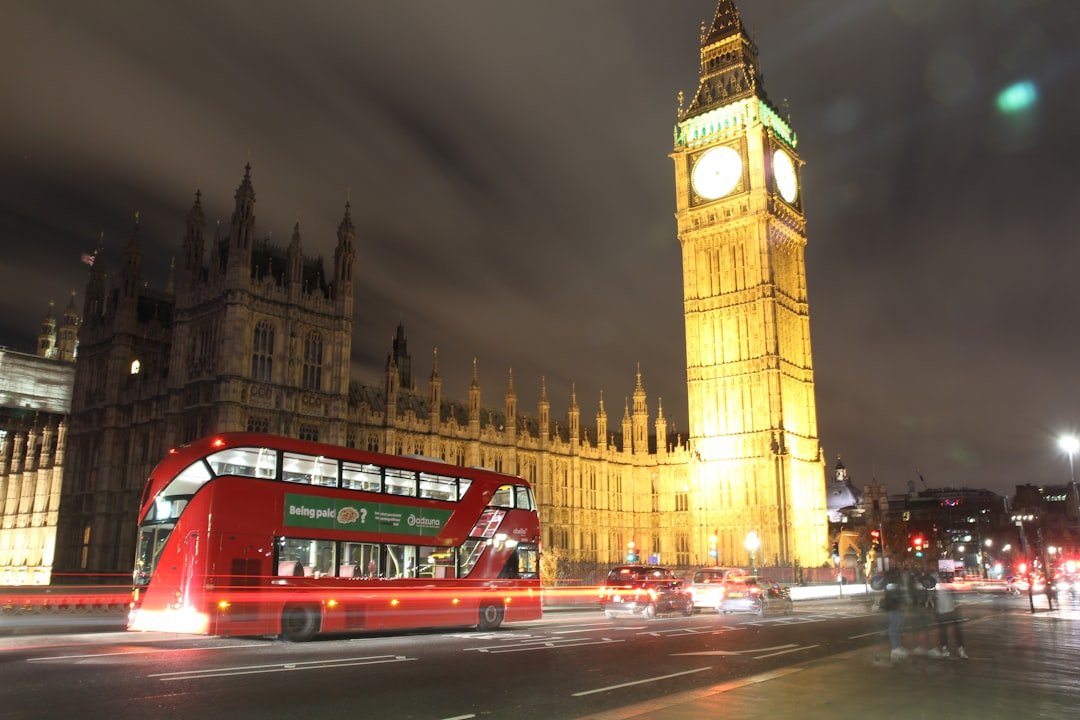
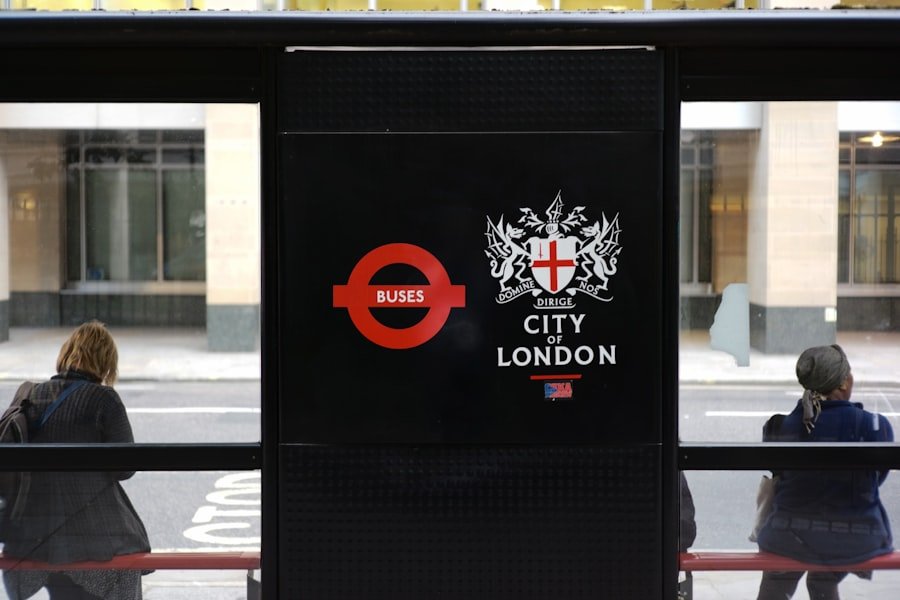
Covent Garden and Soho are convenient areas for a first wander. You will find shops, cafés, restaurants, theaters and busy pedestrian streets, while London’s red double-decker buses add to the unmistakable city atmosphere. Street performers are also common around Covent Garden’s piazza.
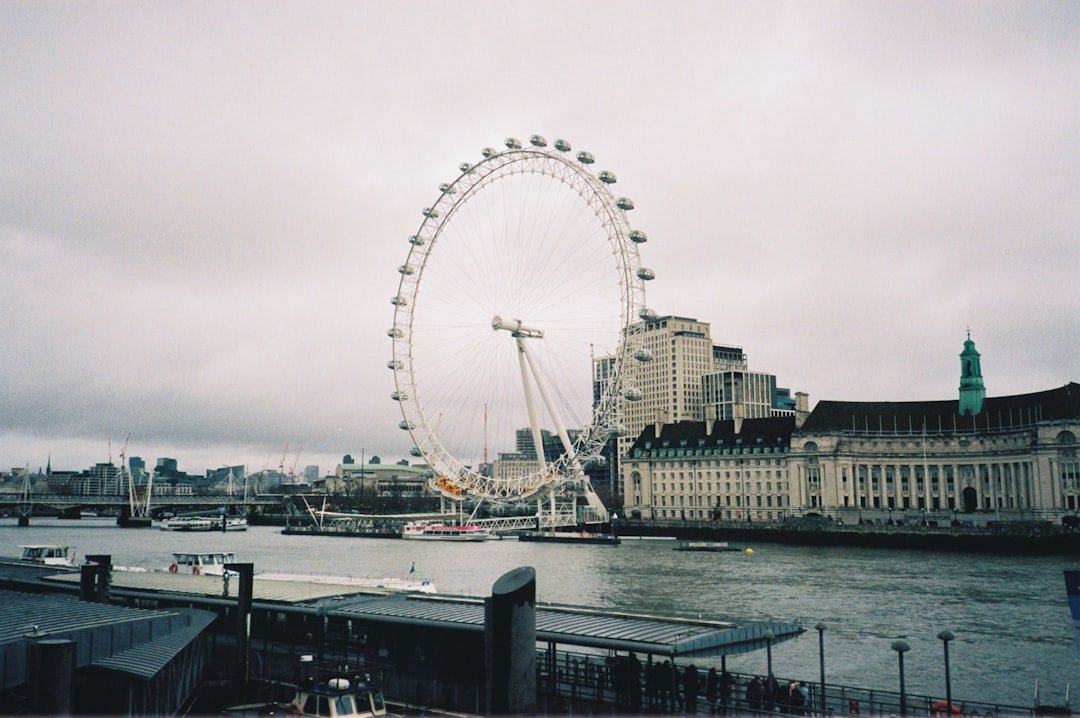
If your arrival time allows, continue toward the River Thames. A riverside walk gives you views of London’s mix of historic and modern architecture. Depending on how far you want to travel on your first day, you can see landmarks such as the Houses of Parliament and the London Eye around Westminster or head farther east toward Tower Bridge and the Tower of London.
Pro Tip: Do not force both Westminster and the Tower of London into a short arrival afternoon. Pick one part of the Thames and explore it properly; save the other area for a later day or use it as an itinerary swap.
As evening approaches, London offers everything from casual cafés and restaurants to theaters and traditional pubs. Visiting a pub can be one way to experience a long-established part of British social culture, but you do not need to drink alcohol to enjoy the setting; most pubs also serve food and non-alcoholic drinks.
Day 2: Cultural and Historical Highlights
Spend the second day focusing on London’s museums, royal history and Westminster landmarks. Start at the British Museum, which offers free general admission, although advance booking of a free timed slot is recommended. Special exhibitions may carry a separate charge.
The museum’s collections span cultures from around the world. One of its best-known objects is the Rosetta Stone, while the Parthenon Sculptures are another major collection. Because the museum is enormous, choose a few galleries rather than trying to see everything in one visit.
After the museum, make your way toward Westminster. Westminster Abbey has been England’s coronation church since 1066 and is the resting place of more than 3,000 people, including monarchs, scientists, writers and other notable figures. It remains a working church, so opening times can change for services and special events. Booking ahead is sensible during busy periods.
Guided and audio-tour options can add context to the Abbey’s architecture, memorials and role in British history. After visiting, walk through St. James’s Park for a quieter change of pace and views toward Buckingham Palace.
Note: If seeing the Changing of the Guard is important to you, check the official schedule shortly before your trip. Ceremonial schedules can vary, and arriving without checking can waste valuable time on a three-day visit.
The combination of a major museum, Westminster Abbey and St. James’s Park gives this day a mix of indoor history and outdoor sightseeing without requiring every hour to be spent inside an attraction.
Day 3: Shopping and Leisure Activities
On your final day in London, leave more flexibility for shopping, markets and leisure. Oxford Street remains one of the city’s major retail areas and includes large department stores such as Selfridges alongside many high-street brands.
For travelers seeking more independent or alternative shopping, Camden Market is another option. Its stalls and shops are known for fashion, gifts, art, food and eclectic merchandise. Oxford Street and Camden have very different atmospheres, so you can choose one or visit both if shopping is a priority.
After shopping, slow the pace at Hyde Park. The park offers large green spaces around the Serpentine and a useful break from London’s busier streets. Boating is available on the Serpentine at scheduled times and is weather-dependent. Cycling is permitted only on designated routes, so follow signs and give pedestrians priority. Current park information is available from The Royal Parks.
If you prefer something more leisurely, finish with afternoon tea. A traditional service usually includes tea, sandwiches, scones with clotted cream and jam, and small cakes or pastries. Popular venues can sell out, so booking ahead is worthwhile if afternoon tea is an important part of your trip.
Savoring scones with clotted cream and jam while enjoying tea can provide a slower finish after three busy days of sightseeing.
Book These London Experiences Before You Arrive
A 72-hour trip works better when you decide which attractions are non-negotiable before reaching London. Timed attractions, theater performances and popular tours can limit the rest of your schedule if you leave them until the last minute.
- British Museum: General admission is free, but booking a free arrival slot in advance is recommended.
- Westminster Abbey: Reserve ahead and check the day’s opening schedule because it is a working church.
- Tower of London: Allow roughly two to three hours if you want to see the Crown Jewels, White Tower and other major areas.
- West End theater: Book a specific show ahead if it is central to your trip; same-day options can also exist but availability varies.
- Afternoon tea or high-demand restaurants: Make reservations if a particular venue matters to you.
Warning: London attractions can change opening hours, close rooms or alter visitor routes for events, maintenance and ceremonies. Recheck official websites shortly before the day you plan to visit.
Getting Around London: Transportation Tips
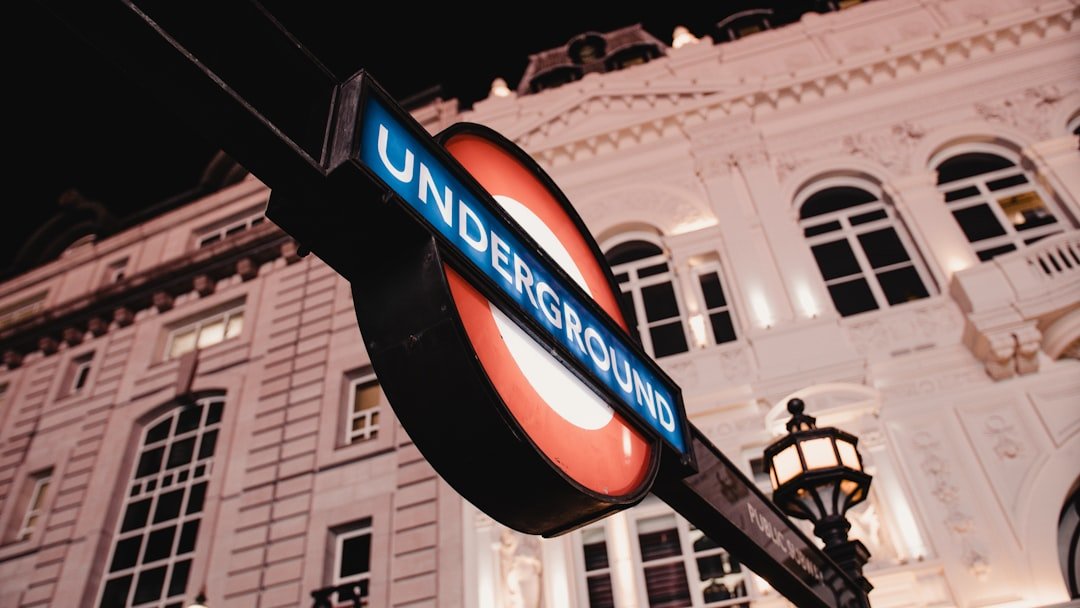
London is large, but its public transport network makes most central attractions straightforward to reach. According to Transport for London, the London Underground, commonly called the Tube, has 11 lines covering 402 kilometers and serving 272 stations.
For most short-stay visitors, pay-as-you-go travel using the same contactless card or device for each journey is simple. Oyster cards are another option. TfL pay-as-you-go fares are generally cheaper than paper single tickets and include daily and, where applicable, weekly capping.
Always use the same contactless card or device to touch in and out. Mixing a physical bank card with the same card stored on a phone or watch can cause the system to treat them as separate payment methods. On buses and trams, you normally touch in only.
London buses are also useful for sightseeing above ground. Routes can change because of roadworks and diversions. Route 15 is one example associated with central London sightseeing, but check the current TfL journey planner rather than building an itinerary around an old route description.
Walking is often the fastest and most enjoyable option between nearby central attractions. Westminster Abbey, Parliament, St. James’s Park and Buckingham Palace, for example, fit naturally into the same broader sightseeing area.
Where to Stay: Accommodation Options
London has accommodation across a wide range of budgets. Travelers looking for luxury often consider Mayfair or Kensington because of their hotels, restaurants and access to central attractions. The Dorchester and The Ritz are two well-known luxury options.
Budget hotels and hostels are available throughout the city. Shoreditch and Camden appeal to travelers who prefer busy nightlife, markets and a younger atmosphere, although the best area ultimately depends on which attractions you plan to prioritize.
Apartment-rental platforms such as Airbnb can provide another option, particularly for travelers who want a kitchen or more residential setting. Check the exact location, transport links, recent reviews and cancellation terms rather than choosing accommodation based only on the neighborhood name.
For a three-day trip, location often matters more than saving a small amount on a room far from the places you plan to visit. Booking ahead is especially useful during major events, school holidays and other busy travel periods.
Dining in London: Recommended Restaurants and Cafes
London’s food scene ranges from traditional British dishes to cuisines shaped by communities from around the world. For breakfast or brunch, Dishoom in Covent Garden offers Bombay-inspired food, including its well-known naan-roll breakfast options. The Breakfast Club is another choice for pancakes, eggs and other breakfast classics.
For lunch, Borough Market is convenient if you are sightseeing around London Bridge or the South Bank. The historic market has more than 100 stalls, shops, restaurants and bars selling produce, prepared food and international dishes. Check its current trading days before building the market into your itinerary.
For a more elaborate dinner, sketch in Mayfair combines food with distinctive art and interior design. The Ivy is another long-established central London restaurant offering a broad menu in an elegant setting.
Do not feel that you need to visit every famous restaurant in a three-day trip. A better approach is to choose food stops near the attractions already on your route so meals do not create unnecessary journeys across the city.
Must-See Attractions: Landmarks and Monuments
No first visit to London feels complete without seeing at least a few of its best-known landmarks. The Palace of Westminster and Elizabeth Tower, which contains the bell known as Big Ben, dominate the Westminster riverside. Visitors interested in politics and architecture can book tours of Parliament when available.
The Tower of London is another major historic attraction. It has served multiple purposes over the centuries, including fortress, royal residence and prison. Today, visitors can see the Crown Jewels and explore major parts of the complex.
The official Tower of London visitor information recommends checking current opening times and route closures. Admission normally includes the Crown Jewels and Yeoman Warder tours, subject to availability.
Allow roughly two to three hours for the Tower of London if it is one of your priority attractions rather than treating it as a quick photo stop.
Westminster Bridge gives you a classic view of the Palace of Westminster and nearby London Eye. Evening light can make the riverside particularly atmospheric, but sunset timing varies considerably by season.
Hidden Gems: Off-the-Beaten-Path Sights
London’s major attractions can fill three days on their own, but smaller sights can add variety when they fit naturally into your route.
Leadenhall Market is an ornate covered market in the City of London and can be paired with other sights in the eastern part of central London. Its architecture makes it worthwhile even if you are only passing through for a short stop.
Another quieter option is Postman’s Park near St. Paul’s Cathedral. The park contains the Memorial to Heroic Self-Sacrifice, which commemorates people who died while trying to save others. It provides a peaceful contrast to the surrounding City streets.
Pro Tip: Treat hidden gems as route additions rather than separate cross-city journeys. In a 72-hour itinerary, a small attraction is most valuable when it sits close to something you already planned to visit.
Nightlife in London: Bars, Pubs, and Entertainment
London’s nightlife ranges from historic pubs to live music, theater, cocktail bars and late-night venues. The Churchill Arms in Kensington is known for its elaborate floral displays, pub interior and food service.
For live jazz, Ronnie Scott’s in Soho has been operating since 1959 and continues to host scheduled performances. Booking ahead is wise for a specific artist or popular evening.
Shoreditch provides a different atmosphere, with bars and music venues including The Old Blue Last, which continues to host live music and late-night events.
For skyline views, Sky Garden has bars and viewing areas, while Aqua Shard has a restaurant and bar on Level 31 of The Shard. They are different experiences rather than interchangeable “rooftop bars,” and booking or entry requirements vary.
If nightlife is a major part of your trip, pair it with the same neighborhood you are exploring that evening. Soho works naturally after Covent Garden or a West End show, while Shoreditch is easier to combine with an east London day.
Budget-Friendly Tips: How to Save Money in London
London can be expensive, but several major attractions cost nothing for general admission. The British Museum is free to enter, and the National Gallery also offers free general admission, although special exhibitions at major museums and galleries may require tickets.
Parks such as Hyde Park, Regent’s Park and St. James’s Park are another way to spend time in the city without an admission charge.
Dining can also be easier on the budget when you mix restaurant meals with markets, cafés and quick-service food instead of booking a formal restaurant for every meal. Borough Market and Brick Lane are two areas where travelers can compare multiple food options in one place.
Transport costs are easier to control by using Oyster or contactless pay-as-you-go instead of repeatedly purchasing paper single tickets. Daily fare capping can also limit what you pay for eligible travel.
The London Pass currently includes access to many attractions, but it is not automatically the cheapest choice for every three-day itinerary. Some included attractions require reservations, and a pass should not be treated as universal skip-the-line access. Before buying, compare the pass price with the individual admission prices of the attractions you will realistically visit.
Packing Essentials: What to Bring for a 3-Day Trip to London
For a three-day London trip, pack for walking and changing weather rather than trying to cover every possible condition. Comfortable walking shoes are especially important because even travelers who use the Tube extensively often spend hours on foot.
Layers and a compact waterproof jacket are useful because conditions can change during a day. Check the forecast shortly before departure so you can adjust what you bring instead of relying on a generic seasonal packing list.
Visitors from countries that use different electrical outlets should bring the appropriate UK adapter. UK wall sockets use three-pin plugs and supply around 230V. Check whether your electronics support that voltage before connecting them. Visit London’s electricity guidance provides current visitor information.
A portable charger can be useful during long sightseeing days, particularly when you are using your phone for navigation, tickets and contactless payments. A reusable water bottle is also practical; refill it where suitable drinking-water facilities are available.
How to Make This 72-Hour London Itinerary Work for You
The itinerary does not need to be followed minute by minute. Start by choosing the two or three ticketed experiences you care about most, reserve those, and arrange nearby free attractions around them.
If museums matter more than shopping, replace part of Day 3 with another gallery. If markets and food are your priority, spend more time around Camden, Borough Market or another neighborhood that interests you. Travelers focused on royal history can give Westminster and the Tower of London more time, while theater fans may want to keep an evening free for a West End show.
The most important rule is to avoid unnecessary backtracking. London has an enormous number of attractions, and trying to see all of them in 72 hours usually means seeing less of each one.
If you’re looking for more travel inspiration, use this guide as a framework for planning a London trip in just 72 hours. It combines suggestions on where to stay, what to see, how to get around and where to eat so you can adjust the trip around your own priorities.
A successful three-day London visit is not about checking off the largest possible number of landmarks. It is about choosing a few priorities, grouping nearby sights together and leaving enough flexibility to enjoy the city between reservations.
Frequently Asked Questions
What are the highlights of a 72-hour itinerary in London?
For a first visit, major highlights can include the Tower of London, Westminster, Buckingham Palace, the British Museum, a Thames walk and neighborhoods such as Soho and Covent Garden. Rather than visiting every attraction, group nearby sights into one area each day.
What are some recommended activities for a 3-day itinerary in London?
Good options include exploring the Tower of London, visiting the British Museum, touring Westminster Abbey, walking through St. James’s Park, seeing the Westminster riverside, shopping or visiting a market, spending time in Hyde Park and seeing a West End show.
How can I make the most of 72 hours in London?
Choose your highest-priority ticketed attractions first, reserve them, and then add nearby free sights. Avoid crossing London repeatedly during the same day. Use the Tube, buses and walking together, and leave some unplanned time for meals, queues and discoveries along the way.
What are some dining options for a 3-day visit to London?
London offers traditional pubs, markets, cafés, Indian food, international cuisines, afternoon tea and high-end restaurants. Covent Garden, Soho and Borough Market are useful food areas because they can be combined with nearby sightseeing rather than requiring a separate journey.
What are some tips for navigating London’s attractions and transportation during a 72-hour visit?
Use contactless or Oyster pay-as-you-go for most public transport, use the same card or device throughout a journey, and walk between nearby central sights. Check TfL for service changes and reserve popular attractions in advance where timed entry is offered or required.
Is three days enough for a first trip to London?
Three days is enough for a strong introduction to London, but not enough to see everything. A realistic itinerary can cover several major landmarks, one or two museums, a market or shopping district, a park and an evening activity without making every day feel rushed.
Do I need to book London attractions in advance?
Advance booking is recommended for attractions that matter most to you, especially during busy travel periods. The British Museum recommends advance free booking, Westminster Abbey encourages advance ticketing, and many paid attractions use timed reservations. Always check the official attraction website shortly before visiting.
Sources
- Transport for London — Visiting London — public transport, visitor travel and payment guidance.
- British Museum — Plan Your Visit — admission, opening and advance-booking information.
- Westminster Abbey — Plan Your Visit — tickets, visiting hours and working-church information.
- Historic Royal Palaces — Tower of London — current visitor information, tickets and closures.
- National Gallery — Plan Your Visit — free general admission and visitor information.
- Visit London — Three Days in London — current official visitor-guide itinerary and trip-planning context.