

London, a bustling metropolis steeped in history and culture, is one of the most visited cities in the world. Its extensive public transport system is a vital component of urban life, facilitating the movement of millions of residents and tourists alike. At the heart of this system lies the London Travelcard, a ticketing option that allows for seamless travel across the city’s vast network of transport services.
The Travelcard is particularly notable for its zonal structure, which divides London into specific areas, making it easier for travelers to navigate the city. Understanding the intricacies of these zones is essential for anyone looking to explore London efficiently and economically. The Travelcard system is designed to cater to a diverse range of travel needs, from daily commuters to occasional visitors.
By breaking down the city into manageable zones, it simplifies fare calculations and provides clarity on travel routes. This article delves into the specifics of London Travelcard Zones, exploring their structure, coverage, and practical usage. Whether you are planning a short visit or a longer stay, grasping the concept of Travelcard Zones will enhance your experience in this vibrant city.
Key Takeaways
- London Travelcard Zones are a key part of the city’s public transportation system, allowing for easy and convenient travel within the city.
- London Travelcard Zones are designated areas within London that determine the cost of travel on public transportation, including the Underground, Overground, and buses.
- There are a total of 9 London Travelcard Zones, with Zone 1 being the most central and Zones 6-9 covering the outer areas of the city.
- Each London Travelcard Zone covers specific areas of the city, with Zone 1 covering central London and Zones 6-9 covering the outer suburbs.
- Travelers can use a London Travelcard to access unlimited travel within their designated zones, making it a convenient and cost-effective option for exploring the city.
What are London Travelcard Zones?
London Travelcard Zones are geographical divisions that categorize the city into distinct areas for fare purposes within the public transport network. The zones are numbered from 1 to 9, with Zone 1 being the central area of London, where many of the city’s iconic landmarks are located. As one moves outward from Zone 1, the zones encompass various suburbs and regions, each with its own unique character and attractions.
This zonal system is integral to the pricing structure of travel within London, as fares are determined based on the zones traveled through. The primary purpose of these zones is to simplify the fare structure for users of London’s public transport system, which includes the Underground (Tube), buses, and National Rail services. By categorizing travel into zones, passengers can easily understand how much they will need to pay based on their starting point and destination.
This system not only aids in fare calculation but also helps in planning journeys more effectively, as travelers can quickly identify which zones they will traverse during their trips.
How many London Travelcard Zones are there?
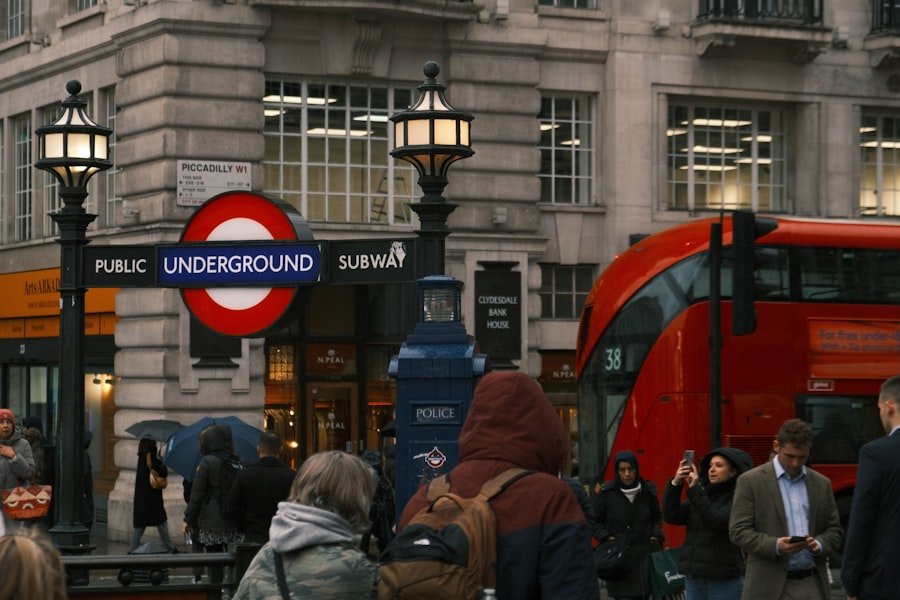
The London Travelcard system comprises nine distinct zones, numbered from 1 to 9. Zone 1 represents the heart of London, encompassing key areas such as Westminster, Covent Garden, and the City of London. As one moves outward, Zone 2 includes neighborhoods like Notting Hill and Camden Town, while Zone 3 extends further into areas such as Greenwich and Clapham.
Zones 4 through 6 cover even more suburban regions, including places like Croydon and Ealing. Zones 7 through 9 reach into the outer fringes of Greater London, incorporating areas such as Watford and Dartford. The division into these nine zones allows for a structured approach to fare pricing and travel planning.
Each zone has its own unique characteristics and attractions, making it essential for travelers to understand where they are going in relation to these zones. For instance, a visitor planning to explore the British Museum in Zone 1 will need to consider how far they are willing to travel if they wish to visit attractions in outer zones like Kew Gardens in Zone 3 or Chessington World of Adventures in Zone 5.
What areas are covered by each London Travelcard Zone?
Zone 1 is often referred to as the core of London, housing many of the city’s most famous landmarks such as Buckingham Palace, the Houses of Parliament, and the Tower of London. It is a hub for tourists and locals alike, with an extensive network of Tube stations that connect to various parts of the city. Zone 2 surrounds Zone 1 and includes vibrant neighborhoods like Shoreditch and Islington, known for their eclectic mix of shops, restaurants, and nightlife.
As we move into Zone 3, we encounter areas that offer a blend of urban living and green spaces. Places like Greenwich, famous for its maritime history and the Royal Observatory, fall within this zone. Zone 4 includes suburban areas such as Wimbledon and Harrow, which provide a more residential feel while still being well-connected to central London.
Zones 5 through 9 encompass even more suburban locales; for example, Zone 5 includes Croydon, known for its shopping centers and cultural venues, while Zone 6 covers areas like Barking and Bexleyheath. Zones 7 through 9 extend into Greater London’s outer reaches. Zone 7 includes places like Elstree and Borehamwood, while Zone 8 covers regions such as Epping Forest and parts of Essex.
Finally, Zone 9 includes areas like Watford and Dartford, which are further removed from central London but still accessible via public transport. Each zone offers its own unique attractions and experiences, making it worthwhile for travelers to venture beyond the central areas.
How to use a London Travelcard to travel within zones
Using a London Travelcard is straightforward and user-friendly. Once you have purchased your Travelcard—whether it be a paper ticket or an electronic version on an Oyster card—you can begin your journey by simply tapping your card at the designated entry points at Tube stations or boarding buses. The system automatically calculates your fare based on the zones you travel through during your journey.
For instance, if you start in Zone 1 and travel to Zone 3, your fare will reflect that specific journey. Travelcards can be purchased for different durations: a single day or for longer periods such as weekly or monthly passes. A day Travelcard allows unlimited travel within the selected zones for one day, making it ideal for tourists who plan to explore multiple attractions in a single outing.
For those who commute regularly or stay longer in London, a weekly or monthly Travelcard can offer significant savings compared to purchasing individual tickets for each journey.
How to travel between different London Travelcard Zones
Traveling between different London Travelcard Zones is seamless thanks to the integrated public transport system. When planning a journey that crosses multiple zones, it is essential to be aware of your starting point and destination zones. For example, if you are traveling from Zone 1 to Zone 4, you can take advantage of various transport options such as the Tube or National Rail services that connect these zones directly.
The Tube network is particularly efficient for zone-to-zone travel; trains frequently run between central locations and outer zones. For instance, taking the Central Line from Oxford Circus in Zone 1 directly to Ealing Broadway in Zone 3 allows you to traverse multiple zones without needing to change trains frequently. Additionally, National Rail services provide connections between outer zones that may not be directly accessible via the Tube network.
When traveling between different zones, it is also important to consider peak hours when planning your journey. During peak times—typically weekdays from 6:30 AM to 9:30 AM and from 4 PM to 7 PM—trains may be busier than usual. However, with a Travelcard in hand, you can enjoy unlimited travel within your chosen zones regardless of time constraints.
Benefits of using a London Travelcard
The advantages of using a London Travelcard extend beyond mere convenience; they encompass financial savings and flexibility as well. One of the most significant benefits is the ability to travel unlimitedly within selected zones for a fixed price. This feature is particularly advantageous for tourists who plan on visiting multiple attractions throughout the day without worrying about accumulating individual fares.
Moreover, Travelcards can be used across various modes of transport including buses, trams, and even some riverboat services along the Thames. This versatility allows travelers to explore different parts of London without needing separate tickets for each mode of transport. Additionally, holders of a Travelcard can benefit from discounts at certain attractions or restaurants throughout the city—an added incentive for those looking to maximize their experience while minimizing costs.
Another notable benefit is that Travelcards can be easily reloaded or renewed at any ticket machine or online platform associated with Transport for London (TfL). This ease of access ensures that travelers can maintain their mobility without interruption during their stay in London.
How to purchase a London Travelcard
Purchasing a London Travelcard is a straightforward process that can be completed through various channels. Travelers can buy their Travelcards at any Tube station or railway station within Greater London from ticket machines or ticket counters. These machines accept both cash and card payments, making it convenient for users regardless of their preferred payment method.
For those who prefer digital solutions, purchasing a Travelcard online through the Transport for London (TfL) website is also an option. This method allows users to select their desired zones and duration before paying online and receiving their Travelcard via mail or opting for collection at designated locations upon arrival in London. Additionally, visitors can consider using an Oyster card—a smart card that can hold a Travelcard option along with pay-as-you-go credit—providing even more flexibility in managing travel expenses.
Oyster cards can be purchased at airports or train stations upon arrival in London and can be topped up as needed throughout your stay.
Tips for saving money with a London Travelcard
To maximize savings while using a London Travelcard, travelers should consider several strategies that can significantly reduce transportation costs during their visit. One effective approach is to plan journeys during off-peak hours whenever possible; fares are generally lower during these times compared to peak hours when demand is high. Another tip involves purchasing a Travelcard that covers only the necessary zones for your planned activities rather than opting for an all-zones pass unless absolutely required.
By carefully mapping out your itinerary ahead of time and selecting only those zones you will actually travel through, you can avoid unnecessary expenses. Additionally, travelers should take advantage of any available discounts or promotions associated with their Travelcards. Many attractions offer reduced entry fees for those holding a valid Travelcard; thus combining sightseeing with transportation savings can lead to significant overall cost reductions.
Lastly, consider using contactless payment methods such as debit or credit cards that are compatible with TfL’s systems; this option often provides similar fare benefits as an Oyster card without requiring upfront purchase costs.
Understanding peak and off-peak travel with a London Travelcard
Understanding peak and off-peak travel times is crucial for anyone utilizing a London Travelcard effectively. Peak hours typically occur during weekday mornings from around 6:30 AM until 9:30 AM and again from approximately 4 PM until 7 PM when commuters flood into central London from surrounding areas. During these times, fares are higher due to increased demand on public transport services.
Conversely, off-peak hours offer lower fares and less crowded conditions on trains and buses. Off-peak times generally include weekends and public holidays as well as weekday periods outside peak commuting hours—making them ideal for tourists looking to explore without facing long queues or packed trains. Travelers should also note that some services may have specific restrictions regarding peak travel times; therefore checking TfL’s guidelines before embarking on journeys can help avoid unexpected costs or delays.
Other transportation options within London beyond the Travelcard Zones
While the London Travelcard provides an excellent means of navigating the city’s extensive public transport network, there are several other transportation options available that complement this system effectively. Buses are one such alternative; they cover nearly every corner of Greater London and often provide scenic routes through neighborhoods not directly served by the Tube. Cycling has also gained popularity in recent years due to initiatives promoting bike-sharing schemes like Santander Cycles (commonly known as “Boris Bikes”).
These bikes can be rented at various docking stations throughout the city for short trips—an eco-friendly option that allows travelers to explore at their own pace while enjoying fresh air. For those seeking a more leisurely experience along the Thames River, riverboat services offer unique views of iconic landmarks from the water while providing an alternative means of transport between key locations such as Greenwich and Westminster. Finally, taxis—both traditional black cabs and ride-hailing services like Uber—are readily available throughout London for those who prefer door-to-door service without navigating public transport systems directly.
In summary, understanding how to navigate London’s complex transport landscape through its zonal system enhances both efficiency and enjoyment during any visit to this vibrant city.
If you’re looking to explore the delightful world of Asian melon after navigating the London Travelcard Zones, check out this article for some inspiration. From delicious homemade cottage cheese recipes to the latest news on rock legend Ozzy Osbourne, Tagline Today has a variety of articles to keep you entertained and informed.
FAQs
What are London Travelcard zones?
London Travelcard zones are the different areas within London that are used to determine the cost of travel on public transportation, such as the London Underground, Overground, and buses.
How many London Travelcard zones are there?
There are a total of 9 London Travelcard zones, labeled from zone 1 to zone 9, with zone 1 being the central area of London and zone 9 being the outermost area.
What areas are covered by each London Travelcard zone?
Each London Travelcard zone covers a specific geographical area within London, with zone 1 covering the central area including popular tourist attractions, and the higher numbered zones covering the outer suburbs and surrounding areas.
How do London Travelcard zones affect transportation fares?
The cost of transportation within London is determined by the number of zones traveled through. The more zones traveled, the higher the fare. Travelcards can be purchased for specific zones or for all zones, depending on the individual’s travel needs.
Can I use a London Travelcard to travel outside of the designated zones?
London Travelcards are only valid for travel within the designated zones. If traveling outside of these zones, additional tickets or a different type of travel pass may be required.
Are there any discounts available for using London Travelcards?
There are various discounts available for using London Travelcards, including discounts for children, seniors, and individuals with disabilities. Additionally, there are off-peak and group travel discounts available.