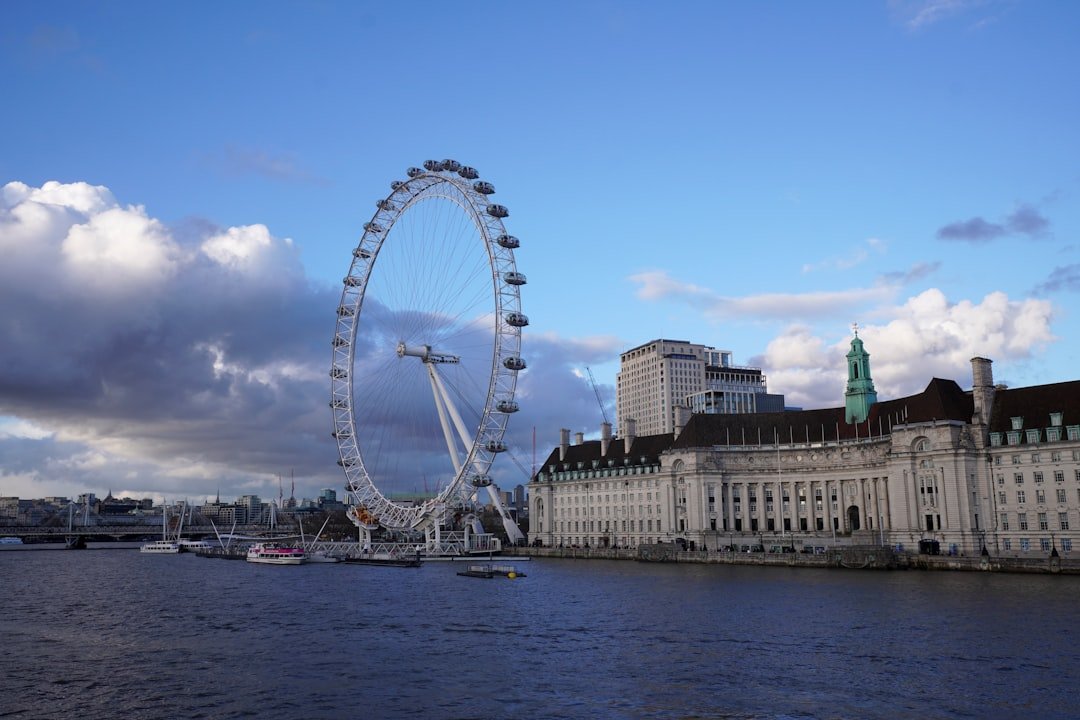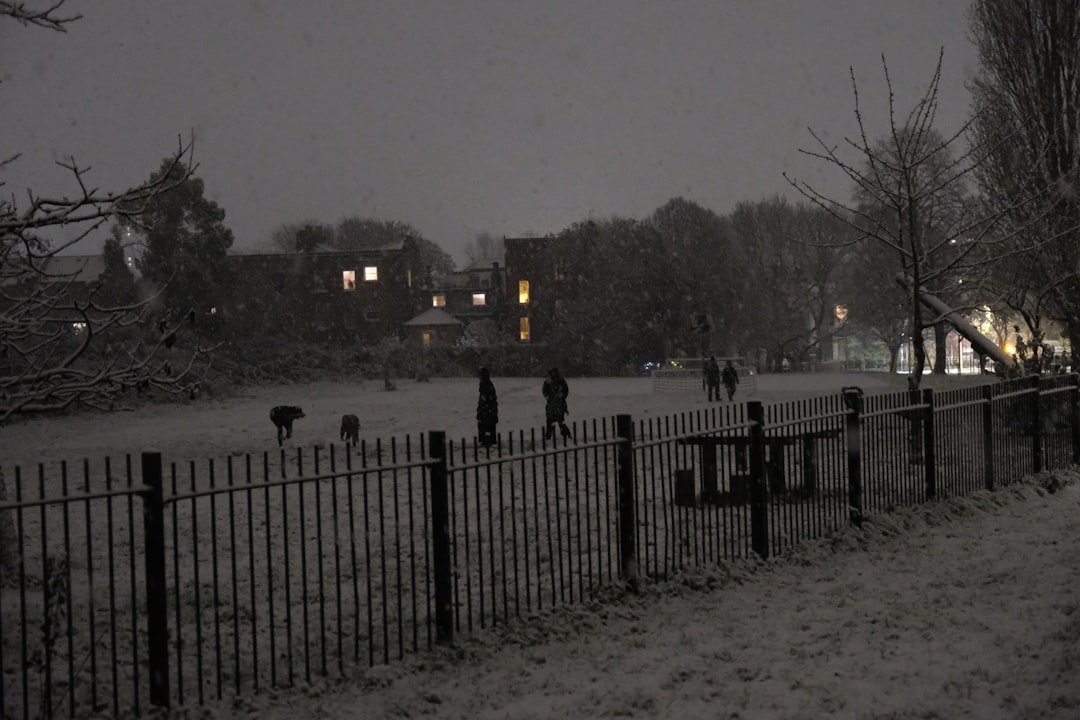
February in London is a mix of late winter and early spring. Some days are crisp and bright; others are grey, damp, and breezy. The upside is fewer crowds than peak season and a cosy, local vibe in pubs, cafés, and museums.
The key is to plan for changeable conditions. Check a reliable forecast each morning, dress in layers, and keep rain protection within reach.
Key takeaways
- Typical February temperatures in London sit around 1–8 °C (overnight lows near 1–2 °C and daytime highs around 7–8 °C), based on 1991–2020 long-term averages at Heathrow. [1]
- Expect showery weather rather than all-day rain. Long-term February rainfall at Heathrow averages about 35 mm, with roughly 8 days at or above 1 mm. [1]
- Daylight grows quickly: on 1 February 2026, London has about 9 h 11 m of daylight (~07:37–16:48). By 28 February 2026, it’s around 10 h 41 m (~06:59–17:40). [2]
- February is famously variable. London has seen disruptive snow (early February 2009) and out-of-season warmth (21.2 °C at Kew on 26 February 2019). England and Wales also recorded their warmest February on record in 2024 (Met Office provisional statistics). [3][4][5]
- Pack for wind and wet: warm layers, a waterproof outer layer, and grippy, water-resistant shoes. [1]
Average temperature in London in February
Chilly mornings and evenings
Early starts and late evenings are often the coldest part of the day. A warm base layer, scarf, and gloves can make walking and waiting outdoors far more comfortable.
Changeable weather
Temperatures can swing a few degrees, especially when the sun breaks through or a cold snap arrives. A bright morning can turn into a chilly, damp afternoon, so dress in layers you can add or remove.
Dressing for the weather
Layering works best: a thermal or long-sleeve base, a jumper or fleece, and a waterproof shell. If you run cold, add a thin insulated jacket that packs down easily.
Typical rainfall in London in February
February often brings light rain or drizzle with occasional heavier bursts. It doesn’t usually rain nonstop, but you’ll want a compact umbrella or a hooded waterproof jacket for walking days. [1]
Daylight hours in London in February
Daylight increases steadily through the month. In 2026, London goes from about 07:37–16:48 on 1 February (≈9 h 11 m) to roughly 06:59–17:40 by 28 February (≈10 h 41 m). The longer afternoons are a big help for sightseeing, though evenings stay brisk. [2]
Historical weather patterns in London in February
London’s February weather can be dramatic. Early February 2009 brought heavy snowfall and widespread disruption across London and the South East, including major travel impacts. [3]
At the other end of the scale, 26 February 2019 reached 21.2 °C at Kew Gardens. [4] The Met Office later reported that February 2024 was the warmest February on record for England and Wales (provisional statistics). [5] These swings are why it’s smart to pack for a range of conditions.
Clothing and accessories to pack for London in February
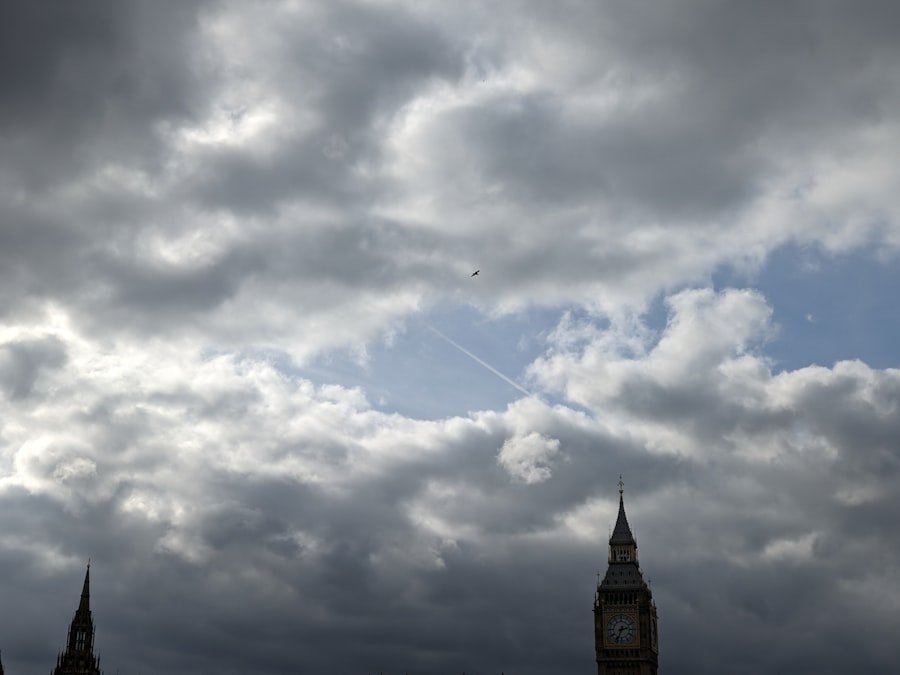
Think warmth and versatility. Pack thermal tops, jumpers, and a light-to-midweight waterproof jacket. Accessories such as scarves, gloves, and hats add comfort on windy days. Footwear matters: choose comfortable, water-resistant walking shoes or boots with good traction for slick pavements and park paths. [1]
Products Worth Considering
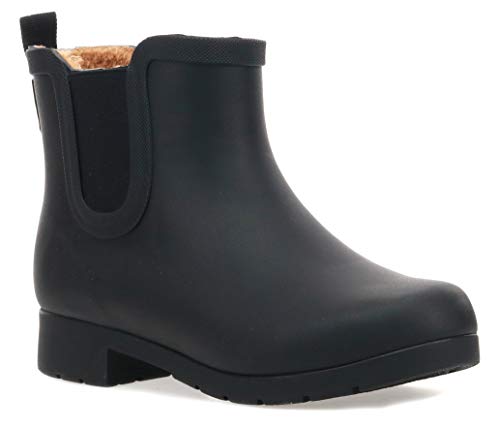
Slim Chelsea Fit: Sleek ankle-boot silhouette; Runs small, recommend sizing up

WATERPROOF: Stay dry in any weather with these waterproof seam-sealed membrane bootie construction. Designed to keep your feet protected from rain and snow

Waterproof material: Men's snow boots feature waterproof construction and windproof synthetic toe caps for anti-collision.
Outdoor activities and events in London in February
Cooler weather doesn’t stop London from feeling lively. A standout most years is Lunar (Chinese) New Year, with celebrations in and around Chinatown and the West End. Dates vary by year; for example, Lunar New Year falls on 17 February 2026, and major public events are often scheduled on the surrounding weekend. [8]
London’s parks and gardens are calmer in winter. You may spot early bulbs such as snowdrops and crocuses, and Kew Gardens offers winter highlights plus warm glasshouses. [9]
Indoor activities and attractions in London in February
If you’d rather stay cosy, London’s museums are ideal winter refuges. The British Museum and the Natural History Museum are free to enter for their permanent collections (special exhibitions may be ticketed). [6][7] The West End theatre district is also in full swing.
Catching a show is an excellent way to spend an evening while staying warm indoors.
Many galleries run special exhibitions in February, so you can enjoy art without long stretches outside.
Tips for navigating London in February weather
- Check forecasts daily and plan flexible itineraries around drier windows.
- Layer smartly and carry rain protection; wind can make it feel colder than the thermometer suggests. [1]
- Use public transport to minimise time outdoors between stops. Contactless cards and Oyster are widely used on Transport for London (TfL) services; see TfL visitor payment options. [10]
Products Worth Considering

Waterproof & Windproof for Ultimate Protection – This rain jacket men is made of high-quality waterproof fabric, effectively blocking rain while offering excellent wind resistance to keep you dry and comfortable outdoors.

Enhanced Waterproof: Outdoor Ventures Womens raincoat features high density polyester fabric with 100% fully sealed and TPU membrane, with 10000mm H2O in waterproof level. All zippers outside are 100% fully sealed, prevents water droplets from soaking through the inside garment's surface, keeping you completely dry.

Waterproof & Windproof: APEXUP rain jacket for men features a 5000–8000mm waterproof coating, hot-pressed sealed seams, and waterproof zippers to help keep you dry and provide reliable protection in rainy and windy conditions
Local perspectives on London in February
Locals tend to treat February as a month for layers and flexibility: brisk walks when the skies clear, then warming up in cafés or pubs. With daylight stretching a little further each week, it can feel like London is quietly gearing up for spring.
Making the most of London weather in February
February may not be peak season, but it rewards prepared travellers. With smart layering and flexible planning, you can balance wintry walks with world-class indoor culture—often with shorter queues.
For deeper climate context, consult the Met Office long-term averages for Heathrow (Greater London). [1]
FAQs
What is the average temperature in London in February?
Long-term averages show February lows around 1–2 °C and highs around 7–8 °C, though individual days can be milder or much colder. [1]
How much does it rain in London in February?
Showers and drizzle are common. Long-term averages at Heathrow are around 35 mm for the month, but totals vary by year and location. [1]
How many hours of daylight are there in London in February?
In 2026, London has about 9 h 11 m of daylight on 1 February and about 10 h 41 m by 28 February. Day length shifts by a few minutes year to year. [2]
References
- Met Office. Heathrow (Greater London) location-specific long-term averages (1991–2020).
- timeanddate. Sunrise and sunset times for London (February 2026 month view).
- Met Office. Early February 2009 snowfalls (PDF).
- Met Office. Weather overview 2019 (notes 21.2 °C at Kew Gardens on 26 February 2019).
- Met Office. Warmest February on record for England and Wales (provisional statistics; 1 March 2024).
- British Museum. Visit information (free tickets for the permanent collection).
- Natural History Museum. Visit information (general entry free; booking recommended at busy times).
- Visit London. Chinese New Year / Lunar New Year in London (dates and programme vary year to year).
- Royal Botanic Gardens, Kew. Winter highlights and winter garden information.
- Transport for London. Best ways for visitors to pay (contactless/Oyster guidance).