Swiss watchmaking is built on centuries of technical skill, specialized training, and a culture of precision, but a modern watchmaking workshop lets visitors see that craft at bench level. In Switzerland, a hands-on session may introduce the parts of a mechanical movement, basic assembly techniques, regulation, and finishing while placing the experience in the wider history of Geneva and the Jura Arc.
Quick Answer
A watchmaking workshop in Switzerland is a guided, hands-on introduction to mechanical horology. Depending on the course, you may identify movement parts, use watchmaker tools, practice assembly, or build a personalized watch. Beginner sessions need no prior experience, while professional watchmaking training is a separate, much longer path.
Key Takeaways
- The Federation of the Swiss Watch Industry traces the Swiss watch and clock industry in Geneva to the middle of the 16th century, with Geneva’s Watchmakers Guild established in 1601.
- Mechanical watchmaking combines engineering, precision assembly, regulation, finishing, and design rather than being purely decorative craft.
- COSC chronometer certification applies to watches or movements submitted for independent testing; it is not a certification carried by every Swiss watch.
- A visitor workshop is different from a factory tour and very different from professional watchmaker training.
- For a public workshop, check the live provider page for duration, language, age rules, inclusions, price, and whether you keep the watch you assemble.
History of Swiss Watchmaking
The Federation of the Swiss Watch Industry dates the emergence of the Swiss watch and clock industry in Geneva to the middle of the 16th century. Its historical account links the growth of watchmaking to the Reformation-era restrictions on ornamental objects in Geneva, which encouraged goldsmiths and jewellers to redirect their skills. By the end of the century, Geneva had developed a strong reputation for the craft, and the Watchmakers Guild of Geneva was established in 1601.
Important advances in portable timekeeping did not come from Switzerland alone. The balance spring belongs to the 17th-century development of watches: Christiaan Huygens applied a spiral balance spring to a watch in 1675, while Robert Hooke also claimed earlier work on the idea. In the 18th century, English watchmaker Thomas Mudge developed an early detached lever escapement. Swiss watchmakers later became major developers, refiners, producers, and exporters of high-quality mechanical watches.
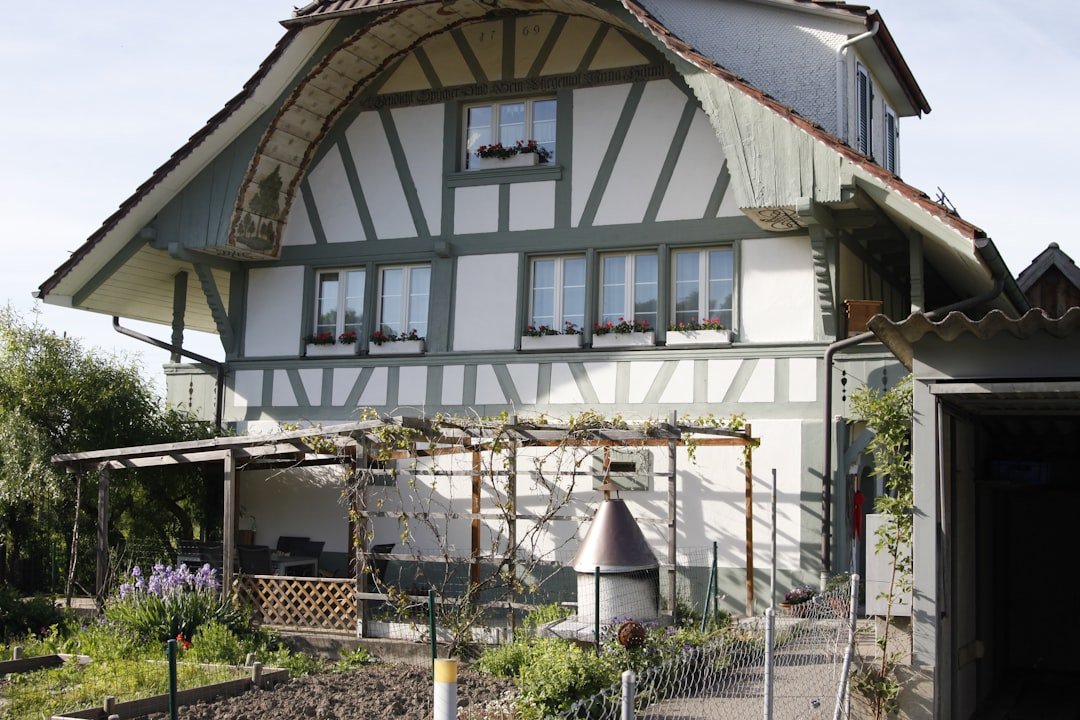
During the 18th and 19th centuries, watchmaking spread strongly through the Jura region. La Chaux-de-Fonds and Le Locle became so closely shaped by the industry that their watchmaking town planning is recognized by UNESCO as World Heritage. The broader craftsmanship of mechanical watchmaking and art mechanics in the French-Swiss Jura Arc was also inscribed on UNESCO’s Representative List of the Intangible Cultural Heritage of Humanity in 2020.
The Art of Watchmaking
Watchmaking blends technical engineering with aesthetic judgment. A finished watch must tell time reliably, but designers also consider the case, dial, hands, proportions, materials, finishing, legibility, and the way the watch feels on the wrist. In mechanical watchmaking, those design choices must work around the physical requirements of the movement rather than simply decorate it.
The movement, or caliber, is the working mechanism of the watch. Its gears, escapement, regulating organ, mainspring, and supporting components must interact with very small tolerances.
A movement can contain dozens or hundreds of components depending on its architecture and complications. Modern production may use computer-aided design and precision machinery, while skilled watchmakers perform operations such as assembly, adjustment, regulation, inspection, servicing, and hand-finishing. High-end decorative work may also involve engraving, polishing, anglage, guilloché, enamelling, gem-setting, or other specialist crafts.
The Importance of Precision and Accuracy
Precision describes how consistently a mechanism performs, while accuracy describes how closely its timekeeping matches the reference time. Both matter in horology, but a watch does not automatically become a certified chronometer simply because it was made in Switzerland.
The Contrôle Officiel Suisse des Chronomètres (COSC) is an independent Swiss testing body for chronometers. For the standard mechanical chronometer certification, COSC states a precision criterion of -4 to +6 seconds per day, with testing in five positions and at three temperatures. Certification applies only to pieces submitted to and passed by COSC.
Note: “Swiss Made” and “COSC-certified chronometer” mean different things. Swiss Made is a legally regulated indication of Swiss origin; COSC certification concerns tested chronometric performance.
The pursuit of better performance continues through improved movement architecture, manufacturing tolerances, materials, lubrication, shock protection, anti-magnetism, and quality-control methods. At the same time, many manufacturers preserve hand-finishing and traditional decorative techniques where those processes add aesthetic or artisanal value.
The Role of Tradition and Innovation in Swiss Watchmaking
| Aspect | Traditional Watchmaking | Modern Innovation |
|---|---|---|
| Materials | Steel, brass, gold, jewels, enamel, and other established materials | New alloys, ceramics, silicon components, composites, and engineered coatings |
| Techniques | Hand assembly, adjustment, polishing, engraving, and decorative finishing | Computer-aided design, precision machining, laser processes, and advanced metrology |
| Design | Classic proportions and historically established watch forms | Contemporary case architecture, new displays, and experimental construction |
| Complications | Chronographs, calendars, repeaters, tourbillons, and other mechanical functions | New approaches to energy management, regulation, materials, and connected functions in the smartwatch segment |
| Market | Collectors and buyers drawn to heritage, craft, and mechanical tradition | Buyers interested in modern design, technical experimentation, or connected technology |
Swiss watchmaking is defined less by a choice between old and new than by the way both approaches can coexist. Houses such as Patek Philippe and Audemars Piguet are associated with long-established mechanical traditions, yet contemporary Swiss manufacturers also invest in modern engineering, materials, production methods, and design.
Traditional skills remain important because many operations cannot be reduced to a single automated step. Finishing a component, diagnosing a fault, regulating a movement, restoring an older watch, or assembling a complicated mechanism may require judgment developed through long practice. Innovation, meanwhile, helps makers improve performance, repeatability, manufacturing capability, and design freedom.
What “Swiss Made” Means for a Watch
“Swiss Made” is not simply a marketing phrase. Under Switzerland’s watch-origin rules, summarized by the Swiss Federal Institute of Intellectual Property, at least 60% of the manufacturing costs of a complete watch must be generated in Switzerland. The technical development of a Swiss Made watch and a Swiss Made movement must also take place in Switzerland, and specific requirements apply to the movement.
This legal definition matters when a visitor workshop advertises the creation of a “Swiss Made” watch. A workshop experience may let you choose components and perform part of the assembly, but the legal origin of the finished watch depends on the full production and cost criteria, not on the location of the class alone.
The Craftsmanship and Skills Required
Professional watchmaking requires mechanical understanding, fine motor control, patience, visual attention, cleanliness, troubleshooting ability, and disciplined use of specialized tools. Different roles may focus on movement assembly, servicing, regulation, micromechanics, polishing, casing, quality control, engraving, restoration, or complications.
Formal training remains an important route into the profession. The École Technique de la Vallée de Joux offers vocational training in watchmaking and related technical crafts. The WOSTEP Foundation also offers professional programs; its current full watchmaker program is a 22-month, full-time course rather than a short visitor experience.
By contrast, a tourist or enthusiast workshop is normally structured so a beginner can participate under supervision. The goal is not to make you a professional watchmaker in a few hours. It is to let you understand the scale of the components, learn how tools are handled, experience selected assembly tasks, and appreciate how much training lies behind professional work.
The Process of Creating a Swiss Watch
Creating a production watch is a multi-stage process that involves far more than final assembly. The exact workflow differs by manufacturer and movement type, but the main stages commonly include:
- Concept and design: Designers define the watch’s purpose, dimensions, visual identity, displays, materials, and user requirements.
- Movement engineering: Engineers determine the architecture, power source, gear train, escapement, regulation system, complications, tolerances, and service considerations.
- Prototyping and validation: Prototypes help test dimensions, function, reliability, ergonomics, and manufacturability before full production.
- Component manufacturing: Movement and exterior parts are produced using appropriate machining, forming, cutting, finishing, and surface-treatment processes.
- Finishing and inspection: Components are cleaned, measured, decorated where required, and checked before assembly.
- Assembly and lubrication: Watchmakers or trained assemblers fit components in the correct sequence and apply specified lubricants in controlled quantities.
- Regulation and testing: The movement is checked for rate, amplitude, function, power reserve, and other performance criteria appropriate to the watch.
- Casing and final control: The movement is installed in the case, the watch is closed, and final checks may include water resistance, function, appearance, and timekeeping.
Pro Tip: In a visitor workshop, ask exactly which stages you will perform. “Build your own watch” often means selecting components and completing guided assembly rather than machining every component from raw material.
That distinction does not make the experience less valuable. Handling a movement at the bench reveals why dust control, tool pressure, part orientation, lubrication, and sequence matter. Even a simplified exercise can make the complexity of a finished mechanical watch much easier to understand.
The Significance of Swiss Watchmaking in the Global Market
Swiss watchmaking remains economically important and internationally visible, especially in the premium and luxury segments. The Federation of the Swiss Watch Industry reports export data rather than retail sales, so its figures should not be described as industry revenue.
Swiss watch exports totaled CHF 25.6 billion in 2025, down 1.7% from 2024, according to the Federation of the Swiss Watch Industry.
That scale helps explain why names such as Rolex, Omega, TAG Heuer, Patek Philippe, Audemars Piguet, and many smaller specialist makers carry global recognition. Yet export value alone does not measure the cultural importance of the craft. The watchmaking ecosystem also depends on movement specialists, component suppliers, toolmakers, finishers, case and dial makers, schools, museums, restoration experts, retailers, and service centers.
The Experience of Attending a Watchmaking Workshop in Switzerland
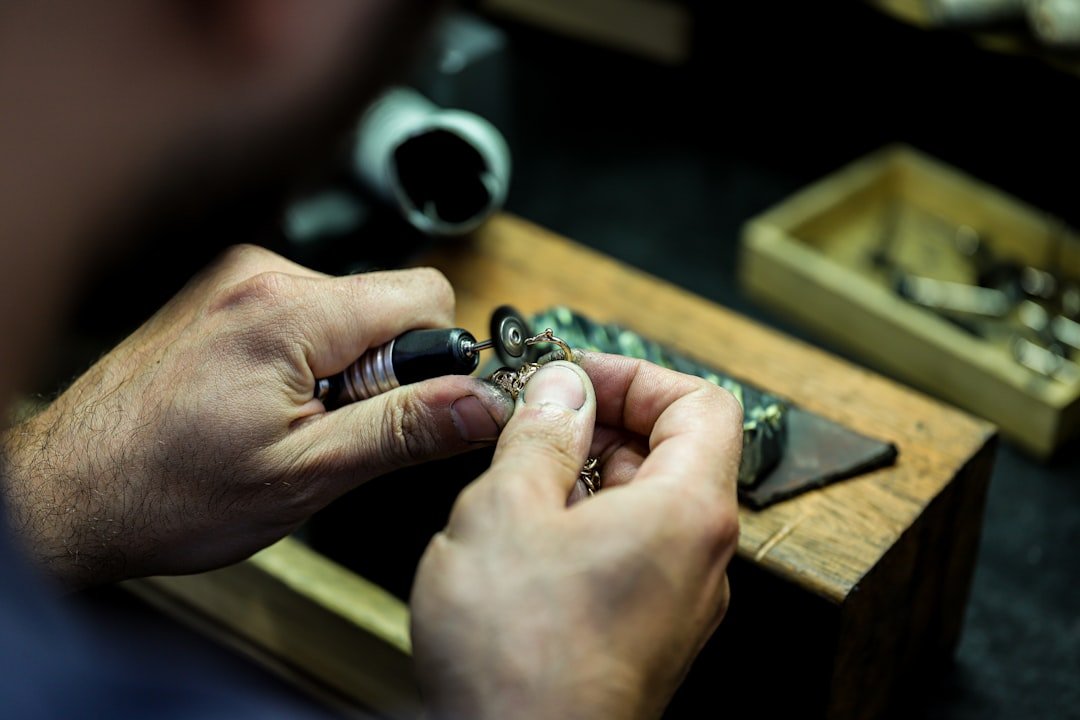
A hands-on watchmaking workshop can turn an abstract interest in watches into a practical understanding of how a mechanical timepiece is assembled. Instead of only looking through a display case, you sit at a bench, handle specialist tools, identify components, and work through selected operations under the guidance of a watchmaker or instructor.
At a Glance
| Time Required | About 3 hours to a full day for common visitor formats; exact duration depends on the provider and course. |
| Difficulty | Beginner-friendly for introductory visitor workshops; professional training is separate. |
| Tools Needed | Specialist tools are normally supplied by the workshop; confirm before booking. |
| Cost | Varies widely. As of August 2026, Geneva Tourism lists watchmaking workshops at Initium from CHF 350; courses that include a finished mechanical watch cost substantially more. |
What You Actually Do
The exact program depends on the workshop. An introductory session may focus on movement theory, identifying components, using screwdrivers and tweezers, and practicing selected assembly or disassembly tasks. Longer make-your-own-watch courses may add component selection, casing, strap choice, personalization, and final checks.
Because the parts are small, the experience rewards patience rather than speed. Instructors typically demonstrate each operation before you repeat it. That direct contact with the movement helps explain why trained watchmakers develop controlled hand movements and why a seemingly small mistake can stop a mechanism from working correctly.
Warning: Do not force a screw, wheel, hand, stem, or bridge if it does not seat correctly. Small watch components can bend, scratch, or break easily. Follow the instructor’s sequence and tool-handling directions.
Where to Find Hands-On Watchmaking Experiences
Geneva is one of the easiest places for a visitor to find a clearly bookable public experience. Geneva Tourism lists an Initium introduction to watchmaking by reservation and, as of August 2026, shows workshops from CHF 350 with a stated minimum age of 7. The provider also offers longer formats in Geneva and Le Noirmont in the Swiss Jura.
La Chaux-de-Fonds and Le Locle are particularly valuable for understanding the culture around watchmaking. Their urban development is recognized by UNESCO for its close relationship with the industry, and the Musée International d’Horlogerie in La Chaux-de-Fonds provides broad historical context through watches, clocks, tools, machines, and time-measurement collections.
Some Swiss manufactures and museums also offer tours, demonstrations, or special watchmaking activities, but public access varies by date, group size, and reservation policy. Always use the official venue or tourism page to confirm what is actually open to visitors.
Visitor Workshop vs. Manufacture Tour vs. Professional Training
- Visitor workshop: A short, supervised hands-on activity designed for enthusiasts or tourists. It may last a few hours or a day and may include assembling a watch.
- Manufacture tour: A visit focused on observing how a brand or factory works. Hands-on bench time is not guaranteed.
- Professional training: Formal education for people who want to work in watchmaking. Programs can run for many months or years and include deeper theory, servicing, micromechanics, and assessment.
How to Choose and Book a Workshop
Before paying, check the provider’s current page and confirm the details that matter to you:
- Your goal: Decide whether you want a basic introduction, movement disassembly, a factory visit, or a make-your-own-watch experience.
- What is included: Confirm whether the price includes a finished watch, movement, strap, meal, certificate, personalization, or only bench instruction.
- Language: Verify that the workshop is offered in a language you are comfortable using for technical instructions.
- Age and accessibility: Check minimum age, seating setup, lighting, vision requirements, and accessibility if relevant.
- Group size: Smaller groups can provide more individual instructor time, while private or corporate sessions may have different pricing.
- Photography: Ask whether photography is allowed, especially inside a manufacture or restricted technical area.
- Cancellation terms: High-value make-your-own-watch sessions can require advance booking, so read rescheduling and refund conditions before payment.
Pro Tip: If your main goal is to leave with a watch you assembled, do not assume every “watchmaking experience” includes one. Confirm that point in writing before booking.
Swiss watchmaking is therefore more than a luxury label. It is a living network of engineering, skilled manual work, education, manufacturing, restoration, design, and cultural heritage. A well-run workshop makes that network easier to understand because you experience the scale and discipline of the craft directly rather than only seeing the finished product.
Hands-on watchmaking also shares something with other traditional crafts: patience, technique, and repetition turn individual materials into a finished object. That same satisfaction can be found in unrelated hands-on projects, including simple culinary crafts such as homemade cottage cheese, although those activities belong to a very different tradition from horology.
Frequently Asked Questions
What is a watchmaking workshop in Switzerland?
A visitor watchmaking workshop is a supervised hands-on session that introduces mechanical watch components, tools, assembly, and horological principles. Some are short educational classes, while longer premium courses may let you configure and assemble a watch that you take home.
What happens in a watchmaking workshop?
You may learn the names and functions of movement parts, use watchmaker screwdrivers and tweezers, practice assembly or disassembly, and follow an instructor through selected operations. The exact tasks depend on the course length and whether a finished watch is included.
Do I need watchmaking experience before attending?
Not for a beginner visitor workshop. Public introductory courses are commonly designed for people with no prior watchmaking knowledge. Professional education is different and requires a much larger time commitment.
How long does a Swiss watchmaking workshop take?
Visitor formats vary. Current public offerings include introductory sessions of around three hours as well as half-day and full-day experiences. Check the live provider page because schedules and formats can change.
How much does a watchmaking workshop in Switzerland cost?
Prices depend heavily on what is included. As of August 2026, Geneva Tourism lists Initium watchmaking workshops from CHF 350. A course that includes building and keeping a mechanical watch can cost much more, so compare the live inclusions rather than the headline price alone.
What skills are required to work professionally in watchmaking?
Professional watchmakers need fine motor control, mechanical understanding, accuracy, patience, diagnostic ability, and formal technical training. Schools such as the École Technique de la Vallée de Joux and WOSTEP provide structured pathways that are far more extensive than tourist workshops.
Are Patek Philippe, Rolex, Audemars Piguet, and Jaeger-LeCoultre public watchmaking workshops?
They are major Swiss watch brands or manufactures, not a generic list of bookable public workshops. Some brands may offer museums, tours, events, or invitation-based experiences, but access changes. For a hands-on public class, use an official tourism or provider page that explicitly offers workshop reservations.
How important is watchmaking to Switzerland?
Watchmaking has major economic and cultural importance. The Federation of the Swiss Watch Industry reported CHF 25.6 billion in Swiss watch exports for 2025, while UNESCO recognizes the craftsmanship of mechanical watchmaking and art mechanics in the French-Swiss Jura Arc as intangible cultural heritage.
Sources
- Federation of the Swiss Watch Industry: From the origins to the present day — history of Swiss watchmaking and the 1601 Geneva guild.
- Federation of the Swiss Watch Industry: Watch industry statistics — official export data and methodology.
- COSC: Certifications — chronometer testing criteria and certification scope.
- Swiss Federal Institute of Intellectual Property: Swiss Made Ordinance for Watches — legal Swiss-origin requirements.
- UNESCO: Craftsmanship of mechanical watchmaking and art mechanics — intangible cultural heritage context in the Jura Arc.
- Geneva Tourism: Introduction to watchmaking in the heart of Geneva — current public workshop availability, minimum age, and starting price.