Disclosure: As an Amazon Associate, we earn from qualifying purchases. If you click a link on this page and make a purchase, we may receive a small commission at no extra cost to you.
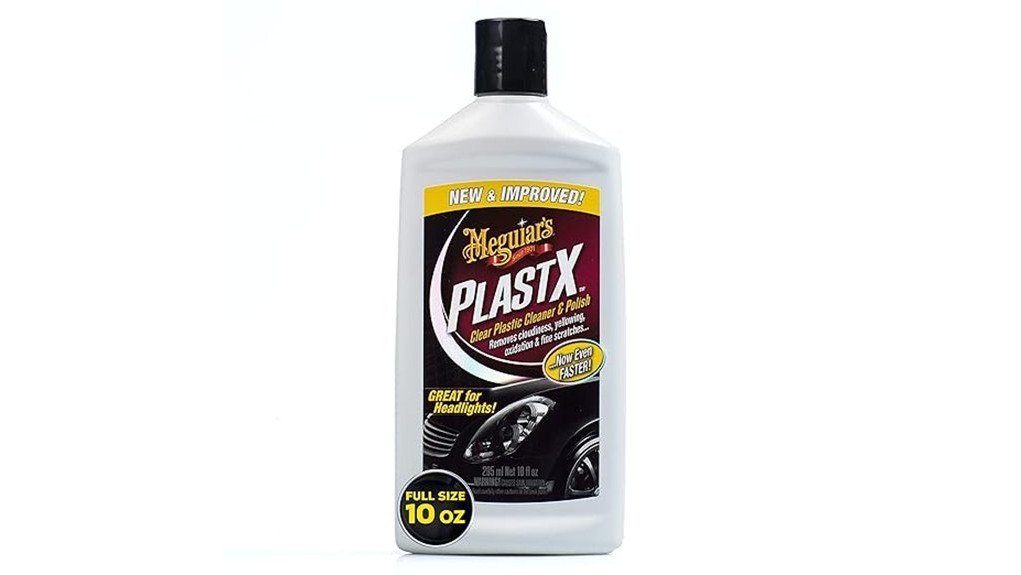
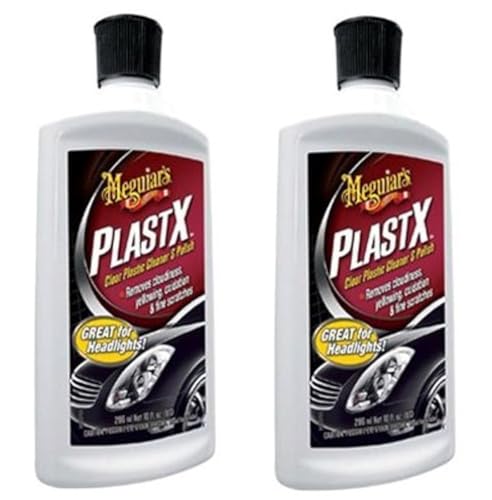
Cloudy headlights can make your car look older, but the bigger issue is visibility at night. Meguiar’s PlastX Clear Plastic Polish is made to restore clarity on clear plastic surfaces such as headlights, taillights, motorcycle windshields, and soft top windows. It uses Meguiar’s Microscopic Diminishing Abrasive Technology to reduce light scratches, oxidation, and cloudiness while leaving behind water-resistant polymer protection. This review explains what it does well, where it has limits, and how to use it without damaging the wrong surface.
Quick Verdict
Rating: 8.4/10
Best For: Drivers who want a simple, affordable way to improve cloudy clear plastic without using a full headlight restoration kit.
Bottom Line: Meguiar’s PlastX is a smart buy if your headlights or clear plastics have light oxidation, haze, or fine scratches. It is not the best choice for deeply yellowed, cracked, or severely damaged lenses that may need sanding, sealing, or replacement.
Key Takeaways
- Best use: Restoring clarity on foggy headlights, taillights, motorcycle windshields, soft top windows, and other clear plastics.
- Main benefit: Helps reduce light oxidation, cloudiness, and minor scratches so plastic surfaces look clearer.
- Technology: Uses Meguiar’s Microscopic Diminishing Abrasive Technology to polish plastic surfaces.
- Protection: Leaves water-resistant polymers behind for added surface protection.
- Application: Works with a foam applicator pad or terry cloth towel, then wipes off with a clean microfiber towel.
- Limit: It may not fully fix deeply oxidized, cracked, peeling, or badly sun-damaged headlights.
| Specification | Detail |
|---|---|
| Brand | Meguiar’s |
| Product | Meguiar’s PlastX Clear Plastic Polish |
| Product Type | Clear plastic polish and cleaner |
| Bottle Size | 10 oz. |
| Main Use | Restores clarity to cloudy, scratched, or oxidized clear plastics |
| Suitable Surfaces | Headlights, taillights, motorcycle windshields, soft top windows, and other clear plastic surfaces |
| Application Method | Foam applicator pad or terry cloth towel |
| Wipe-Off Method | Clean microfiber towel before the product fully dries |
| Key Technology | Microscopic Diminishing Abrasive Technology |
| Safety Note | Apply on a cool, clean, dry surface and avoid painted areas. |
What Is Meguiar’s PlastX Clear Plastic Polish?
Meguiar’s PlastX Clear Plastic Polish is a 10 oz. plastic polish made for restoring clear plastic surfaces that have become dull, cloudy, scratched, or lightly oxidized. It is most often used on automotive headlights, but the article-supported use cases also include taillights, motorcycle windshields, and soft top windows.
The product is designed for vehicle owners who want a faster and simpler option than a multi-step sanding kit. Its main appeal is that you can apply it by hand with a foam applicator pad or terry cloth towel, then wipe away the residue with a clean microfiber towel.
PlastX uses Meguiar’s Microscopic Diminishing Abrasive Technology, often shortened to MDAT, to polish away surface-level defects. It also includes water-resistant polymers that help protect the restored surface after polishing.
How to Use Meguiar’s PlastX to Restore Clarity?
To restore clarity, start with a cool, clean, and dry plastic surface. Dirt and grit can scratch the lens while you polish, so cleaning first is not optional.
For best results, apply on a cool, clean, and dry surface using a foam applicator pad or terry cloth towel.
Apply a small amount of Meguiar’s PlastX to a foam applicator pad or terry cloth towel. Work on one headlight or one plastic panel at a time, rubbing the polish thoroughly over the cloudy area with even pressure.
Do not let the polish sit too long before removal. Wipe off the residue with a clean microfiber towel before it dries fully, then inspect the surface from different angles. If the plastic still looks hazy, a second pass may help with light oxidation.
Pro Tip: Tape off the painted trim around the headlight before polishing. This helps you focus pressure on the clear plastic and reduces the chance of rubbing polish onto painted areas.
Before You Buy: PlastX is best for haze, cloudiness, oxidation, and fine scratches. If your headlight lens is cracked, peeling, deeply yellowed, or damaged inside the housing, polish alone may not solve the problem.
Who Should Buy It?
Best For
- Drivers with lightly cloudy or oxidized headlights.
- Vehicle owners who want a hand-applied polish instead of a full restoration kit.
- Anyone maintaining clear plastics such as taillights, motorcycle windshields, or soft top windows.
Skip If
- Your headlight lens has deep cracks, peeling coating, or heavy internal damage.
- You need a complete sanding and sealing kit for severe oxidation.
- You want a one-time permanent fix with no future maintenance.
Top Benefits of Using Meguiar’s PlastX for Plastic Restoration
Restoring clarity to foggy or scratched plastic surfaces can improve both appearance and driving confidence. Clearer headlights can help your vehicle look cleaner, and better lens clarity can support nighttime visibility when the haze is on the outside of the lens.
Restoring clarity to foggy or scratched plastics boosts both the aesthetic appeal and safety of your vehicle.
The biggest benefit of Meguiar’s PlastX is its simple hand application. You do not need a machine polisher to use it, which makes it practical for garage use, driveway detailing, and quick maintenance before a long drive.
Its versatility is another advantage. The same 10 oz. bottle can be used on headlights, taillights, motorcycle windshields, soft top windows, and other clear plastics, as long as the surface is compatible and you follow the product instructions.
Why Choose Meguiar’s PlastX Over Other Options?
Meguiar’s PlastX makes sense if you want a polish that targets light scratches, cloudiness, and oxidation without committing to a more aggressive restoration process. Compared with multi-step kits, it is easier to use and less intimidating for beginners.
The product’s Microscopic Diminishing Abrasive Technology is the key feature. As you work the polish into the surface, the abrasive action helps refine the plastic and improve clarity.
The tradeoff is that PlastX is not as aggressive as sanding discs or full headlight restoration systems. That is good for easy maintenance, but it also means severe oxidation may need more than one pass or a stronger restoration method.
Products Worth Considering

RESTORE YOUR WATCH LIKE NEW - Specially formulated for plastic and acrylic watch crystals, this pro-grade polish safely removes light to moderate scratches, scuffs, and hazing without damaging delicate surfaces. Trusted by watchmakers since 1926.

ULTRA FINE PLASTIC AND ACRYLIC SCRATCH REMOVER: Removes micro finishing scratches, swirl marks and haze from plastic and acrylic surfaces, restoring optical clarity and bringing the surface back to its original luster

SEE CLEARLY: Renew your plastic without replacement with Meguiar's PlastX Plastic Cleaner. This clear plastic scratch remover quickly improves long-term wear and tear on a variety of uncoated plastics, leaving behind water-resistant polymers
Fit and Compatibility
Meguiar’s PlastX is meant for clear plastic surfaces, especially automotive lenses and similar materials. The article-supported surfaces include headlights, taillights, motorcycle windshields, and soft top windows.
For specialty plastics or uncoated acrylic surfaces, test a small hidden area first. Plastic formulas and coatings can vary, and a quick test spot helps you avoid visible marks on a sensitive surface.
Materials and Build
This is a liquid polish in a 10 oz. bottle, so storage and handling are simple. The formula combines polishing action with water-resistant polymers, giving you both clarity restoration and a protective finish in one product.
The bottle size is practical for multiple uses, especially if you are treating only headlights or small clear plastic panels. For larger surfaces, such as a wide motorcycle windshield, the amount used will depend on the surface condition and how many polishing passes you need.
Ease of Use
PlastX is beginner-friendly because the application process is direct: clean the surface, apply with a foam pad or terry cloth, rub thoroughly, and wipe off with microfiber. You do not need special tools for basic hand application.
The most important part is timing. If the product dries before you wipe it off, buff gently with a clean microfiber cloth. Working in small areas helps you control the polish and avoid dry residue.
The Clarity Restoration Process of Meguiar’s PlastX
Achieving clear and polished plastic surfaces is a straightforward process with Meguiar’s PlastX Clear Plastic Polish. The polish uses Microscopic Diminishing Abrasive Technology to help remove surface haze, fine scratches, oxidation, and cloudiness.
The restoration process begins by applying a small amount to a clean surface with a foam applicator or terry cloth towel. You then work the product into the plastic until the surface begins to clear.
After polishing, wipe away the residue with a clean microfiber towel before it dries. The water-resistant polymers left behind help protect the finish, but you should still expect to maintain exposed plastics every few months depending on sun, weather, washing habits, and driving conditions.
How It Performs in Real Use
For Cloudy Headlights
On lightly cloudy headlights, PlastX can make the lens look clearer and cleaner after careful polishing. This is where the product makes the most sense because the issue is often surface-level haze or oxidation.
For Night Driving
Cleaner headlight lenses can support better light output when cloudiness is blocking the beam from the outside. PlastX cannot fix weak bulbs, damaged wiring, or internal lens problems, but it can help when the plastic surface is the main issue.
For Taillights and Small Clear Plastics
Taillights and smaller clear plastic trim pieces are good use cases because they usually need less product and less polishing time. Use light, even pressure and avoid painted areas around the plastic.
For Motorcycle Windshields and Soft Top Windows
For motorcycle windshields and soft top windows, the main goal is reducing haze and fine marks so the surface looks clearer. Always test first because these surfaces can be more noticeable if they react poorly to a polish.
Common Mistakes to Avoid
Do not apply PlastX in direct sunlight. Heat can make the polish dry unevenly and can make wipe-off harder.
Do not polish a dirty surface. Even small dust or grit can create extra marks when rubbed across clear plastic.
Do not assume one pass will fix every headlight. Light haze may improve quickly, but heavier oxidation can need repeated polishing or a more complete restoration process.
Do not use the same dirty towel for polishing and final wipe-off. A clean microfiber towel gives you a better finish and lowers the risk of dragging residue back across the surface.
Compatibility and Safety
Meguiar’s PlastX is generally suitable for many clear plastic surfaces, but not every plastic or coating responds the same way. For uncoated acrylic, specialty plastics, or older surfaces, test a small hidden area before treating the full panel.
Avoid painted surfaces while applying the polish. If you are working close to paint, trim, rubber seals, or textured plastic, use painter’s tape around the headlight or plastic panel for cleaner edges.
Use the product in a well-ventilated area and follow the label directions. If a vehicle lens is cracked, leaking, or damaged inside the housing, polishing the outside will not repair the underlying problem.
Pros and Cons
Pros
- Helps restore clarity on foggy, cloudy, or lightly oxidized clear plastics.
- Works on headlights, taillights, motorcycle windshields, and soft top windows.
- Uses Microscopic Diminishing Abrasive Technology for polishing action.
- Can be applied by hand with a foam applicator pad or terry cloth towel.
- Includes water-resistant polymers for added surface protection.
Cons
- May not fully restore severely yellowed, cracked, or deeply oxidized lenses.
- Requires correct surface prep, careful polishing, and timely wipe-off.
- Not a permanent fix, exposed plastics may need repeat maintenance every few months.
Is It Worth the Price?
Meguiar’s PlastX is a strong value for the price if your goal is basic plastic restoration and maintenance. The 10 oz. bottle is practical for multiple small jobs, especially headlights, taillights, and smaller clear plastic surfaces.
It is worth considering if you want an easy hand-applied polish before moving to a more aggressive restoration kit. You get the most value when the plastic has light haze, minor scratches, or surface oxidation rather than deep damage.
The honest limitation is that it may not solve severe headlight damage. If the lens is badly yellowed, peeling, cracked, or cloudy from the inside, you may need a stronger repair method or replacement.
Products Worth Considering

KIT INCLUDES: 1 - Disc Pad Holder, 3.25 in (8,2 cm) 6 - 3M Gold Sanding Discs 500 Grit, 3 in (7,6 cm) each 4 - 3M White Finishing Discs 800 Grit, 3 in (7,6 cm) each 1 - 3M Trizact Refining Disc 3000 Grit, 3 in (7,6 cm) 2 - 3M Quick Headlight Clear Co

KIT CONTENTS: Each headlight restoration kit includes (8) Step 1 Oxidation Removing Wipes, (1) Step 2 Sanding Kit, and (2) Step 3 Ceramic Coating Wipes

HEADLIGHT RESTORATION AND PROTECTION (GAP11516) – All-in-one formula cleans, restores, and protects plastic headlights, removing yellowing, oxidation, and haze for improved clarity and visibility
How It Compares to Alternatives
Compared with full headlight restoration kits, PlastX is easier to use and better for light maintenance. Full kits may be better for severe oxidation because they often include sanding steps and a sealant.
Compared with basic plastic cleaners, PlastX offers more polishing power because it targets scratches, cloudiness, and oxidation. It makes the most sense if you want a simple middle ground between a cleaner and a full restoration system.
Products Worth Considering

Application - Helps restore clarity to uncoated clear plastics with light oxidation, cloudiness, yellowing, stains, or fine surface scratches.

Complete 3-Step Plastic Restoration System - Professional-grade NOVUS Plastic Care Kit includes #1 Clean & Shine, #2 Fine Scratch Remover, and #3 Heavy Scratch Remover to clean, restore, polish, and protect plastic surfaces with a proven step-by-step system.
Frequently Asked Questions
How often should I use Meguiar’s PlastX for best results?
For best maintenance, use it every few months depending on sun exposure, weather, and how cloudy the plastic becomes. Outdoor vehicles may need touch-ups sooner than garage-kept vehicles.
Can I use PlastX on uncoated acrylic surfaces?
PlastX can be used on many clear plastics, but acrylic surfaces can vary. Test a small hidden area first, then continue only if the surface responds well.
Is Meguiar’s PlastX safe for all plastic types?
It is generally suitable for many clear plastic surfaces, including headlights and taillights. For specialty plastics, coated plastics, or delicate surfaces, test first and follow the product label.
What should I do if PlastX dries before I wipe it off?
Gently buff the area with a clean microfiber towel. To avoid this, work in small sections and wipe off the residue before the polish fully dries.
Can I use Meguiar’s PlastX in direct sunlight?
Direct sunlight is not recommended. A cool, clean, dry surface gives you more control and helps prevent uneven drying.
Will PlastX fix deeply yellowed headlights?
It may improve the look of some yellowed headlights, but it is best for light oxidation and surface haze. Severe yellowing may need a full restoration kit or lens replacement.
Can I use it on taillights and motorcycle windshields?
Yes, the article-supported use cases include taillights, motorcycle windshields, soft top windows, and other clear plastics. Always test first when working on a large or highly visible surface.
Who should skip Meguiar’s PlastX?
Skip it if your plastic is cracked, peeling, damaged inside, or too heavily oxidized for a hand polish. In those cases, a full restoration kit or replacement may be a better option.
Conclusion
Meguiar’s PlastX Clear Plastic Polish stands out as a practical solution for restoring clarity to foggy headlights and other clear plastic surfaces. Its Microscopic Diminishing Abrasive Technology helps reduce cloudiness, oxidation, and fine scratches, while the water-resistant polymers add a layer of protection after polishing.
The simple application process makes it useful for everyday vehicle owners, but it works best when the plastic damage is still surface-level. For badly cracked, peeling, or deeply yellowed lenses, treat PlastX as a maintenance polish rather than a complete repair system.
The Bottom Line
Meguiar’s PlastX is recommended if you want a simple, hand-applied clear plastic polish for headlights, taillights, motorcycle windshields, and soft top windows. It is best for light haze and minor oxidation, but you should skip it if your lens damage is severe or internal.