Disclosure: As an Amazon Associate, we earn from qualifying purchases. If you click a link on this page and make a purchase, we may receive a small commission at no extra cost to you.
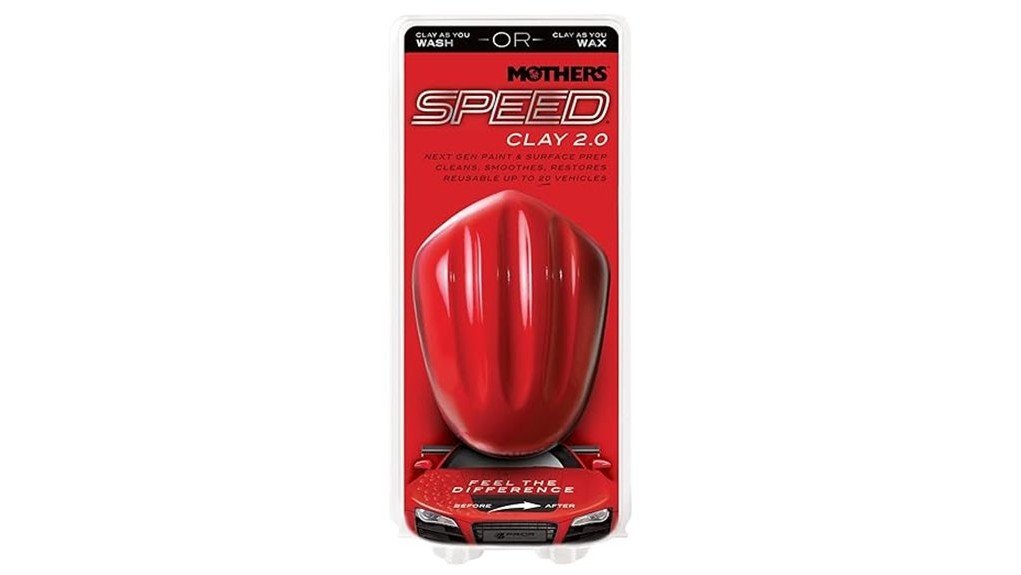
Bonded road film, tree sap, rail dust, overspray, and other contamination can leave freshly washed paint feeling rough. Mothers 17240 Speed Clay 2.0 gives you a reusable way to remove that contamination before you polish, wax, or apply a coating. It works faster and is easier to recover after a drop than traditional kneadable clay, but it still needs generous lubrication and careful technique. This review explains what the tool removes, where you can use it, and who will get the most value from it.
Quick Verdict
Rating: 8.5/10, recommended with caveats
Best For: DIY detailers who want a washable, reusable tool for routine paint decontamination.
Bottom Line: Speed Clay 2.0 removes bonded contamination from paint, glass, chrome, and smooth plastics without the kneading required by traditional clay. Its main tradeoff is that the tool does not replace lubricant, towels, polish, or paint protection, and its flat face is less convenient in tight recesses.
| Specification | Detail |
|---|---|
| Brand | Mothers |
| Model | Speed Clay 2.0, product number 17240 |
| Product Type | Reusable automotive surface-prep and decontamination tool |
| Working Surface | Patented rubber-polymer claying surface |
| Compatible Surfaces | Automotive paint, chrome, glass, and smooth plastics |
| Contaminants | Paint overspray, water spots, fresh tree sap, rail dust, bird-dropping residue, light oxidation, and brake dust |
| Lubrication | Use generous car-wash suds, spray wax, or instant detailer |
| Application Pattern | Straight, overlapping passes with light pressure |
| Package Note | Surface-prep tool; lubricant and microfiber towels may need to be purchased separately |
| Aftercare | Reapply wax, sealant, or coating because claying can remove existing protection |
Key Takeaways
- Speed Clay 2.0 is a reusable claying tool, not a soft clay bar that you knead or fold.
- Its rubber-polymer face removes bonded surface contamination before polishing, waxing, or coating.
- You can use it while washing with soapy water or on clean, dry paint with spray wax or instant detailer.
- Lubrication is essential. A dry or dirty panel raises the risk of marring the finish.
- The tool works on automotive paint, chrome, glass, and smooth plastics, but it is not a scratch remover or polish.
What Is the Mothers Speed Clay 2.0?
Mothers Speed Clay 2.0, product number 17240, is a handheld surface-preparation tool for removing bonded contamination from exterior vehicle surfaces. Instead of a pliable clay bar, it uses a flat rubber-polymer face that glides across a lubricated panel and shears away particles that normal washing leaves behind.
The tool is meant for paint decontamination before polishing, waxing, sealing, or coating. It can also clean bonded deposits from glass, chrome, and smooth plastic. Because the working face can be rinsed clean, you do not need to knead and fold it between sections as you would with traditional detailing clay.
Who Should Buy It?
Best For
- DIY detailers preparing paint for wax, sealant, polish, or a ceramic coating.
- Drivers who want a washable alternative to a traditional kneadable clay bar.
- Owners who regularly deal with rough paint, rail dust, overspray, tree sap, or brake dust.
Skip If
- You need a complete kit that includes lubricant and microfiber towels.
- You expect it to remove scratches, swirls, chips, or deep water-spot etching.
- You mainly need to work inside narrow trim gaps or other tight recesses.
Before You Buy: Speed Clay 2.0 needs plenty of lubrication and a properly washed surface. It also removes or weakens existing wax protection, so plan to protect the clayed areas again after use.
Key Features and Buyer Benefits
Reusable Rubber-Polymer Face
The flat working face is the product’s biggest difference from a traditional clay bar. It does not need to be kneaded, flattened, or folded. When contamination builds up, you can rinse the face before moving to the next panel.
This design also makes a dropped tool easier to recover. A traditional clay bar usually must be discarded after it hits the ground because grit can become embedded in it. With Speed Clay 2.0, you can rinse the working surface thoroughly, inspect it, and continue only when it is clean.
Bonded-Contaminant Removal
Normal washing removes loose dirt, but it may leave paint overspray, rail dust, fresh tree sap, brake dust, bird-dropping residue, light oxidation, and some water-spot deposits attached to the surface. Speed Clay 2.0 is designed to remove these raised contaminants so the paint feels smoother.
The tool does not level paint or correct defects below the surface. Scratches, swirl marks, oxidation stains, and etched water spots may still require polishing after decontamination.
Multiple Exterior Surfaces
You can use the tool on automotive paint, glass, chrome, and smooth exterior plastics. That makes it useful for more than the hood and doors. It can help clean bonded deposits from windows, chrome trim, and smooth plastic panels before you apply the correct protection for each material.
Use caution around textured plastics, decals, damaged clear coat, peeling paint, or delicate aftermarket finishes. Test a small area first and follow the care instructions for that surface.
Clay While You Wash or After Drying
You have two practical application methods. During a wash, you can re-soap a clean section, dip the tool into a bucket of suds, and glide it over the wet panel. On a clean, dry vehicle, you can lubricate a small work area with spray wax or instant detailer, clay the section, and wipe away the residue with a clean microfiber towel.
The wash method can save time during a full exterior detail. The spray method gives you more control when you are treating a few panels or checking your progress on dry paint.
How It Performs in Real Use
Before Waxing or Sealing
Speed Clay 2.0 makes the most sense when clean paint still feels rough through your fingertips. Removing those raised particles gives wax or sealant a cleaner surface and reduces the chance of dragging contamination across the paint during later steps.
Before Machine Polishing
Claying before polishing helps keep bonded debris away from the polishing pad. The tool will not replace compound or polish, but it completes the decontamination step so you can inspect the true condition of the paint before correcting defects.
During a Maintenance Wash
When contamination is light, you can use Speed Clay 2.0 as you wash. Work one panel at a time, wash and rinse it, add fresh suds, then make light overlapping passes. This method is efficient, but you still need to reapply protection afterward if the clayed section was previously waxed.
On Glass, Chrome, and Smooth Plastic
The tool can help remove bonded grime from exterior glass and chrome where regular washing leaves a rough feel. Keep the surface wet, use light pressure, and check the working face often. Do not treat it as a cure for scratches, mineral etching, or damaged coatings.
How to Use Mothers Speed Clay 2.0 for Optimal Results
- Rinse and wash first. Remove loose dirt and grit before the tool touches the vehicle.
- Choose your lubricant. Use generous car-wash suds on a wet panel, or spray wax or instant detailer on a clean, dry panel.
- Work in a small section. A section around 2 feet by 2 feet is easier to keep wet and inspect.
- Place the flat face on the surface. Hold the tool securely and keep the rubber-polymer side fully lubricated.
- Use straight, overlapping passes. Glide it back and forth with light pressure. Do not scrub in hard circles.
- Stop when the surface feels smooth. Extra passes after the contamination is gone add no useful benefit.
- Rinse the tool often. Clean the working face whenever you see or feel contamination.
- Rinse or wipe the panel. Finish the section according to the lubricant you used, then move to the next area.
- Protect the surface again. Apply wax, sealant, or coating after any polishing step is complete.
Pro Tip: After washing, run clean fingertips lightly over the paint. Clay only the areas that still feel rough, then stop when the surface feels smooth.
Common Mistakes to Avoid
- Treating it like kneadable clay: Do not fold, stretch, or knead the tool. Rinse its flat working face instead.
- Using too little lubricant: The tool should glide freely. Add more suds or detailing spray if it starts to grab.
- Claying dirty paint: Loose grit can cause marring, so wash and rinse the section first.
- Pressing too hard: Light pressure is enough. More force does not make the tool remove contamination safely or faster.
- Working an area that is too large: Small sections are easier to keep wet and make it easier to notice when the paint becomes smooth.
- Skipping paint protection: Claying can remove wax, so restore protection after decontamination and any polishing.
Cleaning, Maintenance, and Storage
Rinse the rubber-polymer face thoroughly during use and again when you finish. Check for trapped grit, sap, or other particles before storing it. Let the tool dry in a clean place, then keep the working surface away from dirt and sharp objects.
Do not store the tool face-down on a dusty shelf or toss it into a bucket with dirty brushes. Its service life depends on how heavily contaminated your vehicles are, how often you rinse it, and whether the working face stays clean and undamaged.
Pros and Cons
Pros
- Reusable working surface can be rinsed clean between sections.
- Works with car-wash suds, spray wax, or instant detailer.
- Removes several common types of bonded exterior contamination.
- Suitable for paint, chrome, glass, and smooth plastics.
- Faster to reset than traditional clay because no kneading is required.
Cons
- Lubricant and microfiber towels may not be included.
- The flat face is less flexible in tight contours than pliable clay.
- It removes contamination but does not correct scratches or etched defects.
Is It Worth the Price?
Speed Clay 2.0 offers strong value if you decontaminate more than one vehicle or prepare your paint several times over the life of the tool. Its washable face reduces the waste and replacement cycle associated with disposable clay bars, and the option to clay while washing can shorten a full-detail routine.
The value is less clear if you need a ready-to-use kit. You may still need a suitable lubricant, microfiber towels, and a wax or sealant. It is worth considering if reusability and faster setup matter more to you than having every supply in one box.
How It Compares to Alternatives
Mothers California Gold Clay Bars are a better fit when you prefer pliable clay that conforms to narrow curves and tight areas, but dropped clay should not be reused. Meguiar’s Smooth Surface Clay Kit is easier for a first-time buyer who wants clay, lubricant, and a towel in one package.
Griot’s Garage Brilliant Finish Synthetic Clay is another reusable synthetic option worth comparing. Mothers Speed Clay 2.0 makes the most sense when you want a simple handheld tool that can be rinsed clean and used either during a wash or with a spray lubricant.
Frequently Asked Questions
Is Mothers Speed Clay 2.0 a traditional clay bar?
No. It is a reusable surface-prep tool with a flat rubber-polymer face. You rinse the face clean instead of kneading and folding it like pliable detailing clay.
Do I need a separate clay lubricant?
You need lubrication, but it does not have to be a product labeled only as clay lubricant. Mothers supports using generous car-wash suds, spray wax, or instant detailer, depending on the wet or dry method you choose.
Is it safe for clear-coat paint?
Mothers describes its clay products as safe for automotive paint when used correctly. Wash first, keep the surface wet, use light pressure, and test a small area if the finish is damaged, repainted, or unusually delicate.
Can I use Speed Clay 2.0 on glass and chrome?
Yes. The manufacturer lists automotive glass and chrome among the compatible surfaces. Use lubrication and remember that claying removes bonded deposits, not scratches or deep mineral etching.
What should I do if I drop the tool?
Rinse the working face thoroughly and inspect it for grit before it touches the vehicle again. Do not continue if particles remain embedded or the rubber-polymer surface is damaged.
How often should I clay my vehicle?
Use the tool when washed paint still feels rough or before a planned polish, wax, sealant, or coating. A fixed schedule is less useful than checking the surface because storage, mileage, weather, and industrial fallout change how quickly contamination builds.
Do I need to wax after using Speed Clay 2.0?
Yes, if you want the clayed surface protected. Claying can remove existing wax, so complete any polishing first and then apply wax, sealant, or coating to the clean paint.
Who should choose a traditional clay kit instead?
Choose a traditional kit if you want lubricant and towels included or need pliable clay for intricate shapes. Speed Clay 2.0 is better suited to buyers who value a reusable, washable tool for larger exterior surfaces.
The Bottom Line
Mothers 17240 Speed Clay 2.0 is a strong choice for DIY detailers who want a reusable tool for routine paint, glass, chrome, and smooth-plastic decontamination. Buy it for its washable rubber-polymer face and flexible wet-or-dry workflow, but skip it if you need a complete kit or expect it to repair scratches and etched paint defects.