

Gluten-free diets have gained significant traction in recent years, primarily due to the increasing awareness of celiac disease and gluten sensitivity. Gluten, a protein found in wheat, barley, and rye, can trigger severe health issues for individuals with celiac disease, an autoimmune disorder where the ingestion of gluten leads to damage in the small intestine. For those with non-celiac gluten sensitivity, consuming gluten can result in a range of symptoms, including bloating, fatigue, and joint pain.
As a result, many people are opting for gluten-free diets not only for health reasons but also as a lifestyle choice. The gluten-free movement has led to a burgeoning market for gluten-free products, ranging from specialized flours to ready-made meals. However, it is essential to understand that not all gluten-free foods are inherently healthy.
Many gluten-free processed foods can be high in sugar and fat to compensate for the lack of gluten, which can lead to other health issues if consumed excessively. Therefore, individuals following a gluten-free diet should focus on whole foods such as fruits, vegetables, lean proteins, and naturally gluten-free grains like quinoa and rice. This approach ensures that they receive adequate nutrition while avoiding gluten.
Key Takeaways
- Gluten-free diets involve avoiding foods that contain gluten, a protein found in wheat, barley, and rye.
- When dining out in Istanbul, communicate your dietary needs clearly to the restaurant staff and ask about gluten-free options.
- Traditional Turkish dishes like kebabs, grilled meats, and rice-based dishes are naturally gluten-free.
- Navigate Istanbul’s markets by looking for naturally gluten-free ingredients like fresh fruits, vegetables, meats, and dairy products.
- Look for gluten-free bakeries and cafes in Istanbul that offer a variety of gluten-free breads, pastries, and desserts.
Dining Out in Istanbul: Tips for Gluten-Free Eaters
Dining out in Istanbul can be a delightful experience, but for those adhering to a gluten-free diet, it requires some preparation and awareness. The city is renowned for its rich culinary heritage, which includes a variety of dishes that can be enjoyed without gluten. However, cross-contamination is a significant concern in many restaurants, particularly those that specialize in traditional Turkish cuisine where wheat-based products are prevalent.
To navigate this culinary landscape successfully, it is advisable to research restaurants in advance that are known for accommodating gluten-free diets. When dining out, it is crucial to communicate your dietary restrictions clearly to the staff. Many restaurants in Istanbul are accustomed to international visitors and may have some understanding of gluten-free requirements.
However, it is beneficial to learn a few key phrases in Turkish to ensure your needs are understood. Phrases such as “Ben glüten yemiyorum” (I do not eat gluten) can be helpful. Additionally, asking about the preparation methods of dishes can provide insight into potential cross-contamination risks.
Opting for establishments that offer a dedicated gluten-free menu or those that are certified gluten-free can significantly enhance your dining experience.
Traditional Turkish Dishes that are Naturally Gluten-Free

Turkish cuisine is diverse and offers numerous dishes that are naturally gluten-free, making it easier for those with dietary restrictions to enjoy authentic flavors without compromising their health. One such dish is “kebap,” which typically consists of marinated meat grilled on skewers or cooked over an open flame. Variants like “adana kebap” or “şiş kebap” are not only delicious but also free from gluten when served without bread or sauces containing wheat.
Another traditional dish worth exploring is “dolma,” which refers to grape leaves stuffed with rice, herbs, and spices. This dish is inherently gluten-free and can be found in various forms throughout Istanbul. Additionally, “manti,” Turkish dumplings traditionally made with wheat flour, can often be substituted with rice or potato-based versions at some restaurants.
Furthermore, “meze,” a selection of small dishes served as appetizers, often includes options like hummus, baba ghanoush, and stuffed vegetables that are naturally gluten-free and provide a delightful introduction to Turkish flavors.
Navigating Istanbul’s Markets for Gluten-Free Ingredients
| Market Name | Gluten-Free Ingredients Available | Location |
|---|---|---|
| Spice Bazaar | Spices, nuts, dried fruits | Eminönü, Fatih |
| Grand Bazaar | Spices, nuts, dried fruits, honey | Beyazıt, Fatih |
| Kadıköy Market | Fresh produce, nuts, dried fruits | Kadıköy, Anatolian Side |
Istanbul’s vibrant markets are a treasure trove for food lovers and offer an excellent opportunity for gluten-free eaters to source fresh ingredients. The Grand Bazaar and Spice Bazaar are two iconic locations where visitors can find a plethora of spices, herbs, fruits, vegetables, and other staples that fit within a gluten-free diet. When exploring these markets, it is essential to be vigilant about cross-contamination; for instance, flour dust from nearby stalls can easily settle on gluten-free products.
In addition to fresh produce, many vendors sell grains and legumes that are naturally gluten-free. Quinoa, lentils, chickpeas, and rice are commonly available and can serve as the foundation for numerous meals. Furthermore, some stalls may offer alternative flours such as almond flour or coconut flour, which can be used for baking or cooking without the risk associated with traditional wheat flour.
Engaging with local vendors can also provide insights into how certain ingredients are sourced and prepared, ensuring that they align with your dietary needs.
Gluten-Free Bakeries and Cafes in Istanbul
The rise of the gluten-free movement has led to the emergence of dedicated bakeries and cafes in Istanbul that cater specifically to those avoiding gluten. These establishments offer a range of baked goods and snacks that allow individuals on a gluten-free diet to indulge without worry. One notable example is “Gluten Free Istanbul,” a bakery that specializes in creating delicious pastries, breads, and cakes using alternative flours.
Their offerings include everything from classic Turkish desserts like baklava made with nut-based crusts to savory breads that mimic traditional loaves without the use of wheat. Another popular spot is “Mendel’s,” which has gained a reputation for its commitment to providing high-quality gluten-free options. The cafe serves breakfast items such as omelets and smoothies alongside an array of baked goods like muffins and cookies made from gluten-free ingredients.
These establishments not only provide safe dining options but also foster a sense of community among those who share similar dietary restrictions. Visiting these bakeries allows individuals to enjoy the social aspect of dining out while adhering to their dietary needs.
Communicating Your Dietary Needs in Turkish
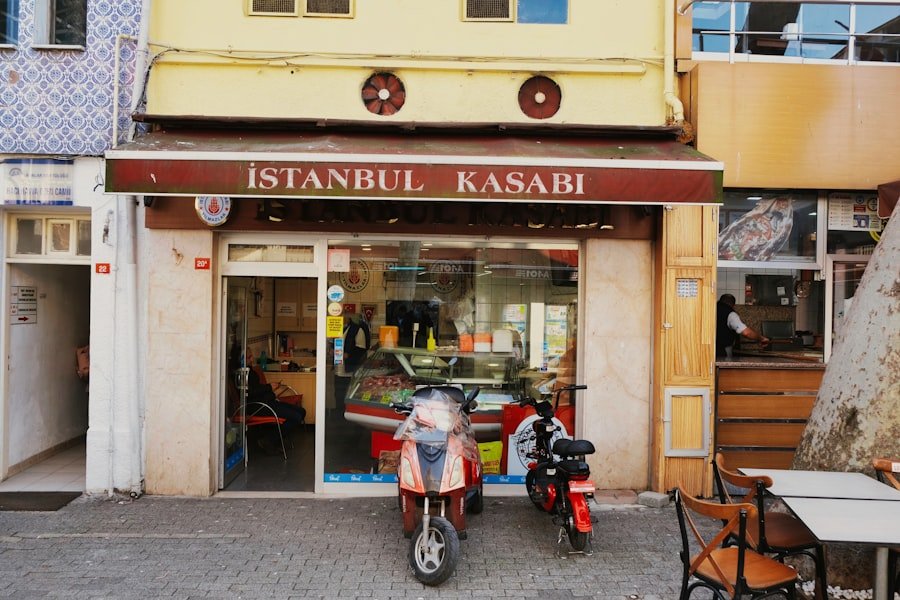
Effective communication is key when navigating dining experiences in Istanbul as a gluten-free eater. While many restaurant staff may speak English, knowing some basic Turkish phrases can enhance your interactions and ensure your dietary needs are clearly understood. For instance, saying “Ben glüten yemiyorum” (I do not eat gluten) is essential when placing an order.
Additionally, you might want to ask if certain dishes contain flour by saying “Bu yemek un içeriyor mu?” (Does this dish contain flour?). It is also helpful to familiarize yourself with common terms related to gluten-containing ingredients. For example, “buğday” means wheat, “arpa” refers to barley, and “çavdar” signifies rye.
Understanding these terms can help you identify potential allergens in dishes more effectively. Moreover, carrying a translation card that outlines your dietary restrictions can be beneficial when dining at establishments where language barriers may exist.
Exploring Istanbul’s Gluten-Free Friendly Neighborhoods
Certain neighborhoods in Istanbul have become hotspots for gluten-free dining and shopping due to their diverse culinary offerings and health-conscious establishments. Areas like Kadıköy on the Asian side of the city boast numerous cafes and restaurants that cater to various dietary preferences, including gluten-free options. The vibrant atmosphere of Kadıköy’s market streets makes it an ideal location for exploring local eateries that prioritize fresh ingredients and innovative cooking techniques.
Another neighborhood worth exploring is Beşiktaş, known for its youthful energy and eclectic food scene. Here, you can find cafes that offer dedicated gluten-free menus alongside traditional Turkish fare. The presence of health-focused eateries has made Beşiktaş a go-to destination for those seeking nutritious meals without compromising on flavor.
As you wander through these neighborhoods, you’ll discover that many establishments are increasingly aware of dietary restrictions and are willing to accommodate guests with specific needs.
Resources for Gluten-Free Travelers in Istanbul
For travelers navigating the culinary landscape of Istanbul while adhering to a gluten-free diet, several resources can enhance their experience. Online platforms such as dedicated gluten-free travel blogs or forums provide valuable insights from fellow travelers who have successfully dined out in the city. Websites like Find Me Gluten Free allow users to search for restaurants based on their dietary needs and read reviews from others who have similar restrictions.
Additionally, mobile applications designed for food allergies can assist travelers in identifying safe dining options while on the go. These apps often include features that allow users to filter restaurants based on specific dietary requirements and provide information about menu items that may contain allergens. Furthermore, social media groups focused on gluten-free living can serve as a supportive community where individuals share tips and recommendations for navigating Istanbul’s food scene effectively.
By leveraging these resources and being proactive about communication and research, gluten-free travelers can enjoy the rich culinary offerings of Istanbul while maintaining their dietary preferences. The city’s blend of traditional flavors and modern dining options ensures that there is something for everyone, making it possible to savor the essence of Turkish cuisine without compromising health needs.
If you are looking for more delicious and healthy recipes to try, check out this article on homemade cottage cheese. This simple and nutritious dish can be a great addition to your gluten-free diet.
FAQs
What is gluten?
Gluten is a group of proteins found in wheat, barley, and rye. It is responsible for the elastic texture of dough and gives bread its chewy texture.
What is a gluten-free diet?
A gluten-free diet is a diet that excludes the protein gluten. It is essential for people with celiac disease, gluten sensitivity, or wheat allergy.
What is celiac disease?
Celiac disease is an autoimmune disorder in which the ingestion of gluten leads to damage in the small intestine. It affects about 1% of the population worldwide.
What are the symptoms of celiac disease?
Symptoms of celiac disease can vary but may include diarrhea, bloating, weight loss, fatigue, and skin rashes. In children, it can also lead to stunted growth.
What is the Istanbul Gluten-Free Guide?
The Istanbul Gluten-Free Guide is an article that provides information on gluten-free dining options in Istanbul, Turkey. It includes recommendations for restaurants, cafes, and bakeries that offer gluten-free options.
Why is it important to have a gluten-free guide for Istanbul?
Having a gluten-free guide for Istanbul is important for individuals with celiac disease, gluten sensitivity, or wheat allergy who are visiting or living in Istanbul. It helps them find safe and enjoyable dining options.
What are some common gluten-free foods?
Common gluten-free foods include fruits, vegetables, meat, fish, dairy products, rice, quinoa, and gluten-free grains such as corn and buckwheat.
Are there gluten-free options available in Istanbul?
Yes, there are gluten-free options available in Istanbul. Many restaurants and cafes in the city offer gluten-free dishes and some even specialize in gluten-free cuisine.