Quick Answer
For a crowd, start with honey mustard, ranch, and barbecue because they cover sweet-tangy, creamy-herby, and smoky flavors. Add buffalo or sriracha mayo if you want heat. For a fresher option, use tzatziki or cilantro-lime sauce. Keep each dip thick enough to cling to the chicken without soaking the breading.
Key Takeaways
- Honey mustard is the easiest all-around pairing when you want both sweetness and acidity.
- Ranch cools spicy chicken, while buffalo and sriracha mayo add heat without changing the crisp texture.
- Homemade sauces let you adjust sweetness, spice, acidity, and thickness to suit the meal.
- For crisp chicken, control the frying temperature and verify doneness with a food thermometer rather than judging by color alone.
Which Dipping Sauces Go Best With Chicken Strips?
The best sauce depends on what you want to add to the chicken. Sweet or smoky sauces make plain strips feel richer, creamy dips soften heat, and acidic or herb-forward sauces cut through fried breading. A mixed platter works well because guests can switch flavors from bite to bite.
Honey mustard is sweet and sharp, ranch is cool and creamy, barbecue adds smoke and sweetness, and buffalo brings tangy heat. Sriracha mayo is richer and spicier, while tzatziki, cilantro-lime sauce, and chimichurri taste fresher and more herb-forward.
Match the Sauce to the Meal
- For kids or mild palates: honey mustard, ranch, barbecue, or sweet-and-sour sauce.
- For spicy food fans: buffalo sauce or sriracha mayo.
- For a lighter, fresher contrast: tzatziki or cilantro-lime sauce.
- For a bold herb flavor: chimichurri.
- For a rich finish: garlic-Parmesan sauce or a creamy ranch variation.
How to Make Crispy Chicken Strips That Hold Up to Dipping
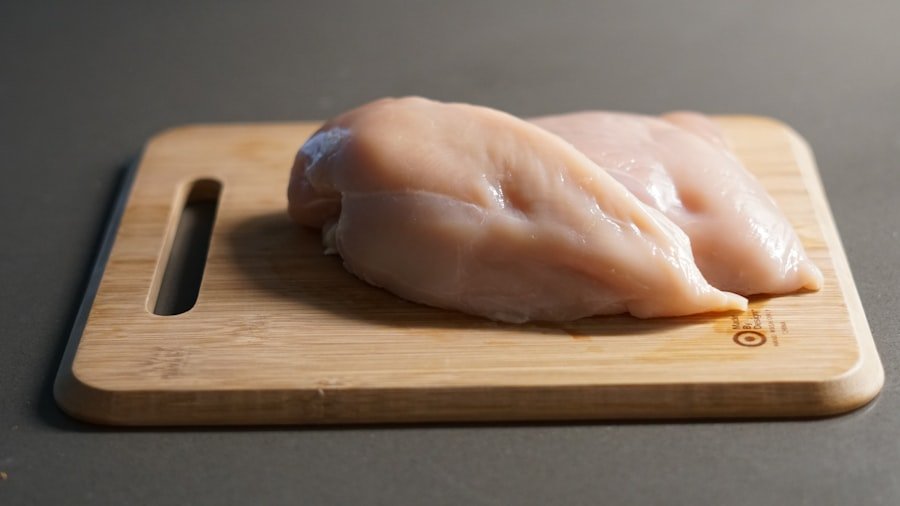
A crisp coating starts with evenly sized chicken strips, a dry surface, and breading that adheres well. Boneless, skinless chicken breast is easy to cut into uniform pieces, while a buttermilk or seasoned brine can add flavor and help the meat stay moist.
Set up three shallow dishes: seasoned flour, beaten egg, and breadcrumbs or panko. Coat each strip in flour first, then egg, then crumbs. If you want a thicker crust, repeat the egg-and-crumb step once more.
For deep frying, the USDA lists 350°F with an approximate 6 to 8 minute cooking time for chicken fingers. Frying time still varies with thickness, so remove a strip from the oil before checking it with a thermometer.
Chicken is safe when the thickest part reaches 165°F (73.9°C), according to USDA FSIS. Do not rely only on a golden crust or the color of the meat.
Warning: Hot frying oil can cause severe burns or fires. Keep water away from the fryer, lower food carefully, do not overcrowd the basket or pan, and never use water on a grease fire.
Homemade Dipping Sauces for Chicken Strips
Homemade dipping sauces are useful because you can adjust sweetness, heat, acidity, and thickness. The combinations below use the ingredients already featured in this article and keep preparation simple enough for a weeknight meal or party platter.
| Dipping Sauce | Ingredients | Preparation |
|---|---|---|
| Honey Mustard | Mayonnaise, Dijon mustard, honey, lemon juice | Mix all ingredients in a bowl until smooth |
| BBQ Ranch | Ranch dressing, BBQ sauce, garlic powder, onion powder | Combine all ingredients in a bowl and mix well |
| Sriracha Mayo | Mayonnaise, Sriracha sauce, lime juice, garlic powder | Whisk all ingredients together until well combined |
| Garlic Parmesan | Butter, garlic, Parmesan cheese, parsley | Melt butter in a pan, add minced garlic, then stir in Parmesan and parsley |
Keep cold sauces chilled until serving. If a dip feels too thick, add a small amount of its acidic or dairy ingredient; if it is too thin, reduce the liquid or add more of the creamy base. Make small adjustments so the sauce still clings to the chicken.
Chicken Strips and Honey Mustard Sauce
Honey mustard is one of the most reliable dipping sauces for chicken strips because sweetness and acidity balance the salty, fried coating. It works especially well when the chicken itself is only lightly seasoned.
A simple version uses equal parts honey and Dijon mustard. For a creamier dip, add mayonnaise or Greek yogurt. Lemon juice can add more acidity, while extra honey makes the sauce sweeter and extra mustard makes it sharper.
Tangy and Spicy Sauces for Chicken Strips
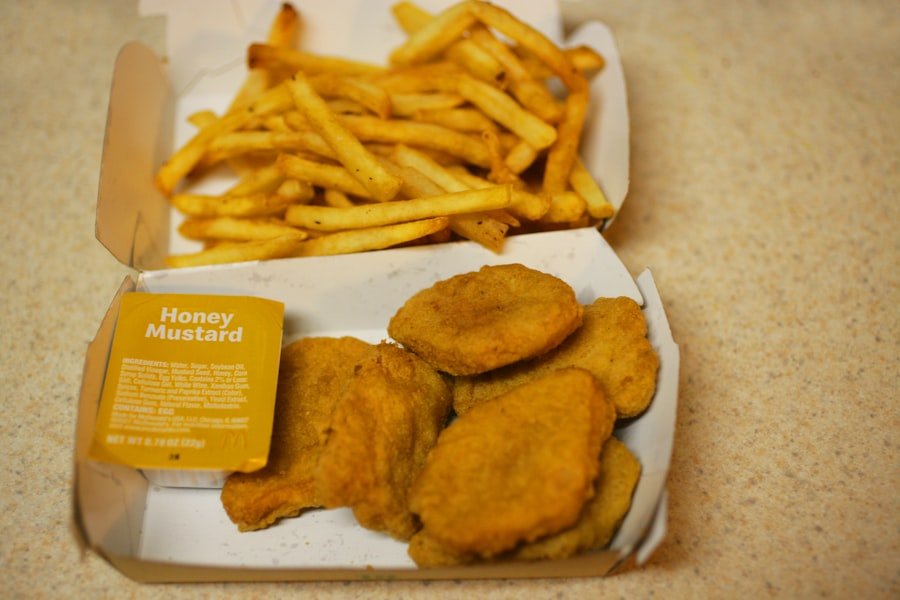
Buffalo sauce and sriracha mayo are the easiest choices when you want heat. Buffalo sauce is thinner, tangier, and buttery; sriracha mayo is thicker and creamier. Both contrast well with crisp breading.
Buffalo Sauce
Buffalo sauce combines hot sauce with melted butter for a spicy, tangy coating or dip. Serve it on the side if you want the chicken to stay crisp longer. Celery and blue cheese dressing add a cool contrast to the heat.
If full-strength buffalo sauce is too hot, mix a small amount into ranch dressing. This keeps the tangy flavor while softening the heat and adding a thicker texture.
Sriracha Mayo
Sriracha mayo combines the chile-garlic heat of sriracha with the richness of mayonnaise. Start with equal parts, as in the original recipe, then adjust the ratio to your preferred spice level.
It also works as a spread for chicken sandwiches or burgers, so leftover sauce does not need to be limited to dipping.
Barbecue Sauce for Chicken Strips
Barbecue sauce is a good match when you want smoky sweetness and a thicker coating. Tomato-based versions tend to cling well to breaded chicken, while more acidic styles can cut through rich fried flavors.
The original homemade version combines ketchup, brown sugar, apple cider vinegar, Worcestershire sauce, smoked paprika, and garlic powder. Simmering the mixture brings the flavors together and lets you adjust sweetness or tang to taste.
Ranch Dressing for Chicken Strips
Ranch is a cool, creamy choice that pairs especially well with spicy chicken. Its usual flavor profile combines a creamy base with garlic, onion, and herbs such as dill or parsley.
For homemade ranch, whisk buttermilk with mayonnaise and season it with herbs and spices. You can also use Greek yogurt for part or all of the creamy base if you prefer a tangier result. Keep homemade dairy-based ranch refrigerated.
Fresh and Unusual Dipping Sauces
Tzatziki, cilantro-lime sauce, and chimichurri make chicken strips feel less heavy because they bring herbs, citrus, or vinegar to the plate. These are useful when the rest of the meal includes vegetables, rice, wraps, or salad.
Tzatziki
Tzatziki is a yogurt-based sauce with cucumber, garlic, lemon, and dill. Its cool, fresh flavor works well against hot fried chicken and can also be served with vegetable sticks on the same platter.
Cilantro-Lime Sauce
A cilantro-lime dip can be made with fresh cilantro, lime juice, sour cream, and garlic powder. Blend until smooth, then serve it with chicken strips, fresh vegetables, or a taco-style plate.
Chimichurri
Chimichurri combines parsley, garlic, vinegar, olive oil, and red pepper flakes. It is thinner than creamy dips, so spoon a small amount over each bite or serve it in a shallow bowl rather than soaking the chicken.
How to Serve Chicken Strips and Dipping Sauces for a Crowd
For a party, serve chicken strips on a wide platter and place several sauces in separate small bowls. This keeps flavors distinct, makes it easier to replace a dip when it runs low, and lets guests try different pairings without crowding one large container.
Use separate spoons for thicker sauces and keep raw chicken tools away from the serving area. Toothpicks or small tongs can make self-service easier, especially when people are standing or moving around.
Food safety matters on a buffet. USDA guidance says to keep hot food at 140°F or warmer and cold food at 40°F or colder. Refrigerate perishable chicken and dairy-based dips within 2 hours, or within 1 hour when the temperature is above 90°F.
Frequently Asked Questions
What are some popular sides for chicken strips?
Popular sides for chicken strips include french fries, coleslaw, macaroni and cheese, onion rings, and side salads. For a more balanced plate, add vegetables or fruit alongside the chicken and choose a sauce that complements the side rather than repeating the same rich flavor.
Are there healthier options for sides with chicken strips?
Yes. Steamed vegetables, quinoa salad, fruit salad, roasted vegetables, or a simple green salad can add fiber and freshness to the meal. Sweet potato fries are another option, especially when baked or air-fried rather than deep-fried.
Can I make my own sides for chicken strips at home?
Yes. Easy homemade sides include oven fries, roasted vegetables, coleslaw, salad, rice, or macaroni and cheese. Choose one crisp or fresh side and one filling side if you are serving chicken strips as a full meal.
What dipping sauces go well with chicken strips?
Honey mustard, ranch, barbecue sauce, buffalo sauce, sriracha mayo, and sweet-and-sour sauce all pair well with chicken strips. For a fresher flavor, try tzatziki, cilantro-lime sauce, or chimichurri. Serving two or three contrasting sauces gives guests more variety.
Can I serve chicken strips with rice?
Yes. Chicken strips can be served with white rice, brown rice, cilantro-lime rice, or garlic-butter rice. Pair mild rice with a bolder sauce such as buffalo or chimichurri, or use a fresh sauce when the rice is already strongly seasoned.
What temperature should chicken strips reach inside?
Chicken strips should reach 165°F (73.9°C) in the thickest part before serving. Check the temperature with a clean food thermometer after removing a strip from the hot oil. Color and crispness alone do not confirm that poultry is safely cooked.
How do you keep chicken strips crispy for a party?
Keep the strips uncovered or loosely covered so trapped steam does not soften the breading. Serve dipping sauces on the side instead of coating the chicken in advance. If you are holding the chicken for guests, keep hot food at 140°F or warmer.
Sources
- USDA FSIS: Deep Fat Frying and Food Safety: Frying temperature, approximate chicken-finger cooking time, and hot-oil safety.
- USDA FSIS: Safe Minimum Internal Temperature Chart: Safe minimum internal temperature for poultry.
- USDA FSIS: Keep Food Safe: Hot and cold holding temperatures and safe buffet handling.