

The pursuit of the perfect crunch in chicken tenders is a culinary journey that many home cooks and professional chefs alike embark upon. The crunch is not merely a textural element; it is a sensory experience that elevates the dish from ordinary to extraordinary. Achieving that coveted crispiness requires a careful balance of ingredients, cooking techniques, and timing.
The outer layer must be golden brown and provide a satisfying crackle when bitten into, while the interior remains juicy and tender. This delicate interplay between the exterior and interior is what makes chicken tenders so universally adored. To achieve this ideal crunch, one must consider the choice of coating.
Traditional breadcrumbs can yield a decent result, but they often lack the lightness and airiness that contribute to an exceptional crunch. Many chefs turn to alternatives like panko breadcrumbs, which are larger and flakier, allowing for more air pockets that create a superior crunch when fried. Additionally, the frying temperature plays a crucial role; oil that is too cool will result in soggy tenders, while oil that is too hot can burn the coating before the chicken is fully cooked.
Mastering these elements is essential for anyone serious about creating the ultimate chicken tender experience.
Key Takeaways
- Achieving the perfect crunch is essential for a satisfying chicken tender experience.
- Seasoning is crucial for enhancing the flavor of chicken tenders.
- Panko and traditional breading have different textures and can affect the overall taste and crunchiness of chicken tenders.
- Buttermilk plays a key role in tenderizing chicken tenders and adding flavor.
- The method of frying, whether in a pan or deep fryer, can impact the texture and taste of chicken tenders.
The Importance of Seasoning
Seasoning is the unsung hero in the quest for delicious chicken tenders. While the crunch and texture are vital, the flavor profile is what truly captivates the palate. A well-seasoned chicken tender can transform a simple dish into a memorable meal.
The seasoning process begins long before the chicken meets its coating; marinating or brining the chicken can infuse it with flavor and moisture. Common marinades include buttermilk, which not only adds flavor but also helps to tenderize the meat, or a simple mixture of salt, pepper, and garlic powder for a more straightforward approach. Once the chicken has been seasoned, attention must turn to the coating.
The flour or breadcrumb mixture should also be seasoned generously. A blend of spices such as paprika, cayenne pepper, onion powder, and dried herbs can elevate the flavor profile significantly. This dual-layer approach ensures that every bite of chicken tender is bursting with flavor, making it an irresistible option for both children and adults alike.
The importance of seasoning cannot be overstated; it is what transforms a basic chicken tender into a culinary delight.
When it comes to breading chicken tenders, a fierce debate rages between proponents of panko and those who swear by traditional breadcrumbs. Panko, originating from Japan, is made from crustless bread that is processed into large flakes. This unique texture allows for greater air circulation during frying, resulting in an exceptionally crispy exterior.
Many chefs prefer panko for its ability to create a light and airy crunch that traditional breadcrumbs often fail to achieve. On the other hand, traditional breadcrumbs have their own merits. They are typically finer and can create a denser coating that some people find appealing.
Traditionalists argue that this type of breading clings better to the chicken, providing a more uniform coating that can be seasoned to perfection. Ultimately, the choice between panko and traditional breadcrumbs may come down to personal preference or the specific dish being prepared. Some chefs even opt for a combination of both to harness the benefits of each type of breading, creating a unique texture that satisfies all palates.
The Role of Buttermilk in Tenderizing
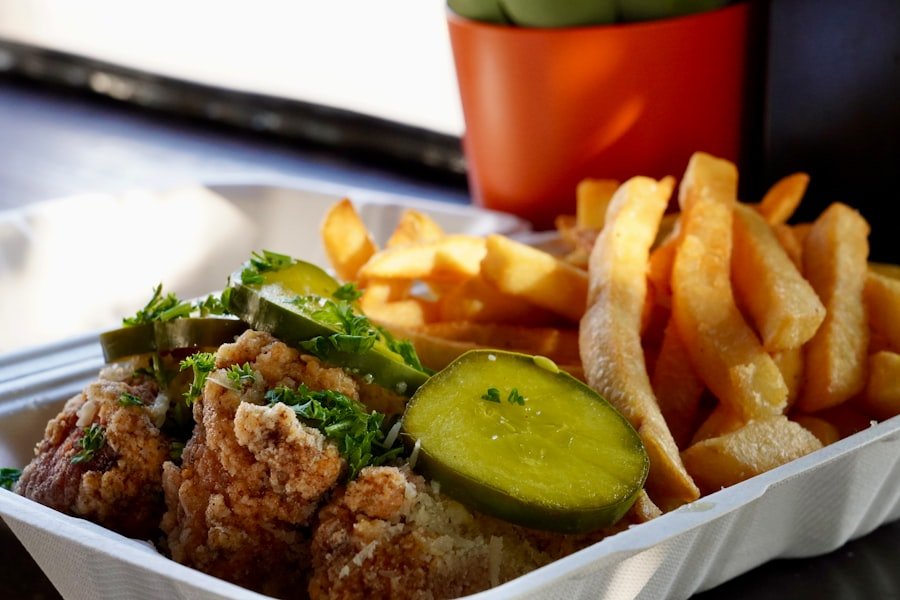
Buttermilk has long been celebrated as a secret weapon in the kitchen, particularly when it comes to tenderizing chicken. The acidity in buttermilk breaks down proteins in the meat, resulting in a more tender and juicy final product. This process is particularly beneficial for chicken tenders, which can sometimes dry out during cooking if not handled properly.
Soaking chicken in buttermilk not only enhances its tenderness but also imparts a subtle tangy flavor that complements the savory notes of the dish. The science behind buttermilk’s tenderizing properties lies in its lactic acid content. This acid works to denature proteins in the chicken, making them more pliable and less likely to become tough during cooking.
Additionally, buttermilk acts as an excellent adhesive for breading, ensuring that the coating adheres well to the chicken during frying. This dual function makes buttermilk an indispensable ingredient in many chicken tender recipes, providing both flavor and texture benefits that are hard to replicate with other marinades.
Frying chicken tenders can be approached in various ways, with two primary methods being pan-frying and deep-frying. Each technique has its own advantages and challenges, making them suitable for different cooking styles and preferences. Pan-frying involves cooking the tenders in a shallow layer of oil in a skillet or frying pan.
This method allows for greater control over the cooking process and can produce deliciously crispy results with less oil than deep-frying. Deep-frying, on the other hand, immerses the chicken tenders completely in hot oil, creating an even cooking environment that can yield perfectly crispy exteriors without risking uneven cooking or burning. While deep-frying may require more oil and equipment, many chefs argue that it produces superior results when done correctly.
The choice between these two methods often depends on personal preference, available equipment, and desired outcomes. Regardless of the method chosen, mastering frying techniques is essential for achieving that perfect golden-brown crust.
The Secret to Even Cooking
| Method | Advantages | Disadvantages |
|---|---|---|
| Rotating the food | Evenly cooks all sides | Requires frequent monitoring |
| Using a convection oven | Even distribution of heat | May require adjusting cooking times |
| Using a sous vide machine | Precise temperature control | Longer cooking times |
Achieving even cooking in chicken tenders is crucial for both safety and taste. Undercooked chicken poses health risks due to potential bacteria like Salmonella or Campylobacter, while overcooked chicken can lead to dry, unappetizing results. To ensure even cooking throughout each tender, several factors must be considered.
First and foremost is the thickness of the chicken pieces; uniformity in size allows for consistent cooking times across all tenders. Another important aspect is temperature control during cooking. Using a meat thermometer can help ensure that each piece reaches an internal temperature of 165°F (74°C), which is safe for consumption.
Additionally, allowing the tenders to rest after frying can help redistribute juices within the meat, enhancing overall tenderness and flavor. Techniques such as double-dipping in batter or breading can also contribute to even cooking by creating a thicker barrier that helps retain moisture while allowing heat to penetrate evenly.
Dipping Sauces: A Must-Have
No discussion about chicken tenders would be complete without mentioning dipping sauces—a quintessential accompaniment that enhances the overall dining experience. The right sauce can elevate even the simplest chicken tender into a gourmet treat by adding layers of flavor and complexity. Classic options like honey mustard or barbecue sauce are perennial favorites, but adventurous eaters might explore more unique pairings such as spicy sriracha mayo or tangy buffalo sauce.
Creating homemade dipping sauces allows for customization based on personal preferences or dietary restrictions. For instance, combining Greek yogurt with herbs and spices can yield a creamy ranch-style dip that’s both healthier and full of flavor. Alternatively, a zesty chimichurri sauce made from fresh herbs, garlic, vinegar, and olive oil can provide a refreshing contrast to the richness of fried chicken tenders.
The possibilities are endless when it comes to dipping sauces; they not only enhance flavor but also add visual appeal to any plate.
The Perfect Pairing: Side Dishes for Chicken Tenders
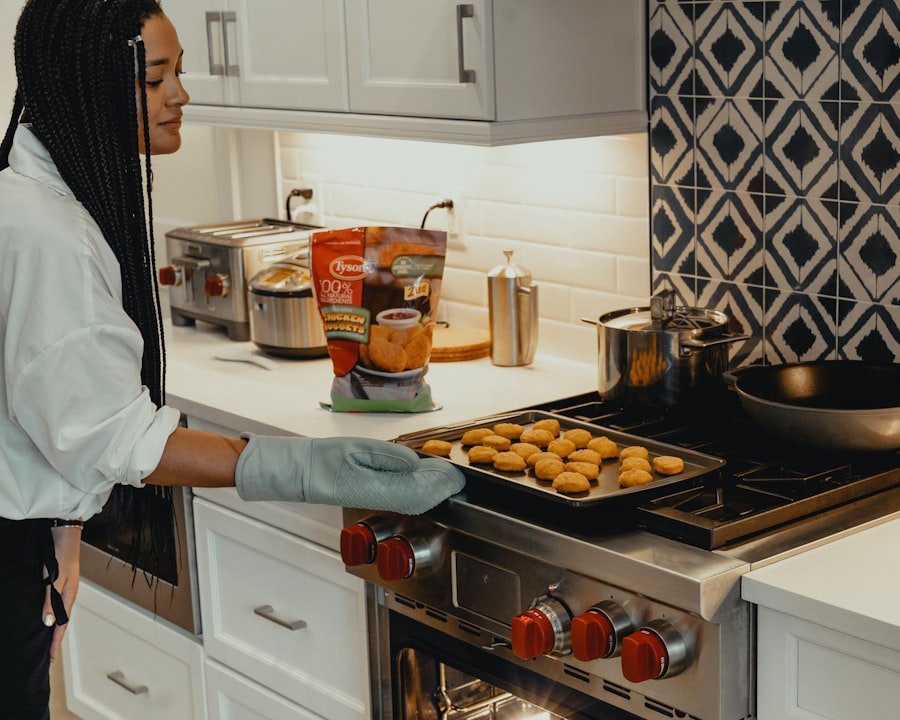
When serving chicken tenders, selecting complementary side dishes can elevate the meal from casual to memorable. Classic accompaniments include French fries or coleslaw; however, there are numerous options that can enhance both flavor and presentation on the plate. For instance, crispy sweet potato fries offer a delightful contrast in taste and texture while providing additional nutrients compared to traditional potato fries.
Another excellent pairing is a fresh salad featuring seasonal vegetables dressed lightly with vinaigrette; this adds brightness and balance to the richness of fried chicken tenders. Alternatively, creamy mac and cheese can provide comfort food appeal that resonates with diners of all ages. Ultimately, choosing side dishes should consider not only flavor compatibility but also visual presentation—colorful vegetables or vibrant sauces can make any plate more enticing.
In recent years, health-conscious consumers have sought alternatives to traditional fried foods without sacrificing flavor or satisfaction. Baked chicken tenders have emerged as a popular option for those looking to enjoy this beloved dish with fewer calories and less fat than their fried counterparts. Baking allows for a crispy exterior when done correctly—using techniques such as coating with oil or using an air fryer can help achieve similar results to frying while significantly reducing oil consumption.
However, achieving that perfect crunch in baked tenders requires careful attention to detail; factors such as oven temperature and cooking time play critical roles in ensuring success. Additionally, using whole grain breadcrumbs or incorporating ground nuts into the coating can enhance nutritional value while still delivering on taste and texture. While baked tenders may not replicate every aspect of their fried counterparts perfectly, they offer an appealing alternative for those seeking healthier options without compromising on flavor.
The Ultimate Chicken Tender Recipe
Creating the ultimate chicken tender recipe involves combining various techniques discussed throughout this article into one cohesive dish that delivers on flavor, texture, and satisfaction. Start by marinating boneless chicken strips in buttermilk mixed with spices like garlic powder, paprika, salt, and pepper for at least two hours—this will ensure tenderness while infusing flavor into the meat. Next comes the breading process: prepare a mixture of panko breadcrumbs seasoned with Italian herbs or your favorite spices for added depth of flavor.
Dredge each marinated tender first in seasoned flour before dipping it back into buttermilk and finally coating it with panko breadcrumbs—this double-dipping technique creates an extra-crispy exterior when fried. Heat oil in either a deep fryer or skillet until it reaches 350°F (175°C) before carefully adding each coated tender—fry until golden brown on both sides (about 3-4 minutes per side). Allow them to rest briefly on paper towels before serving alongside an array of dipping sauces and vibrant side dishes for an unforgettable meal experience.
Tips and Tricks for Making the Best Chicken Tenders
To ensure success when making chicken tenders at home, several tips can help streamline the process while enhancing results significantly. First off, always use high-quality ingredients—fresh chicken breasts or thighs will yield better flavor than frozen options that may have been previously thawed multiple times. Another key tip is to maintain consistent oil temperature during frying; using a thermometer can help monitor this closely throughout cooking sessions—if oil cools too much due to overcrowding in the pan or fryer basket, it may lead to greasy results instead of crispy perfection.
Finally, don’t shy away from experimentation! Trying out different seasonings or dipping sauces can lead you down exciting culinary paths while discovering new favorites along your journey toward mastering homemade chicken tenders!
FAQs
What are some popular sides for chicken tenders?
Some popular sides for chicken tenders include french fries, coleslaw, macaroni and cheese, mashed potatoes, corn on the cob, and side salads.
Are there healthier options for sides with chicken tenders?
Yes, there are healthier options for sides with chicken tenders such as steamed vegetables, quinoa salad, sweet potato fries, and fruit salad.
Can I make my own sides for chicken tenders at home?
Yes, you can make your own sides for chicken tenders at home. Some easy options include homemade french fries, roasted vegetables, and a simple side salad.
What are some dipping sauces that go well with chicken tenders?
Some popular dipping sauces that go well with chicken tenders include barbecue sauce, honey mustard, ranch dressing, buffalo sauce, and sweet and sour sauce.
Can I serve chicken tenders with a side of rice?
Yes, you can serve chicken tenders with a side of rice. Some options include white rice, brown rice, or flavored rice such as cilantro lime rice or coconut rice.