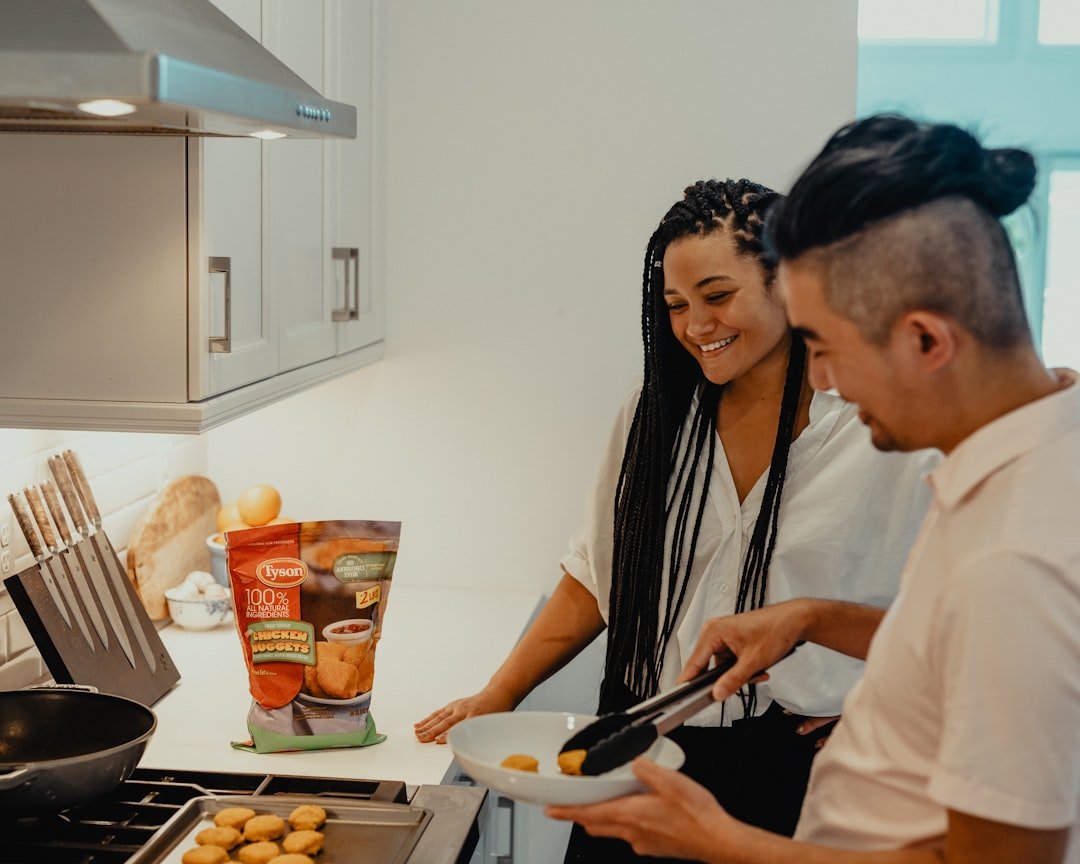
Crispy chicken tenders depend on more than simply coating chicken and dropping it into hot oil. The best results come from seasoning every layer, choosing a coating that browns well, keeping the pieces similar in size, and controlling cooking temperature. With those basics in place, you can get a crunchy exterior without drying out the chicken inside.
Quick Answer
For crisp, juicy chicken tenders, marinate the chicken in the refrigerator, season both the meat and coating, use panko for a lighter crunch, and cook in batches so the heat stays steady. For deep frying, 350°F oil is a practical target. Always confirm the thickest piece reaches 165°F before serving.
Key Takeaways
- Panko creates a lighter, flakier crust, while traditional breadcrumbs produce a finer, denser coating.
- Buttermilk adds tang, helps the breading stick, and can influence the texture of the chicken’s surface during marinating.
- Deep-frying gives consistent browning, while pan-frying uses less oil but requires more turning and temperature control.
- Baked chicken tenders can still become crisp when the coating has some oil and hot air can circulate around each piece.
How to Get the Perfect Crunch on Chicken Tenders
The best crunch comes from a dry, textured coating and steady heat. If the coating is too wet or the cooking temperature drops sharply, the crust can become greasy or soft instead of crisp.
Panko works especially well because its flakes are larger and more irregular than fine breadcrumbs. Those flakes leave small spaces in the crust, which creates a lighter texture after frying or baking.
Traditional breadcrumbs can still make excellent chicken tenders. Their finer texture forms a more compact coating, which may suit you if you prefer an even crust rather than a rough, flaky one.
Temperature matters just as much as breading. Oil that is too cool encourages the coating to absorb more oil, while overheated oil can darken the outside before the center is safely cooked.
Why Seasoning Matters
Seasoning should reach both the chicken and its coating. If you season only the breadcrumbs or flour, the crust may taste good while the chicken underneath remains bland.
You can season the chicken before breading with salt, black pepper, garlic powder, paprika, or other spices you enjoy. A buttermilk marinade is another option because it carries seasoning across the surface of the meat while adding mild tanginess.
The coating should also contain seasoning. Paprika, cayenne pepper, onion powder, garlic powder, black pepper, and dried herbs all work well, but the blend should match the dipping sauce and side dishes you plan to serve.
For the most balanced result, think of the chicken and coating as two separate layers that both need flavor. This prevents you from relying on an aggressively salty or spicy crust to carry the whole dish.
Panko vs. Traditional Breadcrumbs: Which Is Better?
Panko is usually the better choice when maximum crunch is your goal. Traditional breadcrumbs are useful when you want a smoother, tighter coating that covers the chicken more uniformly.
Panko is a Japanese-style breadcrumb made in larger, airy flakes. Because the pieces are coarser than ordinary breadcrumbs, the cooked coating has more visible texture and tends to feel lighter when you bite into it.
Traditional breadcrumbs are finer. They pack together more closely, which creates a denser crust and makes it easier to cover small gaps around the chicken.
You do not have to choose only one. Mixing panko with finer breadcrumbs can give you some of panko’s crunch while maintaining the more complete coverage of traditional crumbs.
The Role of Buttermilk in Chicken Tenders
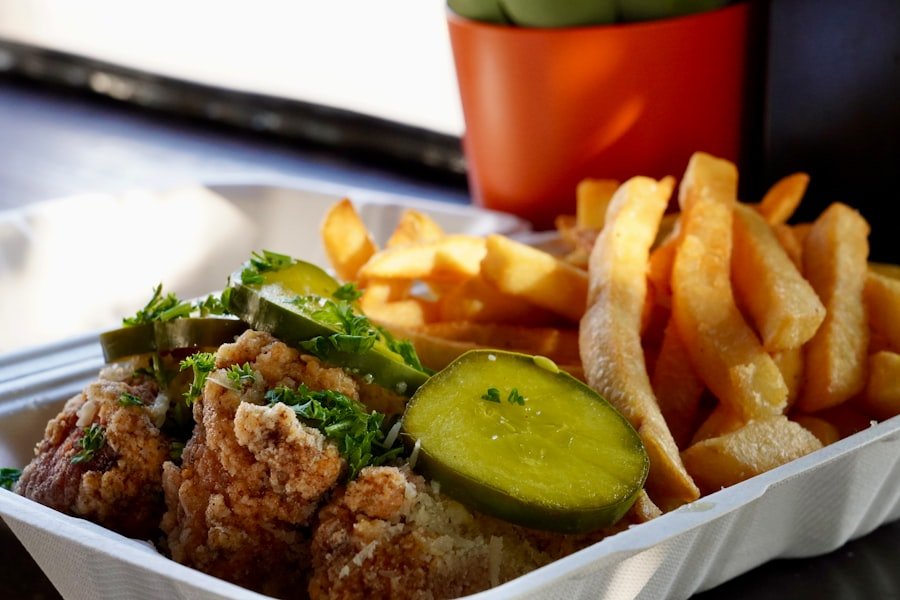
Buttermilk is useful because it adds flavor, keeps the surface moist enough for breading to cling, and provides mild acidity. Acidic marinades can affect poultry texture and flavor, although research shows that changes during shorter marinating periods may be concentrated mainly near the meat’s surface.
A study indexed by the National Library of Medicine’s PubMed database found that marinating time and acidity affected several sensory properties of marinated chicken, with much of the measured effect occurring at the surface.
For homemade chicken tenders, a couple of hours in seasoned buttermilk gives the chicken time to pick up flavor before breading. Keep the chicken covered and refrigerated while it marinates.
The USDA’s poultry marinating guidance says poultry may be kept in marinade in the refrigerator for up to two days. Used marinade that has contacted raw chicken should not be served as a sauce unless it is properly boiled first.
Pan-Frying vs. Deep-Frying Chicken Tenders
Both methods can make crisp chicken tenders, but they cook differently. Deep-frying surrounds the chicken with hot oil, while pan-frying exposes only part of the coating to oil at one time.
Pan-Frying
Pan-frying uses a shallower layer of oil. It requires less oil than deep-frying and gives you direct control over each piece, but you must turn the tenders so both sides brown evenly.
A heavy skillet helps maintain heat. Avoid filling the pan so tightly that the pieces touch because adding too much cold food at once can rapidly lower the oil temperature.
Deep-Frying
Deep-frying fully submerges the chicken, so heat reaches the coating from every direction. This can produce especially even color and texture when the oil temperature stays steady.
The USDA’s deep-frying guidance lists about 350°F (177°C) and approximately 6–8 minutes as a reference for chicken fingers. Actual cooking time can vary with thickness, so temperature inside the chicken is the final test.
Warning: Hot frying oil can cause severe burns and grease fires. Keep water away from hot oil, do not leave frying food unattended, and never pour water onto a grease fire.
The Secret to Even Cooking
Uniform chicken pieces cook more evenly than strips with very different thicknesses. Whatever method you use, the center must be safely cooked before you serve the tenders.
| Method | Advantages | Disadvantages |
|---|---|---|
| Turning the food | Helps exposed sides cook and brown evenly | Requires frequent monitoring |
| Using a convection oven | Circulating air can promote even browning | May require adjusting cooking times |
| Using a sous vide machine | Offers precise temperature control before finishing | Adds equipment and extra steps, and the coating still needs separate crisping |
For ordinary fried or baked tenders, you do not need specialized equipment. Cutting chicken into similar-size strips, leaving room between pieces, maintaining cooking heat, and checking doneness with a food thermometer are more important.
The USDA safe minimum internal temperature chart sets 165°F (74°C) as the minimum internal temperature for poultry. Insert the thermometer into the thickest area of a tender.
Do not rely only on a golden crust. Breading can brown before a thick piece of chicken reaches a safe internal temperature.
Dipping Sauces for Chicken Tenders
A good dipping sauce adds contrast to the salty, crisp coating. Creamy, sweet, tangy, smoky, and spicy sauces can all work, depending on how you season the chicken.
- Honey mustard: sweet and tangy, especially good with mildly seasoned tenders.
- Barbecue sauce: adds sweetness, acidity, and smoky flavor.
- Ranch-style dip: cool and creamy, which balances spicy coatings.
- Buffalo sauce: useful when you want a sharp, spicy finish.
- Sriracha mayo: combines creamy texture with chili heat.
- Chimichurri: fresh herbs, garlic, vinegar, and oil provide a brighter contrast to fried chicken.
You can also make a lighter creamy dip with plain Greek yogurt, herbs, garlic, and seasoning. Serve sauces on the side so the breading stays crisp until you are ready to eat.
The Best Side Dishes for Chicken Tenders
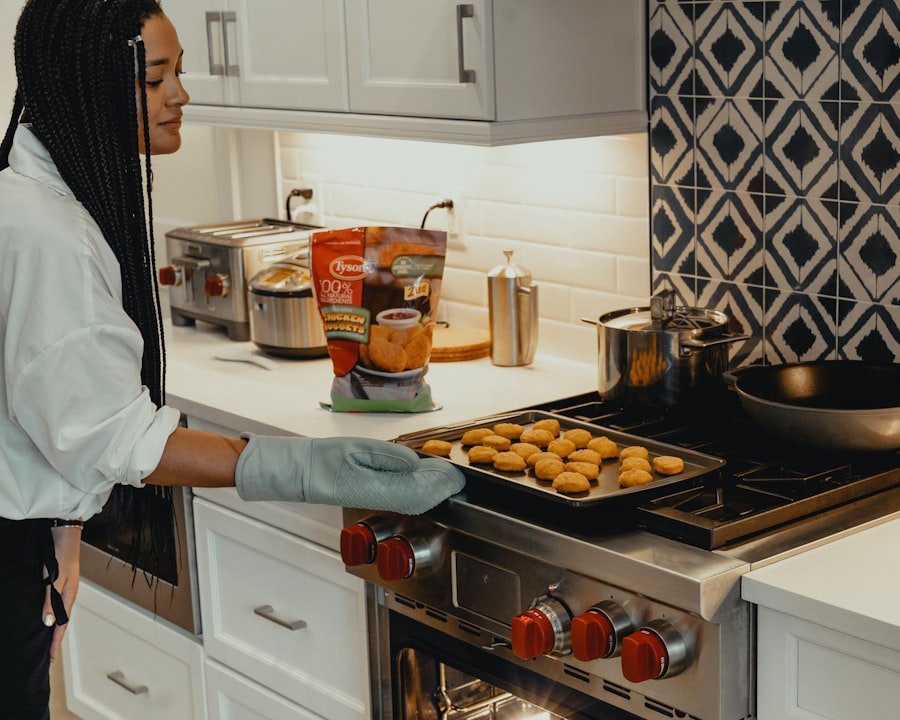
Chicken tenders pair well with sides that provide either crunch, freshness, or a soft comfort-food contrast. Fries and coleslaw remain classics, but they are only two of many useful options.
- French fries: the familiar choice for a casual meal.
- Sweet potato fries: slightly sweeter and a good match for spicy dipping sauces.
- Coleslaw: cool, crisp, and acidic enough to cut through a fried coating.
- Macaroni and cheese: a rich comfort-food pairing.
- Mashed potatoes: soft and mild beside crunchy tenders.
- Fresh salad: adds vegetables, acidity, and a lighter texture.
- Steamed or roasted vegetables: an easy option when you want less fried food on the plate.
- Rice: white, brown, cilantro-lime, or coconut rice can turn the tenders into a more substantial meal.
For a balanced plate, pair the chicken with at least one fresh or lightly cooked vegetable alongside any richer side you enjoy.
Can You Bake Chicken Tenders Instead of Frying Them?
Yes. Baking can produce crisp chicken tenders while using less added oil than deep-frying, depending on the recipe. The main challenge is browning the breadcrumb coating evenly without drying out the chicken.
Panko is particularly useful for baked tenders because its rough flakes develop noticeable texture. Lightly coating the crumbs with oil or cooking spray encourages browning.
Leave space around the chicken so hot air can circulate. A rack placed over a baking sheet can expose more of the coating to moving air, although a well-spaced baking sheet also works.
Baked tenders still need to reach 165°F (74°C) in the thickest piece. Cooking time should be treated as a guide rather than proof of doneness because tender size and oven performance vary.
The Ultimate Chicken Tender Method
A reliable homemade method combines seasoned chicken, buttermilk, a layered coating, and controlled cooking heat. The goal is to build flavor before the tenders ever reach the pan.
- Prepare uniform pieces. Use chicken tenderloins or cut boneless chicken into strips of similar thickness so they cook at roughly the same rate.
- Season the marinade. Combine buttermilk with salt, pepper, garlic powder, paprika, or other seasonings you prefer.
- Marinate under refrigeration. Let the chicken sit in the seasoned buttermilk for at least two hours for this method. Keep it covered and cold.
- Prepare the coating. Season flour and panko rather than relying on plain crumbs.
- Dredge the chicken. Lift each tender from the buttermilk, let heavy excess drip away, coat it in seasoned flour, dip again if you want a thicker crust, and finish with panko.
- Cook in batches. For deep-frying, bring the oil to about 350°F (177°C). Do not crowd the pan or fryer because the oil temperature can fall quickly.
- Check the center. Remove a tender and measure the thickest part with a clean food thermometer. Continue cooking if it has not reached 165°F (74°C).
- Let excess oil drain. A wire rack allows steam to escape from more sides of the coating, which helps preserve crispness.
- Serve promptly. Add dipping sauces at the table rather than pouring them over the tenders in advance.
Tips for Making Better Chicken Tenders
Small handling mistakes often explain why homemade chicken tenders turn out greasy, patchy, dry, or soft. Most problems are easier to prevent than to fix after cooking.
Keep Raw Chicken Away From Ready-to-Eat Food
Use separate utensils, plates, and cutting surfaces for raw chicken and cooked food. Wash your hands after touching raw poultry or its packaging.
Do not rinse raw chicken in the sink. The USDA advises against washing raw poultry because splashing water can spread bacteria to sinks, counters, utensils, and nearby food.
Why Does the Breading Fall Off?
Breading often falls away when excess marinade remains on the chicken or the coating has not been pressed onto the surface. Let extra buttermilk drip away, coat each piece thoroughly, and handle the breaded chicken gently.
Avoid moving pan-fried tenders repeatedly. Let one side set and brown before turning it.
Why Are Chicken Tenders Soggy or Greasy?
Oil that is too cool is a common cause. Overcrowding also drops the temperature because several cold pieces enter the pan at once.
Cook in batches and allow the oil to recover before adding more chicken. After frying, avoid piling hot tenders on top of one another because trapped steam softens the crust.
How Do You Prevent Dry Chicken Tenders?
Keep the strips similar in thickness and stop cooking once they are safely done. Thin pieces will dry out before thick ones finish if the batch is uneven.
A food thermometer is more dependable than repeatedly cutting pieces open. Check the thickest section and remove the chicken once it has reached the safe target temperature.
Experiment With Seasoning, Not Safety
You can change paprika, herbs, chili, garlic, onion powder, or dipping sauces to create different flavor profiles. Keep the core safety rules unchanged: refrigerate raw chicken, prevent cross-contamination, manage hot oil carefully, and cook poultry completely.
Frequently Asked Questions
What are some popular sides for chicken tenders?
Popular sides for chicken tenders include French fries, coleslaw, macaroni and cheese, mashed potatoes, corn on the cob, and side salads. Sweet potato fries, roasted vegetables, or rice also work well when you want to change the meal’s texture or make it more filling.
Are there healthier options for sides with chicken tenders?
Yes. Steamed or roasted vegetables, quinoa salad, fresh fruit, leafy salads, and baked sweet potatoes can add vegetables, fruit, or whole grains to the meal. Which option fits best depends on how the chicken is cooked and what else you are serving.
Can I make my own sides for chicken tenders at home?
Yes. Homemade fries, roasted vegetables, coleslaw, salad, rice, mashed potatoes, and macaroni and cheese are all practical choices. Pick one side that contrasts with the crisp coating, such as a fresh salad or tangy slaw, if the rest of the meal is rich.
What dipping sauces go well with chicken tenders?
Barbecue sauce, honey mustard, ranch dressing, buffalo sauce, and sweet-and-sour sauce are popular choices for chicken tenders. Spicy mayo, yogurt-based herb dips, and chimichurri also work well. Match the sauce to the coating so the flavors complement rather than overpower each other.
Can I serve chicken tenders with rice?
Yes. Chicken tenders pair well with white rice, brown rice, cilantro-lime rice, coconut rice, or other lightly seasoned rice dishes. Rice is especially useful when you want to turn a small portion of tenders into a more substantial lunch or dinner.
Why does the breading fall off chicken tenders?
Breading can fall off when too much marinade remains on the chicken, the coating is applied loosely, or the tenders are moved too often while cooking. Let excess liquid drip away, press the coating onto each piece, and give the first side time to set before turning it.
What temperature should chicken tenders reach inside?
Chicken tenders should reach at least 165°F (74°C) in the thickest part. Use a food thermometer rather than judging doneness only by crust color, because breading can become golden before a thick piece of chicken is fully cooked.
Sources
- USDA Food Safety and Inspection Service: Deep Fat Frying and Food Safety: Supports frying temperature, approximate chicken-finger cooking time, batch-frying precautions, and hot-oil safety.
- USDA Food Safety and Inspection Service: Poultry Basting, Brining, and Marinating: Supports refrigerated marinating practices and the two-day maximum marinating guidance.
- USDA Food Safety and Inspection Service: Safe Minimum Internal Temperature Chart: Supports the 165°F minimum internal temperature for poultry.
- USDA Food Safety and Inspection Service: Washing Food and Food Safety: Supports the recommendation not to wash raw chicken because of cross-contamination risk.
- PubMed: Effect of Marinating Time and Low pH on Poultry Meat: Supports the discussion of acidic marinades, marinating time, and surface-level effects on chicken.