

Potatoes, scientifically known as Solanum tuberosum, are one of the most widely cultivated and consumed crops globally. Originating from the Andean region of South America, they have become a staple food in many cultures due to their versatility, nutritional value, and ability to thrive in various climates. Potatoes are rich in carbohydrates, vitamins, and minerals, making them an essential part of the human diet.
Their adaptability allows them to be grown in diverse soil types and conditions, which is why they are a favorite among home gardeners and commercial farmers alike. Bone meal, a natural fertilizer made from crushed animal bones, has been used for centuries to enhance soil fertility. It is particularly rich in phosphorus and calcium, two essential nutrients that play a crucial role in plant growth and development.
When applied to potato crops, bone meal can significantly improve tuber formation and overall plant health. Understanding the relationship between potatoes and bone meal is vital for gardeners looking to maximize their yields and produce robust, healthy plants.
Key Takeaways
- Bone meal is a natural fertilizer that can benefit potato growth
- Applying bone meal to potatoes can improve soil quality and increase yield
- Best practices for using bone meal include mixing it into the soil before planting
- Potential risks of using bone meal include over-fertilization and attracting pests
- Alternative methods for boosting potato growth include using compost and organic mulch
Benefits of Using Bone Meal for Potato Growth
The primary benefit of using bone meal in potato cultivation lies in its high phosphorus content. Phosphorus is essential for root development, flowering, and fruiting in plants. For potatoes, which develop underground tubers, a strong root system is critical for nutrient uptake and overall growth.
Bone meal provides a slow-release source of phosphorus that can be readily absorbed by potato plants, promoting vigorous root growth and enhancing tuber size and quality. In addition to phosphorus, bone meal also supplies calcium, which is vital for cell wall structure and overall plant integrity. Calcium helps prevent common issues such as blossom end rot, which can occur when plants experience fluctuations in moisture levels.
By ensuring a steady supply of calcium through bone meal application, gardeners can mitigate the risk of such problems and promote healthier potato plants. Furthermore, the organic nature of bone meal contributes to improved soil structure and microbial activity, fostering a more balanced ecosystem in the garden.
How to Apply Bone Meal to Potatoes
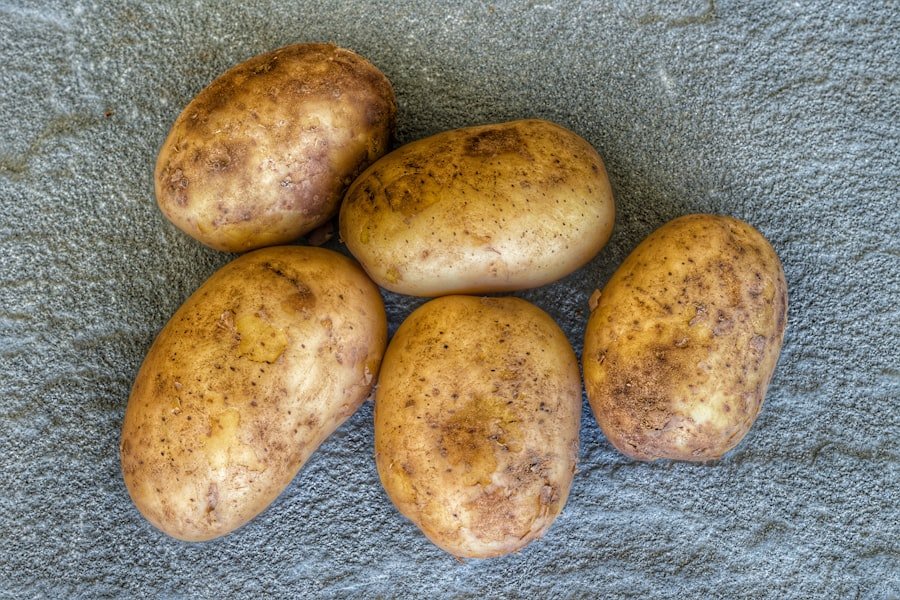
Applying bone meal to potatoes can be done at various stages of growth, but timing and method are crucial for maximizing its benefits. One effective approach is to incorporate bone meal into the soil before planting. This can be achieved by mixing the bone meal with the soil in the planting area at a rate of about 1 to 2 cups per 100 square feet.
This pre-planting application allows the nutrients to become available to the developing roots as they grow. Alternatively, bone meal can be applied as a side dressing during the growing season. This method involves sprinkling bone meal around the base of established potato plants when they are about 6 inches tall.
A general recommendation is to use about 1 tablespoon per plant, ensuring that it is lightly worked into the soil without disturbing the roots. Watering after application helps dissolve the nutrients and facilitates their absorption by the plants. Regular monitoring of plant health will guide further applications if necessary.
Best Practices for Using Bone Meal in Potato Gardens
| Best Practices for Using Bone Meal in Potato Gardens |
|---|
| 1. Use bone meal as a natural source of phosphorus for potato plants. |
| 2. Apply bone meal to the soil before planting potatoes to promote root development. |
| 3. Mix bone meal into the soil at a rate of 1-2 pounds per 100 square feet. |
| 4. Avoid over-application of bone meal, as excessive phosphorus can lead to nutrient imbalances. |
| 5. Water the soil after applying bone meal to help it integrate into the soil. |
| 6. Monitor the growth of potato plants and adjust bone meal application as needed based on plant health. |
To achieve optimal results when using bone meal in potato gardens, several best practices should be followed. First and foremost, conducting a soil test before application is advisable. This test will provide insights into existing nutrient levels and pH balance, allowing gardeners to tailor their fertilization strategy accordingly.
Understanding the specific needs of the soil can prevent over-fertilization and ensure that potatoes receive the right amount of nutrients. Another best practice is to combine bone meal with other organic amendments to create a well-rounded fertilization plan. For instance, mixing bone meal with compost or well-rotted manure can enhance nutrient availability while improving soil structure and moisture retention.
Additionally, applying bone meal in conjunction with other fertilizers that provide nitrogen can support balanced growth throughout the potato’s life cycle. It is essential to monitor plant growth regularly and adjust fertilization practices based on observed needs.
Potential Risks and Precautions When Using Bone Meal
While bone meal offers numerous benefits for potato growth, there are potential risks associated with its use that gardeners should be aware of. One significant concern is the possibility of over-application, which can lead to nutrient imbalances in the soil. Excess phosphorus can inhibit the uptake of other essential nutrients like iron and zinc, potentially leading to deficiencies that affect plant health.
Therefore, adhering to recommended application rates is crucial. Another risk involves the source of the bone meal itself. Some commercially available bone meals may come from animals treated with hormones or antibiotics, raising concerns about food safety and environmental impact.
Gardeners should seek out organic or sustainably sourced bone meal products to mitigate these risks. Additionally, it is wise to store bone meal properly in a cool, dry place to prevent spoilage or contamination.
Alternative Methods for Boosting Potato Growth
In addition to bone meal, several alternative methods can effectively boost potato growth. One popular option is the use of compost, which enriches the soil with a wide range of nutrients while improving its structure and moisture retention capabilities. Compost can be applied at planting time or as a side dressing during the growing season, providing a slow-release source of nutrients that supports healthy plant development.
Another alternative is the use of organic fertilizers such as fish emulsion or seaweed extract. These products are rich in micronutrients and can enhance overall plant vigor while promoting resistance to pests and diseases. Applying these organic fertilizers as foliar sprays or soil drenches can provide immediate benefits to potato plants during critical growth stages.
Tips for Maintaining Healthy Potato Plants
Maintaining healthy potato plants requires attention to several key factors beyond fertilization alone. Proper watering practices are essential; potatoes thrive in consistently moist soil but are susceptible to rot if overwatered. Implementing a drip irrigation system or soaker hoses can help deliver water directly to the root zone while minimizing evaporation losses.
Pest management is another critical aspect of maintaining healthy potato plants.
Regularly inspecting plants for signs of infestation and employing integrated pest management strategies—such as introducing beneficial insects or using organic insecticides—can help keep pests at bay.
Additionally, crop rotation is an effective practice for preventing soil-borne diseases that can affect potatoes. Rotating potatoes with other crops such as legumes or brassicas can disrupt pest life cycles and improve soil health over time.
Maximizing Potato Growth with Bone Meal
Incorporating bone meal into potato cultivation offers numerous advantages that can lead to healthier plants and increased yields. By understanding how to apply it effectively and following best practices for its use, gardeners can harness its benefits while minimizing potential risks.
As gardeners continue to explore sustainable methods for enhancing their crops, bone meal remains a time-tested option that aligns with organic gardening principles. By fostering healthy soil ecosystems and nurturing robust potato plants, growers can enjoy bountiful harvests while contributing positively to their local environments.
FAQs
What is bone meal?
Bone meal is a natural fertilizer made from ground animal bones. It is a good source of phosphorus and calcium, which are essential nutrients for plant growth.
How is bone meal made?
Bone meal is made by grinding up animal bones, typically from cattle, into a fine powder. The bones are first steamed to remove any remaining meat and then dried before being ground into a powder.
What are the benefits of using bone meal for potatoes?
Bone meal is beneficial for potatoes because it provides a slow-release source of phosphorus, which is important for root development and overall plant growth. It also contains calcium, which can help prevent common potato diseases such as potato scab.
How should bone meal be used for potatoes?
Bone meal can be applied to the soil before planting potatoes or worked into the soil around existing potato plants. It is important to follow the recommended application rates on the product label to avoid over-fertilization.
Are there any potential drawbacks to using bone meal for potatoes?
One potential drawback of using bone meal is that it may attract scavengers such as dogs, raccoons, or rodents due to its animal origin. Additionally, excessive use of bone meal can lead to an imbalance of nutrients in the soil.
Are there any alternatives to bone meal for fertilizing potatoes?
Yes, there are several alternatives to bone meal for fertilizing potatoes, including other organic fertilizers such as compost, manure, or fish meal, as well as synthetic fertilizers specifically formulated for potatoes. It is important to choose a fertilizer that provides the necessary nutrients for potato growth.