Bone meal can be useful for potatoes, but it is not a magic “bigger harvest” fertilizer. It works best when your soil test shows low phosphorus and your soil is acidic to neutral. Potatoes need balanced fertility, steady moisture, hilling, and disease-free seed potatoes. Used in the wrong soil, bone meal can waste money, add excess phosphorus, or make scab-prone conditions worse.
Quick Answer
Bone meal can help potatoes only when a soil test shows low phosphorus and the soil is acidic to neutral. Mix it into the soil before planting so roots can reach the slow-release phosphorus. Avoid routine use in high-phosphorus, alkaline, or scab-prone beds because it can worsen nutrient imbalance and disease risk.
Key Takeaways
- Bone meal is mainly a phosphorus fertilizer; it does not supply enough nitrogen or potassium to feed potatoes by itself.
- Use bone meal before planting, not as a quick fix after plants are stressed.
- A soil test matters because excess phosphorus can tie up micronutrients and contribute to runoff problems.
- Bone meal is less useful in alkaline soil because its phosphorus is not readily available above neutral pH.
- Avoid heavy bone meal use where potato scab has been a problem, especially in dry or high-pH soil.
At a Glance
| Time Required | 10–20 minutes per 100 square feet, plus time for a soil test before planting |
| Difficulty | Easy, but only after checking soil phosphorus and pH |
| Tools Needed | Soil test report, measuring cup or scale, gloves, garden fork, hoe, watering can or hose |
| Cost | Usually low to moderate; cost depends on bag size, product analysis, and whether a lab soil test is needed |
Benefits of Using Bone Meal for Potato Growth
Potatoes, scientifically known as Solanum tuberosum, originated in the Andes of South America and are now one of the world’s most important food crops. They are grown for underground tubers that develop from stolons, which are specialized underground stems. A healthy potato crop depends on good seed tubers, loose soil, proper hilling, steady moisture, and the right nutrient balance.
Bone meal is a natural fertilizer made from steamed and ground animal bones. It is best known as a source of phosphorus and calcium. A typical garden bone meal product may have an analysis around 3-15-0, but the exact numbers vary by brand, so the product label matters. Phosphorus supports root growth, plant energy transfer, and tuber development, while calcium contributes to plant structure.
For potatoes, bone meal is most useful when the soil is low in phosphorus. Because phosphorus moves slowly in soil, it works better when mixed into the planting area before seed potatoes go in. This puts the nutrient close to young roots instead of leaving it on the surface where it reacts slowly.
Warning: Do not add bone meal automatically every season. If your soil already has enough phosphorus, extra bone meal can create nutrient imbalance, waste money, and increase environmental runoff risk.
When Bone Meal Helps Potatoes—and When to Skip It
Use Bone Meal When These Conditions Are Met
- Your soil test shows low or very low phosphorus.
- Your soil pH is acidic to neutral, ideally below 7.0 for bone meal phosphorus availability.
- You can mix the bone meal into the soil before planting.
- You are also supplying the nitrogen and potassium potatoes need from compost, a balanced fertilizer, or another soil-test-based amendment.
Skip Bone Meal When These Conditions Apply
- Your soil test already shows medium, high, or excessive phosphorus.
- Your garden soil is alkaline, because bone meal phosphorus becomes much less available.
- Your potato bed has a history of common scab, especially if soil pH is already above the acidic range.
- You are trying to fix yellow leaves or weak vines quickly. Bone meal is slow-release and will not correct most midseason problems fast.
- Pets, raccoons, or rodents regularly dig in your garden and the product label warns that the fertilizer may attract animals.
Note: Bone meal is not a complete potato fertilizer. Potatoes are heavy feeders and usually need nitrogen for vines and potassium for tuber quality in addition to phosphorus.
How to Apply Bone Meal to Potatoes
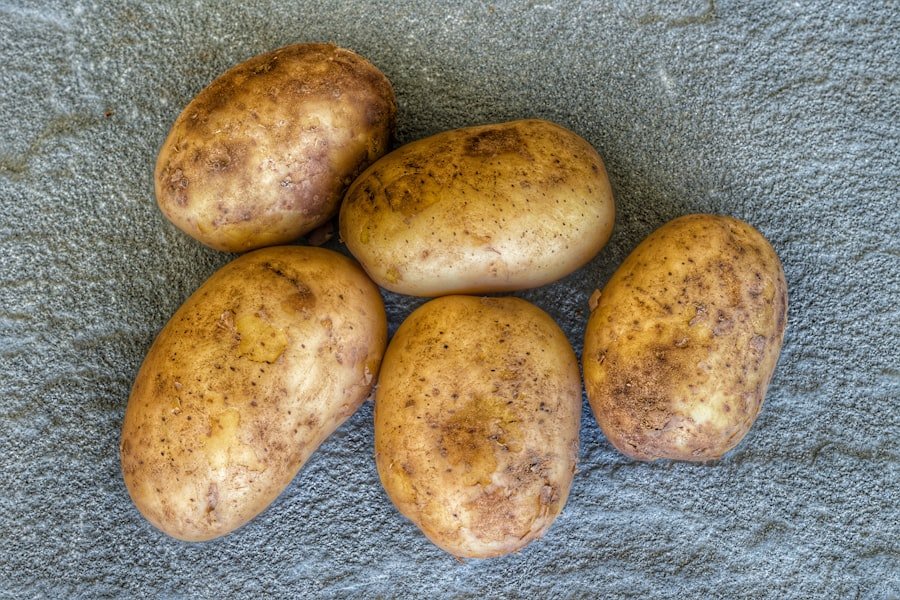
The best time to apply bone meal is before planting or at planting time. This gives the slow-release phosphorus time to become available near the roots as the potato plant grows.
Step-by-Step Application
- Test the soil first. Check phosphorus level and pH before adding bone meal. If phosphorus is already high, skip it.
- Read the product label. Bone meal products vary. Follow the label rate for vegetables or root crops and do not exceed it.
- Prepare the bed. Loosen the top 6 inches of soil and remove rocks or compacted clumps that can deform tubers.
- Mix bone meal into the soil. Spread the measured amount evenly and work it into the planting zone rather than leaving it on top.
- Plant certified seed potatoes. Place seed pieces cut side down, with at least one eye per piece, and cover with soil.
- Water after planting. Moist soil helps nutrients begin moving into the root zone, but avoid soggy conditions.
- Hill as plants grow. Mound soil around stems when plants are about 6–12 inches tall to protect developing tubers from light.
As a general reference, some extension fertilizer examples list bone meal at higher rates than the original article suggested, but bag labels and soil-test results should override any universal number. Measuring by weight is more accurate than measuring by cups because bone meal density varies.
Pro Tip: If your soil test recommends phosphorus, apply bone meal before planting rather than waiting until vines are large. Phosphorus is slow-moving, so early placement near the root zone matters.
Best Practices for Using Bone Meal in Potato Gardens
| Best Practice | Why It Matters |
|---|---|
| Start with a soil test. | It prevents unnecessary phosphorus applications and helps you choose the right fertilizer plan. |
| Check soil pH before using bone meal. | Bone meal phosphorus is most useful in acidic to neutral soil and performs poorly in alkaline soil. |
| Mix bone meal into the planting zone. | Phosphorus moves slowly, so roots need it placed nearby early in the season. |
| Use a balanced fertility plan. | Bone meal provides phosphorus but little nitrogen and no meaningful potassium. |
| Keep moisture consistent. | Potatoes need steady water during tuber formation, while soggy soil increases disease risk. |
| Rotate potato beds. | Crop rotation helps reduce soil-borne disease and pest pressure over time. |
Compost can be paired with bone meal when your soil needs organic matter, but compost is not a precise phosphorus fix. Some composts and manures are already high in phosphorus, so adding them along with bone meal can push soil levels too high. Use compost for soil structure and microbial activity, but use a soil test to guide fertilizer decisions.
Potential Risks and Precautions When Using Bone Meal
Bone meal has benefits, but it also has real limits. The biggest risk is over-application. Too much phosphorus can interfere with micronutrient uptake, especially iron and zinc, even when those nutrients are present in the soil. Symptoms may look like yellowing, weak growth, or poor vigor, but adding more fertilizer can make the problem worse.
Another concern is potato common scab. Common scab is favored by dry soil, higher pH conditions, and certain soil nutrient balances. Bone meal is not the same as lime, but because it adds calcium and phosphorus, it should be used carefully in beds with a scab history. If scab has been a problem, focus first on certified seed potatoes, crop rotation, resistant varieties, steady moisture during tuber set, and soil pH management.
Bone meal can also attract animals because it is made from animal bones. Store it in a sealed container, keep it away from pets, and water it in after application. Wear gloves if desired and wash your hands after handling any fertilizer.
The safest bone meal rule for potatoes is simple: test first, apply only if phosphorus is low, and never use it as a substitute for balanced potato care.
Alternative Methods for Boosting Potato Growth
If bone meal is not a good fit for your soil, there are several better ways to support potato growth.
Compost
Finished compost improves soil structure, drainage, moisture retention, and microbial activity. It is especially helpful in sandy or compacted soil. Use well-finished compost, not fresh manure, because fresh or poorly composted materials can increase disease pressure, add too much nitrogen, or contribute to nutrient imbalance.
Balanced Vegetable Fertilizer
A balanced fertilizer may be a better choice when potatoes need nitrogen, phosphorus, and potassium together. Potatoes often respond well to a complete fertility plan rather than a single-nutrient amendment. Choose a fertilizer based on your soil test and avoid late heavy nitrogen, which can encourage leafy vines at the expense of tubers.
Potassium Sources
Potassium supports tuber quality, plant stress tolerance, and overall performance. If your soil test shows low potassium, use a recommended potassium source instead of relying on bone meal, which does not provide meaningful potassium.
Mulch
Straw, shredded leaves, or other clean organic mulch can help conserve soil moisture, reduce weeds, and keep soil cooler during tuber development. Keep mulch loose and avoid materials that mat heavily or stay soggy.
Tips for Maintaining Healthy Potato Plants
Start With Certified Seed Potatoes
Use certified disease-free seed potatoes instead of grocery-store potatoes. Certified seed helps reduce the chance of introducing disease into the garden and usually produces stronger plants.
Plant in Loose, Well-Drained Soil
Potatoes grow best in sunny locations with fertile, well-drained soil. Loose soil helps tubers expand with fewer deformities. Poorly drained soil increases the risk of rot and diseased tubers.
Water Consistently
Potatoes need consistent moisture, especially during bloom and tuber formation. Aim for about 1 to 1.5 inches of water per week from rain or irrigation, adjusting for soil type and weather. Water deeply at the base of plants rather than lightly sprinkling every day.
Hill at the Right Time
Hilling is essential for potatoes. Mound soil around the stems as plants grow so developing tubers stay covered. Covered tubers are less likely to turn green from sunlight exposure. Start hilling when stems are several inches tall and repeat as needed during early growth.
Watch for Pests
Common potato pests include Colorado potato beetles, aphids, flea beetles, and wireworms. Inspect the undersides of leaves for eggs and larvae. Hand-pick beetles when practical, encourage beneficial insects, and use labeled organic or conventional controls only when needed.
Rotate Crops
Do not grow potatoes, tomatoes, peppers, or eggplants in the same bed year after year. Rotating out of nightshade crops helps reduce pest and disease buildup, including soil-borne problems that can affect potatoes.
Troubleshooting Bone Meal and Potato Problems
Lots of Leaves but Few Potatoes
This is often caused by too much nitrogen, poor sunlight, heat stress, or inconsistent moisture. Bone meal will not fix excess nitrogen. Reduce late nitrogen feeding and focus on steady watering and proper hilling.
Yellow Leaves After Fertilizing
Yellowing can come from overwatering, nutrient imbalance, disease, or micronutrient problems. If you have used phosphorus-heavy fertilizers for several seasons, test the soil before adding more amendments.
Scabby Potato Skins
Common scab is often worse in dry soil and higher-pH conditions. Use certified seed potatoes, rotate crops, avoid excessive liming or alkaline amendments, and keep soil evenly moist during tuber set.
Animals Digging in the Bed
Bone meal can attract pets or wildlife. Mix it into the soil thoroughly, water it in, store the bag securely, and consider a different phosphorus source if digging is a recurring problem.
Maximizing Potato Growth with Bone Meal
Bone meal can be a helpful amendment for potatoes when it solves a real phosphorus deficiency. It is most effective when mixed into acidic to neutral soil before planting. It is least useful when added casually to soil that already has enough phosphorus or when used as a cure-all for weak plants.
The best potato harvests come from a complete plan: certified seed potatoes, loose soil, a soil-test-based fertilizer program, steady moisture, proper hilling, pest monitoring, and crop rotation. Use bone meal as one possible tool, not the whole strategy.
Frequently Asked Questions
What is bone meal?
Bone meal is a natural fertilizer made from steamed and ground animal bones. It is mainly used as a slow-release source of phosphorus and calcium.
How is bone meal made?
Most garden bone meal is made by steaming animal bones, drying them, and grinding them into a powder or granular fertilizer. The nutrient analysis varies by product, so always check the label.
Is bone meal good for potatoes?
Bone meal can be good for potatoes if your soil is low in phosphorus and the pH is acidic to neutral. It is not needed in soil that already has enough phosphorus, and it is less effective in alkaline soil.
How should bone meal be used for potatoes?
Apply bone meal before planting or at planting time. Measure according to the product label and soil test, mix it into the planting zone, plant the seed potatoes, and water the bed afterward.
Can bone meal cause potato scab?
Bone meal does not directly “cause” scab by itself, but heavy use can be a poor choice in scab-prone beds because common scab is favored by dry soil, higher pH, and certain calcium/phosphorus conditions. If scab has been a problem, test your soil and focus on moisture, rotation, certified seed, and resistant varieties.
Can I side-dress potatoes with bone meal?
You can side-dress lightly if a soil test supports added phosphorus, but bone meal is slow-release and works best when mixed into soil before planting. For midseason feeding, potatoes more often need nitrogen or balanced fertilizer based on soil-test guidance.
What are the best alternatives to bone meal for potatoes?
Good alternatives include finished compost, a balanced vegetable fertilizer, or a soil-test-recommended potassium or phosphorus source. The best choice depends on what your soil actually lacks.
Sources
- International Potato Center: Potato — potato origin, importance, growth, and nutrition background.
- University of Minnesota Extension: Growing Potatoes in Home Gardens — soil pH, fertility, planting, and hilling guidance.
- Colorado State University Extension: Organic Fertilizers — bone meal analysis, release time, and pH availability caution.
- Oregon State University Extension: The ABCs of NPK — phosphorus function and low-mobility guidance.
- Purdue Extension: Common Scab of Potato — potato scab risk factors and cultural management.
- West Virginia University Extension: Growing Potatoes for Beginners — watering, fertilizing, pests, and harvest basics.