

Natural disasters, particularly hurricanes, pose significant threats to life, property, and the environment. Understanding the risk associated with these storms is crucial for effective preparedness and response. Hurricanes are categorized by their wind speeds and potential for damage, with the Saffir-Simpson Hurricane Wind Scale classifying them from Category 1 (minimal damage) to Category 5 (catastrophic damage).
Each category brings its own set of risks, including storm surges, heavy rainfall, and tornadoes, which can lead to flooding and destruction far beyond the immediate coastal areas. The geographical location of a home plays a pivotal role in determining the level of risk. Coastal regions are particularly vulnerable to hurricanes, but inland areas can also experience severe weather effects.
For instance, Hurricane Harvey in 2017 caused unprecedented flooding in Houston, Texas, despite the city being located over 50 miles from the Gulf Coast. This illustrates that even areas not directly on the coast can face significant threats from hurricanes, making it essential for all residents in hurricane-prone regions to understand their specific risks and prepare accordingly.
Key Takeaways
- Understanding the Risk: Know the potential risks in your area and understand the impact of natural disasters on your home and community.
- Emergency Preparedness Plan: Create a detailed plan for emergencies, including communication and evacuation strategies for your family.
- Securing Your Home: Take steps to reinforce your home against potential damage, such as securing windows and doors and trimming trees.
- Evacuation Routes and Shelters: Familiarize yourself with evacuation routes and the locations of nearby shelters in case of a mandatory evacuation.
- Stocking up on Supplies: Gather essential supplies such as food, water, medications, and first aid kits to sustain your family during and after a disaster.
Emergency Preparedness Plan
Creating a comprehensive emergency preparedness plan is a fundamental step in safeguarding lives and property during a hurricane. This plan should outline specific actions to take before, during, and after a storm. It is essential to involve all family members in the planning process to ensure everyone understands their roles and responsibilities.
For example, designating a family meeting place and establishing communication methods can help keep everyone connected during chaotic situations. In addition to family logistics, the plan should include details about evacuation routes and local shelters. Knowing where to go and how to get there can save precious time when a storm approaches.
Furthermore, it is advisable to regularly review and update the plan, especially as children grow or family circumstances change. Engaging with local emergency management agencies can provide valuable insights into community resources and support systems available during a disaster.
Securing Your Home

Securing your home against hurricane damage is a critical aspect of disaster preparedness. This involves reinforcing windows and doors, which are often the most vulnerable points of entry for wind and debris. Installing storm shutters or using plywood to cover windows can significantly reduce the risk of breakage.
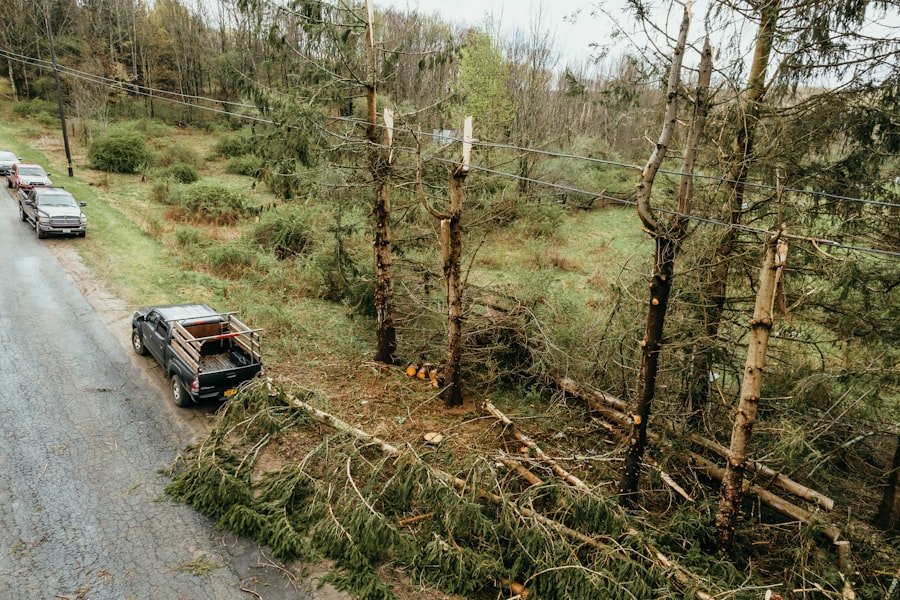
Additionally, securing doors with deadbolts and reinforcing garage doors can help withstand high winds. Beyond physical reinforcements, homeowners should also consider landscaping as part of their home security strategy. Trimming trees and removing dead branches can prevent them from becoming projectiles during a storm.
Furthermore, securing outdoor furniture and other loose items can minimize damage to both your property and that of your neighbors. Taking these proactive measures not only protects your home but also contributes to the overall safety of the community during hurricane events.
Evacuation Routes and Shelters
| Location | Evacuation Routes | Shelters |
|---|---|---|
| City A | Highway 1, Highway 2 | Community Center, School Gym |
| City B | Main Street, County Road 5 | Church, Recreation Center |
| City C | Interstate 10, State Route 25 | High School, Civic Center |
Understanding evacuation routes and identifying local shelters are vital components of hurricane preparedness. Local governments typically provide maps outlining designated evacuation routes that are designed to facilitate safe passage away from affected areas. Familiarizing yourself with these routes ahead of time can alleviate confusion and stress when an evacuation order is issued.
It is also important to consider alternative routes in case primary roads become impassable due to flooding or debris. In addition to knowing how to evacuate, identifying nearby shelters is crucial for those who may not have access to transportation or a safe place to stay. Many communities establish emergency shelters in schools, community centers, or other public buildings equipped to handle large groups of people.
It is advisable to check in advance what amenities these shelters offer, such as food, medical assistance, and accommodations for pets. Being aware of these resources can provide peace of mind and ensure that individuals have a plan in place should they need to evacuate.
Stocking up on Supplies
Stocking up on essential supplies is a critical step in hurricane preparedness that can make a significant difference during and after a storm. Basic supplies should include non-perishable food items, bottled water, medications, first aid kits, flashlights, batteries, and hygiene products. The Federal Emergency Management Agency (FEMA) recommends having at least a three-day supply of food and water for each person in your household.
However, considering the potential for extended power outages or disrupted supply chains, it may be wise to prepare for longer durations. In addition to food and water, it is important to consider specialized needs within your household. For example, families with infants may need baby formula and diapers, while those with pets should stock up on pet food and supplies.
Additionally, having cash on hand is advisable since ATMs may be out of service during power outages. By taking the time to gather these supplies well before hurricane season begins, individuals can ensure they are adequately prepared for any situation that may arise.
Protecting Important Documents
In the chaos that often accompanies a hurricane, protecting important documents is an essential yet frequently overlooked aspect of preparedness. Vital records such as birth certificates, passports, insurance policies, medical records, and property deeds should be stored in a safe place that is easily accessible during an emergency.
Additionally, digitizing important documents can provide an extra layer of protection. Scanning documents and storing them on a secure cloud service ensures that even if physical copies are lost or damaged, individuals still have access to critical information. It is also wise to keep copies of these documents with trusted friends or family members who live outside the hurricane-prone area.
This way, if disaster strikes, you have backup access to essential information that may be needed for insurance claims or recovery efforts.
Staying Informed
Staying informed about weather conditions and emergency updates is crucial during hurricane season. Reliable sources of information include local news stations, weather apps, and official government websites such as FEMA or the National Hurricane Center. These platforms provide real-time updates on storm developments, evacuation orders, and safety recommendations.
In addition to traditional media sources, social media can serve as an effective tool for staying connected with local emergency management agencies and community organizations. Many municipalities have dedicated social media accounts that provide timely information regarding road conditions, shelter availability, and safety tips during storms. However, it is essential to verify information from multiple sources to avoid misinformation that can lead to panic or confusion.
After the Storm: Recovery and Cleanup
The aftermath of a hurricane often presents its own set of challenges as communities begin the recovery process. Assessing damage should be done cautiously; downed power lines and unstable structures can pose significant hazards. It is advisable to wait for official clearance from local authorities before re-entering heavily damaged areas.
Cleanup efforts may require collaboration with neighbors and local organizations focused on recovery assistance. Many communities organize volunteer groups to help with debris removal and restoration efforts.
Engaging in these activities not only aids in recovery but also fosters community spirit during difficult times. Additionally, individuals should remain vigilant about potential health hazards such as mold growth due to water damage; taking prompt action can mitigate long-term health risks associated with post-storm environments. In conclusion, preparing for hurricanes involves understanding risks, creating emergency plans, securing homes, knowing evacuation routes, stocking supplies, protecting documents, staying informed, and participating in recovery efforts after the storm has passed.
Each step plays a vital role in ensuring safety and resilience in the face of nature’s unpredictable forces.
As the hurricane season approaches the Alabama coast, residents are reminded of the importance of preparedness and staying informed about weather updates. While the focus is on safety and readiness, it’s also essential to find moments of comfort and normalcy amidst the storm season. One way to do this is by indulging in simple and healthy recipes that can be made at home, providing both nourishment and a sense of routine. For those interested in exploring new culinary delights during this time, consider trying out a recipe for delicious homemade cottage cheese. This easy-to-make dish can be a versatile addition to your meals, offering a nutritious option that can be enjoyed by the whole family. For more details on how to make this delightful recipe, check out this article on homemade cottage cheese.
FAQs
What is hurricane season in Alabama coast?
Hurricane season in Alabama coast typically runs from June 1st to November 30th. During this time, the area is at an increased risk of experiencing hurricanes and tropical storms.
What are the potential impacts of hurricanes on the Alabama coast?
Hurricanes can bring strong winds, heavy rainfall, storm surges, and flooding to the Alabama coast. These can lead to property damage, power outages, and disruptions to daily life.
How does Alabama prepare for hurricane season?
Alabama prepares for hurricane season by conducting emergency drills, updating evacuation plans, and providing public education on hurricane preparedness. The state also coordinates with federal and local agencies to ensure a coordinated response to potential hurricanes.
What should residents do to prepare for hurricane season?
Residents should create a hurricane preparedness plan, stock up on emergency supplies, secure their homes, and stay informed about potential storms. It is also important to have a communication plan in place and to follow any evacuation orders issued by local authorities.
What resources are available to residents during hurricane season?
During hurricane season, residents can access information from the National Weather Service, Alabama Emergency Management Agency, and local government agencies. These sources provide updates on storm forecasts, evacuation orders, and emergency shelters.