Disclosure: As an Amazon Associate, we earn from qualifying purchases. If you click a link on this page and make a purchase, we may receive a small commission at no extra cost to you.
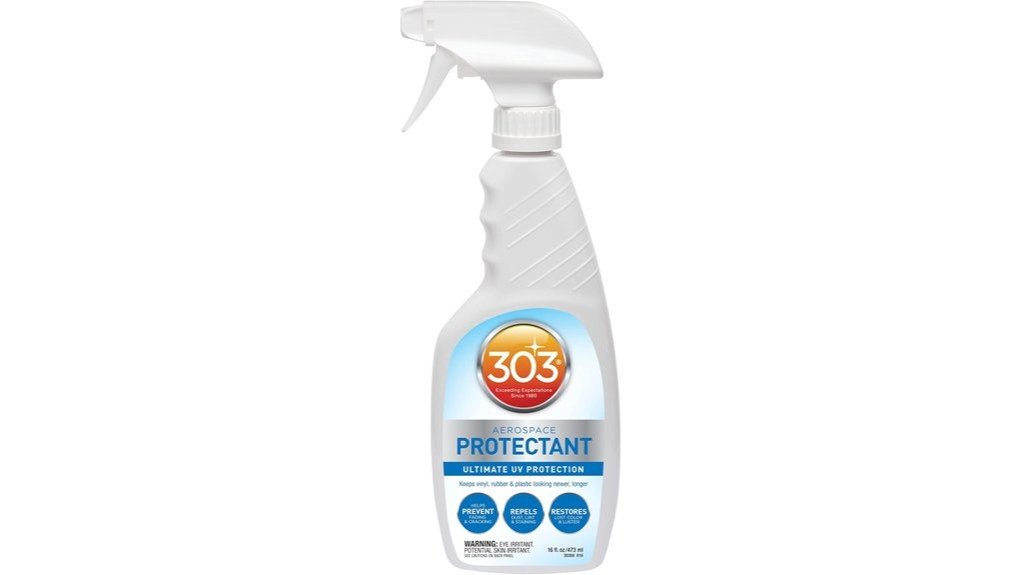
Sun, heat, dust, and outdoor exposure can make vinyl, plastic, rubber, fiberglass, and leather look older faster than expected. 303 Products UV Protectant Spray is made to help protect those surfaces from harmful UV rays, fading, cracking, dust, and environmental wear. It leaves a matte finish instead of a greasy shine, which makes it useful for cars, boats, patio furniture, RV surfaces, and other items you want to keep clean and protected. This review explains where it works best, how to apply it correctly, what to expect after application, its limitations, and when you may want to choose something else.
Quick Verdict
Rating: Recommended with caveats
Best For: Buyers who want a simple UV protectant for compatible vinyl, plastic, rubber, fiberglass, and leather surfaces.
Bottom Line: 303 Products UV Protectant Spray is a strong choice if you want a non-greasy, matte protective finish for surfaces that face sunlight and dust. The main tradeoff is that it is a maintenance product and needs regular reapplication, generally every 3 to 5 weeks for maximum protection.
Key Takeaways
- 303 Products UV Protectant Spray is designed to help protect compatible vinyl, plastic, rubber, fiberglass, and leather from UV-related fading and cracking.
- The spray leaves a matte-style finish, making it a good option for people who dislike greasy or high-gloss surface dressings.
- It also helps repel dust and dirt, which can make routine surface maintenance easier.
- For best results, apply it to a clean, dry surface and wipe it evenly with a microfiber towel.
- Regular reapplication every 3 to 5 weeks is recommended for maximum protection.
- It should not be treated as a cleaner, permanent coating, or repair product for surfaces that are already badly damaged.
- Avoid painted surfaces and areas such as floors, pedals, steering wheels, grips, or other surfaces where slipperiness could create a safety issue.
| Specification | Detail |
|---|---|
| Brand | 303 Products |
| Product type | UV protectant spray |
| Finish | Matte, non-greasy style finish |
| Supported surfaces | Vinyl, plastic, rubber, fiberglass, and leather |
| Main purpose | Helps protect against UV rays, fading, cracking, dust, dirt, and environmental contaminants |
| Application method | Apply to a clean, dry compatible surface and wipe evenly with a microfiber towel |
| Recommended reapplication | Every 3 to 5 weeks for maximum protection |
| Best use | Automotive interiors, boat surfaces, RV trim, outdoor furniture, patio items, and other compatible surfaces |
| Important limitation | Avoid incompatible surfaces and areas where added slickness could create a safety problem |
What Is 303 Products UV Protectant Spray?
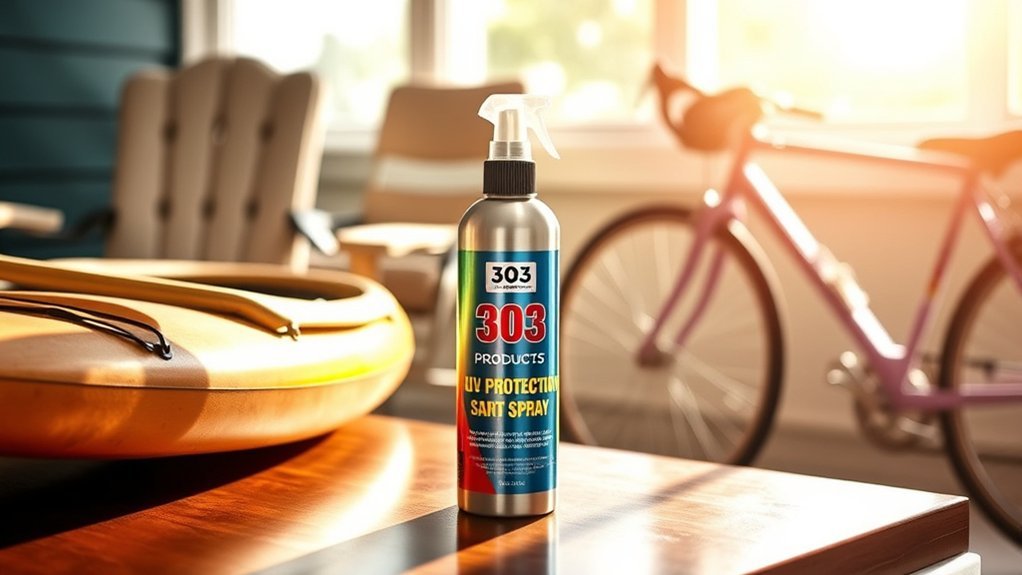
The 303 Products UV Protectant Spray is a versatile surface protectant made for materials that can fade, dry out, dull, or crack after repeated sun exposure. It is designed for vinyl, plastic, rubber, fiberglass, and leather, which makes it useful across several everyday items rather than just one narrow surface type.
It adds a protective layer that helps defend compatible surfaces against UV exposure, dust, dirt, and environmental contaminants. For car owners, that can mean dashboards, door trim, rubber seals, and other compatible interior areas. Outdoors, it can be useful for patio furniture, marine surfaces, RV trim, and other items that spend significant time in sunlight.
The best results come from correct application. Apply it to a clean, dry compatible surface away from direct sunlight, then wipe it evenly with a microfiber towel. The recommended reapplication window in this review is every 3 to 5 weeks, so this should be considered an ongoing maintenance product rather than a one-time treatment.
Before You Buy: Do not assume every automotive or outdoor surface can be treated the same way. Test a small hidden area first when compatibility is uncertain and always follow the current instructions printed on the product label.
Who Should Buy It?
Best For
- Car owners who want a matte protectant for compatible interior vinyl, plastic, rubber, or leather surfaces.
- Boat, RV, and outdoor furniture owners who need ongoing UV protection for sun-exposed materials.
- Buyers who prefer a simple spray-and-wipe product that also helps repel dust and dirt.
- People who dislike the glossy or greasy appearance of some traditional surface dressings.
Skip If
- You need a product specifically made for paint, fabric, glass, or another unsupported material.
- You want a permanent or extremely long-lasting coating that does not require routine maintenance.
- You prefer a glossy or wet-look finish.
- You need a cleaner capable of removing stains, grease, mildew, or heavy grime.
How 303 Products UV Protectant Works on Various Surfaces
303 Products UV Protectant Spray works across several common materials, including vinyl, plastic, rubber, fiberglass, and leather. That broad surface compatibility is one of its main advantages because vehicles, boats, RVs, and outdoor furniture often contain several of these materials at the same time.
Its biggest advantage is combining UV protection with a clean matte finish across several compatible surface types.
On vinyl and plastic, the primary benefit is protection against fading, dullness, and sun-related aging. On rubber, it can help the surface look cleaner and better maintained when applied correctly. On compatible fiberglass and leather, the matte finish can be useful when you want protection without an artificial high-gloss appearance.
Surface-by-Surface Compatibility Guide
| Surface | Typical Use | Important Note |
|---|---|---|
| Vinyl | Seats, interior trim, outdoor items | Apply lightly and wipe evenly for a matte finish. |
| Plastic | Dashboards, trim, outdoor plastics | Test older, textured, coated, or previously treated plastics first. |
| Rubber | Seals, trim, weather-resistant components | Do not use where added slipperiness could affect grip or safety. |
| Fiberglass | Marine and RV surfaces | Start with a clean surface and test a small area first. |
| Leather | Compatible finished leather surfaces | Test first, particularly on dyed, worn, coated, or previously treated leather. |
| Painted surfaces | Vehicle or household paint | Choose a product specifically intended for the painted surface instead. |
| Grip or walking surfaces | Floors, pedals, steering wheels, grips | Avoid applications where a slick surface could create a safety risk. |
Feature-by-Feature Review
UV Protection and Surface Aging
The main reason to buy 303 Products UV Protectant Spray is to help reduce damage associated with sunlight. Repeated UV exposure can cause some materials to fade, dry out, or crack over time. This product is designed to add a protective layer when used as part of regular surface care.
It is particularly useful for compatible surfaces that spend time near windows, inside vehicles, on boats, in RVs, or outdoors. Shade, protective covers, and routine cleaning are still useful, but the spray adds another layer of maintenance for materials that receive regular sun exposure.
Matte Finish and Clean Look
Many protectants leave a shiny or greasy appearance that not every buyer wants. This spray is designed to leave a matte-style finish, making it particularly attractive for dashboards, interior trim, and outdoor surfaces where a more natural appearance matters.
The final result still depends on the condition of the surface and how evenly the product is applied and wiped. Heavy application can make the result less consistent, so using a controlled amount is important.
Dust and Dirt Repellent Benefit
The product also helps repel dust and dirt. That does not mean a treated surface becomes maintenance-free, but it can make routine cleaning easier. This can be particularly useful on vehicle interiors, RV trim, patio furniture, and boat surfaces that quickly collect dust.
Do not apply protectant over heavy grime. Clean the surface first, allow it to dry, and then apply a thin, controlled layer.
Ease of Application
The spray-on format is simple and does not require specialized equipment. A clean microfiber towel is usually the most important application tool. Apply a controlled amount, spread it evenly, and wipe away excess product.
Too much product can create streaks or uneven areas, particularly on textured surfaces. A lighter application followed by thorough wiping usually produces a cleaner result.
Maintenance Schedule
This review recommends reapplying the protectant approximately every 3 to 5 weeks for maximum protection. Surfaces exposed to strong sunlight, outdoor conditions, frequent washing, or regular handling may require more consistent maintenance.
Items stored indoors and exposed to little sunlight may experience less environmental stress. Regardless of location, inspect the surface regularly rather than assuming one application will provide permanent protection.
What 303 UV Protectant Does Not Do
Understanding what a protectant cannot do is just as important as understanding its benefits. 303 UV Protectant should not be treated as a substitute for every other detailing or maintenance product.
- It is not a heavy-duty cleaner. Remove dirt, oils, stains, mildew, and contamination before applying it.
- It is not a permanent coating. Protection needs to be renewed through regular application.
- It cannot reverse severe existing damage. Deep cracks, permanent fading, torn material, and badly deteriorated surfaces may require restoration or replacement.
- It does not make every surface compatible. Material type, coatings, dyes, previous treatments, and surface condition still matter.
- It does not replace shade or covers. Reducing direct sun exposure can still help extend the life of outdoor and automotive surfaces.
How to Apply 303 UV Protectant Correctly
Application technique can make a noticeable difference in the final appearance. The goal is to create a thin, even layer rather than saturating the surface.
- Check compatibility. Confirm that the material is suitable for the product and test a hidden area when necessary.
- Clean the surface. Remove dust, dirt, grease, and other contamination before applying protectant.
- Let the area dry. Applying protectant to a wet surface can interfere with even coverage.
- Work away from direct sunlight. A cool, shaded surface gives you better control during application.
- Apply a controlled amount. Avoid soaking the material.
- Spread and wipe evenly. Use a clean microfiber towel to distribute the product across the surface.
- Inspect for streaks. Wipe away excess product rather than allowing heavy spots to remain.
- Repeat as needed. Maintain protection with regular reapplication rather than waiting for surfaces to look badly faded.
Pro Tip: For small areas, narrow trim, or places where overspray would be inconvenient, apply the product to a microfiber towel first and then wipe the surface. This gives you more control over where the protectant goes.
What Users Love About 303 Products
A major attraction of 303 Products UV Protectant Spray is its versatility. Instead of requiring a different protectant for every compatible material, it can be used across several types of vinyl, plastic, rubber, fiberglass, and leather surfaces.
The matte finish is another major advantage for buyers who dislike the oily appearance associated with some traditional surface dressings. This is especially useful for dashboards, interior panels, RV trim, and visible outdoor surfaces where a natural-looking finish is preferred.
The dust and dirt repellent qualities add another practical benefit. Surfaces will still need cleaning, but routine maintenance may be easier when the product is applied correctly and reapplied as necessary.
How It Performs in Real Use
For Automotive Interiors
For automotive interiors, 303 UV Protectant is best suited to compatible vinyl, plastic, rubber, and leather surfaces. It can be useful on dashboards, trim, seals, and other areas that receive regular sunlight.
The matte appearance is particularly appealing inside vehicles because it avoids the highly reflective dashboard finish created by some glossy dressings. However, keep it away from steering wheels, pedals, controls, and other areas where grip is important.
For Outdoor Furniture
Outdoor furniture faces sunlight, dust, heat, and changing weather conditions. On compatible materials, the protectant can become part of a regular care routine intended to reduce fading and surface aging.
Use it after cleaning rather than trying to cover dirt, algae, mildew, or stains with protectant. Heavily weathered furniture may need restoration or deeper cleaning before a protectant can provide a satisfactory finish.
For Boats and RVs
Boats and RVs often combine vinyl, rubber, plastic, and fiberglass, making broad material compatibility particularly useful. Sun-exposed trim and compatible interior or exterior components can benefit from routine protection.
Marine and RV surfaces may also collect significant dirt, salt, dust, or road contamination, so careful cleaning before application is important.
For Long-Term Maintenance
This is not a permanent coating. Its value comes from repeated maintenance. If you apply it correctly, monitor the surface condition, and reapply it regularly, it can become a simple part of a long-term care routine for vehicles, boats, RVs, patio furniture, and similar items.
303 UV Protectant vs. Traditional Surface Dressings
Not every surface-care product is designed with the same goal. Traditional dressings often focus heavily on changing the appearance of a surface, sometimes producing a noticeable shine or wet look. 303 UV Protectant is a better match for users whose priority is UV protection combined with a more natural matte appearance.
| Factor | 303 UV Protectant | Gloss-Focused Dressing |
|---|---|---|
| Typical appearance | Matte and natural-looking | Often shinier or more noticeable |
| Main reason to use | UV protection and surface maintenance | Often appearance enhancement |
| Best fit | Users who dislike greasy-looking finishes | Users who intentionally want more shine |
| Maintenance | Requires periodic reapplication | Varies by formula and application |
The better choice therefore depends on your goal. If you want a dramatic shine, a dedicated glossy dressing may be more appropriate. If you prefer a low-gloss appearance with ongoing UV-focused protection, 303 Products UV Protectant is likely the better fit.
Tips for Optimal Use and Maintenance With 303 UV Protectant
Achieving the best results with 303 UV Protectant Spray requires both correct application and regular upkeep. The protective effect is not permanent, so reapplication every 3 to 5 weeks is recommended in this review for maximum protection.
Prioritize surface preparation by making sure the area is clean and dry. Applying the spray in shaded conditions gives you more control and helps reduce uneven application.
After application, wipe the surface thoroughly with a clean microfiber towel. If streaks or heavy areas remain, remove excess product rather than adding another coat immediately.
Common Mistakes to Avoid
The biggest mistake is applying the spray to a dirty or wet surface. Dirt prevents uniform contact with the material, while moisture can interfere with an even finish. Clean first, allow the surface to dry, and then apply a controlled amount.
Another common mistake is using too much product. Heavy application can produce streaks or an uneven look, particularly on textured plastic or vinyl. A lighter layer is easier to distribute evenly.
Avoid applying the protectant to a hot surface in direct sunlight. Shade provides more working time and makes controlled application easier.
Finally, do not assume that more product means more protection. Proper preparation, even coverage, and regular maintenance are more important than saturating the material.
Compatibility and Safety
303 Products UV Protectant Spray is intended for compatible materials such as vinyl, plastic, rubber, fiberglass, and leather. These materials are common in vehicles, boats, RVs, patio furniture, and household items, giving the spray broad practical usefulness.
Compatibility still matters. Avoid using the product on surfaces for which it is not intended, and do not apply it to floors, pedals, steering wheels, grips, or other locations where a change in surface traction could create a safety issue.
For leather, plastics, rubber, fiberglass, or any older or previously treated material, test a small hidden area first. This is particularly important when the surface is worn, dyed, coated, refinished, or has been treated with another chemical product.
Always follow the current manufacturer label and product-specific directions if they differ from general advice in this review.
Pros and Cons
Pros
- Works on several common compatible materials, including vinyl, plastic, rubber, fiberglass, and leather.
- Helps protect surfaces from UV-related fading and cracking.
- Matte finish is useful for buyers who dislike greasy or high-gloss protectants.
- Simple spray-and-wipe application.
- Dust and dirt repellent qualities can make routine maintenance easier.
- Useful across automotive, marine, RV, and outdoor applications.
Cons
- Needs periodic reapplication rather than providing permanent protection.
- Not appropriate for every surface type.
- Can streak when applied too heavily or wiped unevenly.
- Does not repair surfaces that are already severely faded, cracked, or deteriorated.
- Must be kept away from surfaces where added slipperiness could create a safety problem.
Things to Consider Before Buying
Before buying 303 Products UV Protectant Spray, think first about the surfaces you actually plan to treat. Its value is highest when you own several compatible vinyl, plastic, rubber, fiberglass, or leather items that regularly face sunlight.
You should also be comfortable with periodic maintenance. If your goal is to apply a product once and forget about it for an extended period, this may not match your expectations. The recommended routine in this review involves reapplication every 3 to 5 weeks for maximum protection.
Finish preference matters as well. This product is particularly appealing when you want a matte, low-gloss appearance. Someone specifically seeking a dramatic wet-look shine may prefer a different type of dressing.
Finally, consider whether you need protection, cleaning, restoration, or all three. 303 UV Protectant is primarily a protectant. Dirty or deteriorated materials may require separate cleaning or restoration before protection is applied.
Best Buying Scenario: This product makes the most sense if you regularly maintain a car, RV, boat, patio setup, or several outdoor items and want one matte-finish UV protectant that works across multiple compatible material types.
Frequently Asked Questions
What is 303 UV Protectant used for?
303 UV Protectant is used to help protect compatible vinyl, plastic, rubber, fiberglass, and leather surfaces from UV-related fading, cracking, dust, dirt, and environmental exposure. Common applications include vehicle interiors, boats, RVs, patio furniture, and other sun-exposed items.
Does 303 UV Protectant leave a shiny finish?
It is designed to leave a more natural matte-style finish rather than the oily or wet-look shine associated with some surface dressings. Proper wiping is important because excess product can affect the final appearance.
How often should you apply 303 UV Protectant?
This review recommends reapplication approximately every 3 to 5 weeks for maximum protection. Actual maintenance needs can vary depending on sunlight, weather exposure, washing, handling, and the condition of the surface.
Can you use 303 UV Protectant on a car dashboard?
It can be useful on compatible dashboard materials such as certain vinyl and plastic surfaces. Apply a controlled amount and wipe it thoroughly to maintain a matte appearance and reduce excess residue. Test a hidden area first if you are unsure about the dashboard material or coating.
Can 303 UV Protectant be used on leather?
Leather is included among the compatible material types discussed in this review. However, leather finishes vary considerably, so test an inconspicuous area first, particularly on dyed, coated, worn, specialty, or previously treated leather.
Can 303 UV Protectant remove existing fading or cracking?
It should be considered a protective maintenance product rather than a repair treatment. It may improve the maintained appearance of a compatible surface, but it cannot restore material that is permanently faded, deeply cracked, torn, or structurally deteriorated.
Should you clean the surface before applying 303 Protectant?
Yes. Applying it to a clean and dry surface helps produce more even coverage. Heavy dirt, grease, stains, mildew, or other contamination should be removed before applying the protectant.
Where should you not use 303 UV Protectant?
Avoid unsupported materials and locations where a change in grip could become hazardous. Floors, pedals, steering wheels, grips, and similar surfaces should not be treated if doing so could make them slippery. For uncertain materials, test a small hidden area and follow the current product label.
Conclusion: Is 303 Products UV Protectant Worth It?
303 Products UV Protectant Spray is a practical choice for people who regularly maintain vinyl, plastic, rubber, fiberglass, or leather surfaces exposed to sunlight. Its biggest advantages are broad compatibility, straightforward spray-and-wipe application, UV-focused protection, dust and dirt repellency, and a matte finish that avoids the greasy look of many traditional dressings.
It is especially well suited to car interiors, RV components, boats, patio furniture, and other compatible surfaces where fading and long-term sun exposure are concerns. It can also simplify maintenance when you would otherwise need separate protectants for several different material types.
However, it is important to have realistic expectations. This is not a permanent coating, a heavy-duty cleaner, or a repair treatment for severely damaged material. Consistent surface preparation and periodic reapplication are part of getting the best results.
Overall, 303 Products UV Protectant Spray is worth considering if your priority is ongoing UV protection with a clean, low-gloss appearance. Buyers who want a permanent coating, a high-gloss finish, or a product for unsupported surfaces should consider a more specialized alternative.
Final Recommendation
Recommended for buyers who want an easy-to-use, matte-finish UV protectant for compatible automotive, marine, RV, and outdoor surfaces and do not mind routine reapplication.