

Moss propagation is a fascinating process that allows enthusiasts and gardeners to cultivate these unique plants, which thrive in moist, shaded environments. Unlike flowering plants, mosses reproduce through spores and vegetative means, making their propagation methods distinct. Understanding the biology of mosses is crucial for successful propagation.
Mosses belong to the Bryophyta division and are non-vascular plants, meaning they lack the complex structures found in higher plants. They absorb water and nutrients directly through their leaves, which makes their growth conditions quite specific. The life cycle of mosses includes two main stages: the gametophyte stage and the sporophyte stage.
The gametophyte is the dominant phase, where the moss plant grows and develops. It produces gametes—sperm and eggs—that require water for fertilization. Once fertilization occurs, a sporophyte develops, which produces spores that can disperse to create new gametophytes.
This unique reproductive cycle highlights the importance of moisture in both the propagation and growth of mosses, as it is essential for the fertilization process and for the germination of spores.
Key Takeaways
- Moss can be propagated through division, spores, and fragmentation
- Choose the right moss species for your propagation project based on the environment and desired aesthetic
- Create a suitable propagation environment by providing the right moisture, light, and temperature conditions
- When collecting moss for propagation, ensure that you do so responsibly and without harming the natural environment
- Maintain the propagation environment by regularly monitoring moisture levels and providing necessary care for healthy moss growth
Choosing the Right Moss Species
Selecting the appropriate moss species is a critical step in successful propagation. There are numerous species of moss, each with its own specific habitat requirements and aesthetic qualities. For instance, Sphagnum moss is often favored for its water-retaining properties and is commonly used in gardening and landscaping.
It thrives in acidic environments and can be found in wetlands, making it an excellent choice for bog gardens or as a soil amendment. On the other hand, species like Hypnum or Polytrichum are more versatile and can adapt to a variety of conditions, including shaded forest floors or rocky outcrops. When choosing a species, consider the intended use—whether for decorative purposes in a terrarium or as ground cover in a garden.
Additionally, understanding the local climate and soil conditions will help in selecting a moss that will thrive in your specific environment. Researching native moss species can also provide insights into which varieties are best suited for your area, promoting biodiversity and ecological balance.
Preparing the Propagation Environment
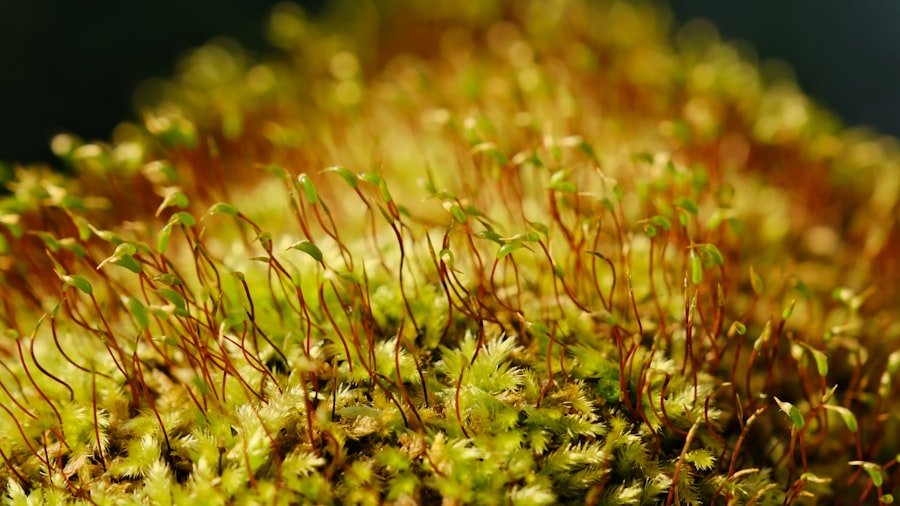
Creating an optimal environment for moss propagation is essential for success. Mosses prefer cool, humid conditions with indirect sunlight. When preparing a propagation area, consider using containers that allow for adequate drainage while retaining moisture.
Shallow trays or pots filled with a substrate that mimics their natural habitat—such as a mix of peat, sand, and perlite—can provide an ideal growing medium. Humidity is another critical factor; maintaining high humidity levels can be achieved by misting the moss regularly or covering the propagation area with a clear plastic lid or plastic wrap to create a greenhouse effect. However, it’s important to ensure that there is adequate air circulation to prevent mold growth.
The temperature should ideally be kept between 60°F to 75°F (15°C to 24°C), as extreme temperatures can hinder growth and development. By carefully controlling these environmental factors, you can create a thriving habitat for your moss to propagate successfully.
Collecting Moss for Propagation
| Location | Amount of Moss Collected | Time Taken |
|---|---|---|
| Forest A | 2 pounds | 1 hour |
| Field B | 3 pounds | 45 minutes |
| Woods C | 1.5 pounds | 30 minutes |
Collecting moss for propagation requires careful consideration to ensure sustainability and legality. Before embarking on this task, it’s essential to check local regulations regarding moss collection, as some areas may have restrictions to protect native ecosystems. When collecting moss, aim to gather small patches rather than uprooting entire colonies.
This practice not only preserves the existing moss population but also allows for regrowth in the collected area. When selecting moss to collect, look for healthy specimens that exhibit vibrant green colors and minimal signs of damage or disease. Use a small garden trowel or knife to gently lift the moss from its substrate, taking care to include some of the underlying soil or substrate to help retain moisture during propagation.
It’s advisable to collect moss during cooler parts of the day, such as early morning or late afternoon, when moisture levels are higher. After collection, transport the moss in a breathable container to prevent it from drying out before you begin the propagation process.
Propagation Techniques: Division
One of the most straightforward methods of propagating moss is through division. This technique involves separating existing moss clumps into smaller pieces that can be replanted in new locations or containers. To begin this process, select a healthy patch of moss and gently lift it from its substrate using a trowel or your hands.
Once removed, carefully separate the clump into smaller sections, ensuring that each piece has some roots or substrate attached. After dividing the moss, it’s important to replant it promptly to minimize stress on the plant. Prepare your new planting area by ensuring it meets the necessary environmental conditions—adequate moisture and shade are crucial for successful establishment.
Place each divided piece onto the prepared substrate and gently press it down to ensure good contact with the soil. Water lightly after planting to help settle the moss into its new home. With proper care, these divided pieces will establish themselves and grow into healthy new patches of moss.
Propagation Techniques: Spores
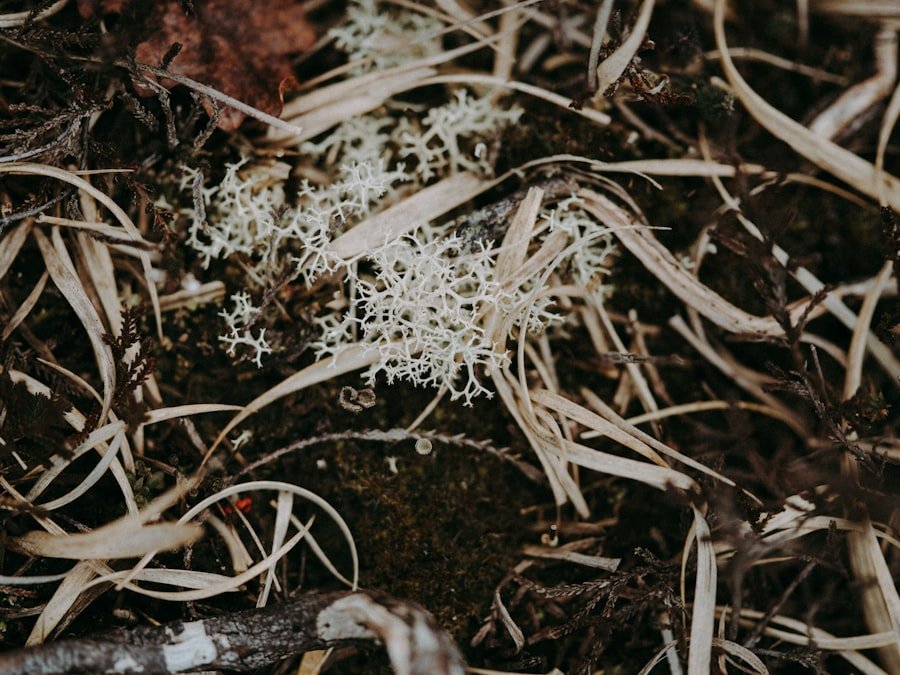
Moss spores offer another method of propagation that can be both rewarding and challenging. Spores are produced by the sporophyte stage of mosses and can be collected when they are mature and ready to disperse. To collect spores, observe the sporophytes closely; once they turn brown and begin to open, they are ready for harvesting.
Gently tap or shake the sporophyte over a clean piece of paper or a shallow container to catch the fine spores. Once collected, spores need specific conditions to germinate successfully. They require a moist environment with indirect light; therefore, it’s advisable to sow them on a suitable substrate that retains moisture but also allows for good drainage.
Lightly sprinkle the spores over the surface of the substrate without burying them, as they need light for germination. After sowing, mist the area regularly to maintain humidity levels until germination occurs, which can take several weeks to months depending on species and environmental conditions.
Propagation Techniques: Fragmentation
Fragmentation is another effective method for propagating mosses that involves breaking off small pieces of existing moss plants and replanting them in new locations. This technique capitalizes on the natural resilience of mosses; they can often regenerate from even small fragments. To propagate through fragmentation, select healthy moss specimens and gently tear or cut them into smaller pieces using scissors or your fingers.
Once fragmented, these pieces can be placed directly onto prepared substrates in their new location. It’s important to ensure that each fragment has good contact with the soil to facilitate moisture absorption and root establishment. Like other propagation methods, maintaining high humidity levels is crucial during this process; misting regularly will help keep the fragments hydrated until they establish themselves in their new environment.
Maintaining the Propagation Environment
Once you have initiated propagation through any of these techniques, maintaining an optimal environment is vital for success. Regular monitoring of moisture levels is essential; mosses thrive in consistently damp conditions but can suffer from rot if overly saturated.
Light conditions also play a significant role in maintaining healthy growth during propagation.
Observing how your propagated moss responds to light will help you adjust its placement accordingly.
Additionally, air circulation should not be overlooked; ensuring that there is adequate airflow around your propagation area can help prevent mold growth and promote healthy development.
Troubleshooting Common Propagation Issues
Despite careful planning and execution, issues may arise during moss propagation that require troubleshooting. One common problem is mold growth, which can occur if humidity levels are too high or if there is insufficient air circulation. If you notice mold developing on your propagated moss or substrate, it’s essential to reduce humidity by increasing airflow—this can be done by removing covers or lids temporarily or by using a fan on low speed.
Another issue may be poor growth or failure to establish after planting. This could be due to inadequate moisture levels or unsuitable light conditions. If your moss appears dry or brown, check the moisture content of the substrate; if it feels dry to the touch, mist it thoroughly and monitor closely thereafter.
Conversely, if your moss is overly saturated and not thriving, consider adjusting your watering schedule or improving drainage in your planting area.
Harvesting Propagated Moss
Once your propagated moss has established itself and grown sufficiently, it may be time to harvest it for use in landscaping or gardening projects. Harvesting should be done carefully to avoid damaging the remaining plants or disrupting their growth cycle. Use scissors or a sharp knife to cut sections of moss from its substrate while leaving enough behind for continued growth.
When harvesting, consider how much you need for your project; taking too much at once can hinder future growth potential in your propagation area. After cutting, transport the harvested moss in a breathable container to prevent it from drying out before use. If you plan on using it immediately in landscaping projects, ensure that you have prepared the planting area adequately so that you can place it right away.
Using Propagated Moss in Landscaping and Gardening
Propagated moss can serve various purposes in landscaping and gardening due to its unique aesthetic qualities and ecological benefits. One popular application is as ground cover; moss can create lush green carpets that suppress weeds while providing a soft surface underfoot. This is particularly beneficial in shaded areas where traditional grass may struggle to grow.
In addition to ground cover, moss can be used creatively in terrariums or as decorative elements in garden designs. Its ability to retain moisture makes it an excellent choice for creating miniature ecosystems within glass containers or as part of larger landscape features like rock gardens or water features. Furthermore, incorporating native moss species into landscaping promotes biodiversity and supports local wildlife by providing habitats for various organisms.
By understanding these various aspects of moss propagation—from choosing species to employing different techniques—you can successfully cultivate this unique plant for both aesthetic enjoyment and ecological benefit in your gardening endeavors.
FAQs
What is propagation moss?
Propagation moss refers to the process of growing new moss plants from existing moss. This can be done through various methods such as spore propagation, division, or tissue culture.
What are the different methods of propagating moss?
There are several methods of propagating moss, including spore propagation, division, and tissue culture. Spore propagation involves collecting and sowing moss spores onto a suitable growing medium. Division involves separating a clump of moss into smaller pieces and planting them in new locations. Tissue culture involves growing moss from small pieces of tissue in a laboratory setting.
What are the benefits of propagating moss?
Propagating moss allows for the expansion of moss populations in a specific area, which can help with erosion control, soil stabilization, and biodiversity. It also allows for the cultivation of specific moss species for use in landscaping, terrariums, and other horticultural applications.
What are some tips for successfully propagating moss?
To successfully propagate moss, it is important to provide the right growing conditions, such as adequate moisture, shade, and a suitable growing medium. It is also important to choose the right method of propagation for the specific type of moss being propagated and to carefully monitor the process to ensure success.
Can moss be propagated indoors?
Yes, moss can be propagated indoors using methods such as spore propagation and tissue culture. These methods can be done in a controlled environment such as a laboratory or a terrarium. Indoor propagation allows for the cultivation of moss for use in indoor gardens, terrariums, and other indoor landscaping projects.
