

Rhine Falls, located near the town of Schaffhausen in northern Switzerland, is one of the most magnificent natural wonders in Europe. Spanning approximately 150 meters in width and plunging 23 meters into the depths below, it is the largest waterfall in Europe by volume. The falls are fed by the Rhine River, which originates in the Swiss Alps and flows through several countries before reaching the North Sea.
The sheer power and beauty of Rhine Falls have captivated visitors for centuries, making it a must-see destination for nature lovers and adventure seekers alike. The history of Rhine Falls is as rich as its natural beauty. The falls have been a significant landmark since ancient times, with references to them found in historical texts dating back to the Roman era.
The surrounding area has been shaped by both natural forces and human activity, with castles and settlements emerging along the banks of the river.
Key Takeaways
- Rhine Falls is the largest waterfall in Switzerland and one of the most popular tourist attractions in the country.
- The best time to visit Rhine Falls for spectacular views is during the spring and early summer when the snowmelt and rainfall increase the water flow.
- Visitors should consider the weather and climate when planning a trip to Rhine Falls, as the waterfall can be affected by heavy rain or drought.
- To avoid crowds, it is recommended to visit Rhine Falls early in the morning or later in the evening, especially during the peak tourist season.
- There are plenty of photography opportunities at Rhine Falls, with various viewpoints and boat tours offering unique perspectives of the waterfall.
The Best Time to Visit for Spectacular Views
When planning a visit to Rhine Falls, timing can significantly enhance the experience. The best time to witness the falls in all their glory is during the late spring and early summer months, particularly from May to July. During this period, the snowmelt from the Swiss Alps swells the Rhine River, resulting in a dramatic increase in water flow over the falls.
Visitors can expect to see a powerful cascade of water thundering down, creating a mesmerizing spectacle that is both awe-inspiring and invigorating. In addition to the impressive water flow, this time of year also offers favorable weather conditions for outdoor exploration. The temperatures are generally mild, ranging from 15°C to 25°C (59°F to 77°F), making it comfortable for walking along the scenic paths that line the falls.
Furthermore, the lush greenery surrounding the area comes alive during these months, providing a stunning backdrop for photographs and leisurely strolls. For those who prefer a quieter experience, visiting during weekdays rather than weekends can help avoid larger crowds while still enjoying the breathtaking views.
Weather and Climate Considerations
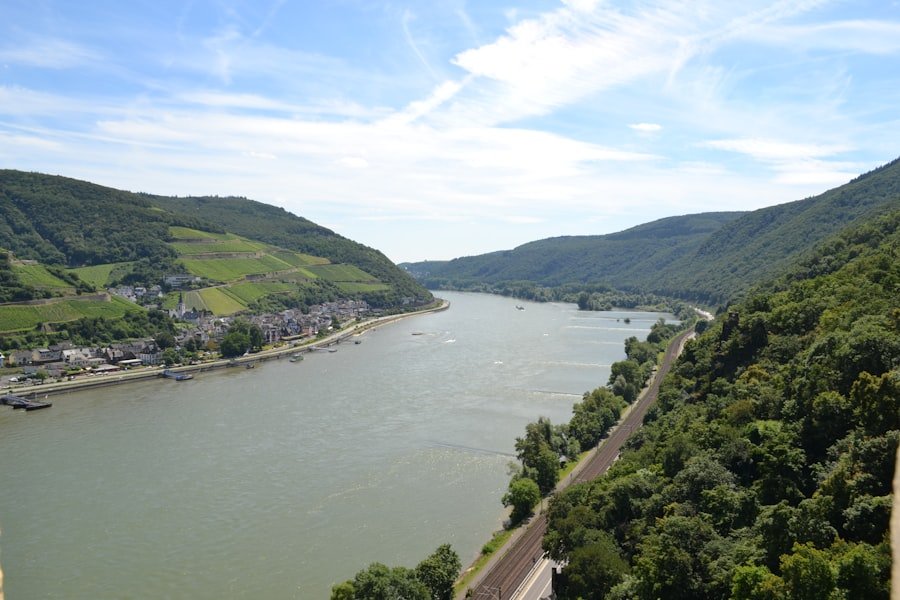
Switzerland’s climate can be quite variable, influenced by its mountainous terrain and geographical location. The region around Rhine Falls experiences a temperate climate characterized by four distinct seasons. Winters can be cold and snowy, with temperatures often dropping below freezing, while summers are generally warm and pleasant.
Understanding these climatic conditions is essential for planning a visit that aligns with personal preferences for weather. In winter, Rhine Falls transforms into a serene winter wonderland, with ice formations creating a unique and tranquil atmosphere. However, access may be limited due to snow and ice, and the falls may not exhibit their full splendor during this season.
Conversely, autumn brings vibrant foliage that can enhance the visual appeal of the falls, but rainfall can also increase during this time, potentially affecting visibility. Therefore, visitors should consider their weather preferences when choosing their travel dates, as each season offers a different perspective on this natural marvel.
Tips for Avoiding Crowds
| Tip | Description |
|---|---|
| Visit during off-peak hours | Try to visit popular places during weekdays or early mornings to avoid crowds. |
| Plan your visit in advance | Research the best times to visit and plan your trip accordingly to avoid peak crowds. |
| Use online booking | Book tickets or reservations online to skip long lines and crowded ticket counters. |
| Explore less popular attractions | Consider visiting lesser-known attractions to avoid the crowds at popular tourist spots. |
| Stay updated on local events | Avoid visiting during local festivals or events that may attract large crowds. |
Given its popularity as a tourist destination, Rhine Falls can become quite crowded, especially during peak travel seasons. To fully appreciate the beauty of the falls without the distraction of large crowds, there are several strategies that visitors can employ. One effective approach is to arrive early in the morning or later in the afternoon.
The early hours often provide a quieter atmosphere, allowing for uninterrupted views and opportunities for photography without other visitors in the frame. Another way to avoid crowds is to visit during off-peak times.
Additionally, planning visits during inclement weather can also lead to a more solitary experience; while rain may deter some visitors, those who brave the elements may find themselves rewarded with an intimate encounter with nature’s power. Exploring lesser-known viewpoints along the riverbank can also provide a more secluded experience while still offering stunning perspectives of Rhine Falls.
Photography Opportunities
For photography enthusiasts, Rhine Falls presents an abundance of opportunities to capture breathtaking images of one of nature’s most impressive displays. The falls themselves are an obvious focal point; however, various vantage points around the area offer unique perspectives that can enhance any photographic collection. The viewing platforms situated on both sides of the river provide excellent spots for capturing wide-angle shots that showcase the full expanse of the falls.
In addition to traditional landscape photography, visitors can experiment with different techniques such as long exposure shots to create ethereal images of flowing water. Early morning or late afternoon light can add warmth and depth to photographs, while mist rising from the falls can create an enchanting atmosphere. For those interested in wildlife photography, the surrounding area is home to various bird species that can be spotted along the riverbanks or in nearby forests.
Capturing these moments not only enhances one’s portfolio but also creates lasting memories of a visit to this stunning location.
Activities and Attractions Nearby
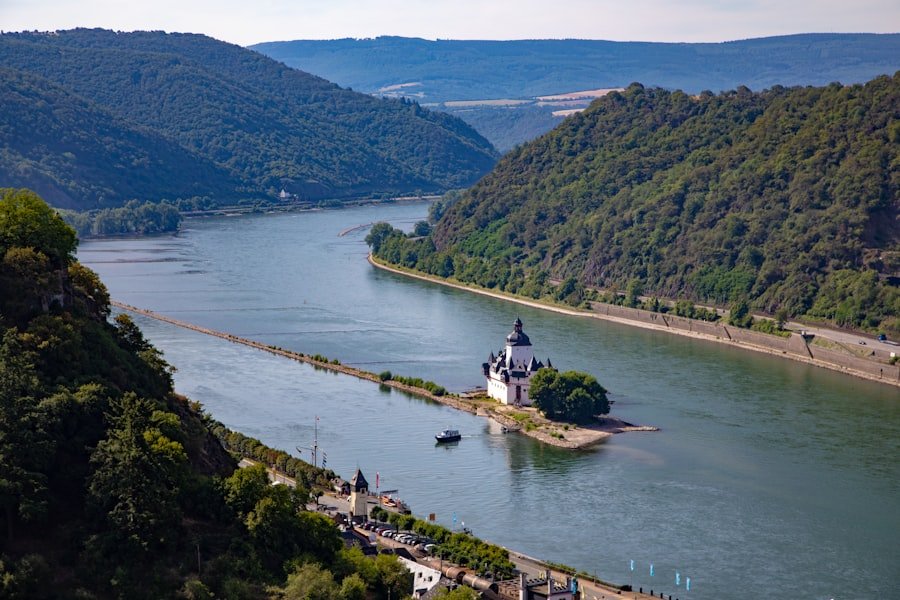
Beyond the breathtaking views of Rhine Falls itself, there are numerous activities and attractions in close proximity that enrich any visit to this natural wonder. One popular option is taking a boat tour that allows visitors to get up close to the falls. These excursions provide an exhilarating experience as boats navigate through the powerful currents, offering a unique perspective on the cascading water and surrounding cliffs.
For those interested in history and culture, nearby attractions include Schloss Laufen, a medieval castle perched on a hill overlooking the falls. This historic site features exhibitions detailing the history of the region and offers panoramic views from its towers. Additionally, hiking trails around Rhine Falls provide opportunities for exploration and adventure; routes vary in difficulty and length, catering to both casual walkers and seasoned hikers looking for more challenging terrain.
The scenic paths often lead through lush forests and offer stunning views of both the falls and the surrounding landscape.
Getting to Rhine Falls
Reaching Rhine Falls is relatively straightforward due to its accessibility from major Swiss cities such as Zurich and Lucerne. The most common method of transportation is by train; regular services operate from Zurich Hauptbahnhof (main station) to Schaffhausen, with connections available to nearby stations such as Laufen-Uhwiesen or Schloss Laufen am Rheinfall. The journey typically takes around an hour and provides picturesque views of the Swiss countryside along the way.
Once at Schaffhausen or Laufen-Uhwiesen stations, visitors can either walk or take a short bus ride to reach Rhine Falls. Well-marked paths guide travelers through charming landscapes leading directly to viewing platforms where they can marvel at the falls’ grandeur. For those who prefer driving, ample parking facilities are available near the falls; however, it is advisable to arrive early during peak seasons to secure a spot.
Regardless of how one chooses to arrive, the journey itself becomes part of the adventure as travelers anticipate witnessing one of Europe’s most spectacular natural attractions.
Conclusion and Final Thoughts
Rhine Falls stands as a testament to nature’s raw power and beauty, drawing visitors from around the globe who seek to experience its magnificence firsthand. With careful planning regarding timing and weather considerations, travelers can optimize their visit for spectacular views while avoiding crowds that often accompany such popular destinations. The surrounding area offers a wealth of activities and attractions that further enhance any trip, making it an ideal location for both relaxation and adventure.
Whether capturing stunning photographs or exploring nearby historical sites, visitors will find that Rhine Falls provides an unforgettable experience that resonates long after leaving its shores. As one stands before this majestic waterfall, it becomes clear why it has inspired countless artists, poets, and adventurers throughout history—a true marvel of nature that continues to enchant all who come within its presence.
When planning a visit to the Rhine Falls, timing is everything to ensure you experience the majestic beauty of Europe’s largest waterfall at its best. The ideal time to visit is during the late spring and early summer months when the snowmelt from the Alps significantly increases the water flow, creating a more dramatic and powerful spectacle. While you’re planning your trip, you might also be interested in exploring other delightful experiences, such as discovering unique fruits. For instance, you can learn about the fascinating world of Asian melons by checking out this related article: Exploring the Delightful World of Asian Melon. This could add a refreshing twist to your travel itinerary, offering a taste of something exotic and delicious.
FAQs
What is the best time to visit Rhine Falls?
The best time to visit Rhine Falls is during the spring and summer months, from April to September, when the weather is warmer and the waterfall is at its fullest due to the melting snow and increased rainfall.
What is the best time of day to visit Rhine Falls?
The best time of day to visit Rhine Falls is in the morning or late afternoon, when the sunlight is not too harsh and the crowds are smaller. This allows for better photo opportunities and a more peaceful experience.
Are there any specific events or festivals at Rhine Falls that I should consider when planning my visit?
Yes, Rhine Falls hosts a fireworks display on Swiss National Day (August 1st) and a light show during the summer months. These events can add an extra element of excitement to your visit.
What are the peak tourist seasons at Rhine Falls?
The peak tourist seasons at Rhine Falls are during the summer months, from June to August, when the weather is warm and the waterfall is at its fullest. Additionally, weekends and public holidays tend to be busier.
Is there a specific time of year when Rhine Falls is less crowded?
Rhine Falls is generally less crowded during the off-peak months of October to March, especially on weekdays. However, it’s important to note that the waterfall may not be as full during this time due to reduced rainfall and snowmelt.