Three days in Rome gives you enough time to see the city’s essential ancient sites, visit Vatican City, walk through the historic center, and still enjoy neighborhoods such as Trastevere without turning every day into a race. The key is grouping nearby attractions together and booking the busiest sights before you arrive.
Quick Answer
For a first 3-day trip to Rome, spend Day 1 at the Colosseum, Roman Forum, Palatine Hill, Trevi Fountain, and Spanish Steps; Day 2 at Vatican City, the Pantheon, and Piazza Navona; and Day 3 exploring Trastevere, local food, and less-crowded neighborhoods. Book the Colosseum and Vatican Museums in advance.
Key Takeaways
- Stay in or near the historic center, Monti, Prati, Trastevere, or Termini if you want to minimize travel time.
- Reserve the Colosseum and Vatican Museums before your trip rather than relying on same-day availability.
- Use Day 1 for Ancient Rome and central landmarks, Day 2 for the Vatican and historic center, and Day 3 for neighborhoods and local experiences.
- Rome is highly walkable, but buses, trams, and the Metro are useful when attractions are farther apart.
- Do not schedule too many museums. Leave time for piazzas, cafés, food, and unplanned walks.
Before You Start Your 3-Day Rome Itinerary
If you arrive at Leonardo da Vinci–Fiumicino Airport, one of the simplest ways to reach central Rome is the Leonardo Express. The non-stop journey between Fiumicino Airport and Roma Termini takes about 32 minutes and currently costs €14 each way.
An official Rome taxi is another convenient option if you have several bags or are traveling as a group. The current fixed fare between Fiumicino Airport and destinations inside the Aurelian Walls is €55 per vehicle, including supplements. Use the official taxi rank rather than accepting unsolicited ride offers inside the terminal.
Pro Tip: If your accommodation is close to Termini, the Leonardo Express is usually the simplest airport option. If four people are traveling together with luggage, compare the total train cost with the official fixed taxi fare before deciding.
Where to Stay for Three Days in Rome
Your accommodation can make a large difference on a short visit. Staying centrally means you can spend more time sightseeing and less time commuting.
- Historic center: Best for walking to the Pantheon, Piazza Navona, Trevi Fountain, and Spanish Steps. It is convenient but often expensive.
- Monti: A good base for the Colosseum and Roman Forum, with restaurants and cafés nearby.
- Prati: Useful if Vatican City is a priority. The neighborhood generally feels calmer than the busiest historic-center streets.
- Trastevere: Good for restaurants, evening atmosphere, and cobbled streets, although Metro access is limited.
- Termini: Practical for airport trains and public transportation. Choose your exact block and accommodation carefully rather than judging the entire district by the station area.
Book These Rome Attractions Before You Arrive
For a three-day itinerary, losing several hours in ticket lines can disrupt the entire schedule. Reserve your most important timed attractions first and build the rest of the itinerary around those reservations.
| Attraction | What to Know |
| Colosseum | A timed reservation is required. Official sales currently open 30 days before the visit date. Tickets are named, so carry identification. |
| Vatican Museums | Book through the official Vatican Museums ticket portal. Popular morning slots can sell out well ahead of time. |
| St. Peter’s Basilica | Basic entry to the basilica is free. Optional reserved services and the Dome require separate paid bookings. |
| Pantheon | Full-price admission is currently €7. Tickets can be bought through the official Italian museums system or at the site. |
Warning: Use official booking websites whenever possible. The Vatican Museums specifically warns visitors that look-alike ticket websites may charge substantially higher prices.
Day 1: Exploring Ancient Rome
Start your first full day with the monuments that define Ancient Rome. The Colosseum, Roman Forum, and Palatine Hill form one archaeological zone, so visiting them together avoids unnecessary travel across the city.
Start at the Colosseum
Begin at the Colosseum at the time printed on your reservation. The amphitheater once hosted gladiatorial contests, staged hunts, and other public spectacles. Rather than rushing through it for photographs, allow time to understand how spectators entered, where different social classes sat, and how the vast arena functioned.
The official Colosseum Archaeological Park currently releases timed Colosseum tickets 30 days before the visit date. Opening and final-entry times change seasonally, so check the official schedule when you book.
Continue to the Roman Forum and Palatine Hill
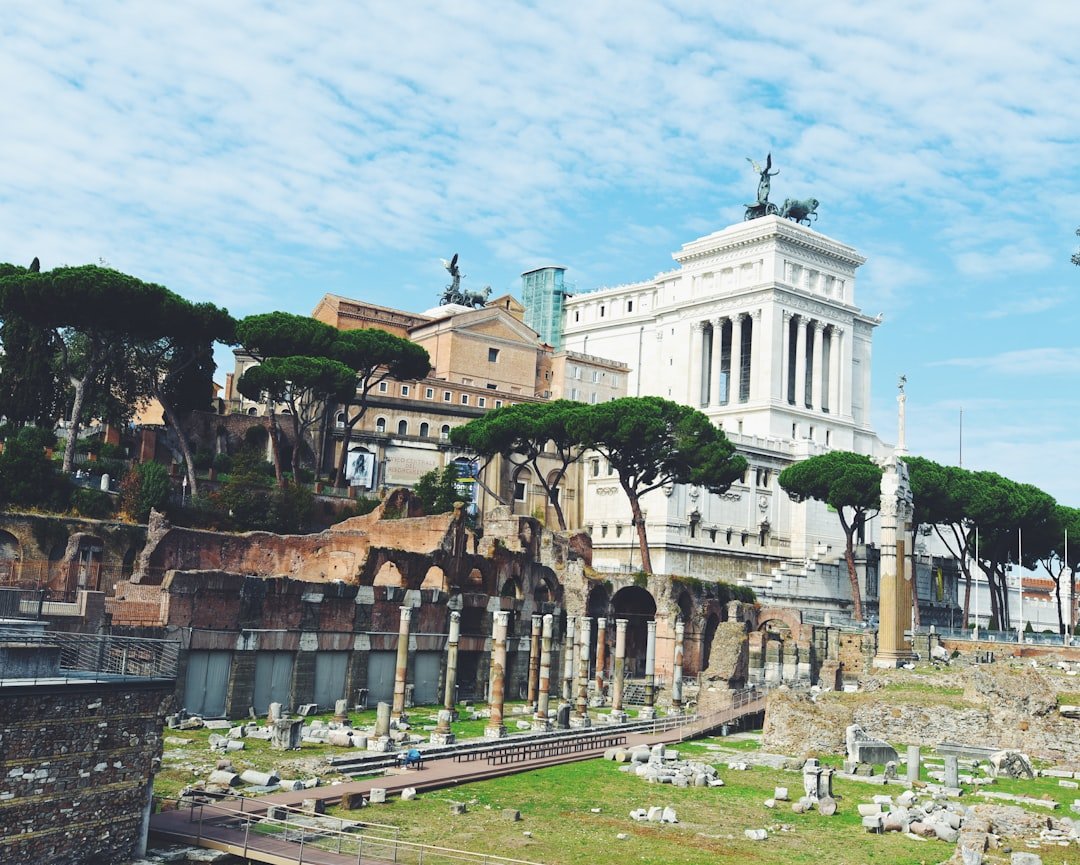
After the Colosseum, continue through the Roman Forum and Palatine Hill. The Forum was the political, religious, and commercial center of ancient Rome. You will pass the remains of temples, basilicas, triumphal arches, and public spaces that help explain how the city developed from a local settlement into the center of a vast empire.
Palatine Hill rises beside the Forum and is traditionally associated with the legend of Romulus and Remus. It later became an elite residential area and the location of imperial palaces. Its elevated viewpoints also give you a useful visual sense of how the Forum, Circus Maximus, and surrounding hills connect.
Allow roughly three to four hours for the Colosseum, Forum, and Palatine area if you want more than a quick walk-through. Wear comfortable shoes because the archaeological surfaces are uneven and exposed to the weather.
Walk Through the Historic Center in the Late Afternoon
After lunch and a short break, continue toward central Rome. A good first-day walking route is Trevi Fountain followed by the Spanish Steps. If you still have energy, continue toward Piazza del Popolo or simply stop for an aperitivo instead of adding another museum.
Trevi Fountain is free to view, but the area immediately around it can become extremely crowded. Keep bags closed and valuables secure, especially when attention is focused on photographs.
At the Spanish Steps, spend a few minutes enjoying Piazza di Spagna and the surrounding streets rather than treating the steps as another attraction to rush through. This part of Rome is also home to high-end shopping along Via dei Condotti.
Note: Day 1 involves substantial walking. If you arrive in Rome the same morning after an overnight flight, move the Trevi Fountain and Spanish Steps walk to another evening rather than exhausting yourself.
Day 2: Vatican City and Renaissance Rome
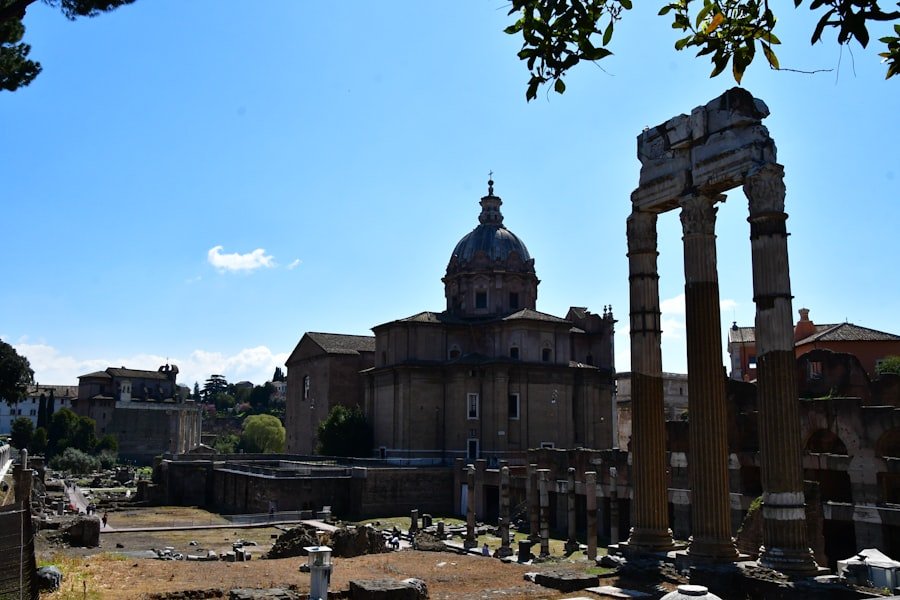
Use your second day for Vatican City and the western side of Rome’s historic center. Arrange the morning around whichever timed reservation you secure for the Vatican Museums.
Visit the Vatican Museums and Sistine Chapel
The Vatican Museums contain collections developed by generations of popes, including ancient sculpture, Renaissance painting, decorated galleries, the Raphael Rooms, and works by artists including Caravaggio. For many visitors, the final highlight is the Sistine Chapel, with Michelangelo’s ceiling frescoes and The Last Judgment.
The Vatican Museums are currently open Monday through Saturday from 8:00 a.m. to 8:00 p.m., with final entry at 6:00 p.m. They also open on the last Sunday of most months under a shorter free-entry schedule. Holiday closures and special arrangements can change, so confirm your date before visiting.
Expect to spend about three hours inside if this is your first visit. Art enthusiasts can easily spend much longer, but doing so may leave too little time for the rest of a three-day Rome itinerary.
Continue to St. Peter’s Basilica
St. Peter’s Basilica is one of the world’s most important churches and contains major works of Renaissance and Baroque art. Michelangelo designed the final major form of its dome and created the Pietà, while Gian Lorenzo Bernini created the monumental bronze Baldachin above the papal altar and later designed the embracing colonnades of St. Peter’s Square.
Basic entry to St. Peter’s Basilica is free. The official basilica website states that a reservation is not mandatory, although optional paid timed-entry services are available, and visiting the Dome requires a separate ticket. Security screening still applies.
Dress appropriately for both the Vatican Museums and St. Peter’s Basilica. The Vatican requires visitors to cover shoulders and avoid short skirts, miniskirts, and shorts above the knee. Hats should also be removed in the religious spaces.
Walk to Castel Sant’Angelo, Piazza Navona, and the Pantheon
After Vatican City, cross the river toward central Rome. You can pass Castel Sant’Angelo and continue to Piazza Navona, one of the city’s most recognizable Baroque squares. Bernini’s Fountain of the Four Rivers stands at its center.
From Piazza Navona, the Pantheon is only a short walk away. The building is one of the best-preserved monuments of ancient Rome and is especially famous for its vast concrete dome and central oculus. The official Italian Ministry of Culture currently lists full-price admission at €7 following the July 1, 2026 increase.
If you visited Trevi Fountain on Day 1, finish Day 2 with dinner near the Pantheon, Campo de’ Fiori, or the Jewish Ghetto. If you skipped Trevi on Day 1, it is easy to add it after the Pantheon.
Day 3: Hidden Gems and Local Experiences
| Activity | Location | Best Time | Planning Note |
|---|---|---|---|
| Neighborhood walk | Trastevere | Morning | Visit Santa Maria in Trastevere before the busiest lunch period. |
| Roman food experience | Trastevere, Testaccio, or central Rome | Lunch or afternoon | Choose a market visit, food tour, or cooking class based on your interests. |
| Architecture and photography | Quartiere Coppedè | Late afternoon | Use public transportation or a taxi because it is not beside Trastevere. |
After two days dominated by major monuments, Day 3 is a good time to experience the city at a slower pace. Begin in Trastevere, where narrow streets, ochre-colored buildings, churches, small piazzas, cafés, and restaurants create a different atmosphere from the monumental center.
Visit the Basilica of Santa Maria in Trastevere, whose interior includes important medieval mosaics. Then wander without trying to photograph every street. Trastevere feels most rewarding when you give yourself room to stop for coffee, look inside an open church, or sit in a piazza.
Choose a Local Food Experience
For lunch or the afternoon, consider a cooking class or food tour if that fits your budget. A good Roman cooking experience may cover dishes such as carbonara, cacio e pepe, amatriciana, or fresh pasta techniques. Alternatively, create your own low-cost tasting route with supplì, pizza al taglio, pasta, gelato, and espresso.
Testaccio is another strong food neighborhood and can be a better choice than the most tourist-heavy streets if eating is one of your main reasons for visiting Rome.
See Quartiere Coppedè or Another Less-Crowded Area
Later, head to Quartiere Coppedè if you enjoy architecture and photography. The small district combines Art Nouveau, classical, medieval, and fantastical decorative elements. It is very different from the ruins of Ancient Rome and the grand Renaissance spaces around the Vatican.
Because Quartiere Coppedè is not beside Trastevere, do not try to walk the entire distance unless long urban walks are part of the experience you want. Public transportation or a taxi can save valuable time.
If Quartiere Coppedè does not interest you, use the afternoon for Villa Borghese, the Aventine Hill and Orange Garden, the Jewish Ghetto, Testaccio, or a return visit to a neighborhood you enjoyed earlier in the trip.
Dining and Culinary Delights
Roman food is one of the best reasons not to overfill your sightseeing schedule. Leave enough time for at least one relaxed lunch or dinner rather than treating every meal as a break between attractions.
Classic dishes include carbonara, cacio e pepe, amatriciana, gricia, saltimbocca alla Romana, and seasonal artichoke preparations such as carciofi alla romana or carciofi alla giudia. Supplì, usually made with seasoned rice and a melting mozzarella center, is an easy snack, while pizza al taglio is sold by weight and works well for a quick lunch.
Do not assume that a restaurant is authentic simply because it displays Italian flags or advertises “traditional Roman food.” Check the menu, look at recent reviews, and walk a street or two away from the most crowded attractions when you can.
Regional wines you may see include Frascati and Cesanese. If you do not drink alcohol, sparkling water, soft drinks, coffee, and alcohol-free options are widely available.
Pro Tip: Avoid planning a famous restaurant on the opposite side of the city from your final attraction. On a three-day trip, choosing a good restaurant near your evening route can save an hour of unnecessary transportation.
Navigating Public Transportation
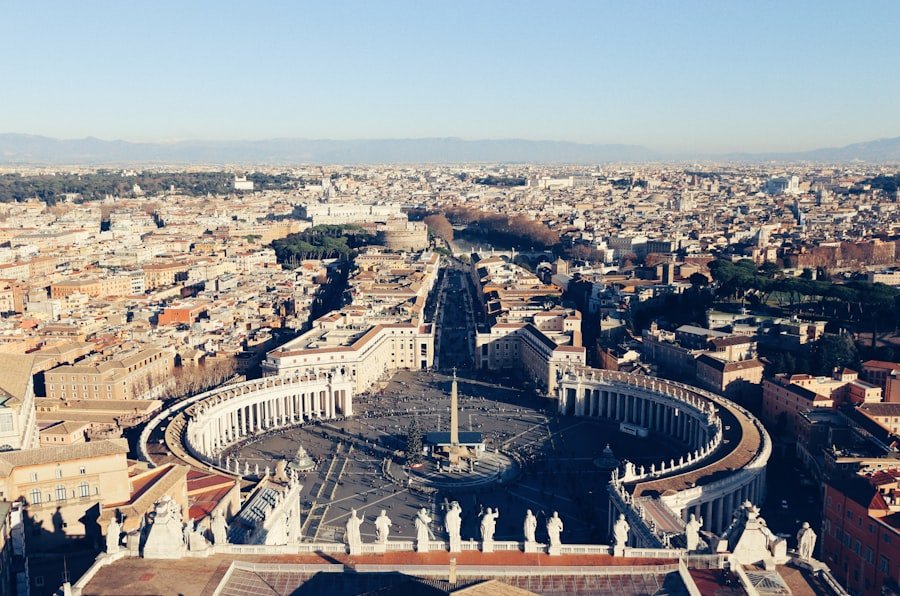
Rome’s public transportation network includes Metro lines, buses, trams, and urban rail services. The Metro is useful for longer cross-city trips, while buses and trams fill many of the gaps between stations.
Current ATAC fares include:
- BIT: €1.50, valid for 100 minutes from first validation under its usage rules.
- ROMA 24H: €8.50.
- ROMA 48H: €15.
- ROMA 72H: €22.
These tourist tickets allow unlimited eligible journeys within Rome for their stated validity period. They do not include the non-stop Leonardo Express between Termini and Fiumicino Airport.
You can also use supported digital-ticket systems and contactless payment methods. If you buy a digital ticket that requires activation, activate it according to ATAC instructions before boarding or entering the Metro.
Should You Buy a Roma Pass?
The official Roma Pass combines urban transportation with free or discounted access to participating museums and attractions. Current listed prices are €32 for 48 hours and €52 for 72 hours.
It is not automatically the cheapest choice for every visitor. Compare the attractions you actually intend to enter with the cost of ordinary transit tickets and individual museum admission. Reservations may still be required at high-demand attractions even when admission benefits are included.
For a three-day Rome itinerary, walking will still be a major part of the experience. Many central attractions are only 5 to 20 minutes apart on foot, which is often faster than waiting for a bus.
Shopping and Souvenirs
Rome offers everything from international luxury brands to small workshops. Via dei Condotti and the streets around the Spanish Steps are the city’s best-known luxury-shopping area, while Monti and parts of Trastevere have smaller boutiques, vintage stores, and artisan shops.
Campo de’ Fiori is famous as a historic market square, although its daytime market now serves both residents and visitors. For souvenirs, consider ceramics, prints, leather goods, packaged food products, or items made by identifiable local artisans rather than mass-produced souvenirs sold throughout tourist districts.
If you buy olive oil, sauces, wine, or other liquids, remember airline cabin-baggage limits. Check customs rules for your home country before buying meat, cheese, plants, seeds, or fresh foods to take abroad.
Nightlife and Entertainment
Rome’s evenings do not require a nightclub itinerary. One of the easiest ways to enjoy the city after dark is simply to revisit its piazzas once daytime tour groups have thinned.
Trastevere has a high concentration of bars, wine bars, restaurants, and late-night activity. Monti is another convenient option for drinks and casual evenings, while areas such as Testaccio have a longer association with clubs and nightlife.
For a quieter evening, walk through Piazza Navona, the Pantheon area, Trevi Fountain, or the Spanish Steps after dinner. Rome’s illuminated monuments create a noticeably different atmosphere from daytime sightseeing.
If you prefer performing arts, check the current calendars of Teatro dell’Opera di Roma, Auditorium Parco della Musica Ennio Morricone, and other established venues before your trip rather than assuming a specific performance will be available.
Practical Tips for First-Time Visitors
- Wear supportive shoes. Cobblestones, archaeological sites, stairs, and long walking days can be hard on your feet.
- Carry water. Rome has many public drinking fountains known as nasoni, so a refillable bottle is useful.
- Protect valuables in crowds. Use the same precautions you would in any busy European city, especially on public transportation and around major attractions.
- Greet people politely. “Buongiorno,” “buonasera,” “per favore,” and “grazie” are easy phrases that make everyday interactions smoother.
- Respect churches. Dress modestly, keep voices low, and remember that famous basilicas remain active places of worship.
- Do not overschedule. A three-day Rome trip becomes exhausting if every hour contains a timed attraction.
- Check official sites shortly before visiting. Opening hours, temporary closures, transport work, strikes, and access arrangements can change.
Warning: Be cautious when strangers offer unofficial tickets, transportation, bracelets, petitions, or other services around crowded attractions. Keep control of your belongings and use official ticket offices, websites, transport apps, and taxi ranks.
For reliable planning, use the official Colosseum booking information, the Vatican Museums visitor guidance, and the ATAC ticket and transport information rather than unrelated or unofficial travel pages.
Day Trips and Excursions
Rome has enough major sights to fill far more than three days, so first-time visitors should think carefully before giving up a full day for an excursion. If the Colosseum, Vatican, Pantheon, Trevi Fountain, and historic neighborhoods are priorities, staying in Rome for all three days usually makes more sense.
If you have already visited Rome before or strongly prefer archaeological sites, Ostia Antica is one of the easiest alternatives. The ancient port city preserves streets, apartment buildings, baths, temples, mosaics, a theater, and commercial spaces that help visitors picture everyday urban life in the Roman world.
Tivoli is another popular option. Villa d’Este is known for its Renaissance gardens and fountains, while Hadrian’s Villa is an enormous imperial complex associated with Emperor Hadrian. Seeing both makes for a substantial day outside central Rome.
Do not try to squeeze a major day trip into the same day as your Colosseum or Vatican reservation. The itinerary will become rushed and vulnerable to train, traffic, or admission delays.
Departure and Reflection
Before leaving Rome, give yourself time for one final walk, breakfast, espresso, or gelato instead of filling the departure morning with another timed attraction. Short trips often become more memorable when there is room to revisit a favorite street or piazza.
If you are returning to Fiumicino Airport, allow extra time beyond the train or taxi journey for reaching the departure terminal, airline check-in, security, and possible transport disruption. The Leonardo Express normally takes about 32 minutes from Termini, but that should not be treated as your total airport-transfer time.
After three days, you may have seen the Colosseum, Roman Forum, Vatican, Pantheon, Trevi Fountain, Spanish Steps, Trastevere, and several neighborhoods, but Rome will still feel unfinished. That is normal. A good first itinerary should introduce the city rather than turn it into a checklist.
Frequently Asked Questions
What is a good 3-day itinerary for first-time visitors to Rome?
Spend Day 1 at the Colosseum, Roman Forum, Palatine Hill, Trevi Fountain, and Spanish Steps. Use Day 2 for the Vatican Museums, St. Peter’s Basilica, Piazza Navona, and Pantheon. On Day 3, explore Trastevere, enjoy Roman food, and choose a less-crowded neighborhood or park.
What are the must-see attractions in Rome for a first visit?
The usual first-visit essentials are the Colosseum, Roman Forum, Palatine Hill, Vatican Museums, Sistine Chapel, St. Peter’s Basilica, Pantheon, Trevi Fountain, Piazza Navona, and Spanish Steps. Trastevere is also worth adding for a neighborhood experience.
Do I need to book Rome attractions in advance?
Yes for the busiest attractions. The Colosseum requires timed entry and currently releases official tickets 30 days before the visit. The Vatican Museums are also best reserved ahead. Other attractions may allow same-day entry, but booking rules can change.
Is St. Peter’s Basilica free to enter?
Basic entry to St. Peter’s Basilica is free. Visitors still pass through security. Optional timed booking services and audio-guide packages have fees, and climbing or visiting the Dome requires a separate ticket.
How much is public transportation in Rome?
As of September 2026, an ATAC BIT ticket costs €1.50 and is valid for 100 minutes under its usage rules. Current tourist passes cost €8.50 for 24 hours, €15 for 48 hours, and €22 for 72 hours. These urban tickets do not cover the Leonardo Express to Fiumicino Airport.
Is the Roma Pass worth it for three days?
It can be worthwhile if the participating museums and transportation benefits match your itinerary. However, a transit-only 72-hour ticket is much cheaper, so compare the admission benefits with the attractions you actually intend to visit before buying the Roma Pass.
What should I wear when visiting the Vatican?
Wear clothing that covers your shoulders and knees. The Vatican Museums and St. Peter’s Basilica restrict sleeveless or low-cut clothing, shorts above the knee, miniskirts, and hats in the relevant religious areas.
Should I take a day trip if I only have three days in Rome?
Usually not on a first visit. Rome itself easily fills three days. Consider Ostia Antica or Tivoli only if you have already seen some of Rome’s main attractions or if one of those destinations is a personal priority.
Sources
- Parco archeologico del Colosseo — Opening Times and Tickets — official Colosseum opening hours, ticket sales, and reservation requirements.
- Vatican Museums — Opening Days and Times — current Vatican Museums hours and official booking information.
- Vatican Museums — Useful Information for Visitors — official visitor and clothing requirements.
- ATAC Roma — Tickets and Passes — current Rome public-transport fares and validity.
- Trenitalia — Leonardo Express — official Fiumicino-Termini journey information and fare.
- Italian Ministry of Culture — Pantheon — official admission information and current ticket price.