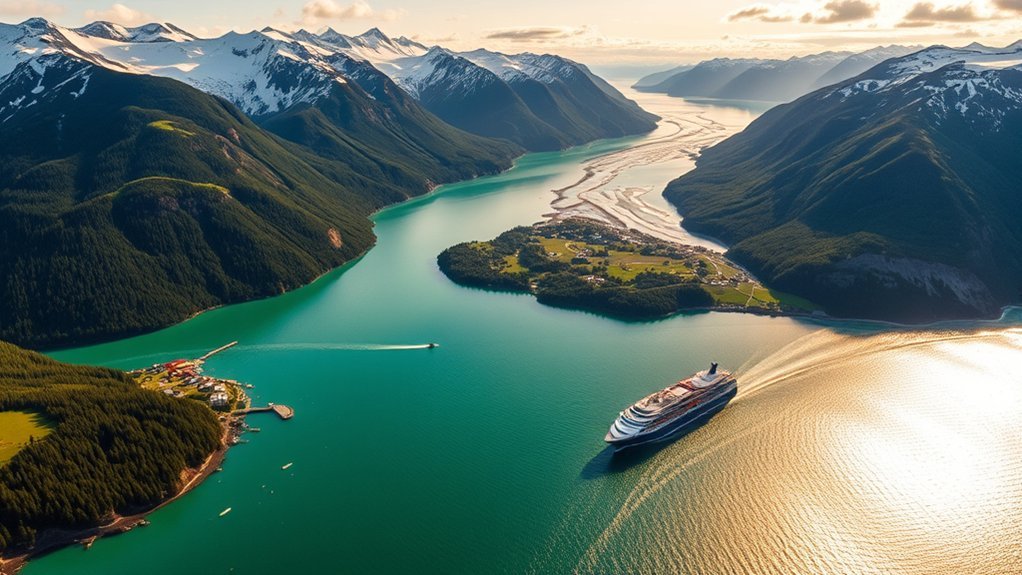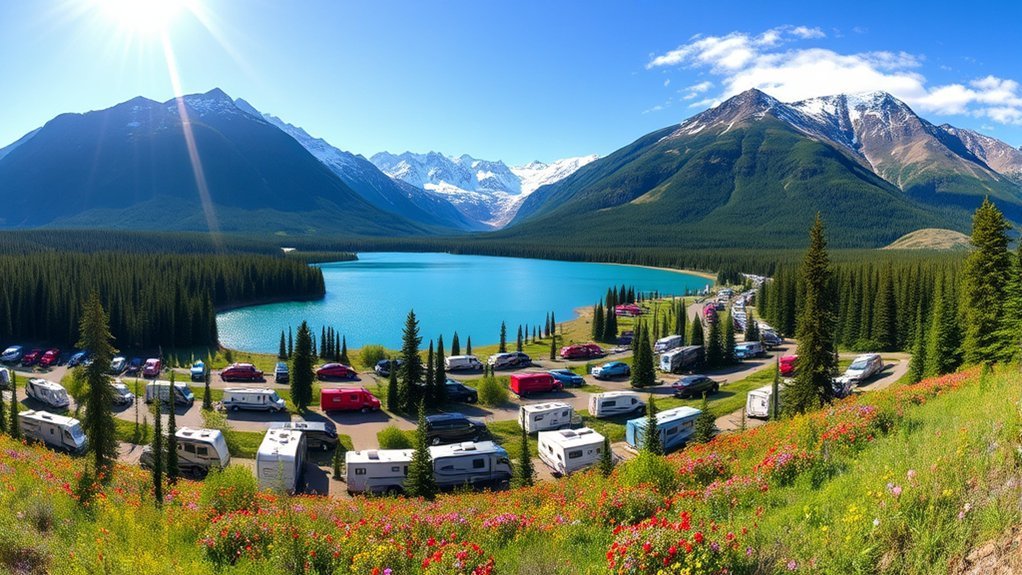
The Kenai Peninsula has everything from full-hookup private RV parks to simple public campsites beside rivers, lakes, and the coast. The best choice depends on whether you want Seward attractions, Kenai River fishing, Homer Spit views, family amenities, or a quiet dry-camping site. Because services and reservation rules vary widely, compare the details before choosing your base.
Quick Answer
Top RV parks on the Kenai Peninsula include Seward Municipal Campgrounds for waterfront access, Seward KOA for full hookups and big rigs, Quartz Creek for Kenai Lake scenery, Centennial and Swiftwater for river fishing, and Homer’s city campgrounds for affordable coastal camping. Check each park’s hookups, site length, season, and booking rules.
Key Takeaways
- Seward is the most convenient base for Kenai Fjords tours, Exit Glacier, waterfront walks, and marine activities.
- Cooper Landing and Soldotna work well for Kenai River fishing, rafting, and central peninsula travel.
- Homer offers coastal views and Spit access, but its city-owned campsites are first-come, first-served.
- Many public campgrounds have no electrical, water, or sewer hookups, even when they accept RVs.
- Verify site length, amperage, slide-out clearance, dump access, pet rules, prices, and seasonal opening dates before arrival.
- There are no RV campsites inside Kenai Fjords National Park, and overnight parking is prohibited at Exit Glacier.
Overview of RV Camping on the Kenai Peninsula
The Kenai Peninsula extends south of Anchorage between Cook Inlet and the Gulf of Alaska. Its road-connected communities include Seward, Cooper Landing, Sterling, Soldotna, Kenai, Ninilchik, Anchor Point, and Homer. Mountains, glaciers, lakes, salmon rivers, beaches, and protected public lands create very different camping experiences within the same region.
Choose your base by deciding what you most want to do:
- Seward: Kenai Fjords boat tours, Exit Glacier, Resurrection Bay, hiking, kayaking, and the Alaska SeaLife Center.
- Cooper Landing: Kenai Lake, the upper Kenai River, rafting, hiking, and national-forest camping.
- Soldotna and Sterling: Kenai River access, fishing, supplies, restaurants, and central access to both sides of the peninsula.
- Kenai and Nikiski: Cook Inlet views, beaches, wildlife areas, and a quieter base near city services.
- Homer: Homer Spit, Kachemak Bay, halibut charters, water taxis, galleries, and coastal camping.
Note: Driving distances are significant. Seward and Homer sit on different highways, so one campground is rarely convenient for every peninsula attraction. Splitting a longer trip between two or three bases can save hours of backtracking.
Best RV Parks and Campgrounds on the Kenai Peninsula
| Campground | Best For | Verified Highlights | Important Limitation |
|---|---|---|---|
| Seward Municipal Campgrounds | Waterfront views and downtown access | Multiple camping areas along or near Resurrection Bay, with site types that vary by campground | Advance reservations are required; confirm the exact hookup and rig specifications for your selected site |
| Seward KOA Holiday | Families, full hookups, and large rigs | Full-hookup sites, up to 50-amp service, Wi-Fi, showers, laundry, playground, dog park, store, and dump station | Private-park pricing changes by date and site type; reserve early for summer |
| Miller’s Landing | Ocean access, fishing charters, and kayaking | Waterfront and wooded sites, 30-amp RV hookups, showers, laundry, camp store, café, and fish-cleaning area | No on-site RV dump station; access includes maintained gravel road |
| Quartz Creek Campground | Kenai Lake scenery, boating, and quiet family camping | 46 tent and RV sites, drinking water, flush toilets, picnic areas, and a boat ramp | Sites are nonelectric; opening dates can change with weather and snow |
| Centennial and Swiftwater Campgrounds | Kenai River access and fishing | Restrooms, river access, boardwalks, boat launches, RV waste dumps, and wood and ice sales | The city directory does not advertise full utility hookups; verify current operations directly |
| Bing’s Landing Campground | Kenai River fishing and lower-cost public camping | State-managed campground near Sterling with river access, fishing, toilets, water, trails, and a boat launch | First-come, first-served according to the current state listing; utility hookups are not listed |
| Homer City Campgrounds | Homer Spit activities and coastal views | Fishing Hole, Mariner Park, Karen Hornaday Park, and tent camping options; city dump stations are available seasonally | All city-owned sites are first-come, first-served; no reservations are accepted |
Best for Families
Seward KOA offers the most clearly documented family facilities, including a playground, recreation areas, showers, laundry, a store, Wi-Fi, and a dog park. It also provides full-hookup RV sites and can accommodate large rigs on selected sites.
Quartz Creek is a better choice for families that prefer a public campground and do not need electricity. Its relatively flat setting, picnic areas, toilets, drinking water, lake views, and boat ramp make it practical for a quieter outdoor stay. Children should always be supervised near the lake, creek, boat ramp, and wildlife.
Best for Waterfront Camping
Seward Municipal Campgrounds place you close to Resurrection Bay, the harbor, downtown attractions, and the waterfront path. Individual camping areas offer different combinations of views, site surfaces, hookups, and tent access, so read the site description carefully during booking.
Miller’s Landing is another strong Seward-area choice if you want fishing charters, kayaking, beach access, or water-taxi services from the same property. It offers 30-amp electric RV sites but no on-site dump station.
Best for Kenai River Fishing
Centennial and Swiftwater in Soldotna provide direct access to the Kenai River, while Bing’s Landing near Sterling combines camping with a boat launch and river access. These locations are convenient for anglers, but campsite access does not guarantee that a species is open to fishing or harvest.
Fishing rules differ among the Kenai River, Kasilof River, Cook Inlet, lakes, and smaller streams. Review the current Alaska Department of Fish and Game regulations and emergency orders before each outing. Emergency orders supersede the printed regulation booklet.
Best for Nature and Fewer Services
Quartz Creek provides a wooded Kenai Lake setting without resort-style development. Other state and national-forest campgrounds can offer a similar experience, but many have vault toilets, limited water, no power, no sewer connection, and little or no mobile service.
The Alaska State Parks campground directory lists options such as Johnson Lake, Anchor River, Captain Cook, Clam Gulch, Crooked Creek, and several Kenai River recreation sites. Use the official directory to confirm campsite count, reservability, water, toilets, boat access, and current fees.
RV Park Amenities and Hookups
Understanding Hookup Types
“RV camping” does not automatically mean hookups are available. Confirm which of these services your exact campsite includes:
- Dry site: A place to park, usually with no electricity, water, or sewer connection.
- Electric-only site: Power is provided, but you may need to fill your freshwater tank and use a shared dump station.
- Partial hookup: Usually electricity and water, but no sewer connection at the site.
- Full hookup: Electricity, water, and sewer at the campsite.
Also confirm whether the electrical connection is 20, 30, or 50 amps. Never use an electrical pedestal that appears damaged, loose, scorched, or wet.
Services to Check Before Booking
- Potable water availability and whether filling an RV tank is permitted
- Dump-station location, operating hours, and extra fees
- Restrooms, showers, and laundry
- Wi-Fi and realistic mobile-phone coverage
- Propane, firewood, ice, and basic groceries
- Generator hours and quiet hours
- Fire restrictions and approved fire rings
- Pet rules and designated exercise areas
- Maximum stay and extra-vehicle fees
Private campgrounds are more likely to have full hookups, showers, laundry, stores, Wi-Fi, and propane. Public campgrounds usually trade those services for lower prices, larger natural settings, and direct access to rivers, lakes, trails, or beaches.
Choosing a Site for a Large RV
A campground may accept RVs without being suitable for your motorhome or fifth wheel. Check the maximum combined length for the RV and tow vehicle, parking-pad length, width, turning space, overhead branches, road grade, and slide-out clearance.
Seward KOA advertises selected sites for rigs up to 100 feet and electrical service up to 50 amps. That does not mean every site has the same capacity. Enter your exact equipment length and slide-out information during booking.
Pro Tip: Save a screenshot of your campsite description and confirmation. It gives you an offline record of the site number, hookup type, arrival instructions, cancellation policy, and contact number when mobile service is weak.
Outdoor Activities Near Kenai Peninsula RV Parks
Popular activities include hiking, fishing, kayaking, wildlife viewing, rafting, beach walking, cycling, birdwatching, and boat tours. The best activity access depends heavily on your campground’s location.
- Seward: Resurrection Bay cruises, Exit Glacier trails, coastal kayaking, harbor walks, and marine wildlife viewing.
- Cooper Landing: Kenai Lake boating, river rafting, fishing, and access to Chugach National Forest trails.
- Soldotna and Sterling: Kenai River fishing, boardwalks, boat launches, and central road access.
- Homer: Halibut charters, Kachemak Bay water taxis, beach walks, birdwatching, and Homer Spit businesses.
Kenai Fjords National Park has no RV campsites. Its only frontcountry campground is a 12-site, walk-in, tent-only facility at Exit Glacier, and overnight stays are prohibited in the Exit Glacier parking lot.
RV travelers visiting Kenai Fjords should camp in Seward, Chugach National Forest, or a nearby private campground. Check the current Kenai Fjords conditions before driving to Exit Glacier because road, trail, parking, and weather conditions can change.
Fishing on the Kenai Peninsula
The region supports salmon, rainbow trout, Dolly Varden, lake trout, halibut, and other species. However, fishing seasons, legal gear, harvest limits, closures, and license requirements vary by waterway and can change during the season.
- Choose the exact waterway: Rules for the Kenai River may differ from the Kasilof River, Cook Inlet, Kenai Lake, or a tributary.
- Identify the species correctly: Salmon and rockfish identification affects what you may legally retain.
- Read the current regulation booklet: Do not rely on an old article, campground conversation, or previous trip.
- Check emergency orders: They can close a fishery or change limits after the annual booklet is published.
- Handle fish and waste responsibly: Clean fish only in approved areas and dispose of remains as directed so you do not attract bears.
Warning: Stop fishing if a bear approaches. Do not allow a hooked fish to splash near a bear, and never leave fish, bait, food, pet food, coolers, or garbage outside your RV. Follow campground food-storage rules even when you do not see bears.
Seasonal Considerations
Summer
June through August offers long daylight hours and the broadest selection of open campgrounds, tours, and visitor services. It is also the busiest period. Waterfront sites, full-hookup sites, and campgrounds near famous fishing areas can fill well in advance.
Spring and Fall
Late May and September can bring fewer visitors, but the tradeoff may include colder nights, rain, frost, reduced campground services, shorter business hours, and weather-related opening or closing changes. Confirm that water, restrooms, showers, dump stations, and tours will operate on your exact dates.
Homer’s city campgrounds on the Spit are scheduled to operate from April 1 through October 31, but services such as dump stations remain weather-dependent. Forest Service and state campground seasons can also change because of snow, storm damage, maintenance, or other conditions.
Winter
Winter RV travel requires serious cold-weather preparation. Many campgrounds close or reduce water and sanitation services. Roads can be icy, daylight is limited, and the road to Exit Glacier is normally closed to cars for winter and much of spring.
Check Alaska 511 for current road conditions, incidents, closures, weather reports, and highway cameras before moving your RV.
Safety for Kenai Peninsula RV Camping
Bear Safety
Keep food, garbage, coolers, fish, pet food, toiletries, and other scented items secured according to campground rules. Maintain a clean campsite, supervise pets, and never approach a bear for a photograph. Alaska Fish and Game advises visitors to stay calm, group together, back away slowly, and never run during a bear encounter. Review its full bear-country guidance before your trip.
Cold-Water Safety
Kenai Peninsula lakes, rivers, and coastal waters can remain dangerously cold even when the air feels warm. Sudden immersion can trigger gasping, rapid breathing, and loss of muscle control. Wear a properly fitted life jacket, dress for the water temperature, check the weather, and leave a float plan with someone who is not going on the trip.
Weather and Campfires
Bring waterproof layers, warm clothing, sturdy footwear, emergency food, and enough drinking water for delays. Use only approved fire rings, obey burn restrictions, never leave a fire unattended, and extinguish it completely. Do not move firewood long distances because it can spread tree pests.
Tips for Booking Your RV Park Stay
- Choose your region first: Decide whether Seward, Cooper Landing, Soldotna, Kenai, or Homer best fits your main activities.
- Enter accurate equipment details: Include the full RV length, tow vehicle, slide-outs, and required amperage.
- Read the individual site description: Amenities can differ within the same campground.
- Confirm the booking system: Seward municipal sites require advance reservations, while Homer city sites are first-come, first-served.
- Check cancellation rules: Weather or road conditions may force itinerary changes.
- Verify seasonal services: Ask whether water, showers, laundry, dump stations, and stores will be open.
- Download offline information: Save maps, confirmations, regulations, and emergency numbers before leaving reliable service.
- Prepare a backup: Know where the next suitable campground or legal overnight option is if a first-come campground is full.
Frequently Asked Questions
Are pets allowed in RV parks on the Kenai Peninsula?
Many campgrounds allow pets, but rules differ. Expect leash, supervision, cleanup, and noise requirements. Some trails and protected areas prohibit pets. Kenai Fjords National Park does not allow pets in its Exit Glacier campground or on park trails, so verify every campground and attraction separately.
What are typical RV park rates on the Kenai Peninsula?
There is no dependable peninsula-wide rate. Basic state or municipal dry sites are usually cheaper than private sites with electricity, water, sewer, showers, laundry, and Wi-Fi. Prices can also change by season, site type, occupancy, and extra vehicle. Check the operator’s current fee or booking page for your exact dates.
Is there cell-phone reception throughout the Kenai Peninsula?
No. Reception is generally more dependable in and near larger communities, but mountains, forests, highway gaps, and remote campgrounds can weaken or eliminate service. Check your carrier’s current coverage map and download offline maps, campground details, and confirmations before traveling.
Are there Kenai Peninsula RV parks for larger rigs?
Yes. Seward KOA advertises selected sites for rigs up to 100 feet and service up to 50 amps. Other private parks may also accept large motorhomes and fifth wheels. Confirm the exact site length, road access, turning radius, slide-out clearance, and parking space for your tow vehicle.
What is the best time to visit for fewer crowds?
Late May and September are often quieter than June through August. However, shoulder-season visitors may face colder weather, reduced services, and weather-dependent campground openings. Confirm all facilities and tours before relying on a spring or fall itinerary.
Can I camp in an RV inside Kenai Fjords National Park?
No. Kenai Fjords National Park has no RV campsites. Its Exit Glacier campground is walk-in and tent-only, and overnight stays are not allowed in the Exit Glacier parking lot. Use a campground in Seward, Chugach National Forest, or another nearby community.
Do all Kenai Peninsula RV parks accept reservations?
No. Private parks and many federal sites accept advance bookings, but some public campgrounds remain first-come, first-served. Seward requires reservations for municipal campsites, while Homer does not accept reservations for city-owned campsites. Always check the current operator’s rules.
Sources
- Kenai Fjords National Park Campgrounds — RV restrictions, Exit Glacier camping, pets, and overnight-parking rules
- Alaska State Parks Campground Information — campsite counts, amenities, fees, and reservation status
- City of Seward Campgrounds — municipal campsite types and reservation information
- City of Soldotna Parks Directory — Centennial and Swiftwater facilities
- City of Homer Campgrounds — operating season, first-come rules, locations, and dump stations
- Alaska Department of Fish and Game Sport Fishing Regulations — 2026 regulations and emergency-order guidance