

Safe driving is a critical concern in Alabama, where the combination of diverse road conditions, varying weather patterns, and a mix of urban and rural environments creates unique challenges for motorists. The state has seen its share of traffic accidents, some of which have resulted in severe injuries and fatalities. According to the Alabama Department of Transportation, thousands of accidents occur each year, underscoring the need for heightened awareness and responsible driving practices.
The importance of safe driving extends beyond individual safety; it encompasses the well-being of passengers, pedestrians, and other road users. Moreover, safe driving practices contribute to the overall quality of life in communities across Alabama. When drivers adhere to traffic laws and prioritize safety, they help reduce congestion and improve traffic flow.
This not only makes commutes more efficient but also fosters a sense of community responsibility. In Alabama, where many residents rely on their vehicles for daily activities, promoting safe driving can lead to a significant decrease in road-related incidents, ultimately saving lives and reducing the economic burden associated with traffic accidents.
Key Takeaways
- Safe driving is crucial in Alabama to prevent accidents and save lives.
- Understanding Alabama traffic laws is essential for safe and legal driving.
- Navigating rural roads in Alabama requires caution and awareness of potential hazards.
- Inclement weather in Alabama can create dangerous driving conditions, so drivers should be prepared and drive cautiously.
- Wildlife collisions are a common hazard on Alabama roads, so drivers should be vigilant and aware of their surroundings.
Understanding Alabama Traffic Laws
Navigating the roads of Alabama requires a solid understanding of the state’s traffic laws, which are designed to promote safety and order on the highways and byways. Alabama’s traffic regulations cover a wide range of topics, including speed limits, right-of-way rules, and the use of seat belts. For instance, Alabama law mandates that all passengers in a vehicle must wear seat belts, and failure to comply can result in fines.
Understanding these laws is essential for all drivers, as ignorance can lead to legal repercussions and increased risk on the road. In addition to basic traffic laws, Alabama has specific regulations regarding distracted driving. The state prohibits texting while driving, recognizing the dangers posed by this behavior.
Drivers must also be aware of laws concerning driving under the influence (DUI), which carry severe penalties, including license suspension and hefty fines. Familiarity with these laws not only helps drivers avoid legal trouble but also reinforces the importance of responsible behavior behind the wheel.
Tips for Navigating Alabama’s Rural Roads

Alabama is home to an extensive network of rural roads that offer scenic views but also present unique challenges for drivers. These roads often lack the infrastructure found in urban areas, such as streetlights and clear signage, making it crucial for motorists to remain vigilant. One key tip for navigating rural roads is to reduce speed, especially when approaching curves or intersections where visibility may be limited.
Slower speeds allow drivers more time to react to unexpected obstacles, such as animals crossing the road or sudden changes in terrain. Another important consideration when driving on rural roads is the potential for encountering agricultural vehicles. Alabama’s economy is heavily influenced by agriculture, and it is not uncommon to share the road with tractors or other farm equipment.
Drivers should exercise patience and maintain a safe distance when following these vehicles, as they often travel at slower speeds and may make wide turns. Additionally, being aware of seasonal changes can help drivers anticipate increased agricultural activity during planting or harvest times, further emphasizing the need for caution.
Dealing with Inclement Weather in Alabama
| City | Average Annual Rainfall (inches) | Average Annual Snowfall (inches) | Days with Thunderstorms |
|---|---|---|---|
| Birmingham | 53.7 | 1.6 | 58 |
| Mobile | 67.1 | 0.2 | 88 |
| Huntsville | 54.3 | 2.3 | 59 |
Alabama’s weather can be unpredictable, with heavy rainstorms, fog, and even occasional snow or ice affecting driving conditions. When faced with inclement weather, it is essential for drivers to adjust their habits accordingly. For instance, during heavy rain, reducing speed and increasing following distance can help prevent hydroplaning and give drivers more time to react to sudden stops or obstacles on the road.
Utilizing headlights during rainstorms is also crucial, as it enhances visibility for both the driver and other road users. Fog is another common weather phenomenon in Alabama that can significantly impair visibility. When driving in foggy conditions, it is advisable to use low-beam headlights rather than high beams, which can reflect off the fog and create glare.
Additionally, maintaining a steady speed and avoiding sudden movements can help ensure safer navigation through low-visibility areas. Drivers should also be prepared for changing weather conditions by keeping an emergency kit in their vehicles that includes items such as blankets, flashlights, and non-perishable food.
Avoiding Wildlife Collisions on Alabama Roads
Alabama’s diverse wildlife population poses a unique risk for drivers, particularly in rural areas where animals frequently cross roads. Collisions with deer are especially common during certain times of the year, such as mating season in the fall when deer are more active.
These signs serve as reminders to exercise caution and reduce speed in high-risk zones. In addition to being aware of wildlife crossing signs, drivers can take proactive measures to avoid accidents involving animals. Keeping headlights on at night can improve visibility and help spot animals on or near the road sooner.
Furthermore, if a driver does encounter an animal on the road, it is often safer to brake firmly rather than swerving to avoid it, as swerving can lead to loss of control or collisions with other vehicles or obstacles. Understanding these strategies can significantly reduce the likelihood of wildlife-related accidents.
Tips for Driving in Urban Areas of Alabama
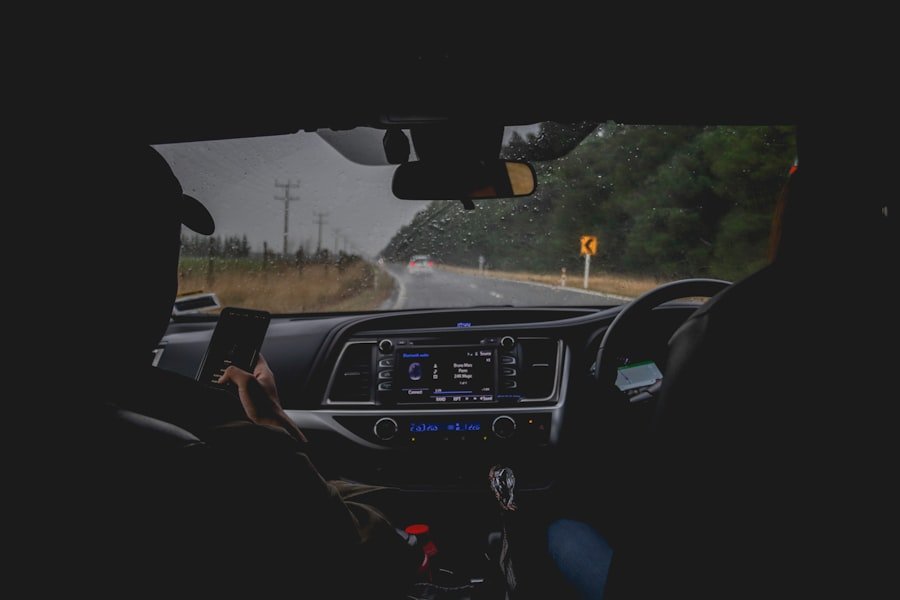
Urban areas in Alabama present their own set of challenges for drivers due to higher traffic volumes and complex road systems. In cities like Birmingham or Montgomery, navigating through busy intersections requires heightened awareness and quick decision-making skills. One effective strategy for urban driving is to familiarize oneself with local traffic patterns and peak hours.
Understanding when traffic is likely to be heaviest can help drivers plan their routes more effectively and avoid unnecessary delays. Additionally, urban driving often involves frequent stops and starts due to traffic signals and pedestrian crossings. It is essential for drivers to remain patient and attentive during these moments.
Utilizing turn signals well in advance of lane changes or turns not only communicates intentions but also enhances safety by allowing other drivers and pedestrians to anticipate movements. Moreover, being mindful of cyclists and pedestrians is crucial in urban settings; maintaining a safe distance from these vulnerable road users can prevent accidents and promote a culture of safety within the community.
Staying Safe on Alabama Highways
Alabama’s highways are vital arteries for transportation but can also be hazardous if proper precautions are not taken. High-speed travel increases the potential for serious accidents; therefore, maintaining a safe following distance is paramount. The general rule of thumb is to keep at least one car length between vehicles for every 10 mph being traveled.
This buffer allows for adequate reaction time in case of sudden stops or emergencies. Moreover, highway driving often involves merging onto busy interstates or navigating through construction zones. Drivers should always signal their intentions when changing lanes or merging and be aware of their surroundings by checking mirrors frequently.
In construction zones specifically, reduced speed limits are typically enforced; adhering to these limits not only ensures compliance with the law but also protects workers who may be present on-site. By practicing these safety measures on highways, drivers can significantly reduce their risk of accidents.
The Importance of Defensive Driving in Alabama
Defensive driving is an essential skill that every motorist should cultivate to enhance safety on Alabama’s roads. This proactive approach involves anticipating potential hazards and taking steps to avoid them rather than merely reacting after an incident occurs. For example, defensive drivers maintain awareness of their surroundings by scanning the road ahead for potential dangers such as erratic drivers or pedestrians unexpectedly entering crosswalks.
Additionally, defensive driving emphasizes the importance of staying calm under pressure. In situations where another driver may be aggressive or reckless, a defensive driver will prioritize safety over confrontation by allowing space between vehicles or yielding right-of-way when necessary. This mindset not only protects individual drivers but also contributes to a more harmonious driving environment overall.
By adopting defensive driving techniques, motorists in Alabama can play an active role in reducing accidents and fostering safer roads for everyone.
If you’re planning a road trip through Alabama, it’s essential to be well-prepared for the journey. From understanding local traffic laws to knowing the best scenic routes, there are many factors to consider for a smooth driving experience. While you’re gathering tips for driving in Alabama, you might also want to explore some delightful culinary experiences along the way. For instance, you can try making a simple and healthy snack to take on your trip by checking out this article on delicious homemade cottage cheese. This nutritious treat can be a perfect companion for your travels, ensuring you stay energized and satisfied on the road.
FAQs
What are the speed limits in Alabama?
In Alabama, the speed limits vary depending on the type of road. For example, the speed limit on interstate highways is typically 70 mph, while on rural interstates it is 65 mph, and on urban interstates it is 60 mph. On other roads, the speed limit is usually 55 mph, but it can be lower in residential or school zones.
Are there any specific rules or regulations for driving in Alabama?
In Alabama, it is mandatory for all drivers and passengers to wear seat belts. Additionally, it is illegal to use a handheld mobile phone while driving. The state also has a “move over” law, which requires drivers to move over to the next lane when passing emergency vehicles stopped on the side of the road.
What should I do if I encounter severe weather while driving in Alabama?
Alabama is prone to severe weather, including thunderstorms and tornadoes. If you encounter severe weather while driving, it is important to pull over to a safe location, such as a rest area or gas station, and wait for the weather to pass. It is also advisable to tune in to local radio stations for weather updates and warnings.
Are there any specific tips for driving in rural areas of Alabama?
When driving in rural areas of Alabama, it is important to be aware of wildlife, such as deer, that may cross the road. It is also advisable to be cautious of narrow and winding roads, as well as slow-moving farm vehicles. Additionally, it is recommended to keep an eye out for road signs indicating the presence of tractors or other agricultural equipment.
What should I do if I encounter a school bus on the road in Alabama?
When approaching a school bus that is stopped with its lights flashing and stop arm extended, all drivers in Alabama are required to stop and remain stopped until the bus resumes motion or the bus driver signals that it is safe to proceed. This law applies to both directions of travel, unless the road is divided by a median.
