Traveling in Alaska can be an incredible adventure, but the state’s wildlife, rapidly changing weather, long driving distances, cold water, and remote backcountry require more preparation than many trips in the Lower 48. Alaska travel safety starts before you leave: check current conditions, plan how you will communicate, carry the right clothing and emergency supplies, and understand how to respond if you encounter bears or moose.
Quick Answer
To travel safely in Alaska, plan for wildlife, fast-changing weather, long distances, limited cell service, and cold water. Check forecasts and Alaska 511 before leaving, carry layers and emergency supplies, leave a trip plan, keep bear spray accessible where allowed, and consider satellite communication for remote backcountry travel.
Key Takeaways
- Check current weather, road conditions, closures, and local safety rules before each outing.
- Never approach wildlife. Do not run from a bear, and know the different response required if a moose charges.
- Carry layered clothing, navigation tools, emergency supplies, food, water, and a first-aid kit appropriate for your activity.
- Do not assume you will have cell service. Remote backcountry trips may justify a satellite messenger, satellite phone, or personal locator beacon.
- Treat rivers, coastal water, and glacial streams as serious hazards even during warm weather.
Before You Go: Build a Safety and Communication Plan
Good Alaska travel safety begins with a realistic plan. Review your route, expected weather, road status, park alerts, access restrictions, and the difficulty of any outdoor activity before leaving. For road travel, check Alaska 511 for current road conditions and alerts.
If you are hiking, camping, paddling, or traveling away from populated areas, give a trusted person your route, destination, expected return time, vehicle information, and a clear instruction about what to do if you become overdue. Include a backup route when appropriate.
Download maps before leaving reliable service areas and carry a physical map when traveling somewhere where navigation matters. Do not assume a phone will provide navigation or emergency communication everywhere in Alaska.
Note: Local conditions, wildlife closures, road restrictions, and park rules can change quickly. Current instructions from rangers, Alaska officials, emergency personnel, and posted signs take priority over general travel advice.
Understanding Alaskan Wildlife Encounters
Alaska’s wildlife is one of the highlights of a trip, but wild animals need space. Bears and moose require different responses, so learn the basics before entering wildlife habitat.
Bear Safety in Alaska
The Alaska Department of Fish and Game advises people in bear country to stay alert, make noise so bears are not surprised, avoid approaching or crowding bears, and keep food, garbage, and other attractants secured.
If you see a bear that is not approaching you, stay calm and give it room. Do not run. Keep your group together, speak calmly, and increase your distance without blocking the bear’s route. If appropriate for the area, carry EPA-approved bear spray where you can reach it quickly rather than buried inside a backpack, and know how to remove the safety and use the product before your trip.
Warning: The correct response after physical contact with a bear depends on the bear’s behavior and the circumstances. National Park Service guidance generally distinguishes defensive brown/grizzly bear attacks from non-defensive or predatory attacks. Review the current bear-safety instructions for the specific park or region you will visit rather than relying on a single response for every encounter.
Moose Safety in Alaska
Moose should also be given plenty of room. They may become defensive around calves, when harassed by people or dogs, when blocked or crowded, and during stressful winter conditions. Watch for changes in body language and change your route rather than trying to force a moose off a trail or road.
If a moose charges, the response is different from a bear encounter. The Alaska Department of Fish and Game’s aggressive-moose guidance advises you to run and get behind something solid such as a tree, building, or vehicle.
Never intentionally feed bears, moose, or other wildlife. Feeding wildlife can create dangerous behavior and may violate local regulations.
Store Food and Scented Items Correctly
If you’re fishing or camping, secure food, garbage, fish, cooking supplies, toiletries, and other scented items according to the rules for the land you are visiting. Some parks and backcountry areas require approved bear-resistant food containers or other specific storage methods. Check the current regulations before your trip instead of assuming one storage method applies everywhere.
Preparing for Unpredictable Weather
Alaska’s weather varies dramatically by region, elevation, and season. Conditions can also change during a single outing, so pack for conditions beyond the warmest forecast of the day.
Prepare for Alaska’s changing weather by checking the latest forecast, dressing in layers, staying dry, and carrying enough insulation for conditions to become colder or wetter than expected.
- Layer Up: Wear a moisture-managing base layer, an insulating layer, and a wind- and water-resistant outer layer appropriate for the forecast and activity.
- Pack Extra Warmth: Carry an extra insulating layer, rain protection, a warm hat, and gloves when conditions warrant them.
- Stay Informed: Check the National Weather Service forecast and alerts before leaving and again when you still have service.
- Stay Dry: Wet clothing plus wind can cool you quickly. Protect spare clothing, fire-starting supplies, and other critical gear from water.
Navigating Rugged Roads and Terrain
Alaska road trips can cover long distances between communities and services. Road surfaces, construction, weather, wildlife, and seasonal maintenance can all affect travel. Prepare your vehicle for the route you actually plan to drive rather than assuming every Alaska trip requires specialized off-road equipment.
Road Conditions Awareness
Before driving, review your route on Alaska 511 and check the weather. Conditions can change, especially during storms, freeze-thaw cycles, construction, wildfire activity, and winter weather.
- Check Current Conditions: Review road conditions, alerts, closures, and weather before departure.
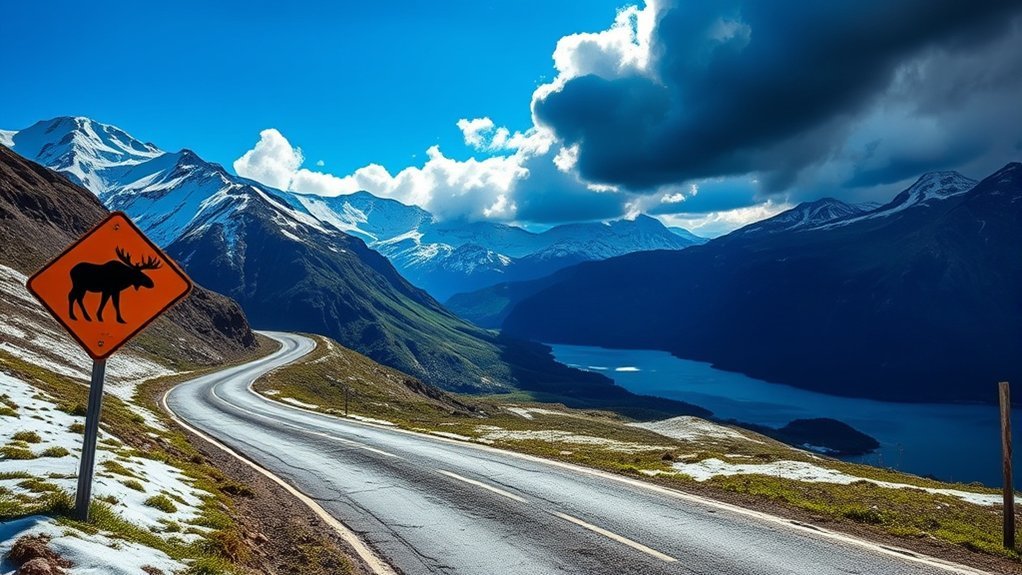
- Observe Road Signs: Follow warnings for reduced speed, construction, wildlife crossings, loose gravel, ice, flooding, or closures.
- Adjust Your Speed: Slow down on gravel, wet pavement, snow, ice, limited-visibility sections, and roads where wildlife is present.
- Avoid Driving Around Closures: A road marked closed or not maintained may lack safe passage or accessible emergency services.
Vehicle Preparation Essentials
Before you hit the road, verify that your vehicle is suitable for your route and in good working condition. Check tires, brakes, lights, windshield wipers, fluids, battery condition, and your usable spare or tire-repair equipment.
| Preparation Item | Why It Matters |
|---|---|
| Route- and season-appropriate tires | Good tread, correct pressure, and appropriate seasonal capability improve control. |
| Serviceable spare or repair equipment | A flat tire can become a serious delay when services are far away. |
| Emergency supplies | Warm clothing, blankets, food, water, first aid, a flashlight, and charging equipment can help during an unexpected stop. |
| Adequate fuel | Plan fuel stops in advance on routes where stations or opening hours may be limited. |
Pro Tip: If you are using a rental vehicle, check the rental agreement before choosing gravel, remote, or seasonally maintained roads. Vehicle type and rental restrictions can matter as much as road conditions.
Essential Gear for Outdoor Activities
The right gear depends on whether you’re taking an urban trail walk, a roadside hike, a day in a national park, or a multi-day backcountry trip. At minimum, think in systems: navigation, insulation, illumination, first aid, food, water, weather protection, and emergency communication.
- Layered Clothing: Carry enough clothing to remain warm if the weather turns colder, wetter, or windier than expected.
- Sturdy Footwear: Wear footwear with traction and support appropriate for the terrain. Waterproof or quick-drying footwear may be useful in wet environments.
- Navigation: Carry a map, compass, GPS device, or a suitable combination, and know how to use them. Download offline maps before leaving coverage.
- Light and Power: Bring a headlamp or flashlight plus backup power suitable for the length of the trip.
- Emergency Supplies: Carry first-aid supplies, extra food, water or a treatment method, emergency insulation or shelter, and any activity-specific safety equipment.
Safety Protocols for Hiking and Camping
When hiking or camping in Alaska, use established trails where they exist, but understand that some true backcountry areas have few or no maintained trails. Do not enter trail-less wilderness unless your navigation, route-finding, fitness, and emergency-planning skills match the trip.
Before leaving, tell a trusted person where you’re going and when to expect you back. Carry a first-aid kit and sufficient food, water, navigation equipment, insulation, and rain protection. For remote trips, consider whether a two-way satellite messenger, satellite phone, or personal locator beacon is appropriate. A communication device improves your options, but it does not guarantee immediate rescue.
Stay bear-aware. Carry bear spray where it is permitted and appropriate, know how to use it, and keep it immediately accessible while hiking. Secure food and scented items according to local rules.
Stay hydrated and eat enough to maintain energy, but do not let a schedule push you into unsafe weather, a hazardous river crossing, or terrain beyond your ability.
Cold Water, Rivers, and Boating Safety
Cold water is one of Alaska’s less obvious hazards. Glacial streams and rivers can remain extremely cold even when the air feels comfortable, and water levels can change after rain or warm weather.
The National Park Service’s Alaska river-crossing guidance warns visitors not to underestimate stream crossings. If you cannot confidently judge the depth, current, downstream hazards, and exit point, turn around or find another route. Never assume a crossing that was safe earlier will still be safe when you return.
- Do not cross moving or flooded water when you cannot determine that it is safe.
- Wear footwear rather than attempting wilderness crossings barefoot.
- Protect dry clothing, insulation, and emergency supplies from water.
- Choose routes that avoid unnecessary crossings whenever practical.
- Wear an appropriate life jacket when boating or paddling and follow the specific rules for the waterway and activity.
Warning: Do not enter glacier ice caves, climb onto unfamiliar glacier terrain, or approach active glacier hazards simply because other visitors are doing so. Glacier, iceberg, river, and shoreline conditions require location-specific guidance.
Tips for Driving in Remote Areas
Driving through remote Alaska requires extra preparation because fuel, repair shops, food, lodging, and cellular coverage may be limited along some routes.
- Check Your Vehicle: Inspect tires, brakes, lights, fluids, wipers, and emergency equipment before a long or remote drive.
- Check Alaska 511: Review road conditions and closures before leaving a service area.
- Plan Fuel Stops: Do not assume the next fuel station will be close or open when you arrive. Refuel early when your route has long gaps between communities.
- Carry Emergency Supplies: Keep warm clothing, food, water, a flashlight, basic first aid, charging equipment, and a map in the vehicle.
- Do Not Rely on Cell Service: Download your route before departure. For especially remote travel, decide in advance how you would request help if cellular service is unavailable.
Drive at a speed that gives you time to react to wildlife, gravel, ice, potholes, reduced visibility, construction, and other changing road conditions.
Emergency Preparedness and First Aid Basics
When you’re exploring Alaska, being prepared for emergencies means carrying basic medical supplies and knowing how you will contact help. The farther you travel from communities and roads, the more self-sufficient you should be.
First Aid Kit Essentials
A personal first-aid kit should match your group, activity, trip length, medical needs, and distance from professional care. Useful basics can include:
- Bandages and Gauze: Carry several sizes plus medical tape for minor cuts and scrapes.
- Wound-Cleaning Supplies: Pack suitable antiseptic or cleansing supplies for minor wounds.
- Blister Care: Long hikes can make blister treatment especially useful.
- Personal Medications: Bring required prescriptions and other medications you normally depend on.
- Pain or Fever Medicine: Carry medication that is appropriate for you and follow its label directions.
- Basic First-Aid Knowledge: Equipment is more useful when someone in the group knows how to use it. Wilderness first-aid training is especially valuable for remote trips.
Emergency Contact Information
Save important contacts before your trip, but remember that having a phone number does not guarantee you will have a signal. In isolated locations, emergency help may take considerable time to reach you.
| Situation | What to Do | Important Note |
|---|---|---|
| Life-threatening emergency | Call 911 when telephone service is available. | Remote areas may have no cellular connection. |
| Wildlife poses an immediate threat | Call 911 when possible. | Non-emergency wildlife concerns should be reported through the appropriate Alaska wildlife authority. |
| Vehicle breakdown | Contact your rental company, insurer, motor club, or roadside-assistance provider. | Service may be delayed or unavailable on inaccessible remote roads. |
| National park problem | Use the current emergency or ranger contact listed on that park’s official website. | Save the information before entering an area without service. |
| Remote backcountry emergency without cell service | Use your satellite SOS device or PLB according to its instructions if you have one. | Activation does not mean rescue will be immediate. |
Frequently Asked Questions
What are the best times of year to visit Alaska?
May through September is broadly considered Alaska’s summer travel season, with June through August being the busiest period for many visitors. However, the best time depends on your destination and activity. Winter trips, aurora trips, backcountry travel, and shoulder-season road trips require different clothing, daylight planning, transportation, and weather preparation.
Are there specific travel insurance recommendations for Alaska?
Instead of choosing a policy by brand name alone, compare emergency medical coverage, medical evacuation, trip cancellation and interruption, rental-vehicle coverage, baggage protection, and exclusions for hiking, climbing, paddling, snow sports, or other activities you plan to do. Read the policy wording because coverage and exclusions vary.
How can I stay connected in remote areas of Alaska?
Do not assume cellular service or a portable Wi-Fi hotspot will work. Download offline maps and important information before leaving coverage. For remote backcountry trips, consider a two-way satellite messenger, satellite phone, or personal locator beacon appropriate for your route. Learn how the device works before departure and remember that emergency response can still take time.
What wildlife should travelers be most careful around in Alaska?
Bears and moose deserve particular attention because visitors may encounter them on roads, trails, campgrounds, and around communities. Do not approach any wild animal for a photograph. Give wildlife an escape route, follow posted viewing-distance rules, secure food, and learn the correct response for the species before entering its habitat.
What should I do if I see a bear while hiking?
Stay calm, keep your group together, do not run, and give the bear space. If the bear is not approaching, increase your distance without blocking its route. Have bear spray accessible where allowed and appropriate. Because responses to aggressive or physical-contact encounters depend on the circumstances, review the current bear-safety instructions for the park or region you are visiting.
What should I do if a moose charges?
Run away and put a solid object such as a large tree, building, or vehicle between you and the moose. This is different from general bear guidance. The safest approach is to avoid provoking a charge by giving moose plenty of space and changing your route when necessary.
Are there local customs or land-access rules travelers should know?
Respect private property, Alaska Native-owned lands, local communities, cultural sites, posted restrictions, permits, and closures. Do not assume undeveloped land is automatically open for camping, hunting, fishing, or off-road access. Ask permission where required and follow the rules of the land manager or community you are visiting.
Sources
- Alaska Department of Fish and Game — Traveling in Bear Country — bear encounters, attractants, and general bear safety.
- Alaska Department of Fish and Game — Aggressive Moose — moose behavior and what to do if a moose charges.
- National Park Service — Alaska Safety — trip planning, backcountry preparation, weather, wildlife, and wilderness safety.
- National Park Service — Safe River Crossings — Alaska cold-water and stream-crossing hazards.
- Alaska 511 — current Alaska road conditions, closures, traffic information, and alerts.
- National Weather Service — current forecasts, watches, warnings, and weather-safety information.