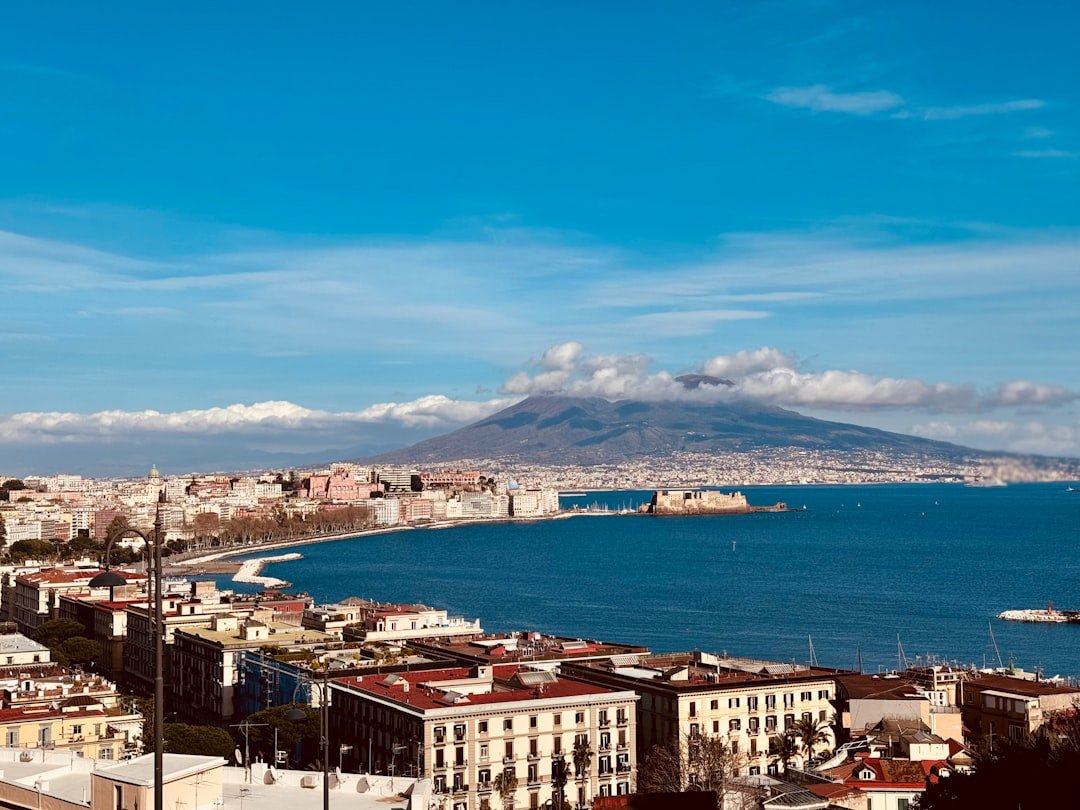
Sorrento is a cliffside town on the Sorrentine Peninsula, overlooking the Gulf of Naples and Mount Vesuvius. It is not technically part of the Amalfi Coast, but it is a practical base for visiting Pompeii, Capri, Positano, and Amalfi. This two-day Sorrento itinerary keeps the main plan inside town so you can enjoy the historic center, waterfront, food, views, and local shops without rushing.
Quick Answer
Spend day one around Piazza Tasso, Corso Italia, the historic center, Basilica di Sant’Antonino, Chiostro di San Francesco, and Villa Comunale. Use day two for Marina Grande, a relaxed waterfront lunch, local shopping, and any sights you missed. Save Pompeii, Capri, or the Amalfi Coast for an extra day or swap one into the plan.
Key Takeaways
- Stay near the historic center or Sorrento station for the easiest two-day visit.
- Walk the old town on day one, then slow down around Marina Grande on day two.
- Sorrento has steep lanes, stairs, and elevation changes, so wear supportive shoes and allow extra time.
- Use EAV trains for Naples and Pompeii, SITA buses for the Amalfi Coast, and ferries for Capri when services are operating.
- Do not try to fit Sorrento, Pompeii, Capri, Positano, and Amalfi into the same two-day stay.
At a Glance
| Time Required | Two full days, ideally with two nights |
| Difficulty | Easy to moderate, with hills, steps, and uneven paving |
| Tools Needed | Comfortable shoes, water, sun protection, a light layer, and a phone with offline maps |
| Cost | Flexible. Many central sights are free, while meals, museums, beach facilities, ferries, and day trips cost extra. |
How to Use This Sorrento 2-Day Itinerary
This plan gives Sorrento itself two days. That pace works well for a first visit because the town is compact but not flat. The historic center sits above the marinas, and a route that looks short on a map may include stairs or a steep climb.
Arrive the evening before when possible. You can then start early on day one and avoid using your first morning for check-in or luggage storage. If Pompeii or Capri is your main priority, replace day two with one day trip rather than squeezing it into a half-day.
Note: Opening hours, ferry departures, train schedules, bus routes, and swimming conditions can change. Check the official operator or attraction website again on the day you travel.
Day 1: Exploring the Historic Center and Local Cuisine
Morning: Piazza Tasso and Sorrento’s Old Streets
Start at Piazza Tasso, Sorrento’s main square. It is a useful meeting point near the train station, Corso Italia, cafes, and the lanes of the historic center. Before walking deeper into town, look over the Vallone dei Mulini, the green ravine beside the square.
Continue along Corso Italia, then turn into the older streets around Via San Cesareo. This is where you will find small shops, inlaid-wood workshops, ceramics, leather goods, food stores, and cafes. Visit the Cathedral of Saints Philip and James if it is open, but remain quiet and avoid sightseeing during a service.
Walk to Sedil Dominova, the surviving medieval loggia where local nobles once met. Its open arches and decorated interior make it one of the historic center’s most distinctive landmarks.
Lunch: Try Sorrento’s Best-Known Flavors
Choose a trattoria away from the busiest doorway crowds and check the menu before sitting down. Gnocchi alla Sorrentina is the town’s signature comfort dish, with potato gnocchi, tomato, basil, and melted cheese. Other good choices include seafood pasta, grilled local fish when available, seasonal vegetables, and dishes made with local lemons.
For dessert, try gelato, delizia al limone, or sfogliatella. Limoncello is usually served after a meal, but it contains alcohol, so drink responsibly and do not combine it with driving.
Afternoon: Sant’Antonino, San Francesco, and Villa Comunale
After lunch, visit Piazza Sant’Antonino and the Basilica di Sant’Antonino, dedicated to Sorrento’s patron saint. The church developed from an earlier place of worship and was expanded in the 11th century, with later changes over time.
Continue to the Chiostro di San Francesco and then to Villa Comunale. The public garden is one of the easiest places in central Sorrento to see the Gulf of Naples and Mount Vesuvius. A public lift near Villa Comunale connects the upper town with the Marina Piccola port area, although operating hours and access conditions should be checked locally.
Evening: Sunset and Dinner
Stay near Villa Comunale for the late-afternoon view, then walk back toward Piazza Tasso for an aperitivo or dinner. Reserve a table in advance during busy months, especially when you want a terrace or a popular seafood restaurant.
Pro Tip: Save large souvenir purchases until the end of the day. Carrying bottles and ceramics makes the old town’s steps and uneven paving less comfortable.
Day 2: Relaxing on the Coast and Visiting More Sorrento Sights
Morning: Walk Down to Marina Grande
Begin the second day at Marina Grande, Sorrento’s traditional fishing village. The walk from the center follows sloping lanes and may feel steeper on the return. Local buses or a taxi can help travelers who want to reduce the climb.
Marina Grande has a small waterfront, restaurants, bathing areas, and views back toward Sorrento’s cliffs. Beach access varies between public sections and paid facilities, and the shoreline may include pebbles, sand, platforms, and rocks. Swim only where access is allowed and conditions are safe.
Warning: Summer heat, strong sun, wet steps, and boat traffic can create risks near the water. Use sun protection, watch children closely, and follow local signs or lifeguard instructions.
Lunch: Slow Down by the Waterfront
Have lunch near Marina Grande if the setting matters more than a quick meal. Compare posted menus and prices before choosing. Seafood is a natural choice, but “fresh catch” depends on the restaurant and the day’s supply, so ask what is available rather than assuming every dish was caught that morning.
Afternoon: Museum, Views, or a Second Walk Through Town
Return to the center and choose one relaxed activity. You can visit the Museo Correale di Terranova, revisit the historic lanes, stop at Piazza della Vittoria, or take the lift toward Marina Piccola for a look at the port. Travelers who prefer a quiet afternoon can simply enjoy a cafe and the view from Villa Comunale.
This is also a good time to see any day-one landmark that was closed or crowded. Churches and small museums may have midday closures, seasonal hours, or limits during religious events.
Evening: A Final Sorrento Meal
End the trip with a meal built around local specialties. Try gnocchi alla Sorrentina if you skipped it on day one, or choose seafood, pizza, seasonal vegetables, and a lemon dessert. A slow final evening is usually more rewarding than adding a rushed trip outside town.
Where to Stay in Sorrento
| Area | Best For | Main Advantage | Main Trade-Off |
|---|---|---|---|
| Sorrento historic center | First-time visitors and short stays | Easy access to Piazza Tasso, restaurants, shops, and the station | Can be busy and noisy in peak season |
| Marina Grande | Waterfront atmosphere and seafood dining | Traditional harbor setting close to the water | Steep walk to the upper town and fewer transport connections |
| Sant’Agnello or Piano di Sorrento | Travelers seeking a quieter base | Often calmer than central Sorrento, with rail access | Requires a train, bus, taxi, or longer walk to central sights |
| Massa Lubrense | Longer stays, views, and a quieter peninsula setting | More space and access to countryside or coastal areas | Less convenient for a two-day trip without reliable transport |
Choose a central hotel or bed-and-breakfast when walkability is your main concern. A room near Piazza Tasso or Sorrento station makes early trains and late dinners easier. Marina Grande suits travelers who value waterfront character and do not mind the climb.
The Grand Hotel Excelsior Vittoria is a historic luxury property on Piazza Tasso that dates to 1834 and has private lift access toward the port. It is an example of a high-end central stay, not a budget choice. La Maison de Titty & Margy, mentioned in the original article, is in nearby Piano di Sorrento rather than central Sorrento, so account for the extra journey.
Nightly prices change sharply by season, room type, booking date, and cancellation terms. Compare the full cost, including local taxes and transport, instead of relying on a fixed “average price” table.
Getting Around Sorrento
Walking
Most central sights are close enough to reach on foot. However, Sorrento’s cliffside layout means you may encounter steep lanes, steps, and uneven paving. Map distance alone does not show the effort required.
Trains to Naples and Pompeii
EAV operates the Napoli-Sorrento rail line. It connects Sorrento with Naples and the Pompei Scavi-Villa dei Misteri stop near the archaeological park. Check the current EAV rail timetable before leaving because schedules and service notices can change.
Buses to the Amalfi Coast
SITA Sud operates bus services linking Sorrento with Positano and Amalfi. Timetables change by season, and road traffic can cause long delays. Review the latest SITA Coast schedule and notices for your travel date.
Ferries and Hydrofoils
Ferries connect Sorrento with Capri and, depending on the season and operator, other destinations around the Gulf of Naples and the Amalfi Coast. Departures can change because of weather or sea conditions. Check an official operator, such as the Caremar Sorrento-Capri timetable, and confirm the return sailing before boarding.
Taxis, Local Buses, and Driving
Taxis and local buses help with Marina Grande, hotels outside the center, or travelers with limited mobility. Ask the fare or confirm the meter before a taxi journey. A car is rarely helpful for a short stay in central Sorrento because traffic, narrow roads, and parking can add stress. It may be useful only for a wider peninsula trip with confirmed parking.
Accessibility and Luggage
Travelers with wheelchairs, strollers, heavy luggage, or reduced mobility should ask accommodation staff about step-free routes before arrival. The upper town and marinas sit at different levels. The public lift by Villa Comunale can reduce the climb toward Marina Piccola, but it does not solve every access barrier in the old town or at Marina Grande.
Shopping and Souvenirs in Sorrento
Discover Local Craft Traditions
Sorrento is known for decorative wood inlay, often called intarsia. You will also see ceramics, leather goods, prints, and jewelry. Look closely at labels and ask where an item was made, since not every product sold in a tourist center is locally produced.
Buy Limoncello Carefully
Limoncello is closely tied to the lemon-growing traditions of the Sorrentine Peninsula. Many shops offer tastings, but compare ingredients, bottle size, alcohol content, and packaging before buying. Pack glass bottles securely and check airline liquid and customs rules for your destination.
Bring Home the Flavors of the Region
Olive oil, lemon products, packaged pasta, preserves, biscuits, and sealed specialty foods can make practical souvenirs. Fresh produce, cheese, and cured meat may be restricted by your destination country’s customs rules, so check before purchasing them for an international flight.
What to Book and Pack Before Your Trip
- Accommodation: Book early for spring, summer, and early fall, especially when you want a central room or sea view.
- Popular restaurants: Reserve ahead for terrace dining or weekend evenings.
- Day-trip tickets: Buy official Pompeii tickets in advance and reserve busy ferry departures when your date is fixed.
- Footwear: Wear shoes with grip for polished paving, hills, wet waterfront surfaces, and stairs.
- Weather protection: Carry water, sunscreen, a hat, and a light rain layer. Bring a warmer layer outside summer.
- Church visits: Dress respectfully and avoid interrupting worship.
- Offline information: Save your accommodation address, return timetable, and map before leaving Wi-Fi.
Day Trips from Sorrento
Sorrento is a strong base for day trips, but each major destination deserves most of a day. With only two days total, choose one excursion and accept that you will see less of Sorrento.
The most realistic two-day choice is either two relaxed days in Sorrento or one day in Sorrento plus one major day trip.
Pompeii
Pompeii is the simplest major archaeological day trip by rail. Take the EAV line toward Naples and get off at Pompei Scavi-Villa dei Misteri. The official archaeological park introduced named tickets and a daily limit of 20,000 visitors, with time-slot controls during part of the year. Check current hours, ticket types, entry rules, and bag limits on the official Pompeii website before travel.
Capri
Capri is reached by ferry from Sorrento. Allow time to reach Marina Piccola, board, and return before the last suitable sailing. The Blue Grotto depends on sea conditions and cannot be guaranteed, so do not build the entire day around it.
Positano and Amalfi
You can reach Positano and Amalfi by SITA bus or seasonal boat services. Road traffic is often heavy, while ferries depend on weather and the operating season. Positano alone is a more comfortable day trip than trying to rush through Positano, Amalfi, and Ravello in one day.
Naples
Naples offers major museums, historic streets, churches, and food, but it needs a clear plan. Use the EAV train or an available ferry, then focus on one area instead of trying to cross the entire city in a few hours.
Best Time to Visit Sorrento
Spring and early fall usually offer a good balance of mild weather and active transport services, but they are no longer guaranteed to be quiet. July and August bring heat, strong sun, higher demand, and heavier crowds. Late fall and winter can feel calmer, although some hotels, restaurants, tours, and ferry routes reduce their schedules.
For swimming and boat trips, late spring through early fall is the most dependable period. For walking and sightseeing, April, May, late September, and October are often more comfortable than midsummer. Always check the forecast and seasonal transport before booking around a specific activity.
Making the Most of Your 2-Day Sorrento Getaway
A satisfying two-day visit does not require a packed checklist. Spend the first day on Sorrento’s historic center, churches, views, and food. Use the second for Marina Grande, the waterfront, shopping, and a slower return through town.
Sorrento’s real advantage is its mix of walkable sights and strong transport links. It can support a longer trip to Pompeii, Capri, Naples, or the Amalfi Coast, but those excursions work best when you add more days. With only two, choose depth over distance and leave room for a long meal, a sunset view, and the unexpected corners that make the town memorable.
Frequently Asked Questions
Is two days enough for Sorrento?
Yes. Two full days are enough to explore the historic center, main viewpoints, Marina Grande, local shops, and several churches or museums at a relaxed pace. Add more days when you also want Pompeii, Capri, Naples, or the Amalfi Coast.
Is Sorrento part of the Amalfi Coast?
No. Sorrento is on the Sorrentine Peninsula in the Metropolitan City of Naples. The Amalfi Coast begins on the other side of the peninsula and includes places such as Positano, Amalfi, and Ravello.
What are the must-see attractions in Sorrento?
Good first-visit stops include Piazza Tasso, the historic lanes, Sedil Dominova, Basilica di Sant’Antonino, Chiostro di San Francesco, Villa Comunale, Marina Grande, and the view over Vallone dei Mulini.
What is the best day trip from Sorrento?
Pompeii is usually the easiest history-focused trip by train. Capri is best for an island and boat day, while Positano is a popular coastal choice. Pick one based on your interests, the weather, and current transport schedules.
Can you walk around Sorrento?
Yes. The center is compact and most major sights are walkable. Expect hills, stairs, uneven paving, and a noticeable climb between waterfront areas and the upper town.
Do you need a car in Sorrento?
No. A car is usually unnecessary for a two-day stay because the center is walkable and trains, buses, ferries, and taxis cover common routes. Parking and traffic can make a car less convenient.
What local food should you try in Sorrento?
Try gnocchi alla Sorrentina, seafood pasta, seasonal fish, pizza, local lemon desserts, gelato, and limoncello. Ask about seasonal dishes and check prices before ordering in the busiest tourist areas.
What is the best time to visit Sorrento?
April, May, late September, and October often provide comfortable sightseeing weather. Summer is best for the widest choice of beach and boat activities but is hotter and busier. Winter is quieter, with reduced seasonal services.
Sources
- Italia.it: Sorrento — official destination overview and major sights.
- City of Sorrento: Historic Center — local information on historic landmarks.
- EAV Rail Timetables — current Napoli-Sorrento line schedules.
- SITA Sud Coastal Bus Timetable — seasonal Sorrento, Positano, and Amalfi bus information.
- Pompeii Archaeological Park — official opening, ticket, entry, and visitor information.
- Caremar Sorrento-Capri Timetable — official ferry schedule information.