

The Swiss Alps, renowned for their breathtaking landscapes and outdoor recreational opportunities, also present unique challenges when it comes to sun exposure. At high altitudes, the atmosphere is thinner, which means that ultraviolet (UV) radiation is more intense. For every 1,000 meters of elevation gain, UV radiation increases by approximately 10 to 12 percent.
This heightened exposure can lead to severe sunburns and long-term skin damage, making it crucial for outdoor enthusiasts to understand the implications of sun exposure in this stunning region. Moreover, the reflective properties of snow exacerbate the effects of UV radiation. Snow can reflect up to 80 percent of UV rays, meaning that even on cloudy days or when one is not directly in the sun, the risk of sunburn remains significant.
This dual threat of direct and reflected UV radiation necessitates a comprehensive approach to sun protection for anyone venturing into the Swiss Alps, whether they are skiing, hiking, or simply enjoying the alpine scenery. Understanding these factors is the first step in ensuring a safe and enjoyable experience in this beautiful yet challenging environment.
Key Takeaways
- The Sun’s impact in the Swiss Alps is intensified due to higher altitude and reflection off snow, making sun protection crucial.
- When choosing sunscreen for high altitude, look for a broad-spectrum SPF of at least 30 and water-resistant formula to protect against UVB and UVA rays.
- Quality sunglasses with 100% UV protection are essential for protecting your eyes from harmful sun exposure at high altitudes.
- UPF clothing provides an extra layer of protection against the sun’s harmful rays, especially in the Swiss Alps where UV exposure is higher.
- Sun hats and visors offer additional protection for the face, neck, and ears from direct sun exposure at high altitudes.
- Lip balm with SPF is important for protecting the delicate skin on the lips from sun damage in the Swiss Alps.
- Seek shade and rest during peak sun hours to minimize sun exposure and give your skin a break from the intense UV rays.
- Reapply sunscreen and other sun protection throughout the day, especially after sweating or swimming, to ensure continuous protection in the Swiss Alps.
Choosing the Right Sunscreen for High Altitude
Selecting an appropriate sunscreen is paramount for anyone planning to spend time in the Swiss Alps. The ideal sunscreen should have a broad-spectrum protection rating, which means it protects against both UVA and UVB rays. The American Academy of Dermatology recommends using a sunscreen with an SPF of at least 30, but for high-altitude activities, many experts suggest opting for an SPF of 50 or higher.
This is particularly important because the increased UV exposure at altitude can lead to quicker skin damage. In addition to SPF, water resistance is another critical factor to consider when choosing sunscreen for alpine activities. Engaging in sports like skiing or snowboarding often leads to sweating or exposure to moisture from snow, which can wash away less durable sunscreens.
A water-resistant formula that lasts for at least 80 minutes is advisable. Furthermore, individuals with sensitive skin should look for mineral-based sunscreens containing zinc oxide or titanium dioxide, as these ingredients provide effective protection without irritating the skin.
Protecting Your Eyes with Quality Sunglasses
The eyes are particularly vulnerable to UV radiation, and this risk is amplified in high-altitude environments like the Swiss Alps. Prolonged exposure to UV rays can lead to various eye conditions, including cataracts and photokeratitis, often referred to as “snow blindness.” To mitigate these risks, investing in high-quality sunglasses is essential. Look for sunglasses that offer 100 percent UV protection and have a wraparound design to shield the eyes from peripheral light.
Polarized lenses are also highly recommended for alpine activities. These lenses reduce glare from reflective surfaces such as snow and ice, enhancing visibility and comfort while engaging in outdoor sports. Additionally, sunglasses with a high lens category rating (ideally category 3 or 4) provide better protection against bright conditions typical of snowy environments.
It’s also wise to consider sunglasses with interchangeable lenses that can adapt to varying light conditions throughout the day.
Covering Up with UPF Clothing
| UPF Clothing | Benefits |
|---|---|
| UPF 50+ | Blocks 98% of UV rays |
| Long sleeves | Provides full arm coverage |
| Moisture-wicking | Keeps skin dry and cool |
| Breathable fabric | Allows for comfortable wear |
While sunscreen is vital for protecting exposed skin, wearing UPF (Ultraviolet Protection Factor) clothing adds an extra layer of defense against harmful UV rays. UPF clothing is specifically designed to block out UV radiation, providing a more reliable form of protection than regular clothing. Fabrics with a tighter weave and darker colors generally offer better UPF ratings.
In addition to long-sleeve shirts and pants, consider wearing a UPF-rated base layer when skiing or hiking. These garments not only protect against UV rays but also wick moisture away from the skin, keeping you dry and comfortable during strenuous activities.
Many outdoor brands now offer stylish options that combine functionality with aesthetics, allowing adventurers to look good while prioritizing sun safety.
Utilizing Sun Hats and Visors for Additional Protection
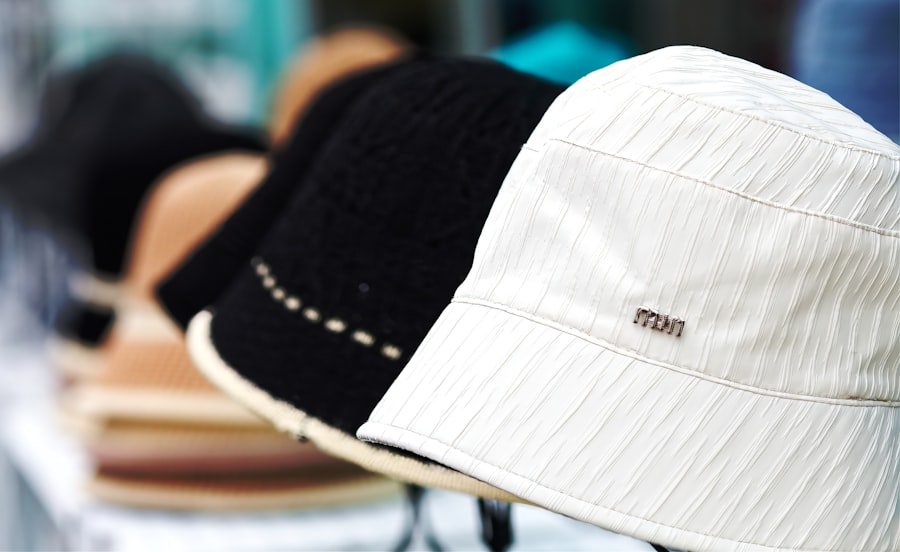
A wide-brimmed hat or visor is an essential accessory for anyone spending time outdoors in the Swiss Alps. Hats provide shade for the face, neck, and ears—areas often overlooked when applying sunscreen. A hat with a brim of at least three inches can significantly reduce direct sunlight exposure and help prevent sunburn in these sensitive areas.
Additionally, many outdoor brands offer hats made from lightweight, breathable materials that are designed specifically for sun protection. Visors are another excellent option for those who prefer a more minimalistic approach while still seeking sun protection. They allow for better airflow and visibility while shielding the eyes and face from direct sunlight.
When selecting a hat or visor, look for options with UPF ratings to ensure maximum protection against harmful UV rays. This combination of headwear not only enhances comfort but also contributes significantly to overall sun safety during alpine adventures.
Importance of Lip Balm with SPF
Often neglected in sun protection routines, lip balm with SPF is crucial for safeguarding the delicate skin on the lips from UV damage. The skin on the lips is thinner than that on other parts of the body and lacks melanin, making it more susceptible to sunburn and long-term damage. In high-altitude environments like the Swiss Alps, where UV exposure is heightened, using a lip balm with an SPF of at least 15 is essential.
When choosing a lip balm for outdoor activities, look for products that offer broad-spectrum protection and are water-resistant. Many lip balms also contain moisturizing ingredients such as shea butter or coconut oil, which help prevent chapping and keep lips hydrated in dry alpine conditions. Regular application throughout the day is necessary, especially after eating or drinking, as these activities can wear off lip products quickly.
Seeking Shade and Resting during Peak Sun Hours
Even with proper sun protection measures in place, it’s wise to seek shade during peak sun hours—typically between 10 a.m. and 4 p.m.
In the Swiss Alps, this can be particularly challenging due to the vast open spaces and reflective surfaces that amplify sunlight exposure.
Planning activities around these peak hours can significantly reduce the risk of sunburn and heat-related illnesses. When taking breaks during outdoor activities, look for natural shade provided by trees or rock formations whenever possible. If natural shade isn’t available, consider bringing along a portable sun shelter or umbrella that can be set up during rest periods.
This not only provides relief from direct sunlight but also allows for hydration and reapplication of sunscreen without the risk of overexposure.
Reapplying Sun Protection Throughout the Day
One of the most critical aspects of effective sun protection is reapplication throughout the day. Sunscreen should be reapplied every two hours or immediately after sweating or swimming, regardless of its water resistance claims. In high-altitude environments like the Swiss Alps, where activities can lead to increased perspiration or exposure to moisture from snow, frequent reapplication becomes even more vital.
To facilitate this process while on the go, consider carrying travel-sized sunscreen bottles or stick formulations that are easy to apply without making a mess. Setting reminders on your phone can also help ensure that you don’t forget to reapply at regular intervals. Additionally, keep an eye on your skin’s condition; if you notice any signs of redness or irritation, it’s essential to take immediate action by seeking shade and reapplying sunscreen generously.
By understanding the unique challenges posed by sun exposure in the Swiss Alps and implementing comprehensive protective measures—ranging from selecting appropriate sunscreens and eyewear to utilizing UPF clothing and seeking shade—outdoor enthusiasts can enjoy their alpine adventures while minimizing their risk of sun-related health issues.
When planning a trip to the Swiss Alps, it’s crucial to consider sun protection due to the high altitude and increased UV exposure. While enjoying the breathtaking views and engaging in outdoor activities, it’s easy to forget the importance of applying sunscreen and wearing protective clothing. Interestingly, the need for sun protection is not just limited to the Alps; it is also essential when exploring other regions with unique climates. For instance, when venturing into the delightful world of Asian melon cultivation, as discussed in this related article, understanding the impact of sun exposure on both plants and people can enhance your appreciation of these environments.
FAQs
What are the risks of sun exposure in the Swiss Alps?
The high altitude and reflective surfaces in the Swiss Alps can increase the risk of sunburn and skin damage from UV radiation.
What are the best ways to protect against sun exposure in the Swiss Alps?
Wearing sunscreen with a high SPF, protective clothing, sunglasses, and seeking shade during peak sun hours are effective ways to protect against sun exposure in the Swiss Alps.
Is sunscreen necessary in the Swiss Alps, even on cloudy days?
Yes, UV radiation can still penetrate through clouds and cause skin damage, so it is important to wear sunscreen even on cloudy days in the Swiss Alps.
What are the recommended SPF levels for sunscreen in the Swiss Alps?
It is recommended to use sunscreen with a minimum SPF of 30 in the Swiss Alps, and to reapply it every 2 hours or after swimming or sweating.
Are there any specific areas in the Swiss Alps where sun protection is especially important?
Sun protection is especially important in high altitude areas, near snow or water, and during activities such as skiing or hiking in the Swiss Alps.