

Tornado season in Alabama typically spans from late winter through early summer, with the peak months being March, April, and May. This period is characterized by a unique combination of atmospheric conditions that create an environment conducive to severe thunderstorms and tornado formation. The state’s geographical location, situated in the southeastern United States, places it within the infamous “Tornado Alley,” where warm, moist air from the Gulf of Mexico collides with cooler, drier air from the north.
This clash of air masses often leads to the development of supercell thunderstorms, which are notorious for producing some of the most violent tornadoes. The frequency and intensity of tornadoes in Alabama can vary significantly from year to year. Historical data indicates that Alabama experiences an average of 30 tornadoes annually, with some years witnessing a dramatic increase in activity.
For instance, the devastating tornado outbreak of April 27, 2011, resulted in over 60 tornadoes across the state, causing widespread destruction and loss of life. Understanding the patterns and risks associated with tornado season is crucial for residents, as it allows them to prepare adequately and respond effectively when severe weather strikes.
Key Takeaways
- Tornado season in Alabama typically occurs from March to May, with a secondary peak in November, and is characterized by frequent severe weather events.
- Creating a tornado safety plan for your family should include designating a safe room or shelter in your home, establishing a communication plan, and practicing drills regularly.
- Packing an emergency kit for tornado season should include essentials such as water, non-perishable food, first aid supplies, flashlights, batteries, and important documents.
- Finding safe shelter during a tornado may involve seeking refuge in a basement, storm cellar, or interior room on the lowest level of a sturdy building.
- Staying informed during tornado season means monitoring weather forecasts, having a reliable weather radio, and signing up for emergency alerts and notifications.
- Driving safety tips for tornado season include staying aware of weather conditions, avoiding flooded roads, and seeking shelter in a sturdy building if a tornado is approaching.
- Outdoor safety precautions during tornado season involve seeking shelter indoors, away from windows, and securing outdoor objects that could become projectiles in high winds.
- Post-tornado safety measures include checking for injuries, avoiding downed power lines, and being cautious of hazards such as gas leaks and structural damage.
Creating a Tornado Safety Plan
Developing a comprehensive tornado safety plan is essential for individuals and families living in Alabama. A well-structured plan should include specific actions to take before, during, and after a tornado warning is issued. The first step in creating this plan is to identify a safe location within your home or community where you can seek shelter during a tornado.
Ideally, this should be a basement or an interior room on the lowest floor, away from windows and exterior walls. It is also advisable to designate a meeting point outside your home in case family members become separated during an emergency. In addition to identifying safe locations, your tornado safety plan should include communication strategies.
Establishing a reliable method for staying in touch with family members during severe weather is vital. This could involve setting up a group text message or using walkie-talkies if cell service is disrupted. Furthermore, it is important to practice your safety plan regularly through drills, ensuring that everyone knows what to do and where to go when a tornado warning is issued.
Packing an Emergency Kit for Tornado Season
An emergency kit is a critical component of any tornado preparedness strategy. This kit should be assembled well in advance of tornado season and stored in an easily accessible location. Essential items to include are non-perishable food items, such as canned goods and energy bars, along with bottled water—enough to sustain each family member for at least three days.
Additionally, it is wise to pack a flashlight with extra batteries, a first aid kit, and any necessary medications that family members may require. Beyond basic supplies, consider including important documents in your emergency kit. This can encompass copies of identification, insurance policies, and medical records stored in a waterproof container.
A battery-powered or hand-crank weather radio is also invaluable for receiving real-time updates during severe weather events when power outages may occur. Finally, don’t forget to include comfort items such as blankets or toys for children, which can help alleviate stress during a potentially frightening situation.
Finding Safe Shelter During a Tornado
| Location | Number of Shelters | Distance from Residence | Capacity |
|---|---|---|---|
| Downtown | 5 | 1 mile | 100 people |
| Suburbs | 8 | 2 miles | 150 people |
| Rural Areas | 3 | 3 miles | 75 people |
When a tornado warning is issued, knowing where to find safe shelter can mean the difference between life and death. In Alabama, many communities have designated storm shelters that are specifically built to withstand severe weather conditions. These shelters are often located in public buildings such as schools or community centers and are equipped with reinforced structures designed to protect occupants from flying debris and extreme winds.
It is crucial for residents to familiarize themselves with the locations of these shelters ahead of time. For those who may not have access to a public storm shelter, seeking refuge in a sturdy building is essential. If you are at home during a tornado warning, move to the lowest level of your house—preferably a basement or an interior room without windows.
If you are caught outside or in a vehicle when a tornado approaches, it is advisable to find a low-lying area such as a ditch or ravine to lie down in and cover your head with your arms. Avoid seeking shelter under bridges or overpasses, as these can create wind tunnels that may increase the danger.
Staying Informed During Tornado Season
Staying informed about weather conditions during tornado season is paramount for ensuring safety. The National Weather Service (NWS) provides timely alerts and warnings through various channels, including television broadcasts, radio updates, and mobile apps. Residents should consider signing up for local alert systems that send notifications directly to their phones regarding severe weather warnings in their area.
This proactive approach allows individuals to receive real-time information and take necessary precautions without delay. In addition to official weather alerts, monitoring local news stations can provide valuable insights into developing weather patterns and potential tornado threats. Social media platforms can also serve as useful tools for receiving updates from meteorologists and local emergency management agencies.
However, it is essential to verify information from credible sources to avoid misinformation that can lead to panic or inadequate responses during emergencies.
Driving Safety Tips for Tornado Season
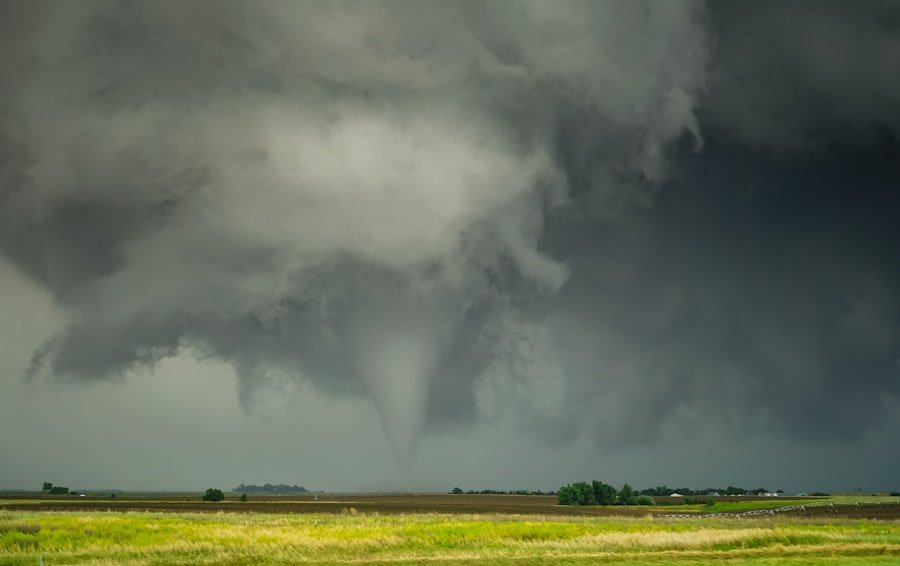
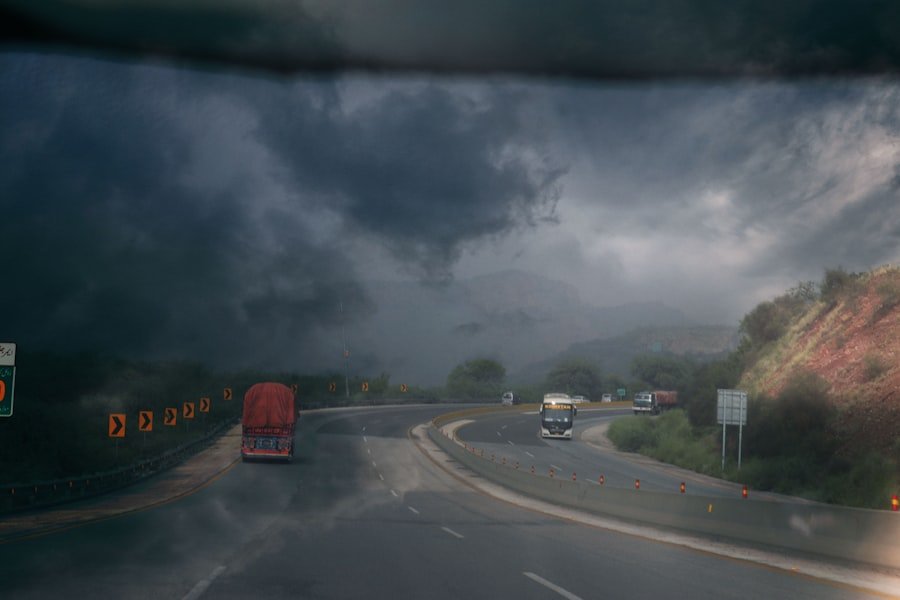
Driving during tornado season presents unique challenges and risks that require heightened awareness and caution. If you find yourself on the road when severe weather strikes, it is crucial to stay informed about current conditions through weather apps or radio broadcasts. If you receive a tornado warning while driving, do not attempt to outrun the storm; instead, seek shelter immediately.
If there are no nearby buildings available for refuge, find a low-lying area away from trees and power lines where you can lie flat until the storm passes. In situations where you cannot escape the path of a tornado while driving, it is advisable to keep your seatbelt fastened and lower your head below the windows while covering yourself with your arms or a blanket if available. This position can help protect you from flying debris that may shatter windows or penetrate the vehicle’s structure.
Additionally, avoid parking under bridges or overpasses; these structures can create dangerous wind tunnels that amplify the storm’s intensity.
Outdoor Safety Precautions During Tornado Season
Outdoor activities during tornado season require careful consideration and planning. If you are engaged in outdoor recreation or work when severe weather threatens, it is vital to remain vigilant about changing weather conditions. Always check forecasts before heading out and be prepared to alter your plans if storms are predicted.
If you notice darkening skies or hear thunder in the distance, it’s best to seek shelter immediately rather than waiting for official warnings. When caught outdoors during a tornado warning, prioritize finding sturdy shelter as quickly as possible. If you are at a park or recreational area, look for nearby buildings or designated storm shelters.
If no shelter is available and you cannot reach safety in time, lie flat in a low-lying area while covering your head with your arms. Avoid seeking shelter under trees or other structures that may collapse under high winds.
Post-Tornado Safety Measures
After a tornado has passed, it is crucial to remain cautious as dangers may still exist even after the storm has subsided. The first step is to assess your surroundings carefully before venturing outside. Look for downed power lines, gas leaks, or unstable structures that could pose risks of injury.
If you suspect any hazards such as gas leaks, evacuate the area immediately and contact emergency services.
Many individuals may experience trauma or anxiety after witnessing destruction firsthand or losing loved ones and property.
It is essential to seek support from friends, family, or mental health professionals if needed. Communities often come together after such disasters to provide assistance and resources for recovery; participating in these efforts can foster resilience and healing among those affected by the storm. By understanding the dynamics of tornado season in Alabama and implementing effective safety measures before, during, and after severe weather events, residents can significantly enhance their preparedness and response capabilities.
When planning a trip to Alabama during tornado season, it’s crucial to prioritize safety and stay informed about weather conditions. Travelers should familiarize themselves with local emergency procedures and have a plan in place in case of severe weather. While you’re preparing for your trip, you might also want to explore some local culinary delights. For instance, you can learn how to make a simple and healthy dish that could be a great addition to your travel meals. Check out this article on delicious homemade cottage cheese for a nutritious and easy-to-make recipe that you can enjoy while on the road.
FAQs
What is tornado season in Alabama?
Tornado season in Alabama typically occurs from March to May, with the peak of tornado activity usually in April. During this time, the state experiences a higher frequency of tornadoes due to the changing weather patterns.
What are the safety precautions for traveling during tornado season in Alabama?
When traveling during tornado season in Alabama, it is important to stay informed about weather forecasts and warnings. Have a plan in place for seeking shelter in the event of a tornado, and be prepared to take immediate action if a tornado warning is issued.
What should travelers do if they encounter a tornado while in Alabama?
If travelers encounter a tornado while in Alabama, they should seek shelter in a sturdy building or underground if possible. If no shelter is available, they should find a low-lying area and lie flat, covering their head and neck with their arms.
Are there any specific areas in Alabama that are more prone to tornadoes during tornado season?
Certain areas in Alabama, such as the northern and central regions of the state, are more prone to tornadoes during tornado season. It is important for travelers to be aware of these areas and take extra precautions when traveling through them.
What resources are available for travelers to stay informed about tornado warnings and weather forecasts in Alabama?
Travelers can stay informed about tornado warnings and weather forecasts in Alabama by using weather alert apps, tuning in to local news stations, and monitoring the National Weather Service for updates. It is important to have multiple sources of information to ensure awareness of any potential tornado threats.