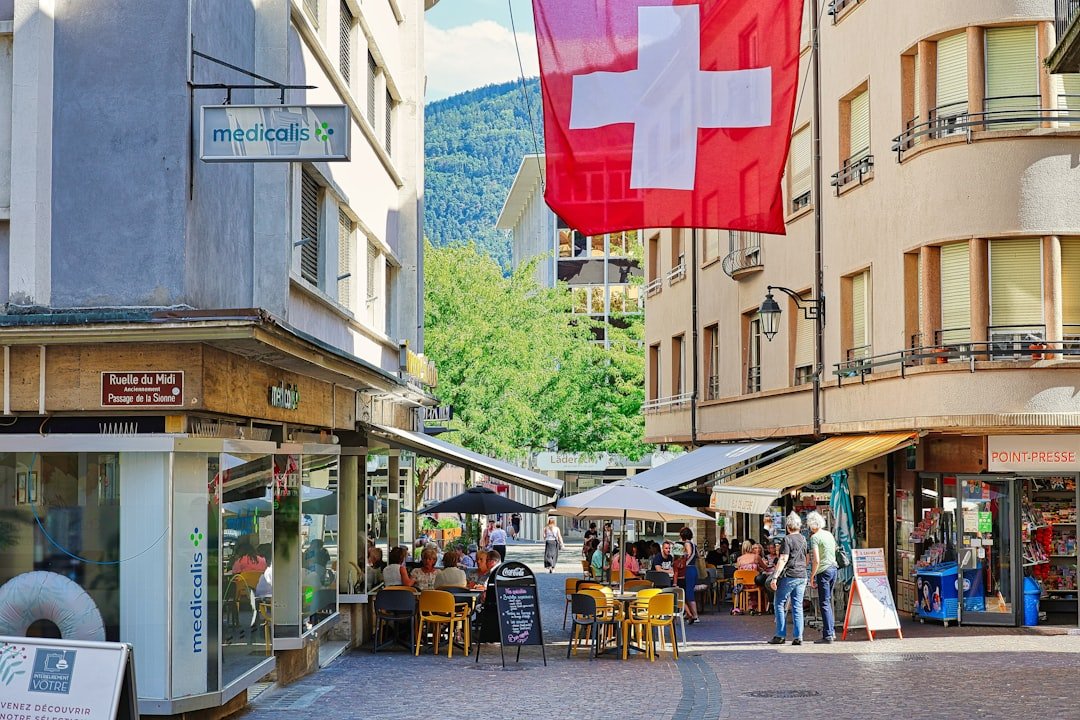
Swiss etiquette is built around respect, punctuality, privacy, and consideration for shared spaces. Visitors do not need to know every local rule before arriving, but a few habits make a big difference: greet people politely, arrive on time, keep noise low in public, and pay attention to regional language and cultural differences.
Quick Answer
Good Swiss etiquette means being punctual, polite, quiet in public, and respectful of personal space. Use formal greetings at first, follow local language cues, wait for the host before eating, round up tips when service is good, and remember that customs vary between German-, French-, Italian-, and Romansh-speaking regions.
Key Takeaways
- A handshake, eye contact, and a polite greeting are safest in formal or first-time meetings.
- Punctuality matters in Switzerland; if you are running late, message or call as soon as possible.
- Swiss dining manners are modest and orderly: wait for the host, keep hands visible, and avoid loud or divisive conversation.
- Language and customs vary by region, so learn the basic local greeting before you visit.
- Public behavior should be quiet, clean, and considerate, especially on trains, in apartment buildings, and on Sundays.
Greetings and Introductions
A polite greeting sets the tone in Switzerland. In formal settings, business meetings, hotels, shops, and first introductions, a handshake with direct but natural eye contact is usually appropriate. Keep the handshake brief and confident, not overly forceful.
Use titles and last names until invited to use first names. In German-speaking areas, “Herr” for Mr. and “Frau” for Ms./Mrs. plus the surname is a safe formal choice. In French-speaking areas, “Monsieur” or “Madame” is appropriate. In Italian-speaking areas, use “Signore” or “Signora.”
Note: Among friends, cheek kisses may be common in some regions, especially in French-speaking Switzerland. They are often three alternating kisses, but customs vary. Do not initiate cheek kisses with strangers or in business settings; follow the other person’s lead.
Useful Swiss Greetings by Region
| German-speaking Switzerland | “Grüezi” or “Guten Tag” |
| French-speaking Switzerland | “Bonjour” |
| Italian-speaking Switzerland | “Buongiorno” |
| Romansh-speaking areas | “Bun di” |
Punctuality in Switzerland
Punctuality is one of the most important Swiss social norms. Being on time shows that you respect the other person’s schedule. This matters for business meetings, restaurant reservations, private dinners, tours, medical appointments, and social gatherings.
For a formal meeting, arriving five minutes early is usually better than arriving late. For a private dinner, arrive on time rather than much earlier, since arriving too early can pressure the host. If you are delayed, send a short message or call before the scheduled time.
Pro Tip: Swiss trains and buses are known for tight schedules, so plan connections carefully. Build in extra time if you are traveling across a city before a meeting or dinner.
Dining Etiquette in Switzerland
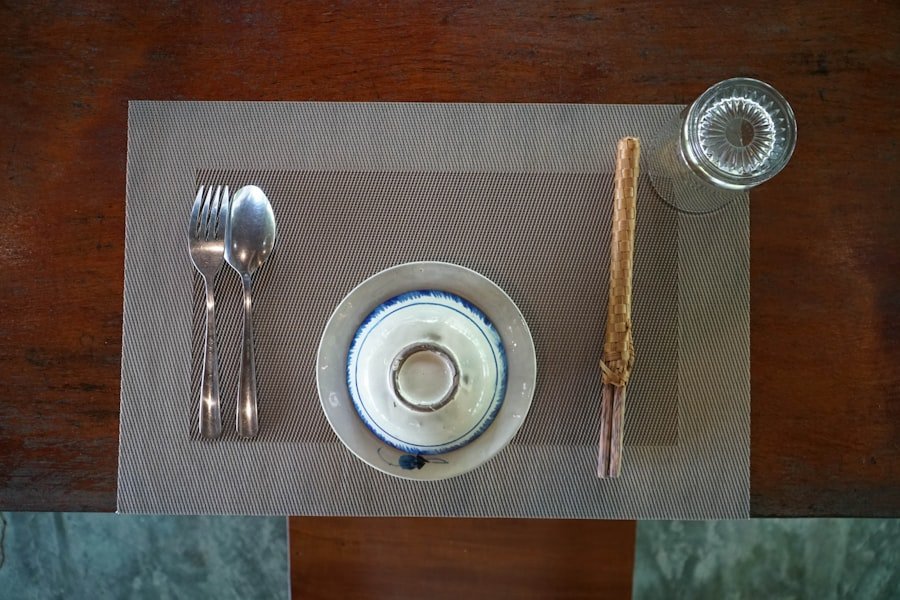
Dining in Switzerland is usually polite, relaxed, and orderly. When invited to someone’s home, bring a small host gift such as flowers, good chocolate, a bottle of wine, or a regional specialty. Keep the gift modest and thoughtful rather than flashy. Remove price tags and present the gift neatly.
At the table, wait for the host to invite everyone to begin. In German-speaking Switzerland, you may hear “En Guete” before a meal. In French-speaking areas, “Bon appétit” is common. Keep both hands visible near the table, but avoid resting your elbows on the table during the meal.
Conversation should be friendly and not too intrusive. Safe topics include travel, food, local culture, nature, sports, and the region you are visiting. Avoid starting with politics, religion, salary, personal finances, or private family matters unless you know the group well.
Products Worth Considering


【Professionaln Cheese Curler】This cheese shaver wheel turns semi-hard cheeses like Tête de Moine into delicate, flower-shaped curls. Those thin little petals let the cheese breathe, so all those nutty, fruity flavors really pop. The texture is creamy and rich, and every bite is packed with complexity. It's a dream for anyone who loves fancy cheese presentations.

Tipping in Restaurants
In Switzerland, tipping is appreciated but usually not treated as a strict obligation. Prices generally include service, so many people simply round up the bill or leave a small extra amount for good service. In a café, rounding up to the next franc may be enough. In a nicer restaurant, leaving a little more for excellent service is a kind gesture.
Toasting and Drinks
When toasting, raise your glass, make eye contact, and say “Prost,” “Santé,” or “Salute,” depending on the region. Take your first sip after the toast rather than before it.
Language and Communication
Switzerland has four national languages: German, French, Italian, and Romansh. German is the most widely spoken, French is common in western Switzerland, Italian is spoken mainly in Ticino and parts of Graubünden, and Romansh is spoken in parts of Graubünden.
Swiss communication is often direct, but that does not mean rude. People tend to value clarity, precision, and honesty. In professional settings, keep your message structured and avoid exaggeration. In social settings, be warm but not overly familiar at first.
Formal language matters. Use formal pronouns and last names until the other person suggests switching to first names or informal speech. This is especially important in business, with older adults, and in official situations.
Note: English is widely understood in many business and tourist settings, but learning a local greeting shows respect and helps create a better first impression.
Dress Code and Personal Presentation
Swiss dress is often neat, practical, and understated. You do not need designer clothing, but you should look clean and put together. In cities such as Zurich, Geneva, Basel, and Lausanne, people often dress more formally than in small mountain villages or outdoor areas.
For business settings, choose conservative, polished clothing unless you know the company culture is casual. A suit, blazer, dress shirt, tailored trousers, blouse, smart dress, or neat shoes can work well depending on the setting. For social events, match the formality of the invitation.
For outdoor activities, practical clothing is not only acceptable but expected. Hiking shoes, layers, rain protection, and weather-appropriate gear are better than trying to look formal in the mountains.
Products Worth Considering

Falechay women's V-neck crochet lace shirts are crafted from a soft, lightweight, and comfortable high-quality fabric for all-day wear — made of 100% Polyester.

FASHIONABLE COMMUTE DRESSING - You can directly pair the women's short sleeve work blouses with jeans, straight pants, trousers, or leather skirts, or tuck it into bottoms for a taller and slimmer look, accessorizing with high heels, stylish handbags, necklaces, bracelets, etc., ideal for office work. You can also layer it with a blazer or cardigan and wear it with boots. Recommended occasions: office, work, business, school teaching, interviews, etc
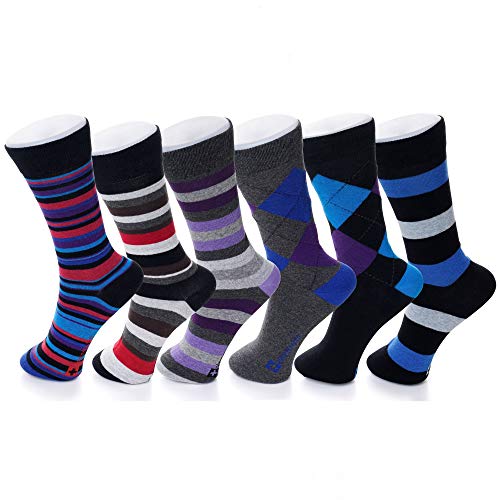
SOFT 73% COTTON BLEND FOR ALL-DAY COMFORT: Fine-gauge 73% cotton, 26% polyester, 1% elastane knit is lightweight and breathable without excess bulk. Keeps feet cool, dry, and comfortable in dress shoes from morning meetings to evening events.
Gift Giving in Swiss Culture
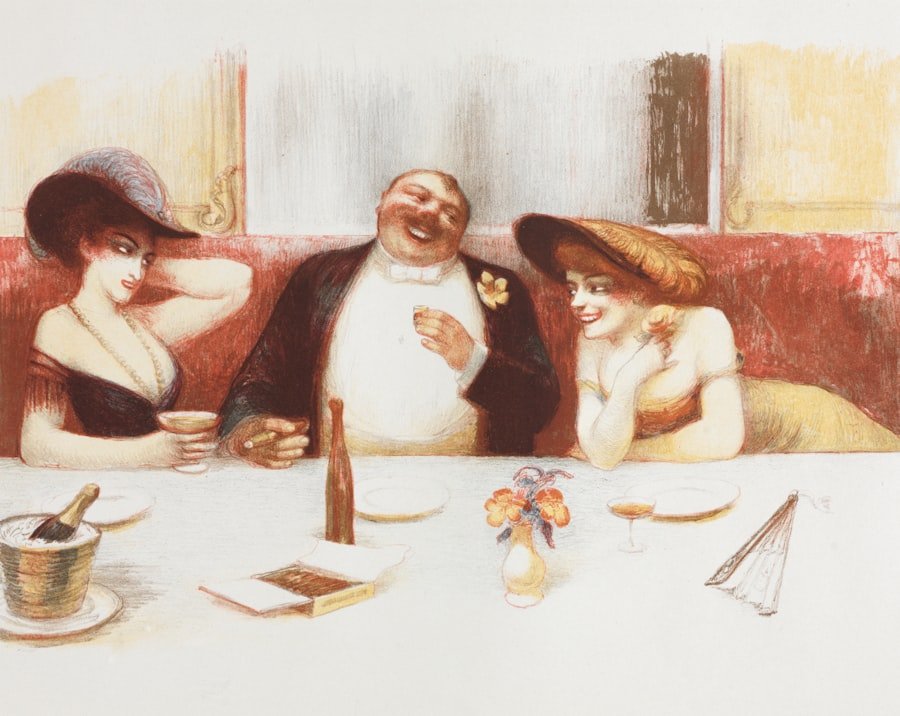
Gift giving in Switzerland is usually modest and thoughtful. If you are invited to someone’s home, bring a small gift for the host. Flowers, chocolates, wine, or a specialty from your home country are good options. Avoid gifts that feel too expensive, because they may make the host uncomfortable.
If you bring flowers, avoid overly romantic choices unless the relationship fits. A mixed bouquet is usually safer than red roses. In professional settings, gifts should be modest and should never look like an attempt to influence a decision.
For birthdays, weddings, or holidays, follow the invitation or family custom. When in doubt, choose quality over size. A simple, well-chosen gift is usually better than something extravagant.
Products Worth Considering

Red Roses with Chocolates: Includes one dozen fresh red roses, a box of chocolates and a glass vase.

Beautifully Stacked Gift Tower Boxes – Impress friends, family, clients, and coworkers with elegant gift tower boxes filled with gourmet chocolate treats. Each tier reveals another delicious surprise, creating a memorable unboxing experience from top to bottom.

Roses, Chocolate & Bear Gift Set: Includes 12 fresh rainbow roses, gourmet chocolates, a plush teddy bear and a glass vase.
Socializing and Conversation
Swiss people are often polite but reserved with new acquaintances. This does not mean they are unfriendly. It often means trust and closeness develop gradually. Be patient, listen well, and avoid pushing for personal details too soon.
Good conversation topics include travel, food, outdoor activities, Swiss regions, languages, culture, sports, and everyday life. Avoid loud bragging, aggressive debate, or asking personal questions about income, politics, religion, or family status early in a relationship.
Personal space also matters. Stand at a comfortable distance, avoid unnecessary touching, and keep your voice moderate. In small towns, elevators, shops, and waiting rooms, a simple greeting is often appreciated.
Business Etiquette in Switzerland
Swiss business culture values preparation, punctuality, direct communication, and reliability. Meetings are usually structured, and people expect participants to be ready with facts, figures, and clear points.
Start with a formal greeting. Shake hands with each person, use titles and last names, and exchange business cards if appropriate. Keep small talk brief before moving into the purpose of the meeting.
During negotiations, avoid pressure tactics. Decisions may take time because many Swiss organizations value accuracy, risk control, and consensus. A calm, well-supported proposal will usually work better than a dramatic pitch.
Business Communication Tips
- Send agendas or key points before important meetings.
- Be specific about deadlines, costs, responsibilities, and next steps.
- Do not overpromise. Reliability matters more than bold claims.
- Follow up in writing after meetings.
- Respect working hours unless the matter is urgent.
Public Behavior and Shared Spaces
Public behavior in Switzerland is shaped by respect for shared space. Keep your voice low on trains, trams, buses, and in apartment buildings. Avoid playing music or videos aloud. Use headphones when listening to audio in public.
On public transport, let people exit before boarding, move your bag from a seat when the vehicle gets busy, and offer priority seats to people who need them. In quiet zones, phone calls and loud conversations should be avoided.
Cleanliness is taken seriously. Put rubbish in bins, follow recycling rules, and avoid leaving waste in parks, picnic areas, trains, or hiking trails. In nature, stay on marked paths, close gates when needed, and do not disturb livestock.
Warning: Rules about noise, recycling, laundry rooms, and Sunday quiet time can vary by building, commune, or canton. If you are staying in an apartment or rental, read the house rules carefully.
Holidays and Celebrations
Switzerland’s holidays reflect its federal system and regional cultures. Swiss National Day on August 1 is the only national public holiday, while cantons can set additional public holidays. This means holiday schedules can vary depending on where you are.
Swiss National Day commemorates the Federal Charter of 1291 and is celebrated with flags, speeches, bonfires, fireworks, lanterns, and local gatherings. The Federal Charter of 1291 is an important national symbol, though official sources note that its role as the founding document became especially prominent from the late 19th century onward.
Winter traditions are also important. On December 6, St. Nicholas traditions appear in different forms across the country. In German-speaking Switzerland, “Samichlaus” may bring children treats such as nuts, chocolate, pastries, and clementines. During Advent and Christmas, many families use Advent calendars, Advent wreaths, Christmas trees, markets, concerts, and church services.
Local festivals can be highly regional. Carnival, harvest festivals, yodelling, alphorn events, and traditional parades may look very different from one canton to another. Treat local customs with curiosity and respect, even when they are unfamiliar.
Common Mistakes to Avoid
- Arriving late without warning: Send a message before the meeting time if you are delayed.
- Being too loud in public: Keep calls, music, and group conversations quiet on trains and in residential areas.
- Using first names too quickly: Wait until the other person invites a less formal tone.
- Assuming all Swiss regions are the same: Language, greetings, holidays, and customs vary by canton and region.
- Overtipping as if it were mandatory: Rounding up is often enough unless service was exceptional.
- Ignoring house rules: Apartment buildings may have rules for laundry, recycling, quiet hours, and shared spaces.
- Leaving litter outdoors: Carry waste out with you when hiking, picnicking, or using public spaces.
Cultural Sensitivity in Switzerland
The best way to show cultural sensitivity in Switzerland is to be observant. Notice how locals greet each other, how loudly they speak, where they queue, and how they use public space. When unsure, choose the quieter, more formal, and more punctual option.
Respect regional identity. A person from Geneva, Zurich, Lugano, or Graubünden may have different language habits, traditions, and expectations. Avoid treating Switzerland as one uniform culture.
Most mistakes are forgiven when you are polite and willing to learn. A simple greeting, a sincere apology, and a respectful attitude go a long way.
Frequently Asked Questions
What are the most important Swiss etiquette rules?
Be punctual, greet people politely, keep your voice low in public, respect personal space, and follow local language cues. In formal settings, use titles and last names until invited to be more casual.
How do people greet each other in Switzerland?
A handshake is safest for first meetings and formal situations. Friends may use cheek kisses in some regions, often three alternating kisses, but this depends on the relationship and region. Follow the other person’s lead.
Is punctuality really that important in Switzerland?
Yes. Being on time is a strong sign of respect in Switzerland. If you are running late, contact the person before the scheduled time and give a clear update.
What should I bring when invited to a Swiss home?
Bring a modest host gift such as flowers, chocolates, wine, or a specialty from your home country. Choose something thoughtful and good quality, but avoid gifts that feel too expensive.
Do I need to tip in Switzerland?
Tipping is appreciated but usually not mandatory. Many people round up the bill or leave a small extra amount for good service. You do not normally need to calculate a large percentage tip.
What should I avoid discussing with Swiss people I just met?
Avoid starting with personal finances, salary, politics, religion, or private family matters. Travel, food, local culture, nature, and regional traditions are safer topics.
How should I dress in Switzerland?
Dress neatly and practically. Business settings often call for polished, conservative clothing, while outdoor activities require proper weather-appropriate gear. In general, understated and tidy clothing works well.
Are Swiss customs the same everywhere?
No. Switzerland has several language regions and strong cantonal identities. Greetings, holidays, food customs, and daily habits can vary between German-, French-, Italian-, and Romansh-speaking areas.
Sources
- About Switzerland — Language — official national languages and regional language context.
- ch.ch — Vacation, public holidays and absences from work — Swiss National Day as the only national public holiday and cantonal holiday variation.
- About Switzerland — National holiday and national anthem — Swiss National Day customs and historical context.
- The Federal Council — The Federal Charter of 1291 — official background on the Federal Charter and its role in Swiss national history.
- About Switzerland — Winter festivals and customs — St. Nicholas, Advent, Christmas, and regional winter traditions.