Swiss Language Guide: Useful Phrases for Travelers
By Editorial Team | Last updated May 22, 2026
Switzerland has four national languages: German, French, Italian, and Romansh. If you plan to travel through the country, you do not need to master all four, but you should know which language fits each region and which simple phrases can help you in daily situations.
This guide explains the main languages of Switzerland and gives you practical phrases for greetings, directions, food, shopping, emergencies, numbers, transport, and etiquette. It focuses on phrases you can use as a visitor, not grammar rules or advanced language study.
German is common in the central, northern, and eastern parts of Switzerland. French is common in the west. Italian is common in the south, especially Ticino. Romansh is mainly spoken in parts of Graubünden. Romansh is an official language at the federal level when authorities communicate with Romansh speakers. Fedlex
Quick Answer
Switzerland uses German, French, Italian, and Romansh. For most travelers, the most useful phrases are local greetings, polite words, direction questions, restaurant phrases, emergency phrases, and transport questions. Use German phrases around Zurich, Lucerne, and Bern, French around Geneva and Lausanne, Italian in Ticino, and Romansh mainly in parts of Graubünden.
Key Takeaways
- Swiss languages include German, French, Italian, and Romansh, with German being the most widely used main language. FSO
- Use “Grüezi” in many German-speaking areas, “Bonjour” in French-speaking areas, “Buongiorno” in Italian-speaking areas, and “Allegra” or “Bun di” in some Romansh-speaking areas.
- Helpful direction phrases include “Entschuldigung, wo ist…?” in German, “Excusez-moi, où est…?” in French, and “Scusi, dov’è…?” in Italian.
- For restaurants, learn simple phrases like “Ich hätte gerne…”, “Je voudrais…”, and “Vorrei…” before you order.
- Prices are usually fixed in regular Swiss shops. Polite bargaining is uncommon, except sometimes at markets or small independent shops. moneyland.ch, 2019
Where Each Swiss Language Is Commonly Spoken
Switzerland is officially multilingual, but the languages are not spread evenly across the country. The local language often changes by region, canton, and even city.
| Language | Common Region | Traveler Note |
|---|---|---|
| German and Swiss German | Central, northern, and eastern Switzerland | You may hear Swiss German dialects, but signs and formal text often use Standard German. |
| French | Western Switzerland | Useful around Geneva, Lausanne, Neuchâtel, and many parts of Valais and Fribourg. |
| Italian | Southern Switzerland | Most useful in Ticino and some Italian-speaking areas of Graubünden. |
| Romansh | Parts of Graubünden | You may see or hear Romansh locally, but it is not widely used across the whole country. |
For official background on Swiss multilingualism, see the Federal Department of Foreign Affairs overview.
Greetings and Polite Expressions
Greetings vary by region, so choose the expression that matches where you are. In German-speaking areas, “Grüezi” is a common polite hello. In French-speaking regions, use “Bonjour.” In Italian-speaking areas, one would say “Buongiorno”.
Politeness matters in Swiss daily life. Use “Bitte” for please and “Danke” for thank you in German-speaking areas. In French, use “s’il vous plaît” and “merci.” In Italian, use “per favore” and “grazie.”
In formal German, use “Sie” instead of “du” when speaking to adults you do not know. This small choice helps you sound respectful in shops, hotels, offices, and restaurants.
| Meaning | German | French | Italian | Romansh |
|---|---|---|---|---|
| Hello | Grüezi | Bonjour | Buongiorno | Allegra / Bun di |
| Thank you | Danke | Merci | Grazie | Grazia |
| Please | Bitte | S’il vous plaît | Per favore | Per plaschair |
Asking for Directions
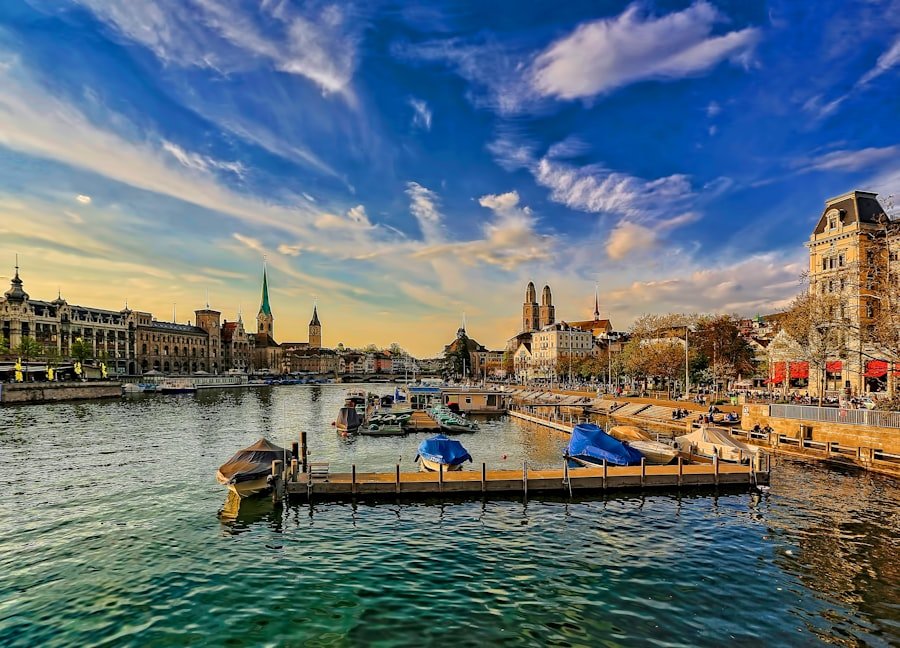
When you ask for directions, start politely and keep the sentence simple. In German-speaking areas, you can say, “Entschuldigung, wo ist…?” (Excuse me, where is…?). In French, you would ask, “Excusez-moi, où est…?” In Italian, say “Scusi, dov’è…?”
Learn a few direction words before you travel. “Links” means left, “rechts” means right, and “geradeaus” means straight ahead in German. In French, left is “à gauche,” right is “à droite,” and straight ahead is “tout droit.” In Italian, use “a sinistra,” “a destra,” and “sempre dritto.”
Many Swiss residents in cities and tourist areas can speak English. Still, using the local greeting first often makes the exchange friendlier. For example, if you are in Bern and need the Zytglogge clock tower, start with “Grüezi” before asking your question.
| Need | German | French | Italian |
|---|---|---|---|
| Where is the train station? | Wo ist der Bahnhof? | Où est la gare? | Dov’è la stazione? |
| Can you help me? | Können Sie mir helfen? | Pouvez-vous m’aider? | Può aiutarmi? |
Ordering Food and Drinks
| Situation | German | French | Italian |
|---|---|---|---|
| I would like… | Ich hätte gerne… | Je voudrais… | Vorrei… |
| The bill, please | Die Rechnung, bitte | L’addition, s’il vous plaît | Il conto, per favore |
| Is this vegetarian? | Ist das vegetarisch? | Est-ce végétarien? | È vegetariano? |
Switzerland is known for foods such as fondue, raclette, rösti, and chocolate. When you order in a café or restaurant, a simple local phrase can make the exchange smoother.
If you have allergies or dietary needs, ask clearly before ordering. For nuts, you can say “Enthält das Nüsse?” in German, “Est-ce que cela contient des noix?” in French, or “Contiene frutta a guscio?” in Italian.
For drinks, use simple phrases like “Ein Kaffee, bitte” in German, “Un café, s’il vous plaît” in French, or “Un caffè, per favore” in Italian.
Products Worth Considering


Every trip you take is a chance to see more, to notice more, to make discoveries, and to come home with more than you imagined. Capture the moments of each excursion in this one-of-a-kind travel journal. Its reflective spaces and creative prompts will help you fully immerse yourself in the experience. Bring it along as your travel companion on one trip, or many!
Shopping and Negotiating Prices
Shopping in Switzerland is usually straightforward because prices are often displayed clearly. In German-speaking areas, ask “Wie viel kostet das?” In French, ask “Combien ça coûte?” In Italian, ask “Quanto costa?”
Note: Prices are typically fixed in Switzerland. Haggling is uncommon in regular shops and chain stores. Polite negotiation, if any, is more suitable at markets or small independent shops and is not guaranteed. moneyland.ch survey, 2019
If you do try to ask for a lower price, stay respectful. You can say “Könnte ich einen Rabatt bekommen?” in German or “Pourriez-vous me faire un prix?” in French. Use these phrases only when the setting feels appropriate.
Emergency Phrases
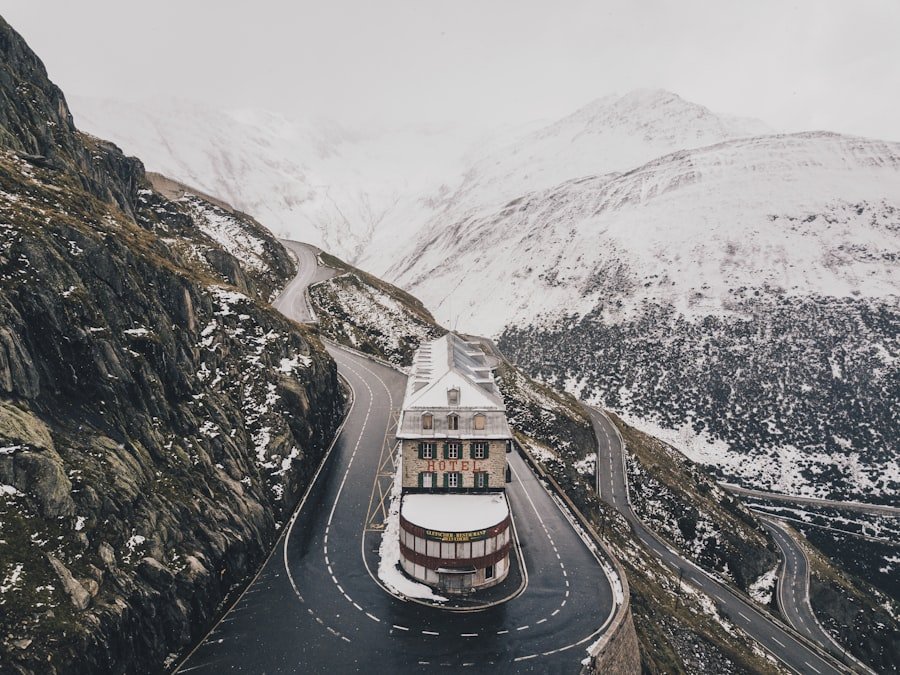
Emergency phrases are more important than perfect pronunciation. If you need help, speak clearly and repeat the key word. In German, say “Hilfe!” In French, say “Au secours!” In Italian, say “Aiuto!”
If you need a doctor, say “Ich brauche einen Arzt” in German, “J’ai besoin d’un médecin” in French, or “Ho bisogno di un medico” in Italian.
In Switzerland, the emergency number for police is 117, fire service is 118, and ambulance is 144. You can also dial 112, the European emergency number. Switzerland Tourism also lists 145 for poison emergencies. Switzerland Tourism
| Emergency Need | German | French | Italian |
|---|---|---|---|
| Help! | Hilfe! | Au secours! | Aiuto! |
| I need a doctor | Ich brauche einen Arzt | J’ai besoin d’un médecin | Ho bisogno di un medico |
Numbers and Counting
Numbers help with prices, platforms, hotel rooms, tickets, and reservations. Start with one to ten before learning larger numbers.
| Number | German | French | Italian |
|---|---|---|---|
| 1 | eins | un | uno |
| 2 | zwei | deux | due |
| 3 | drei | trois | tre |
| 10 | zehn | dix | dieci |
For prices, listen for “Franken” in German, “francs” in French, and “franchi” in Italian. A useful sentence is “Das kostet zwanzig Franken” in German, “C’est vingt francs” in French, or “Costa venti franchi” in Italian.
Time and Dates
Time and date phrases help with train schedules, museum opening hours, restaurant bookings, and hotel check-in times. In German-speaking areas, ask “Wie spät ist es?” In French, ask “Quelle heure est-il?” In Italian, ask “Che ore sono?”
For days of the week, learn the words you are most likely to need for bookings. Monday is “Montag” in German, “lundi” in French, and “lunedì” in Italian. Tuesday is “Dienstag,” “mardi,” and “martedì.”
When you make a reservation, keep the sentence simple. Say the date, time, and number of people. For example: “Für zwei Personen um sieben Uhr” in German, “Pour deux personnes à dix-neuf heures” in French, or “Per due persone alle sette” in Italian.
Transportation Phrases
Switzerland has an extensive public transport network that includes trains, trams, buses, boats, and ski lifts. ch.ch Learning a few transport phrases helps you buy tickets, ask about platforms, and confirm departure times.
When buying a ticket, say “Ein Ticket nach Zürich, bitte” in German, “Un billet pour Zurich, s’il vous plaît” in French, or “Un biglietto per Zurigo, per favore” in Italian.
Useful station words include “Bahnhof” in German, “gare” in French, and “stazione” in Italian. To ask when the train to Bern leaves, say “Wann fährt der Zug nach Bern?” in German, “Quand part le train pour Berne?” in French, or “Quando parte il treno per Berna?” in Italian.
| Traveler Need | German | French | Italian |
|---|---|---|---|
| A ticket to Zurich, please | Ein Ticket nach Zürich, bitte | Un billet pour Zurich, s’il vous plaît | Un biglietto per Zurigo, per favore |
| Which platform? | Welches Gleis? | Quelle voie? | Quale binario? |
Cultural Etiquette and Customs
Swiss etiquette varies by region, but some habits are useful across the country. Be on time for appointments, tours, reservations, and business meetings. Punctuality is often read as respect.
In formal settings, address people by their title or surname until they invite you to use their first name. In German-speaking areas, using “Sie” instead of “du” also shows respect.
When invited to someone’s home, a small gift such as flowers or chocolates is a thoughtful gesture. During meals, wait until everyone has been served before you start eating unless your host says otherwise.
Useful Swiss Slang and Colloquial Expressions
Swiss slang can help you understand local culture, but use it carefully. Some expressions are regional, and pronunciation can be difficult for visitors.
In Swiss German, “Chuchichäschtli” means kitchen cupboard. People often use it as a playful pronunciation test for non-native speakers. In French-speaking Switzerland, “C’est pas possible!” can express surprise or disbelief. In Italian-speaking areas, “Che figata!” can mean something is cool or exciting in casual speech.
For most travelers, polite standard phrases are safer than slang. Use slang only when a local person teaches it to you or when you are sure the setting is informal.
Final Tips for Using Swiss Languages While Traveling
You do not need to learn four languages before visiting Switzerland. Focus on the region you will visit first, then learn a few backup phrases for transport, food, and emergencies.
Start conversations with the local greeting. Then ask whether the person speaks English if you need more help. A simple “Do you speak English?” can be paired with a local greeting to keep the exchange polite.
If your trip includes several regions, save a small phrase list on your phone. Include greetings, directions, food phrases, emergency numbers, and transport questions. This gives you confidence without forcing you to memorize everything.
For more official background on Switzerland, visit the Swiss authorities portal.
FAQs
What are the official languages of Switzerland?
Switzerland has four national languages: German, French, Italian, and Romansh. German, French, and Italian are official languages of the Confederation. Romansh is official when federal authorities communicate with people who speak Romansh. Fedlex
Which language is most commonly spoken in Switzerland?
German is the most widely used main language in Switzerland. Many people in German-speaking regions use Swiss German dialects in everyday speech, while Standard German appears more often in writing, schools, signs, and official communication. FSO
Do people in Switzerland speak English?
Yes, many people speak English in tourist areas, hotels, airports, train stations, universities, and larger cities. English is helpful, but it should not replace basic courtesy. A local greeting before switching to English often makes the conversation feel more respectful.
Is it necessary to speak the local language when visiting Switzerland?
No, it is not necessary for most short trips. You can manage many travel situations with English. Still, learning a few local phrases helps with greetings, restaurants, directions, and emergencies. It also shows respect for the region you are visiting.
Are there language differences between Swiss regions?
Yes. German is common in central, northern, and eastern Switzerland. French is common in the west. Italian is common in the south. Romansh is mainly spoken in parts of Graubünden. Some cantons and cities are multilingual, so signs may appear in more than one language.
Can I get by with just English in Switzerland?
You can usually get by with English in major cities and tourist areas. In smaller towns, rural areas, local shops, or older communities, English may be less reliable. Keep a few local phrases ready for polite greetings, food orders, and transport questions.
What greeting should I use in Switzerland?
Use the greeting that matches the region. Say “Grüezi” in many German-speaking areas, “Bonjour” in French-speaking areas, and “Buongiorno” in Italian-speaking areas. In some Romansh-speaking areas, you may hear “Allegra” or “Bun di.”
Is Swiss German the same as Standard German?
No. Swiss German refers to dialects used in everyday speech in German-speaking Switzerland. Standard German is used more often in writing, schools, news, and official communication. If you learned Standard German, people will usually understand you, but local speech may sound different.
What emergency numbers should I know in Switzerland?
Know 117 for police, 118 for fire service, 144 for ambulance, 145 for poison emergencies, and 112 for the European emergency number. Save these numbers before your trip so you can act quickly if something goes wrong. Switzerland Tourism
Should I bargain when shopping in Switzerland?
In most regular shops and chain stores, no. Prices are usually fixed. Bargaining may be possible in some markets or small independent shops, but it is not a standard habit. If you ask for a discount, keep the tone polite and accept the answer.
Last updated May 22, 2026
Sources: Federal Statistical Office (FSO) · Federal Department of Foreign Affairs · Fedlex Language Act · Switzerland Tourism Emergency Numbers · ch.ch Public Transport · moneyland.ch Bargaining Survey