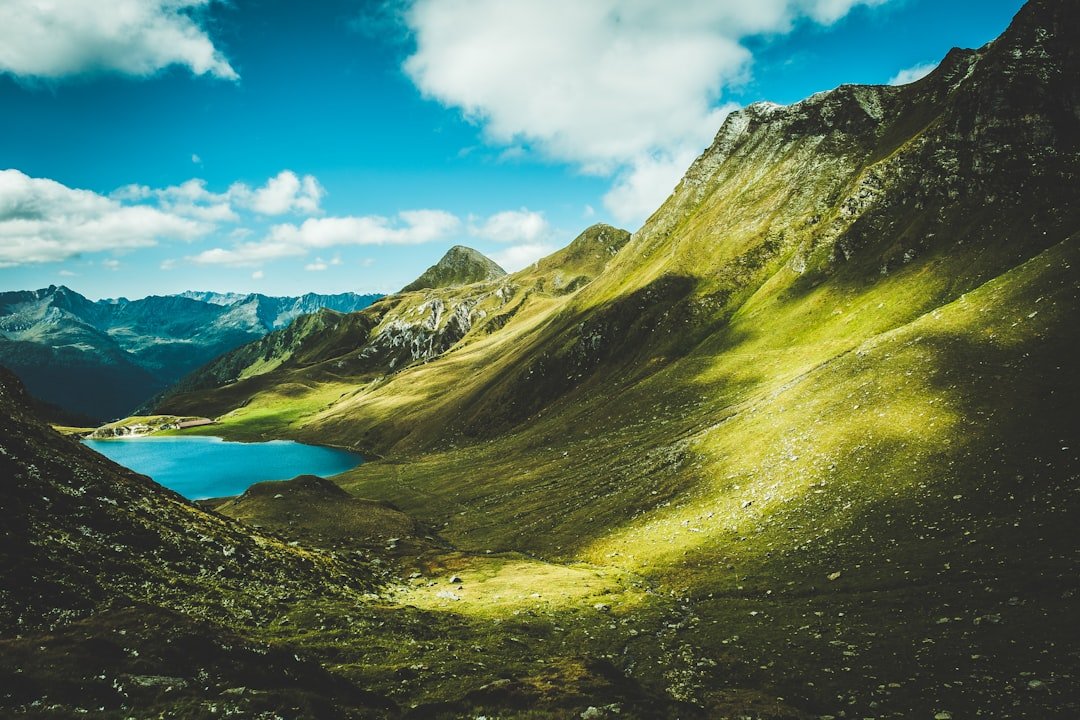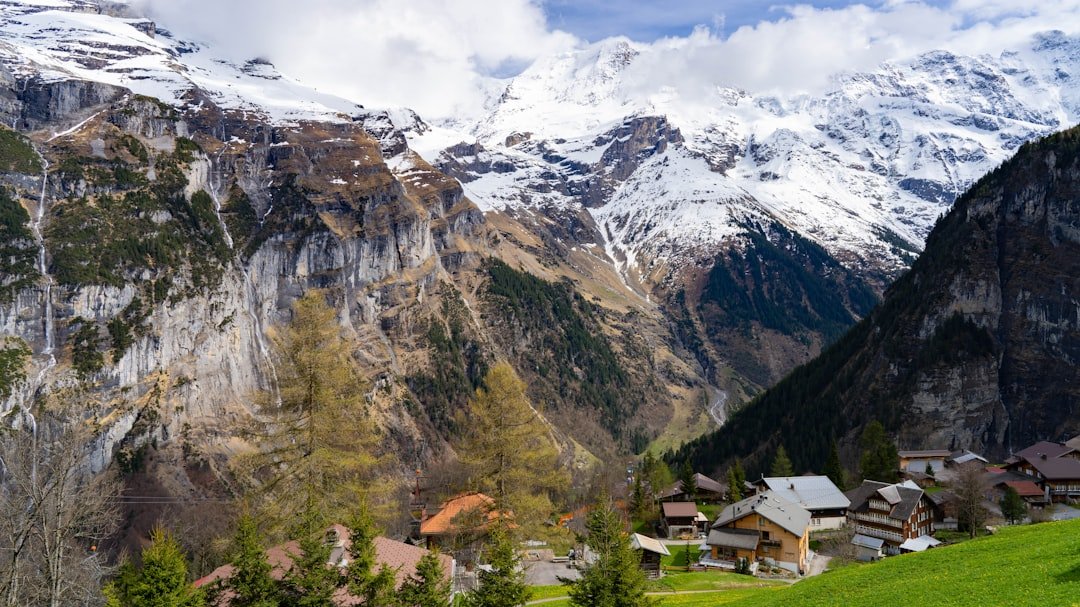
Switzerland in April sits between two seasons, and that contrast is exactly what makes the month interesting. In the cities and lower valleys, spring flowers and fresh greenery begin to appear, while many Alpine areas can still look and feel like winter. I find April especially appealing when I want fewer peak-season crowds, city sightseeing, scenic train journeys, and flexible outdoor plans rather than a trip built around guaranteed summer hiking conditions.
Quick Answer
April is a shoulder-season month in Switzerland: cities and low valleys begin to turn green, while the Alps can still feel like winter. Expect fast-changing weather, choose lower-elevation hikes carefully, keep high-altitude skiing as an option, and check trail, lift, train, and road conditions shortly before each outing.
Key Takeaways
- April weather changes quickly, and conditions vary sharply between lowland cities and high Alpine destinations.
- Spring flowers and milder conditions are common at lower elevations, while snow and winter conditions can persist in the mountains.
- Sechseläuten in Zurich and the Tulip Festival in Morges are two genuine spring events worth checking for your travel year.
- Lower-elevation hiking and cycling can work well, but snow, mud, ice, closures, and seasonal lift schedules must be checked first.
- High-altitude skiing may still be available, while famous Alpine road passes can remain winter-closed.
- Scenic trains, museums, historic cities, lakefront walks, and Swiss food make April enjoyable even when mountain weather changes your plans.
Weather in Switzerland in April
April is one of Switzerland’s most changeable months. The Federal Office of Meteorology and Climatology, MeteoSwiss, describes the classic April pattern as rapid changes between sunshine, showers, and sometimes short thunderstorms. Cold air can also return suddenly after several mild days.
I would not plan a Switzerland trip around one national temperature range. Elevation matters too much. Zurich, Geneva, Basel, Bern, Lausanne, and other lower areas can feel pleasantly springlike on a mild afternoon, while mountain villages and viewpoints may be much colder. At higher elevations, snow cover and freezing conditions can continue well into spring.
Early April usually has a stronger winter-to-spring contrast than late April. By later in the month, gardens, parks, lake promenades, vineyards, and lower valleys generally show more spring growth, but a late cold spell is still possible.
Note: Spring snowfall is not unusual in Switzerland. MeteoSwiss notes that measurable spring snow can sometimes reach relatively low-lying areas, so do not assume that April automatically means snow-free conditions.
Layers are therefore much more useful than one heavy outfit. I normally plan around a base layer, sweater or fleece, lightweight waterproof outer layer, and shoes that can handle wet pavement or muddy paths. A compact umbrella can help in cities, while mountain excursions call for warmer clothing than the weather at my hotel may suggest.
Spring Festivals and Events
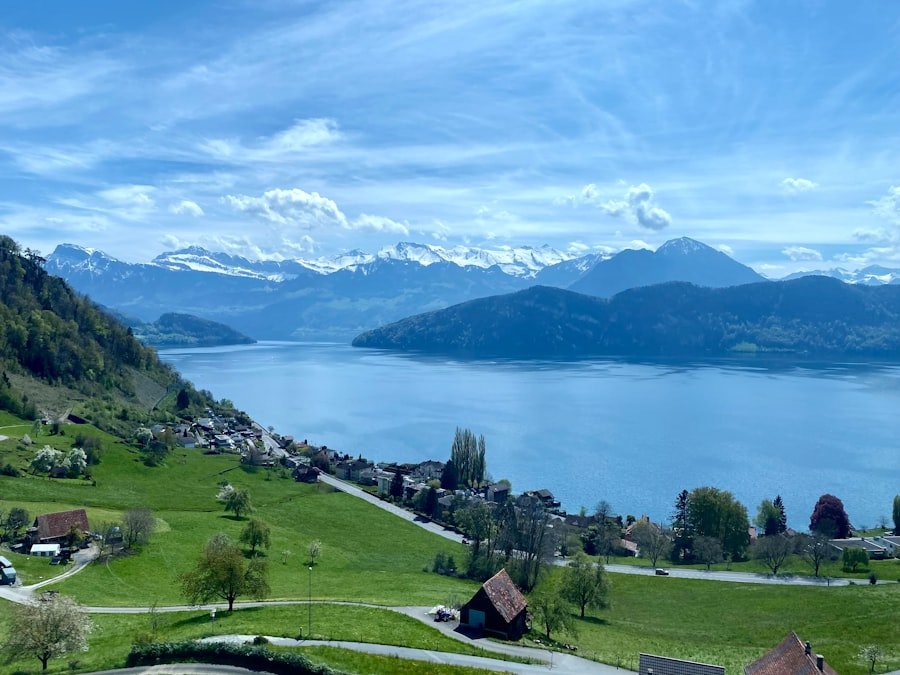
April brings several genuine spring traditions, but event dates should always be checked for the specific year of travel.
Sechseläuten in Zurich
One of the best-known April traditions is Sechseläuten, Zurich’s spring festival. Its best-known moment is the burning of the Böögg, a snowman figure, at Sechseläutenplatz. As of August 2026, the main 2027 procession and Böögg event is scheduled for April 19, 2027.
If my dates overlap with the festival, I would expect central Zurich to be busier than on an ordinary April day and would check the official program before planning sightseeing or transport around the event area.
Tulip Festival in Morges
The Tulip Festival in Morges, beside Lake Geneva, is another strong spring choice. The official tourism page currently lists the 2027 festival from March 23 to May 9. That makes April the heart of the flowering period, although the appearance of individual beds naturally depends on weather and bloom timing.
I like this event as part of a Lake Geneva itinerary because it combines an easy outdoor visit with Morges’ waterfront, nearby Lausanne, and the wider Vaud region.
What About Fête de l’Escalade and the Geneva Motor Show?
Fête de l’Escalade should not be treated as an April festival. Geneva Tourism describes it as an early-December tradition commemorating Geneva’s defense against the 1602 attack.
Older Switzerland guides may also mention the Geneva International Motor Show as a major spring event. That information is now obsolete for Geneva: the organizers ended future Geneva editions after the 2024 show. I would therefore build an April itinerary around current local events rather than either of these outdated April recommendations.
Outdoor Activities in April
April can be excellent for outdoor time when I match the activity to the elevation and current conditions. The key is flexibility. A green lakeside trail and a snow-covered Alpine trail can exist in Switzerland on the same day.
| Activity | April Reality | Planning Tip |
| Hiking | Best prospects are generally on lower-elevation and designated spring routes. | Check snow, mud, ice, closures, weather, and transport before leaving. |
| Cycling | Lakefronts, valleys, and lower countryside can be attractive in mild weather. | Avoid assuming mountain cycling routes are snow-free. |
| Skiing | Some high-altitude ski areas may continue operating into April. | Check resort snow reports, open lifts, and exact closing dates. |
| Camping | Conditions can be cold and wet, and some campgrounds operate seasonally. | Confirm opening dates and overnight temperatures first. |
| Fishing | Availability depends on the water, canton, season, and local rules. | Check local seasons, permits, and regulations before fishing. |
Hiking
Lower-elevation hiking is one of my preferred April options. Switzerland Tourism publishes dedicated spring hiking suggestions, but a route labeled for spring still needs a conditions check before departure.
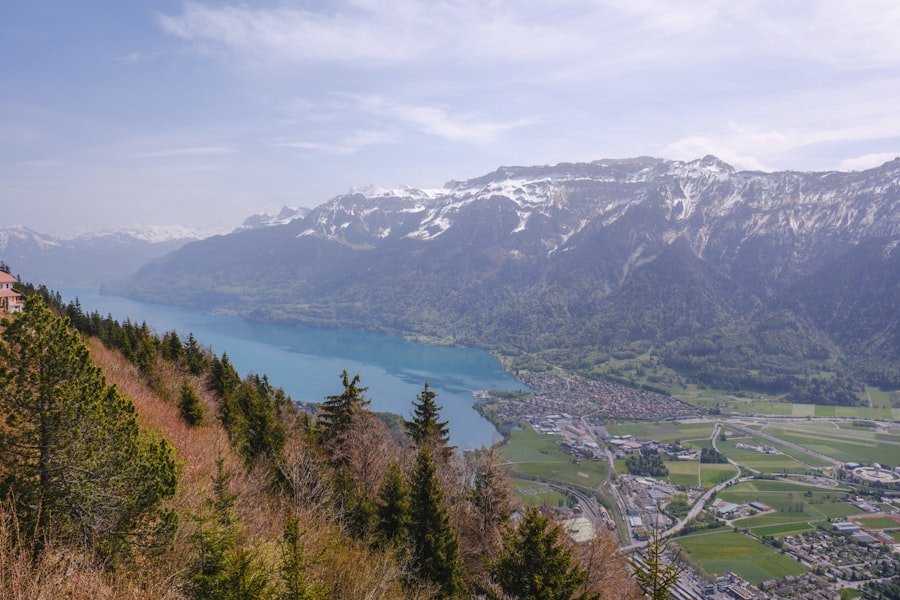
Around Interlaken and Lauterbrunnen, valley walks can provide views of waterfalls and snow-covered peaks without requiring me to commit to a high mountain trail. Around Zurich, Lake Geneva, Ticino, and other lower regions, I can also find gentler walks while keeping my itinerary flexible.
Warning: Do not choose an Alpine trail in April only because it appears on a summer hiking map. Snow, ice, avalanche exposure, seasonal closures, and closed mountain transport can completely change the route. Use current official mapping, weather information, local signage, and transport status before setting out.
Cycling
Cycling can be more comfortable at lower elevations. Lakeside routes and vineyard areas give me a way to enjoy spring without depending on snow-free Alpine passes. The Lavaux region above Lake Geneva is especially scenic, although route and weather conditions still deserve a check before departure.
Spring Skiing
April does not automatically mean the end of skiing. Higher Swiss resorts can retain snow and continue operating after many lowland areas have entered full spring. However, closing dates differ by resort and even by individual lift, so I would choose the ski destination only after reviewing its current snow and lift report.
Pro Tip: Keep one mountain day flexible instead of locking every outdoor activity to a specific date. I can then use the clearest day for a summit, ski area, or panoramic excursion and move museums or city sightseeing to the wetter day.
Best Places to Visit in Switzerland in April
Zurich
Zurich works well when I want a balance of city attractions, lakefront walks, restaurants, museums, and easy public transport. Sechseläuten adds an especially seasonal reason to visit when my dates match the festival.
Lucerne
Lucerne gives me historic streets, Lake Lucerne, easy sightseeing, and mountain views without requiring a long hike. It is also easy to switch to indoor attractions when the weather turns wet.
Bern
Bern is a strong choice for architecture, history, arcaded streets, and a slower city experience. Its compact historic core works especially well when April weather is unsettled.
Lake Geneva, Lausanne, and Morges
This region appeals to me in spring because lake promenades, vineyards, towns, and the Morges Tulip Festival can be combined without depending on high mountain trails.
Interlaken and Lauterbrunnen
The Bernese Oberland still provides dramatic mountain scenery in April, but I treat it as a mixed-season destination. Valley sightseeing can be beautiful while higher hiking routes remain snowy or inaccessible.
Zermatt and St. Moritz
These high-altitude destinations make more sense when I specifically want snow scenery, mountain railways, or possible spring skiing. I would not travel there expecting summer hiking conditions.
Ticino
For a stronger spring atmosphere, southern Switzerland can be attractive. Towns around Lugano and Locarno provide lakeside scenery, walking, food, and a climate that can feel very different from higher Alpine regions.
Scenic Drives and Train Rides
Switzerland’s rail network is one of the easiest ways for me to enjoy Alpine scenery in April because I do not have to depend on a high mountain road being open.
Glacier Express
The Glacier Express operates through April under its winter timetable. The full route connects Zermatt and St. Moritz through dramatic Alpine landscapes and takes about eight hours.
A seat reservation is required in addition to a valid ticket, so this is one journey I would arrange ahead of time rather than treating as a spontaneous regional train ride.
Regular Scenic Rail Journeys
I do not need a premium panoramic train for every beautiful rail day. Switzerland’s ordinary scheduled trains also pass lakes, valleys, mountain villages, and Alpine scenery. This gives me more flexibility when weather makes a long reserved excursion less attractive.
Driving in April
Lake Geneva, lower valleys, and other low-elevation roads can provide excellent scenery. High Alpine passes are different. Famous pass roads may remain closed for winter well into spring, with opening dates determined by snow and road conditions.
The Swiss National Park region and other Alpine areas are therefore better approached with live road information than with a fixed assumption that a particular mountain driving route will be open.
Warning: Never build an April road trip around a high Alpine pass without checking its current status. A route shown on a summer map may still be under winter closure.
Swiss Food to Try in April
Cool April evenings are a good excuse for the hearty foods associated with Switzerland. According to Switzerland Tourism’s guide to typical Swiss food, fondue, raclette, and rösti are among the country’s best-known specialties.
Fondue
Cheese fondue consists of melted cheese served in a communal pot with bread for dipping. I particularly enjoy it after a cold or rainy sightseeing day because the meal itself feels social and warming.
Raclette
Raclette traditionally centers on melted cheese served with potatoes and accompaniments such as pickles and onions. It is another good option when mountain weather still feels more like winter than spring.
Rösti
Rösti is a crisp potato dish that appears in many regional variations and can be served on its own or alongside other ingredients. It gives me an easy alternative when I want something Swiss but not another cheese-heavy meal.
Spring also brings lighter seasonal ingredients, so I would not limit an April food trip to fondue alone. Markets, bakeries, cafés, and regional restaurants make it easy to mix classic Swiss dishes with fresher spring food.
If I want to explore broader food topics after planning the Swiss portion of the trip, I can also browse different international ingredients and flavors, but those are separate from the traditional Swiss dishes that make the most sense in this travel guide.
Cultural and Historical Attractions
April’s unpredictable weather makes cultural attractions especially useful because I can move them onto a rainy afternoon without losing an entire sightseeing day.
Bern Old Town and Zytglogge
Bern’s historic center is recognized as a UNESCO World Heritage area, and the Zytglogge clock tower is one of its best-known landmarks. The arcaded streets also provide some shelter when showers pass through.
Lucerne’s Chapel Bridge
Lucerne’s Chapel Bridge combines historic architecture with a series of paintings connected to the history of Lucerne and Switzerland. The bridge, Old Town, lakefront, and nearby indoor attractions can all fit into one flexible sightseeing day.
Swiss Museum of Transport
The Swiss Museum of Transport in Lucerne is particularly useful for a wet April day. Its exhibitions cover rail, road, air, water, and other aspects of mobility, with both indoor and outdoor areas.
What to Pack for Switzerland in April
I pack for both spring and short returns of winter rather than trusting the forecast I saw several days before the trip.
- Waterproof outer layer: useful for showers and windy conditions.
- Warm mid-layer: a fleece or sweater adds flexibility when temperatures drop.
- Comfortable walking shoes: preferably with grip for wet streets and damp paths.
- Warm hat and light gloves: especially for mountain excursions.
- Sunglasses: useful both in bright spring weather and around snow.
- Sunscreen: important when spending long periods outdoors, particularly at elevation.
- Compact umbrella: convenient for city sightseeing.
- Small daypack: useful for carrying layers as temperatures change.
- Reusable water bottle: helpful on long sightseeing and travel days.
If I plan a serious mountain activity, I choose equipment for that specific route instead of assuming normal city footwear is enough.
Practical Tips for Traveling in Switzerland
Use Public Transport for Flexibility
Switzerland’s trains, buses, and boats make it easy to change plans when the weather shifts. I can often move from a mountain-oriented day to a city or lake itinerary without changing hotels or renting a car.
The Swiss Travel Pass is available to eligible visitors resident outside Switzerland and Liechtenstein and covers extensive public transport travel. However, I would not describe every mountain railway or excursion as fully included. Some provide a discount instead, so the official validity information should be checked against the exact itinerary.
Check Timetables and Seasonal Operations
April falls between winter and summer operating periods for some mountain attractions. Cable cars, funiculars, hotels, restaurants, and excursion services can have maintenance breaks or limited schedules. I check the official operator rather than assuming that an attraction shown on a map is running.
Reserve Panoramic Trains When Required
Ordinary Swiss trains usually give me flexibility, but premium panoramic services can have reservation rules. The Glacier Express, for example, requires both a valid ticket and a seat reservation.
Keep Some Swiss Francs Available
Cards are convenient for much of a Swiss trip, but I still find a modest amount of Swiss-franc cash useful for small purchases, local stalls, or situations where my preferred payment method is unavailable. There is no need to carry a large amount of cash.
Learn a Few Local Phrases
Switzerland has several language regions. German predominates across much of the country, French is widely used in western Switzerland, and Italian is central in Ticino and parts of Graubünden. English is common in tourism, but a simple greeting in the local language is always useful.
Stay Flexible
The biggest lesson I take into an April Switzerland trip is not to over-schedule weather-sensitive activities. A clear morning may become wet later, while a poor forecast several days ahead can improve. I prefer to confirm mountain plans closer to the day and keep museums, historic centers, food stops, and lakefront sightseeing ready as alternatives.
April works best when I treat Switzerland as two seasons at once: spring in many cities and low valleys, with winter still holding on in the higher Alps.
Switzerland in April can therefore be an excellent choice when I enjoy variety more than predictable summer weather. I can see flowers beside a lake, snow on the mountains, historic cities, waterfalls, scenic railways, and possibly ski slopes within the same trip. With layers packed and a flexible itinerary, the changing conditions become part of the experience rather than a problem.
Frequently Asked Questions
What is the weather like in Switzerland in April?
April weather is changeable. Lower cities and valleys can have mild spring days, showers, and fresh greenery, while mountain areas remain considerably colder and may still have deep snow. Conditions vary too much by elevation for one nationwide temperature range to describe the whole country accurately.
Does it still snow in Switzerland in April?
Yes. Snow is normal at many higher elevations, and MeteoSwiss notes that spring snowfall can occasionally reach lower areas as well. Always check the local forecast for the exact destination and elevation.
What are the best places to visit in Switzerland in April?
Zurich, Lucerne, Bern, Lausanne, Morges, and Ticino are strong choices for spring sightseeing. Interlaken and Lauterbrunnen provide dramatic mountain scenery, while Zermatt and St. Moritz are better when snow scenery or possible spring skiing is part of the plan.
Are there special events in Switzerland in April?
Yes. Sechseläuten in Zurich is a well-known April spring tradition, while the Tulip Festival in Morges normally spans part or all of April. Dates change by year, so use the official event calendars before booking around a festival.
Can I hike in Switzerland in April?
Yes, but route selection matters. Lower-elevation and designated spring trails are usually the better candidates. High Alpine hiking routes may remain covered by snow or affected by ice, mud, avalanche conditions, closures, or unavailable mountain transport.
Can I ski in Switzerland in April?
Often, yes, particularly at higher-altitude ski areas. Exact conditions and closing dates vary significantly, so check the resort’s live snow report and lift status before making the journey.
What should I pack for Switzerland in April?
Pack layers, a waterproof jacket, comfortable shoes with grip, a warm sweater or fleece, sunglasses, sunscreen, and a compact umbrella. Add a warm hat and light gloves if you plan to visit mountain areas.
Is April a good time to visit Switzerland?
Yes, if you are comfortable with variable weather and seasonal limitations. April is especially appealing for city trips, flowers, lake scenery, scenic rail travel, lower-elevation walks, and a mix of spring and snowy Alpine landscapes. It is less suitable if your main goal is guaranteed snow-free high-mountain hiking.
Sources
- MeteoSwiss: April Weather — April weather variability and seasonal conditions.
- Sechseläuten Official Website — Zurich festival dates and program.
- Morges Région Tourisme: Tulip Festival — current festival dates and visitor information.
- Geneva Tourism: Fête de l’Escalade — confirms Escalade as a December tradition.
- SBB: Swiss Travel Pass — official eligibility, coverage, and travel-pass information.
- Glacier Express: Official Timetable — current service and journey-planning information.