

As I delve into the Swiss payment landscape, I find it fascinating how this small yet economically robust country has developed a unique approach to financial transactions. Switzerland is renowned for its banking system, characterized by stability, security, and efficiency. The payment methods available here reflect the country’s commitment to innovation while respecting traditional practices.
In recent years, I have observed a significant shift in how people in Switzerland conduct their financial transactions, with a growing preference for digital payments alongside the enduring use of cash. The Swiss payment landscape is a blend of modern technology and longstanding customs. While credit and debit cards have become increasingly popular, cash still holds a significant place in everyday transactions.
This duality creates an interesting dynamic that influences how residents and visitors navigate their financial dealings. As I explore the advantages and disadvantages of both cash and card payments, I am reminded of the cultural nuances that shape these preferences and the implications for tourists and expats alike.
Key Takeaways
- Switzerland has a diverse payment landscape with a strong preference for cash and cards.
- Using cards in Switzerland offers convenience, security, and the ability to track expenses, but may incur fees and not be accepted everywhere.
- Cash payments in Switzerland provide anonymity, are widely accepted, but can be inconvenient for large transactions and pose security risks.
- Security considerations for card payments in Switzerland include the risk of fraud and the importance of using secure ATMs and payment terminals.
- Cultural and social factors, such as privacy concerns and the influence of traditional banking, impact the usage of cards and cash in Switzerland.
Advantages and disadvantages of using cards in Switzerland
When I consider the advantages of using cards in Switzerland, convenience stands out as a primary benefit.
This ease of use is particularly beneficial in urban areas where many establishments, from cafes to public transport, embrace card payments.
Additionally, I appreciate the added layer of security that comes with using cards; if my card is lost or stolen, I can report it and often recover my funds more easily than if I had lost cash. However, there are also disadvantages to relying solely on cards. For instance, I have encountered situations where smaller businesses or markets prefer cash transactions, which can be frustrating when I am not carrying any.
Moreover, while card payments are generally secure, they are not immune to fraud or technical issues. I have experienced instances where card machines malfunctioned or where my card was declined due to connectivity problems. These moments remind me that while cards offer convenience, they can also present challenges that require careful navigation.
Advantages and disadvantages of using cash in Switzerland

Cash remains a vital part of the Swiss payment landscape, and I often find myself appreciating its tangible nature. One of the most significant advantages of using cash is the sense of control it provides over my spending. When I pay with cash, I can physically see the money leaving my hands, which helps me stay mindful of my budget.
Additionally, cash is universally accepted; whether I’m at a local market or a remote mountain hut, I can always rely on cash to complete my transactions without worrying about whether a vendor accepts cards. On the flip side, there are disadvantages to using cash that I cannot ignore. For one, carrying large amounts of cash can be risky; theft or loss can lead to significant financial setbacks.
Furthermore, as society increasingly shifts towards digital payments, I have noticed that some businesses are beginning to limit their acceptance of cash. This trend can be particularly challenging for those who prefer to use cash exclusively or for tourists unfamiliar with the local payment culture. The balance between convenience and security becomes even more pronounced when considering these factors.
Security considerations for card and cash payments in Switzerland
| Security Considerations | Card Payments | Cash Payments |
|---|---|---|
| Fraud Protection | EMV chip technology, tokenization | Security features on banknotes |
| Authentication | PIN, biometric authentication | Visual inspection, UV features |
| Encryption | Secure transmission of data | N/A |
| Regulatory Compliance | PCI DSS, GDPR | N/A |
Security is a paramount concern for anyone navigating the payment landscape in Switzerland, and I have taken time to reflect on the various aspects of both card and cash payments. When it comes to card payments, I appreciate the advanced security measures that banks and financial institutions implement. Features such as chip technology and two-factor authentication provide an added layer of protection against fraud.
However, I remain vigilant about potential risks associated with online transactions and data breaches, which can compromise my financial information. In contrast, while cash transactions may seem straightforward and secure at first glance, they come with their own set of vulnerabilities. The risk of theft is ever-present when carrying physical currency, especially in crowded areas or tourist hotspots.
Additionally, there is no way to recover lost cash once it is gone; unlike cards, which can be reported and frozen, cash offers no recourse if it disappears from my wallet. This dichotomy between the perceived security of cards and the tangible nature of cash highlights the importance of being aware of my surroundings and making informed choices about how I conduct transactions.
Cultural and social factors influencing card and cash usage in Switzerland
As I explore the cultural and social factors influencing payment preferences in Switzerland, I recognize that tradition plays a significant role in shaping attitudes toward cash and cards. Many Swiss people have a strong affinity for cash due to its historical significance and the sense of privacy it affords. In a society that values discretion and personal space, using cash can feel more comfortable than relying on digital transactions that leave a traceable footprint.
Moreover, social norms also dictate how people approach payments in different settings. In casual situations, such as dining with friends or shopping at local markets, I often observe a preference for cash among locals. Conversely, in more formal settings or larger establishments, card payments are more common.
This blend of tradition and modernity creates an interesting dynamic that influences how both residents and visitors engage with the payment system in Switzerland.
Emerging trends in payment methods in Switzerland
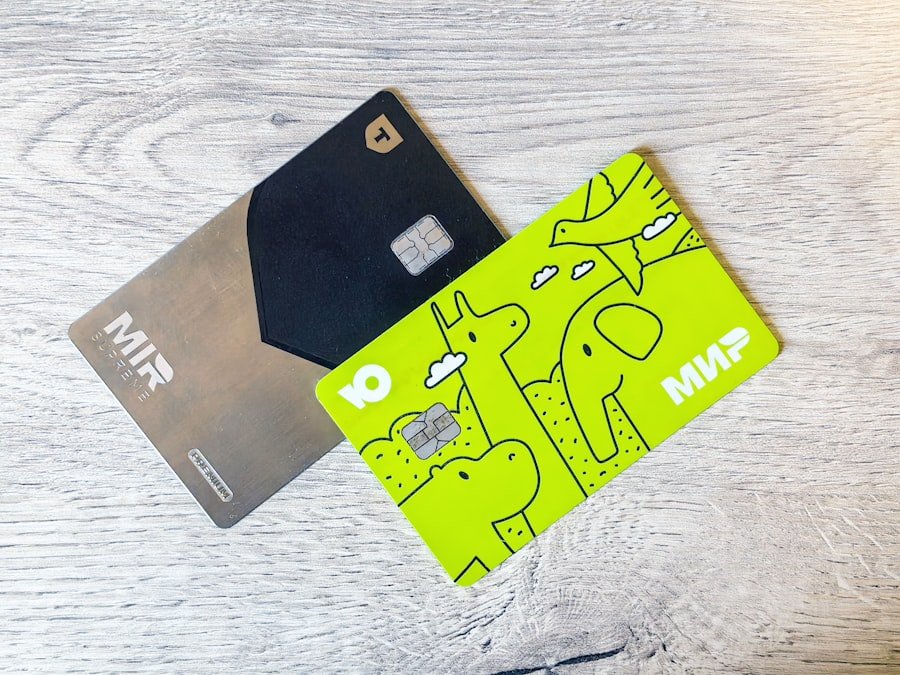
As I look toward the future of payment methods in Switzerland, it is clear that emerging trends are reshaping the landscape at an unprecedented pace. One notable trend is the increasing adoption of mobile payment solutions such as Apple Pay and Google Pay. These platforms offer unparalleled convenience by allowing me to make transactions directly from my smartphone without needing to carry physical cards or cash.
The integration of mobile wallets into everyday life reflects a broader shift toward digitalization that resonates with younger generations. Another trend worth noting is the rise of cryptocurrencies as alternative payment methods. While still in its infancy compared to traditional currencies, I have observed growing interest in using digital currencies like Bitcoin for transactions in certain sectors.
This development speaks to a desire for innovation and flexibility within the Swiss payment landscape. As these trends continue to evolve, it will be intriguing to see how they influence consumer behavior and reshape the balance between cash and card usage.
Tips for tourists and expats on navigating the Swiss payment system
For tourists and expats navigating the Swiss payment system, I have gathered several tips that can enhance their experience while minimizing potential pitfalls. First and foremost, it is essential to carry a mix of both cash and cards.
Additionally, familiarizing myself with local banking practices can be beneficial. Understanding which cards are widely accepted and whether there are any foreign transaction fees associated with my bank can save me from unexpected charges. It is also wise to notify my bank before traveling to avoid any issues with card usage abroad.
Lastly, embracing local customs regarding tipping can enhance my interactions with service providers. In Switzerland, tipping is generally not obligatory but appreciated; rounding up the bill or leaving small change can go a long way in expressing gratitude for good service.
The future of card and cash usage in Switzerland
As I reflect on the future of card and cash usage in Switzerland, it becomes evident that both methods will continue to coexist for the foreseeable future. While digital payments are on the rise and offer undeniable convenience, there remains a strong cultural attachment to cash that cannot be overlooked. The balance between these two forms of payment will likely evolve as technology advances and societal attitudes shift.
Ultimately, I believe that understanding this dynamic will be crucial for anyone navigating the Swiss payment landscape—whether they are locals or visitors. By embracing both cash and card options while remaining aware of emerging trends and cultural nuances, I can ensure a seamless experience in this unique financial environment. As Switzerland continues to innovate while honoring its traditions, I look forward to witnessing how these changes will shape the future of payments in this remarkable country.
In Switzerland, the debate between paying with card versus cash continues to evolve as digital transactions become increasingly prevalent. While many Swiss residents appreciate the convenience and security of card payments, others remain loyal to cash for its privacy and simplicity. This shift in payment preferences is part of a broader trend seen in various aspects of daily life, where traditional methods are being re-evaluated in favor of modern alternatives. For instance, just as the Swiss are reconsidering their payment methods, culinary enthusiasts are exploring new tastes and recipes, such as those found in the delightful world of Asian melon. To learn more about this culinary exploration, you can read the related article here.
FAQs
What are the advantages of paying with a card in Switzerland?
Paying with a card in Switzerland offers convenience, security, and the ability to track your expenses. It also eliminates the need to carry large amounts of cash.
Are there any disadvantages to paying with a card in Switzerland?
Some establishments in Switzerland may not accept cards, especially in rural areas or for small purchases. Additionally, there may be foreign transaction fees for using a non-Swiss card.
What are the advantages of paying with cash in Switzerland?
Paying with cash in Switzerland can be useful for small purchases, in areas where card acceptance is limited, and for avoiding foreign transaction fees.
Are there any disadvantages to paying with cash in Switzerland?
Carrying large amounts of cash can be risky, and it may be difficult to track your expenses. Additionally, some establishments may prefer card payments and not have enough change for large bills.
Is it common to pay with card or cash in Switzerland?
Paying with card is becoming increasingly common in Switzerland, especially in urban areas and for larger purchases. However, cash is still widely accepted and used, particularly for smaller transactions.