Switzerland is one of Europe’s easiest countries to explore with kids because the trains are reliable, cities are walkable, tap water is widely drinkable, and many of the biggest family experiences combine transport with the attraction itself. A boat ride, mountain railway, cable car, lake swim, museum visit, or alpine walk can become the highlight of the day without needing a complicated road trip.
That said, a family trip to Switzerland works best when you plan around weather, altitude, train passes, realistic daily pacing, and child-friendly bases. Use this guide to choose where to go, what to do, how to get around, where to stay, and how to keep the trip fun without overspending.
Quick Answer
Switzerland is excellent with kids if you keep the itinerary simple: base yourself near train stations, mix mountain days with lake or museum days, use child-friendly rail passes, and check weather before high-altitude trips. Lucerne, Interlaken, Zurich, Zermatt, and the Lake Geneva region are among the easiest family bases.
Key Takeaways
- Choose one or two bases instead of moving hotels every night; Lucerne and Interlaken are especially convenient for first-time family trips.
- Use Switzerland’s public transport system to reduce driving stress, but compare the Swiss Travel Pass, Swiss Family Card, Junior Travelcard, and regional passes before buying.
- Plan mountain outings early in the day, pack layers even in summer, and always check live weather and lift status before leaving.
- Balance expensive mountain excursions with free or low-cost activities such as playgrounds, lakeside walks, picnics, public fountains, and self-guided old-town strolls.
- Book family rooms, apartments, or hostels with kitchens if you want more space and easier meals with younger children.
At a Glance
| Time Required | 5 to 10 days is ideal for a first family trip; 7 days works well with two bases. |
| Difficulty | Easy to moderate, depending on how many mountain excursions and hotel changes you include. |
| Tools Needed | Train app or timetable, weather app, reusable water bottles, layers, comfortable shoes, snacks, and a lightweight daypack. |
| Cost | High compared with many European destinations, but apartments, grocery meals, child rail discounts, and free outdoor activities help control the budget. |
Why Switzerland Works Well for Families
Switzerland is compact, clean, organized, and scenic, which makes it especially appealing for families who want adventure without complicated logistics. Children can ride trains through mountain valleys, watch boats cross clear lakes, explore hands-on museums, and take cable cars to viewpoints within the same trip.
The country is also multilingual and used to international visitors. In major tourist areas, English is widely understood, and transport signs are clear. Many train stations have elevators or ramps, though older stations, mountain villages, and historic old towns can still involve stairs, cobblestones, and steep paths.
Note: Switzerland is easy to travel through, but it is not always low-effort. Mountain weather changes quickly, some excursions reach high altitude, and popular rail routes can need reservations during peak periods.
Best Time to Visit Switzerland with Kids
The best season depends on what your family wants to do. Late spring through early autumn is usually the easiest period for first-time visitors because lakeside walks, boat trips, playgrounds, mountain railways, and hiking trails are more accessible.
- May and June: Great for lower-altitude walks, waterfalls, flowers, and fewer crowds. Some high trails may still have snow.
- July and August: Best for high-mountain access, lake swimming, long days, and family activities, but also the busiest and often the most expensive period.
- September and early October: A strong choice for families with school flexibility. Weather can be pleasant, crowds usually ease, and many mountain lifts still operate.
- December to March: Best for snow, Christmas markets, sledding, skiing, and winter scenery. Choose resorts with beginner areas and non-ski activities if not everyone skis.
Pro Tip: For a first Switzerland family trip, choose late June, early July, September, or early October when possible. These windows often balance scenery, open attractions, and more manageable crowds.
Best Family-Friendly Destinations in Switzerland
Switzerland has many excellent family bases, but first-time visitors should avoid spreading themselves too thin. Pick bases that connect easily by train and offer both good-weather and rainy-day options.
Lucerne
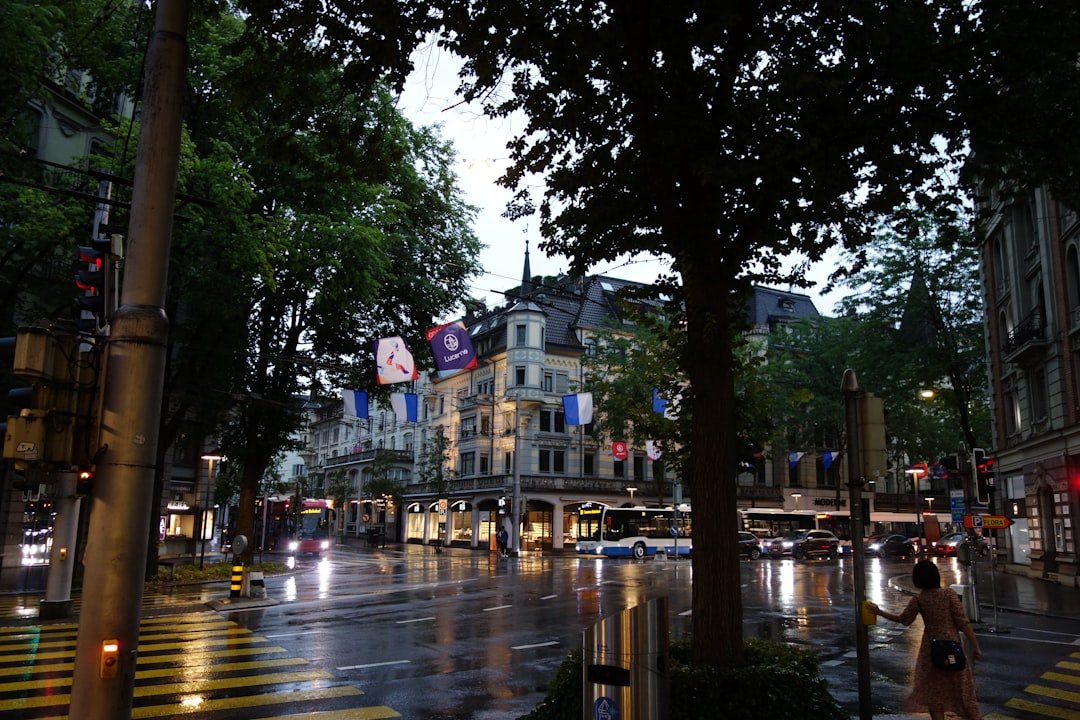
Lucerne is one of the easiest first stops with children. The old town is compact, Lake Lucerne boat rides are scenic, and Mount Pilatus is close enough for a memorable mountain day. The Mount Pilatus cogwheel railway and cable car route is especially fun because the journey itself feels like an attraction.
The Swiss Museum of Transport is one of the best rainy-day or rest-day choices in the country, with interactive exhibits covering mobility, technology, energy, and Swiss transport history.
Interlaken and the Jungfrau Region
Interlaken sits between Lake Thun and Lake Brienz and is a practical base for families who want mountain scenery, lakes, short walks, boat trips, and access to the Jungfrau Region. It works especially well for families with school-age children and teens because there are many outdoor activities nearby.
Families can visit Grindelwald, Lauterbrunnen, Mürren, Wengen, Lake Brienz, Lake Thun, and Jungfraujoch from this region. The Jungfraujoch – Top of Europe experience includes glacier views, the Ice Palace, and high-alpine scenery, but it is expensive and reaches 3,454 metres, so it should be planned carefully.
Zurich
Zurich is more than an arrival city. Families can enjoy Lake Zurich, the old town, playgrounds, swimming areas in summer, chocolate experiences nearby, and day trips to Winterthur. The Swiss Science Center Technorama is a strong choice for curious kids because it focuses on hands-on experiments and play-based science learning.
Zermatt
Zermatt is best for families who want dramatic alpine scenery and are comfortable with higher costs. The Matterhorn views are unforgettable, and the car-free village adds charm. It is better for families who enjoy walking, mountain railways, winter sports, or scenic viewpoints than for travelers who want fast city sightseeing.
Lake Geneva Region
Geneva, Lausanne, Montreux, and the surrounding lake towns work well for families who want museums, lake promenades, vineyards, castles, and a softer pace. This region is also a good match for multigenerational trips because it offers scenic outings without requiring every day to be a mountain day.
Family-Friendly Activities in Switzerland
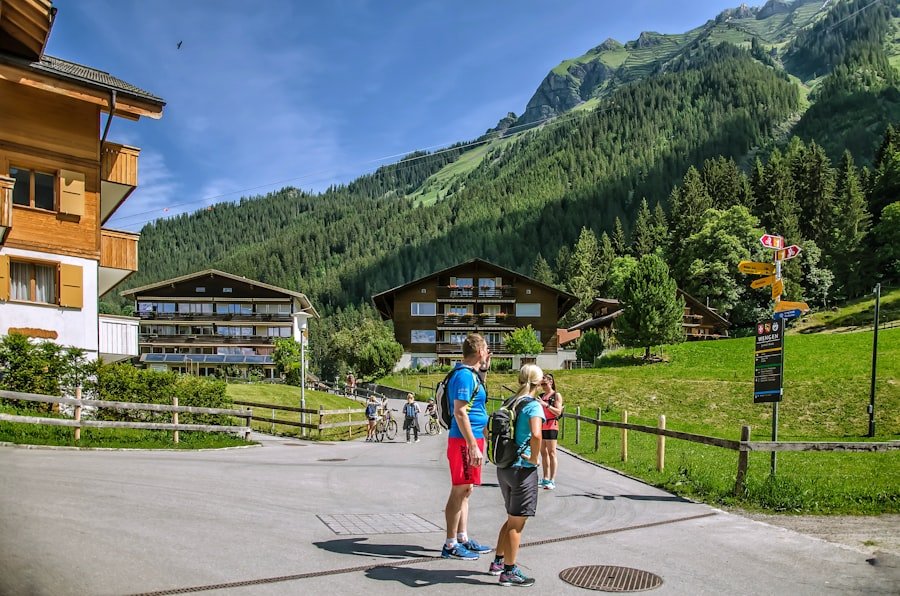
The best family activities in Switzerland are often simple: a train, a lake, a playground, a mountain viewpoint, and enough time to enjoy them without rushing.
Ride Scenic Trains
Scenic trains are a major part of the Switzerland experience. The Glacier Express travels between Zermatt and St. Moritz with panoramic alpine views, while the Bernina Express crosses dramatic bridges, tunnels, and UNESCO-listed railway landscapes on the way toward Tirano. These routes are beautiful, but they can be long for toddlers, so families with younger children may prefer shorter scenic segments instead of full-day journeys.
Visit Hands-On Museums
Museums are especially useful when weather changes. Strong options include the Swiss Museum of Transport in Lucerne and Technorama in Winterthur. These are better choices for children than traditional quiet galleries because they encourage touching, experimenting, and interactive learning.
Explore the Swiss National Park
The Swiss National Park near Zernez is ideal for nature-loving families with children who can follow trail rules and walk comfortably. The park has marked trails and wildlife such as marmots, ibex, and birds of prey, but it is a protected wilderness area, not a casual playground. Families should stay on trails, check route difficulty, and prepare for sudden changes in weather.
Warning: In protected alpine areas, do not leave marked paths, feed wildlife, pick plants, or rely on full mobile coverage. Bring layers, water, sun protection, and sturdy shoes even for short family walks.
Try Chocolate, Cheese, and Farm Experiences
Chocolate factories, cheese dairies, farm visits, and food workshops are easy wins with kids because they combine Swiss culture with hands-on tasting. Look for experiences near your route rather than adding a long detour just for one activity.
Enjoy Lakes, Playgrounds, and Easy Walks
Switzerland’s lakes are some of the easiest places to slow down with children. Lake Lucerne, Lake Zurich, Lake Thun, Lake Brienz, and Lake Geneva all offer scenic promenades, picnic spots, boat rides, and swimming opportunities in warmer months. Many towns also have excellent playgrounds near lakefronts or transport hubs.
A Simple 7-Day Switzerland Itinerary with Kids
A family itinerary should reduce hotel changes and leave space for weather. This sample uses two bases: Lucerne and Interlaken.
- Day 1: Arrive in Zurich and transfer to Lucerne. Walk the old town, cross the Chapel Bridge, and keep the first day light.
- Day 2: Lucerne and Swiss Museum of Transport. Use the museum as a flexible activity, especially if the weather is rainy.
- Day 3: Mount Pilatus or Lake Lucerne. Choose a mountain excursion if skies are clear, or enjoy a boat ride and lakeside playgrounds if clouds move in.
- Day 4: Train to Interlaken. Settle in, explore the town, and take an easy walk by Lake Brienz or Lake Thun.
- Day 5: Grindelwald, Lauterbrunnen, or Mürren. Pick one mountain village and avoid trying to see all of them in one day.
- Day 6: Jungfraujoch or a lower-cost alternative. If weather is clear and the budget allows, visit Jungfraujoch. Otherwise choose a lower-altitude viewpoint, boat trip, or family hike.
- Day 7: Return to Zurich or Geneva. Build in buffer time for luggage, snacks, and airport connections.
Note: Do not lock every expensive mountain excursion into fixed dates. Weather matters more than the calendar, so keep at least one flexible day in mountain regions.
Child-Friendly Transportation in Switzerland
Switzerland’s train, bus, boat, tram, cable car, and mountain railway networks make it possible to travel comfortably without a rental car. For many families, this is the biggest advantage of choosing Switzerland.
The Swiss Family Card can be a major money saver: children aged at least 6 and under 16 can travel free when accompanied by a parent holding eligible Swiss travel products. Children under six generally travel free on Swiss public transport, and the Junior Travelcard may be useful for families staying longer or traveling with Swiss point-to-point tickets.
Train Tips for Families
- Stay near a main train station if traveling with luggage and children.
- Use a backpack or rolling suitcase that adults can handle without help.
- Pack snacks before long mountain rail trips; station food is convenient but expensive.
- Reserve seats when required or strongly recommended, especially for premium scenic trains and peak mountain routes.
- Allow extra connection time with strollers, tired kids, or multiple bags.
Should Families Rent a Car?
A rental car can help for rural stays, remote chalets, or families carrying a lot of baby gear. However, parking can be expensive, some alpine villages are car-free, and trains often bring you closer to the center of towns. For a first trip focused on Zurich, Lucerne, Interlaken, Zermatt, and Geneva, public transport is usually easier.
Family-Friendly Accommodation Options in Switzerland
Accommodation can shape the whole trip. Families with younger children usually benefit from more space, a kitchen, laundry access, and a location near public transport. Families with teens may prefer a central base with easy evening walks and food options.
| Accommodation Option | Best For | Family-Friendly Amenities | Budget Notes |
|---|---|---|---|
| Hotel | Short stays, first nights, city breaks | Family rooms, breakfast, reception help, luggage storage | Often easiest but usually pricier in central areas and peak season |
| Apartment | Longer stays, picky eaters, babies, toddlers | Kitchen, laundry, separate bedrooms, more floor space | Can reduce meal costs but check cleaning fees, stairs, and distance from stations |
| Resort or Family Hotel | Winter trips, active families, longer alpine stays | Kids’ programs, pools, playrooms, ski schools, half-board options | Higher nightly rates may include services that simplify the trip |
| Hostel with Family Room | Budget-conscious families and simple overnight stops | Private family rooms, communal kitchens, laundry, casual atmosphere | Often the best value in expensive cities if booked early |
Before booking, check whether the property has elevators, cribs, blackout curtains, laundry, kitchen access, and an easy route from the train station. A cheaper room far from transport can become frustrating when children are tired.
Family-Friendly Dining Options in Switzerland
Swiss food can be fun for kids because many classic dishes are shareable. Fondue, raclette, rösti, sausages, pasta, soups, bread, cheese, and chocolate are easy to introduce to children. Still, eating every meal in restaurants can become expensive quickly.
Mix restaurant meals with bakeries, supermarkets, food halls, market snacks, apartment breakfasts, and picnics. Swiss supermarkets are useful for yogurt, fruit, bread, cheese, sandwiches, and ready-made salads. Reusable water bottles also help because Swiss tap water meets high quality standards and can generally be drunk from taps without posing a health hazard.
Smart Dining Tips with Kids
- Eat your bigger restaurant meal at lunch when children have more energy.
- Check menus before sitting down, especially in mountain restaurants where choices can be limited.
- Reserve ahead for popular restaurants in high season.
- Keep snacks in your daypack for train delays, long queues, or tired children.
- Use picnic lunches on expensive mountain days to balance the budget.
Tips for Traveling in Switzerland with Kids
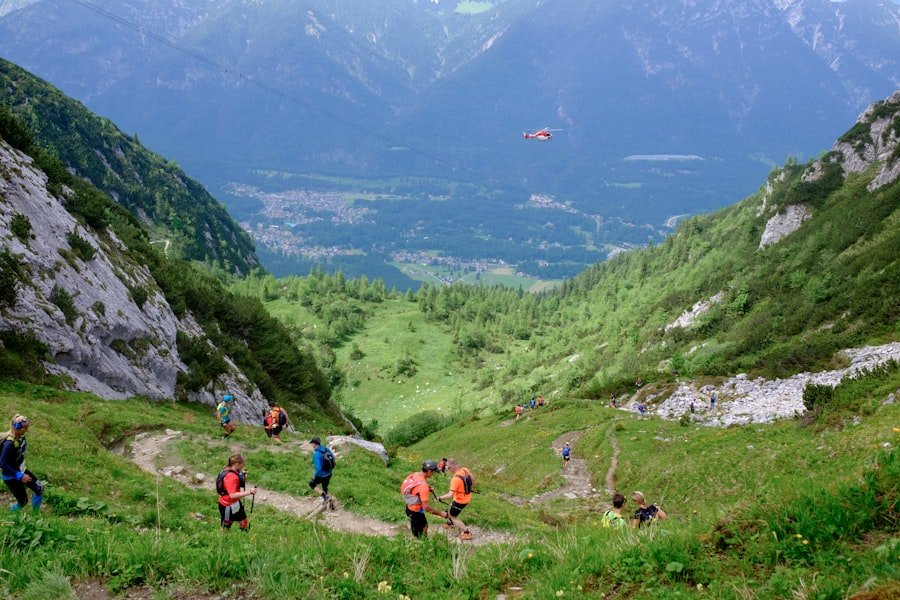
A smooth Switzerland family trip depends less on seeing everything and more on pacing each day well. Choose one major activity per day, then add flexible extras such as a playground, lake walk, café stop, or short museum visit.
Pack for Weather Changes
Even in summer, mountain areas can be cold, windy, wet, or snowy. Bring layers, waterproof jackets, sun hats, sunglasses, sunscreen, and comfortable walking shoes. For babies and toddlers, bring a warm layer even if the valley forecast looks mild.
Plan Around Altitude
High-altitude excursions can be thrilling, but they are not ideal for every child. Jungfraujoch reaches 3,454 metres, and temperatures can be below freezing even outside winter. Families should move slowly, watch for headaches or nausea, and avoid scheduling a high-altitude trip immediately after a long travel day.
Use Playgrounds as Travel Breaks
Swiss towns often have excellent playgrounds, lakefront parks, and open spaces. Build them into the day instead of treating them as optional extras. Children who get time to run and play are usually more patient on trains, in museums, and at restaurants.
Keep a Rain Plan
Mountain trips are weather-dependent. Keep a list of rainy-day options such as the Swiss Museum of Transport, Technorama, chocolate experiences, indoor pools, city museums, libraries, or relaxed train rides.
Safety and Health Considerations for Families in Switzerland
Switzerland is generally a safe and well-organized destination, but families still need normal travel precautions. Watch bags in crowded train stations, keep children close near platforms and roads, and use extra caution around lakes, rivers, cable cars, and mountain paths.
Emergency numbers are worth saving before you travel: 117 for police, 118 for fire, 144 for ambulance, 1414 for Swiss rescue, and 112 for the European emergency number.
Before traveling, check routine vaccines and travel-health advice for your family. The CDC recommends reviewing destination-specific vaccine and medicine guidance before travel and highlights routine vaccination considerations such as measles/MMR for international travelers.
Warning: Mountain weather can change faster than city weather. If visibility is poor, storms are forecast, or children are tired, choose a lower-altitude activity instead of forcing a summit or glacier trip.
Cultural and Educational Opportunities for Kids in Switzerland
Switzerland gives children many chances to learn through travel. They can hear different languages, compare city and mountain life, learn how trains and cable cars work, visit science museums, and taste regional foods.
Interactive museums are especially valuable because they turn education into play. The Swiss Museum of Transport in Lucerne helps children connect trains, boats, cars, aviation, space, energy, and Swiss infrastructure. Technorama in Winterthur is ideal for experiments and hands-on science.
Local festivals can also be memorable, but families should check the current year’s program before planning around an event. Some festivals are excellent with children during daytime hours but become crowded or loud in the evening.
Outdoor Adventures for Families in Switzerland
Outdoor adventure is one of the main reasons to visit Switzerland with kids. The key is matching the activity to your child’s age, energy, and confidence.
For Toddlers and Preschoolers
- Lake promenades and boat rides
- Short cable car trips with playgrounds at the top
- Animal parks and farms
- Easy stroller-friendly paths
- Chocolate or cheese experiences with tastings
For School-Age Kids
- Theme trails and short hikes
- Mountain railways and cogwheel trains
- Hands-on museums
- Swimming areas in summer
- Sledding or beginner ski lessons in winter
For Teens
- Longer hikes and viewpoints
- Scenic train journeys
- Adventure parks and ropes courses
- Paragliding or canyoning with licensed operators where age and weight rules are met
- Photography walks in mountain villages and old towns
In winter, choose resorts with beginner slopes, ski schools, sledding, ice skating, and indoor alternatives. Not every child wants to ski every day, so non-ski activities matter.
Budget-Friendly Tips for Traveling to Switzerland with Kids
Switzerland is expensive, but families can reduce costs without making the trip feel cheap. The biggest savings usually come from smart transport choices, fewer hotel changes, grocery meals, and free outdoor time.
- Compare passes before buying. A Swiss Travel Pass can be convenient, but regional passes or point-to-point tickets may be better for slower itineraries.
- Use child travel benefits. The Swiss Family Card, Junior Travelcard, and under-6 travel rules can make a major difference.
- Book accommodation early. Family rooms and apartments sell out quickly in popular areas.
- Travel in shoulder season. May, June, September, and early October can offer better value than peak summer and winter holidays.
- Plan picnics. Lakeside and mountain picnics can be more relaxing than restaurants with tired children.
- Use free water. Bring reusable bottles and refill them where drinking water is allowed.
- Limit premium mountain days. Choose one or two big-ticket excursions and balance them with low-cost walks, lakes, playgrounds, and old-town exploring.
A memorable Switzerland family trip does not need a major paid attraction every day. Some of the best moments are free: skipping stones by a lake, watching trains arrive, filling bottles from a fountain, or finding a mountain playground with a view.
What to Pack for Switzerland with Kids
- Comfortable walking shoes for every family member
- Waterproof jackets and warm layers
- Sun hats, sunglasses, and sunscreen
- Reusable water bottles
- Snacks for trains and mountain queues
- Small first-aid kit and any child-specific medicines
- Compact stroller or child carrier for younger kids
- Swimwear in summer and thermal layers in winter
- Downloadable entertainment for long train rides
- Printed or offline copies of key reservations
Common Mistakes to Avoid
- Changing hotels too often: Packing and unpacking with children uses more energy than most parents expect.
- Overbooking mountain days: Weather may cancel the view, so keep plans flexible.
- Ignoring altitude: High viewpoints can be cold and tiring even when the valley is warm.
- Buying the wrong pass: Compare your actual route before choosing a national or regional pass.
- Skipping downtime: Children need playgrounds, snacks, and simple breaks between sightseeing stops.
- Assuming every path is stroller-friendly: Check terrain, stairs, cable car access, and station elevators before you go.
Frequently Asked Questions
What are the best family-friendly activities in Switzerland?
The best family-friendly activities include scenic train rides, lake boat trips, hands-on museums, mountain railways, short hikes, chocolate or cheese experiences, playgrounds, and winter sledding or beginner ski lessons.
Are there child-friendly accommodations in Switzerland?
Yes. Families can choose hotels with family rooms, apartments with kitchens, hostels with private family rooms, alpine resorts, and family-focused hotels. For younger children, prioritize elevators, laundry, kitchen access, cribs, and a location close to public transport.
What are the best places to visit in Switzerland with kids?
Lucerne, Interlaken, Zurich, Zermatt, and the Lake Geneva region are strong choices. Lucerne is excellent for first-timers, Interlaken works well for mountain adventures, Zurich is convenient for museums and arrival days, and Zermatt is best for dramatic alpine scenery.
Are Swiss trains good for families?
Yes. Swiss trains are reliable, scenic, and usually easier than driving between major family destinations. Families should still check child fares, pass options, luggage needs, seat reservations, and connection times before travel.
How many days do you need in Switzerland with kids?
Five days is enough for one or two bases, but seven to ten days is better for a balanced family trip. With seven days, Lucerne plus Interlaken is a practical first-time route. With ten days, add Zurich, Zermatt, or the Lake Geneva region.
Is Switzerland expensive for families?
Yes, Switzerland is expensive, especially for hotels, restaurants, and mountain excursions. Families can save by booking early, staying in apartments, using grocery meals and picnics, choosing child rail discounts, and balancing paid attractions with free lakeside and mountain walks.
What should parents know before visiting Jungfraujoch with kids?
Jungfraujoch is spectacular but high, cold, and expensive. Families should check weather, consider seat reservations, bring warm layers, move slowly at altitude, and avoid visiting on a day when children are already exhausted.
Sources
- SBB Swiss Family Card — child travel benefits for families using Swiss public transport.
- SBB Junior Travelcard — child rail travel option for children aged at least 6 and under 16.
- Swiss National Park Visitor Information — hiking, wildlife, regulations, trail preparation, and safety notes.
- Swiss Museum of Transport — interactive family museum information in Lucerne.
- Jungfraujoch – Top of Europe — altitude, glacier experience, access, and visitor planning details.
- CDC Travelers’ Health: Switzerland — travel-health and routine vaccine guidance.