Public fountains make it easy to refill a water bottle while exploring many Swiss cities, old towns, parks, and public squares. A large number are connected to municipal drinking-water networks, but you should verify each fountain before drinking. Signs, official fountain maps, and the type of water point matter more than appearance alone.
Last updated:
Quick Answer
Many municipal fountains in Swiss cities provide safe drinking water, but there is no rule that makes every fountain potable. Check the individual fountain for a warning sign, use the flowing water from its spout, and confirm its status through an official city map when you are unsure.
Key Takeaways
- Municipal fountains in cities such as Zurich, Bern, and Geneva commonly provide free drinking water.
- Never assume that a decorative fountain, animal trough, natural spring, or remote mountain water point is potable.
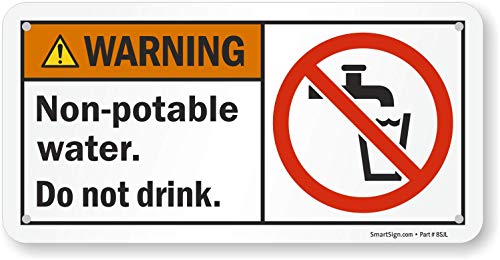
- Do not drink when you see “kein Trinkwasser,” “eau non potable,” “acqua non potabile,” or a crossed-out drinking-glass symbol.
- Fill your bottle from the flowing spout, not from standing water in the basin.
- Official city maps and local water information are more reliable than appearance or online crowd-sourced listings.
What’s in This Article
- What Swiss tap-water fountains are
- The history of Swiss public fountains
- Whether Swiss fountain water is safe
- Drinking-water signs to know
- Fountain guidance for Zurich, Bern, and Geneva
- Why fountains matter in Swiss culture
- Fountain design and architecture
- Environmental impact
- Health benefits and hydration
- Accessibility and convenience
- Reducing plastic waste
- Economic and social value
- Maintenance and regulation
- Cultural and touristic value
- The future of Swiss public fountains
- How to use fountains safely
- Official sources
- Frequently asked questions
What Are Switzerland’s Tap-Water Fountains?
Switzerland’s tap-water fountains are public water points found in streets, squares, parks, historic centers, and some recreation areas. In German-speaking regions, a fountain is commonly called a Brunnen. Some fountains are simple taps designed for drinking and bottle filling. Others are historic stone structures with statues, pillars, and large basins.
The most important difference is not whether a fountain looks old or modern. It is whether the water outlet is connected to a maintained drinking-water supply and approved for public use. A centuries-old municipal fountain may provide excellent drinking water, while a modern decorative water feature may not be intended for drinking.
For travelers, public fountains can reduce the amount of bottled water they need to carry or buy. For Swiss communities, the fountains may also serve as public art, historic landmarks, animal watering points, emergency infrastructure, and neighborhood meeting places.
Note: “Fountain” can describe several kinds of water features. Guidance for an official municipal drinking fountain does not automatically apply to a decorative pool, livestock trough, private fountain, spring, stream, or mountain hut supply.
The History of Switzerland’s Tap-Water Fountains
Public fountains have supplied Swiss communities with water for centuries. In Bern, the history of the public water supply reaches back to the 13th century, when the city already had several water points. Water came from sources that included an underground city stream, wells, and probably cisterns.
Bern replaced many wooden fountains with elaborate stone fountains around 1550. These structures were positioned near markets, main streets, and gathering areas. Residents collected household water, watered animals, exchanged news, and met neighbors around them.
As indoor plumbing and modern distribution networks expanded, fountains were no longer the only practical source of water. Many remained in place because they still provided a public service and had become part of the local streetscape.
Today, Bern’s decorated figures and stone basins show how public infrastructure can develop into cultural heritage. Zurich, Geneva, Lausanne, and many smaller communities also preserve older fountains while adding practical drinking and bottle-refill points.
Are Swiss Tap-Water Fountains Safe to Drink From?
Swiss drinking water is generally high quality and subject to legal requirements. The Federal Food Safety and Veterinary Office sets national drinking-water requirements. Water suppliers are responsible for quality control, and cantonal laboratories supervise the suppliers.
The latest federal Water and Health status report covers 2022–2024 and says Swiss food-control authorities analyze more than 50,000 drinking-water samples each year. This strong monitoring system supports confidence in public drinking-water networks, but it does not mean that every outdoor water feature is part of such a network.
Municipal rules and fountain systems vary. The City of Zurich says drinking water flows from its municipal fountains. Bern Welcome says Bern’s fountain water is safe, with exceptions marked “kein Trinkwasser.” Geneva Tourism promotes designated public fountains as drinkable and directs visitors to an official finder.
Warning: Do not treat the absence of a sign as proof that remote or private water is safe. Avoid unverified livestock troughs, natural springs, streams, decorative water features, and mountain water points. Carry enough water for hikes instead of depending on an unknown fountain.
What if a Fountain Has No Sign?
An unmarked municipal fountain in a city with an official potable-fountain network may provide drinking water, but appearance alone is not enough to confirm it. Look for a city plaque, drinking-water symbol, fountain number, nearby information board, or official map entry.
When you cannot verify the fountain, use another source. A nearby tourist office, municipal building, staffed station, hotel, restaurant, or shop may be able to confirm the local practice.
What if the Water Looks or Smells Unusual?
Do not drink water that is cloudy, discolored, oily, strongly odorous, or visibly contaminated. Also avoid a fountain with a temporary notice, maintenance barrier, damaged outlet, algae-covered spout, or obvious waste around the water outlet.
Mineral deposits around a fountain do not always mean the water is unsafe, because hardness and mineral content vary by source. However, a sudden unusual appearance or smell is a reason to choose another fountain and report the problem to the municipality when practical.
Drinking-Water Signs to Know
Swiss signs may appear in German, French, Italian, Romansh, or more than one language. The exact design varies, but the following words cover the warnings travelers are most likely to see:
| Language | Potable wording | Do-not-drink warning |
|---|---|---|
| German | Trinkwasser | Kein Trinkwasser |
| French | Eau potable | Eau non potable |
| Italian | Acqua potabile | Acqua non potabile |
A crossed-out glass or drinking symbol also means that you should not drink the water. In Romansh-speaking areas, wording may differ by local language variety, so give priority to pictograms, municipal labels, and official information.
Pro Tip: Photograph the warning terms before your trip or save this table offline. Mobile data can be unreliable on rural walking and cycling routes.
Products Worth Considering
DURABLE ALUMINUM. Signs are made from heavy-duty, 40 mil thick aluminum. Unlike steel signs, our aluminum signs do not rust. Signs last up to 7 years outside.

MATERIAL: The backpack purse set 3pcs are made of soft vegan synthetic leather,with durable golden hardware,evenly stitching,sturdy and feels cosy to touch

Quality Material: This car sticker is made of high-quality vinyl. The water resistance of the material ensures that the pattern and message on the sticker are still visible in the rain. You also don't have to worry about direct sunlight outside causing color changes. It is suitable for any extreme weather
Public Drinking Fountains in Zurich, Bern, and Geneva
| City | Official guidance | How to find fountains |
|---|---|---|
| Zurich | The City of Zurich currently reports 1,282 fountains and says high-quality drinking water flows from them. | City of Zurich fountain information and the Zürich City Guide app |
| Bern | Bern’s public fountain water is generally drinkable. Exceptions are marked with a “kein Trinkwasser” plaque. | Bern Welcome’s fountain guide |
| Geneva | Geneva promotes designated public fountains as drinkable water sources throughout the city. | Geneva Tourism’s public-fountain page and finder |
Fountain numbers and operating status can change as fountains are installed, repaired, or temporarily turned off. Use current municipal information when a specific fountain is important to your route.
The Significance of Tap Water in Swiss Culture
The Cultural Significance of Tap Water
Public access to clean water reflects Switzerland’s long investment in water protection, local infrastructure, and community services. A fountain allows someone to drink without entering a business or buying a packaged beverage.
This public access is especially visible in walkable old towns. Residents, commuters, cyclists, families, and visitors can use the same water point during daily activities.
Tap-Water Fountains as Cultural Landmarks
Many fountains serve as both utilities and cultural landmarks. In Bern, colorful figures, carved pillars, and historic basins help define the appearance of the UNESCO-listed old town. Bern Welcome describes the medieval fountains as former meeting points that remain central to the city’s visual identity.
Geneva presents its public fountains as part of the city’s commitment to sustainability and public health. Zurich promotes its extensive fountain network as one of the city’s distinctive features.
Tap Water as Part of Swiss Identity
Swiss fountain culture connects water quality with public access and local pride. Drinking from a verified city fountain can therefore be more than a practical refill. It can also be a small experience of local history and everyday life.
The Design and Architecture of Switzerland’s Tap-Water Fountains
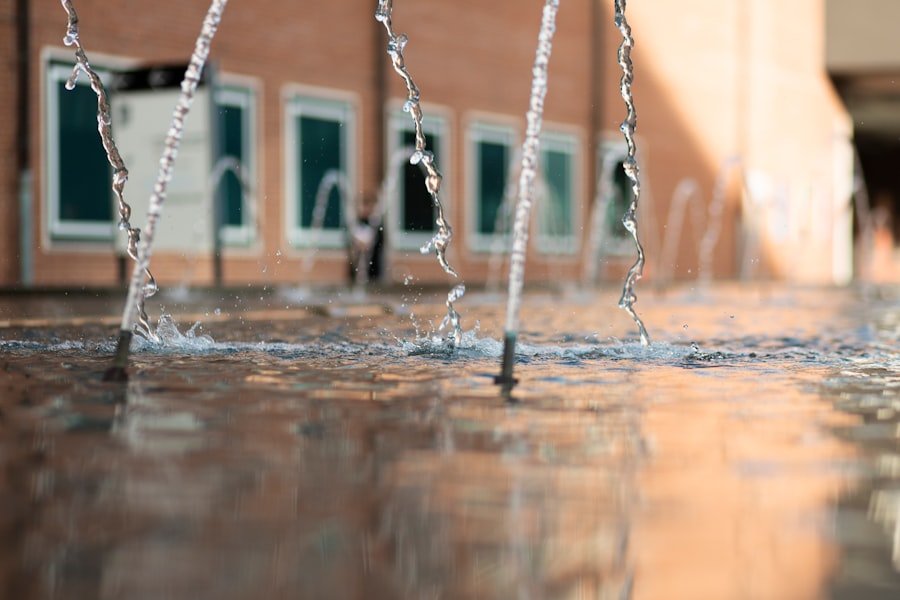
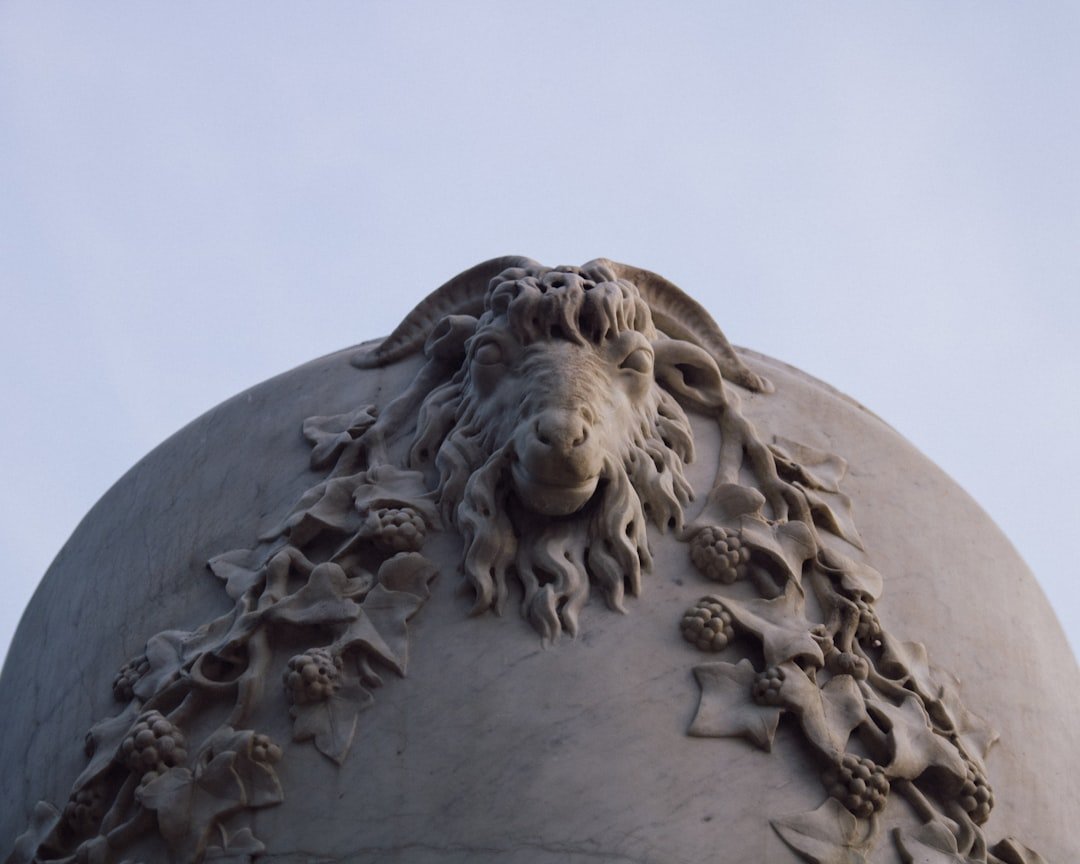
Swiss fountain design varies by city, region, period, and purpose. Historic fountains may use carved stone, painted figures, coats of arms, animal symbols, and large basins. Modern drinking fountains often use simpler forms that make the outlet easy to reach and the surrounding area easy to maintain.
Bern offers one of the clearest examples of fountain heritage. The Zähringerbrunnen near the Zytglogge depicts an armored bear associated with the city. The Schützenbrunnen and Anna-Seiler-Brunnen also connect public water with local legends, civic history, and art.
Zurich represents another side of fountain culture. Its network includes historic old-town fountains, small neighborhood fountains, and emergency-water fountains. The City of Zurich says more than 300 fountains are supplied through a separate spring-water network, along with more than 80 emergency fountains.
The most successful public fountains combine function and design. They provide water, create a place to pause, and add local character to a street, park, or square.
The Environmental Impact of Switzerland’s Tap-Water Fountains
Public fountains make reusable bottles more practical. A traveler who can refill during the day has less reason to buy several single-use bottles. The environmental result depends on actual behavior, bottle production, transport, cleaning, and how often the bottle is reused, so a universal savings figure would be misleading.
| Finding | What it means for travelers | Authority |
|---|---|---|
| Zurich currently reports 1,282 fountains. | Refilling is widely available across the city, although individual fountains may be temporarily offline. | City of Zurich |
| Swiss tap water has a better ecological balance than bottled mineral water. | Regular refilling can support lower-waste travel. | Switzerland Tourism |
| There is no single verified bottle- or carbon-saving figure for every Swiss city. | Treat exact local savings claims cautiously unless they come from a named municipal or environmental study. | City- or project-specific reports are required. |
Fountains also make sustainable behavior visible. When visitors see residents filling reusable bottles, tap water becomes a normal part of the travel experience instead of a backup option.
Health Benefits and Hydration
Water supports normal hydration without adding sugar or alcohol. The Swiss dietary recommendations for adults aged 18–65 advise drinking 1–2 litres of unsweetened beverages, ideally tap water, mineral water, herbal tea, or fruit tea.
This is general guidance rather than a personal target for everyone. Fluid needs can change with temperature, exercise, pregnancy, breastfeeding, age, body size, medication, and health conditions. People who have been advised to limit fluids should follow their clinician’s instructions.
Swiss drinking water must comply with legal quality requirements, but no responsible source should promise that every sample is completely free from every possible substance. Water suppliers monitor quality, authorities investigate problems, and restrictions or corrective action may follow when standards are not met.
Mineral content also varies. Depending on the local geology and source, water may contain different levels of calcium, magnesium, hydrogen carbonate, sulfate, and other naturally occurring constituents. For local information, residents can check their supplier or search Trinkwasser.ch.
Note: Trinkwasser.ch publishes information supplied voluntarily by participating water utilities. It is not a real-time contamination or emergency-alert service. Contact the local supplier or municipality for a current incident.
Swiss food-control authorities analyze more than 50,000 drinking-water samples each year, according to the federal 2022–2024 Water and Health status report.
The Accessibility and Convenience of Switzerland’s Tap-Water Fountains
Convenient Access to Drinking Water
Public fountains can make water easy to access in city centers, old towns, parks, lakeside areas, and tourist streets. Zurich is especially well supplied, with 1,282 fountains reported by the city at the time of this update.
This convenience helps travelers avoid carrying a full day’s water through an urban area. It also supports everyday hydration for people walking, cycling, commuting, exercising, or sightseeing.
Inclusive Design for Different Users
Accessibility differs by fountain. Modern bottle-filling stations may have low outlets and open space around them. Historic fountains may have high basins, steps, cobblestones, narrow approaches, or taps that are difficult to operate.
Do not assume that every public fountain is usable by a wheelchair user, a small child, or someone with limited grip or reach. Check an official city map for accessibility details when available, or carry enough water to avoid depending on one specific fountain.
Promoting a Culture of Hydration
A visible fountain network treats drinking water as part of the public environment rather than something that must always be purchased. This can be useful for families, budget travelers, runners, cyclists, and anyone spending a long day outside.
A reusable bottle may cover a full day of urban sightseeing when reliable refill points are available. On rural walks and mountain routes, carry a suitable reserve because the next fountain may be non-potable, seasonal, dry, or farther away than expected.
The Role of Tap-Water Fountains in Reducing Plastic Waste
Tap-water fountains can reduce dependence on single-use bottles by giving people a practical refill option. The benefit is strongest when a durable bottle is used repeatedly rather than replaced frequently.
Tourism offices and municipalities support this behavior by publishing maps and promoting public refill points. Geneva Tourism, for example, directs visitors to a finder for designated drinkable fountains. Zurich’s city guide app also lists fountains with fresh drinking water.
No single figure can show how many bottles every Swiss fountain saves. Usage varies by location, weather, visitor numbers, and local habits. The defensible point is that more reliable refill opportunities make reusable bottles easier to use and can reduce demand for packaged water during a trip.
The Economic and Social Implications of Switzerland’s Tap-Water Fountains
Free public drinking water can improve the visitor experience and reduce small daily travel costs. In historic districts, fountains may also encourage visitors to pause, photograph a square, follow a walking route, or learn about local history.
There is not enough evidence to make a general claim that fountains directly increase nearby property values. Their clearer economic value is the useful public service and the improved experience they provide in streets, parks, and tourist areas.
Socially, fountains have long served as gathering places. Bern’s historic fountains once helped residents collect water, meet neighbors, exchange news, and care for animals. Modern fountains continue to create natural stopping points in walkable neighborhoods.
The Maintenance and Regulation of Switzerland’s Tap-Water Fountains
Swiss drinking-water quality is managed through federal rules, water suppliers, property owners, municipalities, and cantonal authorities. The Federal Food Safety and Veterinary Office sets drinking-water requirements. Suppliers regularly control the water they distribute, while cantonal laboratories supervise the suppliers.
Outdoor fountains also require physical maintenance. Authorities may clean basins, inspect outlets, repair pipes, manage freeze risks, and shut fountains temporarily during work or local incidents. A dry or fenced fountain should not be treated as a dependable refill point.
Zurich’s fountain system includes a separate spring-water network and emergency fountains supplied through natural gravity. This is a named municipal system, not proof that every Swiss fountain has emergency functionality.
Likewise, travelers should not assume that every fountain uses rainwater harvesting, automated sensors, or real-time monitoring. Technology and supply arrangements differ by city and by fountain. Use claims about a special system only when the responsible utility or municipality confirms it.
Products Worth Considering

Eliminates Buildup: Effectively removes unsightly white scale, bio-film, and debris from fountains and decorative water features.

This safe but fast-acting enzyme-based formula reduces and eliminates muck, dead leaves, odors

Fast Acting & Easy to Use -- InstaFix Algae Control helps you win the algae battle, offering fast-acting, easy-to-use algae control. Simply pour liquid treatment evenly around the pond's edge.
The Cultural and Touristic Value of Switzerland’s Tap-Water Fountains
Swiss fountains connect water, art, history, and local identity. Bern’s old-town fountains are a strong example. Their colors, figures, and symbols tell stories about civic life, legends, professions, justice, and the city’s heraldic bear.
From a visitor’s perspective, a fountain can create several experiences at once. You can refill a bottle, examine public art, rest during a walk, photograph a historic street, and learn a small piece of local history.
Geneva and Zurich show how a fountain network can also support modern tourism. Geneva promotes designated fountains and a finder, while Zurich highlights its extensive network and includes fountain locations in its city guide app.
The Future of Switzerland’s Tap-Water Fountains
Public drinking water is likely to become more valuable as Swiss communities adapt to hotter days, busy tourism seasons, water-resource pressure, and demand for lower-waste travel. The federal authorities identify climate adaptation, local water shortages, resource protection, and micropollutants as continuing challenges.
A reliable fountain network requires more than installing attractive fixtures. Cities need safe water, clear signs, regular maintenance, accessible locations, accurate maps, and fast public communication when a fountain is unavailable.
Other destinations can learn from this practical model: make verified drinking water visible, make refill points easy to find, and clearly identify every exception.
How to Use Swiss Tap-Water Fountains Safely
- Identify the type of fountain. A municipal drinking fountain is different from a decorative pool, animal trough, private fountain, spring, or stream.
- Read every sign. Do not drink when you see “kein Trinkwasser,” “eau non potable,” “acqua non potabile,” a crossed-out glass, or a temporary warning.
- Use the flowing spout. Never scoop or drink standing water from the basin.
- Check the water. Avoid water that has an unusual smell, color, oily surface, visible debris, or obvious contamination around the outlet.
- Keep the spout clean. Do not touch it with your mouth, hands, bottle rim, or pet bowl.
- Use a clean bottle. Wash the bottle regularly and empty old water before refilling it.
- Check an official map. Use municipal or official tourism information in cities such as Zurich and Geneva.
- Respect temporary closures. Do not use a fountain that is fenced, turned off, being serviced, or covered for winter.
- Carry backup water outside cities. Do not plan a hike around an unverified trough, spring, or seasonal fountain.
- Choose another source when uncertain. A staffed station, hotel, visitor center, restaurant, or shop may be able to confirm local water information.
Pro Tip: Fill your bottle before leaving a city or staffed transport hub. A mapped fountain can still be temporarily unavailable because of maintenance, frost protection, or a local water notice.
Warning: Flowing water is not automatically safe water. When the fountain’s status is unclear, do not rely on taste, temperature, clarity, or the fact that other people are using it.
Products Worth Considering

[5-Stage Filtration] - The Survimate water filter bottle utilizes advanced composite filter technology to effectively reduce a wide range of contaminants. The filter has passed authoritative NSF/ANSI 42 certification, it employs a coarse filter screen, a 0.01μm hollow fiber UF membrane, a sediment PP membrane, purification beads, and activated carbon fiber to reduce chlorine, unpleasant odors, heavy metals, sediment, soil, organic matter, and other impurities.

BRITA WATER FILTER BOTTLE: One 26 oz. BPA-free Brita Hard-Sided Plastic Premium Filtering Water Bottle with one filter that reduces chlorine taste and odor in water as you drink

LifeStraw Go Series is the ULTIMATE SIDEKICK. The BPA-Free bottle filters out nasties so you can fill up from airport bathrooms, a tap in Mexico, or a gas station while road-tripping
Sources
- Federal Food Safety and Veterinary Office: Drinking water — legal requirements, supplier responsibilities, cantonal supervision, and national reporting.
- Federal Food Safety and Veterinary Office: Swiss dietary recommendations — adult beverage and hydration guidance.
- Switzerland Tourism: Drinking water — national water-source and ecological-balance summary.
- City of Zurich: Fountains — current municipal fountain network and water-supply details.
- Bern Welcome: Bern, city of fountains — fountain history, design, and drinking-water guidance.
- Geneva Tourism: Public fountains — designated drinking fountains and the official fountain finder.
Frequently Asked Questions
What are tap-water fountains in Switzerland?
They are public water points found in streets, squares, parks, historic centers, and some recreation areas. Some are modern drinking stations, while others are historic fountains with statues and basins. Their appearance does not confirm whether the water is potable.
Is water from Swiss public fountains safe to drink?
Many designated municipal fountains provide drinking water, especially in cities with official fountain networks. However, you must check the individual fountain for a warning, potable-water label, or official map entry. The rule does not automatically apply to every outdoor water feature.
Can I drink from every fountain in Switzerland?
No. Decorative water features, livestock troughs, private fountains, natural springs, streams, and marked non-potable fountains may be unsafe or unmonitored. Verify the individual water point before drinking.
What signs mean that fountain water is not drinkable?
Look for “kein Trinkwasser” in German, “eau non potable” in French, or “acqua non potabile” in Italian. A crossed-out drinking glass or similar pictogram also means that you should not drink the water.
What should I do when a fountain has no sign?
Look for a municipal plaque, fountain number, potable-water symbol, or official map listing. In an unfamiliar or remote location, the absence of a warning is not proof that the water is safe. Use another source when you cannot verify it.
Are Switzerland’s public drinking fountains free?
Municipal drinking fountains are generally free to use. Private water features and attractions may follow different rules, and not every public-looking water feature is intended for drinking.
How many fountains are in Zurich?
The City of Zurich currently reports 1,282 fountains. The number may change as fountains are added, removed, or renovated, so use the municipal fountain page or city guide app for current locations.
Are Bern’s fountains safe to drink from?
Bern Welcome says the city’s fountain water is safe to drink, with exceptions marked by a “kein Trinkwasser” plaque. Read the individual fountain’s sign before filling your bottle.
How can I find public drinking fountains in Geneva?
Geneva Tourism provides a public-fountain page that directs visitors to its official fountain finder. It can help you locate designated drinkable water points near the city center, parks, and lakeside areas.
Does Swiss tap water contain minerals?
Yes. It may contain naturally occurring minerals such as calcium and magnesium, but concentrations vary by geology, source, and water supplier. Check the local supplier’s quality report for location-specific details.
Why are Swiss fountains useful for sustainable travel?
They make reusable bottles easier to refill and can reduce the need to buy single-use bottled water. Exact plastic or carbon savings depend on the bottle, transport, cleaning, local usage, and how often it is reused.
Can I drink from a mountain trough or natural spring?
Only when a reliable local source identifies it as potable. Animal access, agricultural runoff, wildlife, damaged pipes, and seasonal conditions can affect remote water. Carry enough drinking water for your route instead of depending on an unverified source.