The Barbados cherry tree (Malpighia emarginata), also called acerola or West Indian cherry, is a tropical to subtropical shrub or small tree grown for its bright red fruit, pink flowers, and ornamental foliage. Despite its common name, it is not a true cherry in the genus Prunus. Its fruit is especially notable for a very high natural vitamin C content.
Quick Answer
The Barbados cherry tree is a warm-climate fruiting shrub or small tree that grows best in sun and well-drained soil. It produces tart to sweet red acerola fruits rich in vitamin C. It also works well as an edible ornamental, hedge, container plant, or small landscape tree where winters are mild.
Key Takeaways
- Malpighia emarginata is native from Mexico through parts of Central America to northern Colombia, although it has a long association with the Caribbean.
- Raw acerola is exceptionally rich in vitamin C, but the amount varies with cultivar, maturity, growing conditions, and processing.
- Full sun, good drainage, regular moisture during establishment, and protection from hard freezes support healthy growth and fruiting.
- Research on acerola’s bioactive compounds is promising, but human clinical evidence for treating specific diseases remains limited.
History and Origin of the Barbados Cherry Tree
The Barbados cherry tree has a strong Caribbean identity, but current botanical records do not place Barbados at the center of its native range. Kew’s Plants of the World Online records Malpighia emarginata as native from Mexico to northern Colombia and lists it as introduced in many Caribbean islands.
The plant appears to have reached parts of the Caribbean long before modern commercial cultivation. A study on Barbados cherry fruit development and ripening notes that it was probably native to Central America and may have been spread through the Caribbean in pre-Columbian times.
The accepted scientific name, Malpighia emarginata DC., was first published in 1824. Older horticultural literature often used names such as Malpighia glabra or Malpighia punicifolia, which helps explain why different names still appear in gardening references.
International interest increased after researchers drew attention to the fruit’s unusually high vitamin C concentration during the 20th century. Acerola subsequently became an important processed fruit in several tropical regions, especially for juice, pulp, concentrates, preserves, and vitamin C ingredients.
Physical Characteristics of the Barbados Cherry Tree

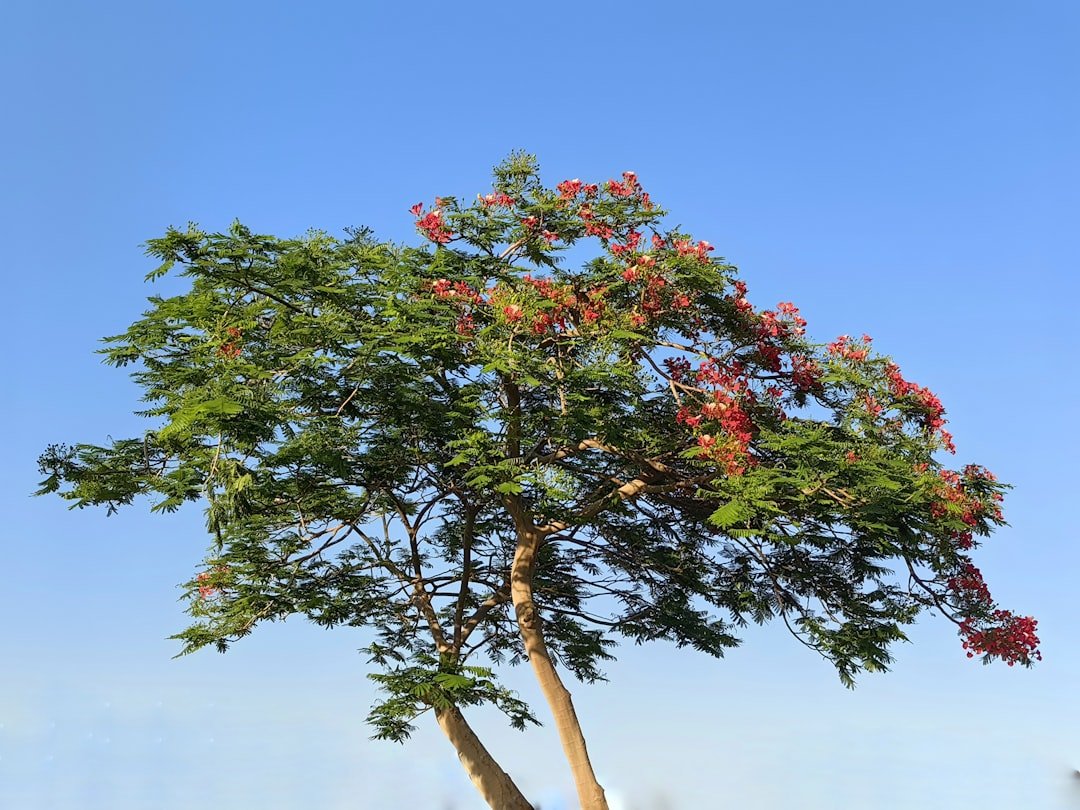
The Barbados cherry tree usually grows as a dense, multi-stemmed evergreen shrub or small tree. In managed landscapes, it can be kept compact through pruning, making it useful where a full-size tropical fruit tree would take up too much room.
A UF/IFAS landscape profile describes plants around 10 to 12 feet tall with a spread of about 10 to 15 feet. Growth habit varies, however, and some plants are more upright while others spread broadly.
The leaves are simple, glossy green, and arranged opposite or nearly opposite each other. Small pink to reddish flowers appear periodically during warm growing conditions. Their fringed petals give the plant much of its ornamental appeal.
The fruit is roundish and usually about 0.5 to 1 inch across. It changes from green through intermediate colors to red or deep crimson as it matures. The skin is thin, while the juicy flesh ranges from distinctly tart to relatively sweet depending on the cultivar.
Acerola is a three-stoned fruit, with the seed-bearing structures taking up a noticeable portion of each small fruit. This is one reason the soft pulp is often processed into juice, puree, or preserves rather than used like a large conventional cherry.
Nutritional Benefits of Barbados Cherry Fruit
Barbados cherry fruit is best known as an exceptionally concentrated food source of vitamin C. Its nutrient profile also includes small amounts of fiber, minerals, carotenoids, and other plant compounds.
The following values are for 100 grams of raw acerola and are based on the USDA National Nutrient Database data for raw West Indian cherry.
| Nutrient | Amount per 100g |
|---|---|
| Calories | 32 |
| Carbohydrates | 7.69g |
| Fiber | 1.1g |
| Protein | 0.4g |
| Vitamin C | 1,677.6mg |
| Vitamin A | 38µg RAE (767 IU) |
| Iron | 0.2mg |
The exact vitamin C concentration is not fixed. Different cultivars, maturity stages, climates, harvest conditions, and processing methods can produce substantial variation. Research also shows that vitamin C generally declines as acerola ripens.
Vitamin C is needed for collagen formation and normal connective tissue function, and it acts as an antioxidant. The NIH Office of Dietary Supplements vitamin C fact sheet also describes its roles in wound healing and normal physiological function.
Acerola contains additional plant compounds, including carotenoids, anthocyanins, and other polyphenols. These compounds contribute to the fruit’s color and antioxidant activity, although their amounts vary considerably among fruits and products.
Culinary Uses of Barbados Cherry Fruit
Barbados cherries can be eaten fresh, but their thin skin, soft texture, and tart flavor also make them well suited to processing. Juice, puree, jam, jelly, syrup, desserts, and frozen pulp are among the most practical uses.
Fresh ripe fruit can be added to fruit salads or blended into smoothies. Sweeter cultivars are easier to eat out of hand, while more acidic fruit often works better when combined with sweeter ingredients.
The fruit also makes flavorful preserves. Cooking acerola with sugar can balance its acidity, while strained puree can be used in sauces, dessert fillings, frozen desserts, or beverages.
Harvesting and Handling Acerola
Acerola ripens quickly after flowering and becomes delicate when fully mature. Pick ripe fruit gently because the thin skin bruises easily, and use or chill it soon after harvest.
If the fruit will be eaten fresh, allow it to develop its characteristic ripe color. Fruit intended for some forms of processing may be harvested slightly earlier while it is still firm enough to tolerate handling.
Freezing cleaned fruit or pulp is a practical way to preserve a harvest that cannot be used immediately. Processing also makes it easier to separate the juicy flesh from the stones.
Medicinal Uses and Health Benefits of Barbados Cherry

Acerola has a history of traditional medicinal use, but its strongest established nutritional feature is its vitamin C content. Research also examines its polyphenols, carotenoids, antioxidant activity, and possible effects on metabolic and inflammatory pathways.
Vitamin C supports normal collagen production and antioxidant defenses, so acerola can contribute substantial vitamin C as part of the diet. That does not mean the whole fruit has been proven to prevent or treat specific diseases.
Laboratory and animal research has explored possible anti-inflammatory, glucose-related, lipid-related, and other biological effects. However, a 2026 review of experimental and clinical acerola research concluded that human evidence remains limited and is constrained by differences in study methods, products, doses, and composition.
For that reason, claims that acerola treats diabetes, arthritis, cancer, high blood pressure, or other medical conditions go beyond what current human evidence can establish. Fresh fruit can still be a nutritious food without being treated as medicine.
Note: Acerola fruit can be part of a balanced diet, but concentrated extracts or supplements should not replace medical treatment. If you have a medical condition, take prescription medicines, or plan to use a concentrated acerola product regularly, ask a qualified healthcare professional for advice.
How to Grow and Care for a Barbados Cherry Tree
A Barbados cherry tree performs best in a warm location with strong light and freely draining soil. Once established, it tolerates some dry weather, but dependable moisture during flowering and fruit development generally supports better production.
UF/IFAS guidance for growing Barbados cherry in Florida recommends full sun for maximum flowering and fruiting, although the plant can survive in partial shade. It prefers slightly acidic to neutral, well-drained soil.
Light, Soil, and Spacing
- Sun: Choose full sun where possible. Partial shade can reduce fruit production.
- Drainage: Avoid locations where water remains around the roots. Consistently waterlogged soil creates problems for a plant that prefers good drainage.
- Soil pH: UF/IFAS guidance for Florida gives a preferred range of about pH 6.0 to 7.0.
- Spacing: For individual specimens, allowing roughly 10 to 15 feet between plants gives the canopy room to develop.
Watering
Young plants need regular water while their roots establish. UF/IFAS guidance for newly planted trees in Florida suggests watering two to three times per week during the first two to three months, then gradually reducing frequency as establishment improves.
Mature plants are more drought tolerant, but extended dryness can reduce flowering and fruit development. Mulch can help conserve soil moisture, especially in sandy soil, but keep it away from direct contact with the trunk.
Fertilizing and Pruning
A balanced fertilizer can support growth where soil nutrients are limited. Avoid excessive feeding, because strong leafy growth does not automatically mean better fruit production. A soil test is useful when you are unsure about pH or nutrient deficiencies.
Pruning is mainly used to control size, shape the canopy, and remove dead, damaged, crossing, or crowded branches. Light pruning after harvest can keep the plant manageable without removing too much fruiting wood.
Cold Protection and Containers
The Barbados cherry tree is sensitive to freezing weather, particularly while young. In climates with occasional freezes, a container-grown plant can be moved to a protected location more easily than an in-ground specimen.
UF/IFAS places Barbados cherry within warm USDA hardiness zones and notes that temperatures around or below 30°F can damage young plants. Local microclimate, plant age, and the duration of cold all affect the amount of injury.
Propagation
Barbados cherry can be grown from seed, but seedlings vary in growth habit and fruit quality. Cuttings or air layering are useful when you want to reproduce the characteristics of a particular plant rather than accept seedling variation.
Environmental Benefits of the Barbados Cherry Tree
The clearest ecological value of Barbados cherry in a garden comes from its flowers, fruit, and dense woody growth. It can provide food resources for insects and birds while also functioning as an edible landscape plant.
The flowers attract insect visitors. In northeastern Brazil, a study of West Indian cherry pollination and Centris bees found oil-collecting Centris bees to be particularly important flower visitors and pollinators in the study area.
Ripe fruit also attracts birds. That can add wildlife value to a garden, although gardeners who want to harvest most of the crop may need to accept some competition for ripe fruit.
The species should not automatically be described as native everywhere it is commonly grown. Its long cultivation history has allowed it to become established far beyond its original range, including many Caribbean islands and other tropical or subtropical locations.
Symbolism and Cultural Significance of the Barbados Cherry Tree
The Barbados cherry has become closely associated with Caribbean food traditions and home gardens, even though botanical evidence indicates that much of the Caribbean lies outside its original native range. Common names such as Barbados cherry, West Indian cherry, and acerola reflect this long regional association.
In many Caribbean communities, the tree has been valued for practical reasons as much as for appearance. Its fruit can be eaten or processed into drinks and preserves, while the plant itself fits easily into household gardens.
The tree is also sometimes associated with resilience, vitality, health, abundance, and Caribbean identity because it grows in warm environments and produces brightly colored, nutrient-rich fruit. These symbolic interpretations vary by community and are less formally documented than the plant’s botanical and culinary history.
Using a Barbados Cherry Tree in Landscaping and Gardens
Barbados cherry works especially well where you want one plant to provide flowers, edible fruit, evergreen foliage, and manageable size. It can be trained as a small tree or maintained as a multi-stemmed shrub.
Landscape uses include specimen planting, borders, screens, hedges, patio areas, and large containers. Its pink flowers provide seasonal color, while the red fruit adds another ornamental feature after flowering.
For the heaviest fruiting, place it in a sunny position rather than deep shade. If you want a hedge or screen, regular shaping can control its form, while a specimen plant can be allowed to develop a broader rounded canopy.
The combination of edible fruit and ornamental growth makes it useful in an edible landscape. Just leave enough room around the plant for harvesting, pruning, airflow, and its mature spread.
Pests, Diseases, and Common Growing Problems
Barbados cherry is generally manageable in a home landscape, but it is not pest-free. Root-zone problems are more likely in poorly drained soil, while several sap-feeding insects and nematodes can weaken plants or damage fruit.
UF/IFAS lists nematodes, whiteflies, scale insects, and plant bugs among pests associated with Barbados cherry. Aphids can also occur, and leaf-spot diseases may appear under favorable conditions.
Start by keeping the tree vigorous through suitable light, drainage, irrigation, and spacing. Inspect new growth and developing fruit regularly so a localized problem can be addressed before it becomes severe.
Poor fruit production does not always mean the tree is diseased. Too much shade, drought during flowering, cold damage, excessive vegetative growth, and weak pollinator activity can also reduce the crop.
Conservation and the Future of the Barbados Cherry Tree
The Barbados cherry is widely cultivated and is not generally treated as a rare horticultural fruit species. Its future value is tied more closely to conserving genetic diversity, maintaining useful cultivars, and improving sustainable production than to ordinary backyard scarcity.
Kew’s plant database includes a modeled extinction-risk prediction of “not threatened,” while also noting that formal conservation information is not available for every part of the species’ range. A modeled prediction should not be confused with a formal IUCN Red List assessment.
Acerola has substantial genetic and chemical variation. That diversity matters because cultivars can differ in fruit size, flavor, acidity, vitamin C concentration, growth habit, and productivity.
Continued research may help growers select plants for fresh eating, processing, nutrition, or landscape use. For home gardeners, choosing a well-adapted named cultivar and propagating desirable plants vegetatively can also help preserve useful characteristics.
Frequently Asked Questions
What is a Barbados cherry tree?
A Barbados cherry tree is a tropical to subtropical fruiting shrub or small tree scientifically known as Malpighia emarginata. It is also called acerola or West Indian cherry. The plant produces pink flowers followed by small red fruits that are especially rich in vitamin C.
Where is the Barbados cherry tree commonly found?
The Barbados cherry tree is native from Mexico through parts of Central America to northern Colombia, according to current Kew records. It has also been introduced, cultivated, or naturalized across many Caribbean islands and other warm tropical and subtropical regions around the world.
What are the characteristics of a Barbados cherry tree?
A Barbados cherry tree is usually an evergreen, densely branched shrub or small tree with glossy green leaves and small pink to reddish flowers. Its thin-skinned fruits mature to red or crimson, are roughly cherry-sized, and contain juicy flesh with a tart to sweet flavor.
How do you care for a Barbados cherry tree?
Grow a Barbados cherry tree in full sun and well-drained soil for the best fruit production. Water regularly while the plant establishes and during dry flowering periods, then prune mainly for shape and to remove damaged or crowded branches. Protect young plants from freezing temperatures.
What are Barbados cherries used for?
Barbados cherries can be eaten fresh or processed into juice, smoothies, puree, jams, jellies, syrups, desserts, and frozen pulp. The fruit is also used commercially as a natural source of vitamin C. Flavor varies from quite tart to relatively sweet among cultivars.
What pests or diseases affect Barbados cherry trees?
Barbados cherry trees can be affected by nematodes, whiteflies, scale insects, aphids, plant bugs, and occasional leaf diseases. Poorly drained soil can also create root problems. Good drainage, suitable spacing, regular inspection, and avoiding unnecessary plant stress are useful first lines of prevention.
Sources
- Royal Botanic Gardens, Kew — Plants of the World Online: Accepted scientific name, publication history, native range, introduced range, and conservation information.
- USDA National Nutrient Database for Standard Reference: Nutrient values for raw acerola or West Indian cherry.
- University of Florida IFAS Extension — Growing Barbados Cherry in Florida: Sun, soil, pH, spacing, irrigation, cold sensitivity, fertilization, pruning, fruiting, and container guidance.
- NIH Office of Dietary Supplements — Vitamin C Fact Sheet: Established physiological roles of vitamin C.
- PubMed — Acerola and Its By-Products as Sources of Bioactive Compounds: Current assessment of experimental and human evidence relating to acerola bioactive compounds.
- The Journal of Agricultural Science — Pollination Requirements of West Indian Cherry: Pollination findings involving Centris bees.
- University of Florida IFAS — Barbados Cherry Landscape Profile: Plant size, foliage, flowers, fruit, landscape uses, propagation, and common pests.
- Scientia Horticulturae — Fruit Development and Ripening in Barbados Cherry: Botanical history, Caribbean dispersal, fruit structure, and historical interest in vitamin C.