

Fatih, a vibrant district located in the heart of Istanbul, is steeped in history and cultural significance. Named after Sultan Mehmed II, known as Mehmed the Conqueror, Fatih is often regarded as the cradle of the Ottoman Empire. The district is not only a geographical entity but also a symbol of the profound transformations that have shaped Istanbul over centuries.
With its rich tapestry of historical sites, bustling markets, and diverse communities, Fatih serves as a microcosm of the city’s evolution from a Byzantine stronghold to an Ottoman capital and now a modern urban center. The district is characterized by its unique blend of the old and the new. While it boasts ancient monuments and remnants of its Byzantine past, it also embraces contemporary life with its cafes, shops, and residential areas.
Fatih is home to some of Istanbul’s most significant landmarks, including the iconic Hagia Sophia and the Blue Mosque, which attract millions of visitors each year. This juxtaposition of history and modernity makes Fatih a fascinating area for both locals and tourists alike, offering a glimpse into the layers of civilization that have flourished in this part of the world.
Key Takeaways
- Fatih is a historic district in Istanbul, Turkey, known for its rich cultural and religious diversity.
- The conquest of Constantinople by the Ottoman Empire led to the rise of Fatih as a prominent center of power and influence.
- The architectural legacy of Fatih includes iconic landmarks such as the Fatih Mosque and the Byzantine Walls, showcasing the district’s historical significance.
- Fatih is home to a diverse population, with a mix of cultural and religious influences contributing to its unique identity.
- Preservation efforts and tourism initiatives are helping to showcase the enduring legacy of Fatih to visitors from around the world.
Byzantine Walls and the Conquest of Constantinople
The Byzantine Walls, a formidable series of fortifications, stand as a testament to the strategic importance of Constantinople throughout history. Constructed between the 4th and 5th centuries, these walls were designed to protect the city from invasions and played a crucial role in its defense for over a millennium. The walls are an architectural marvel, featuring multiple layers of stone and brick, towers, and gates that were strategically placed to thwart attackers.
The most famous section, the Theodosian Walls, stretches approximately 5 kilometers and includes a double wall system that was nearly impenetrable at the time. The conquest of Constantinople in 1453 marked a pivotal moment in history, not only for Fatih but for the entire world. Sultan Mehmed II orchestrated a meticulously planned siege that combined innovative military tactics with overwhelming force.
The use of large cannons, such as the famous “Basilica” cannon designed by urban engineer Orban, allowed the Ottomans to breach the once-impenetrable walls. After weeks of relentless assault, the city fell on May 29, 1453. This event not only signified the end of the Byzantine Empire but also heralded the rise of the Ottoman Empire as a dominant power in both Europe and Asia.
The Rise of the Ottoman Empire
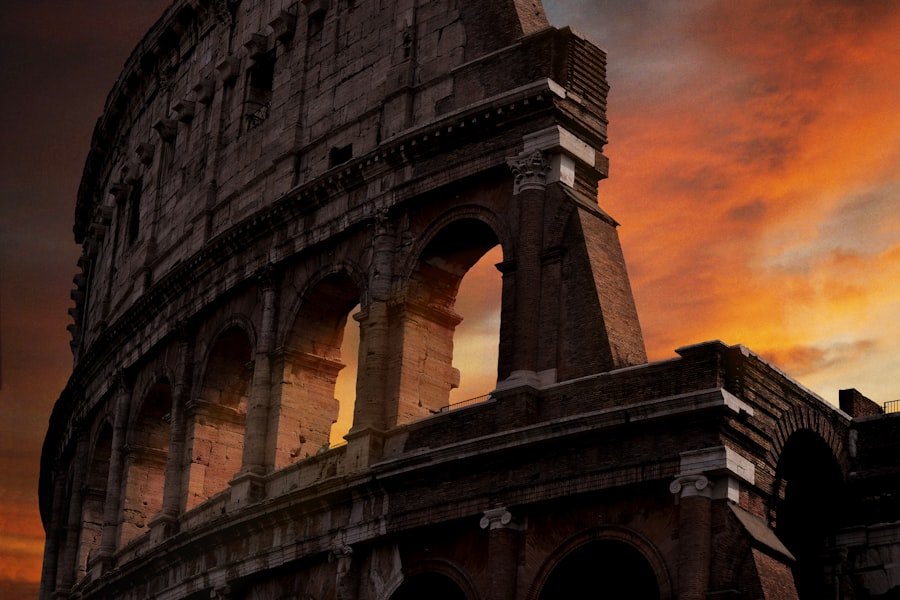
Following the conquest, Fatih became a focal point for the burgeoning Ottoman Empire. Sultan Mehmed II recognized the strategic and symbolic importance of Constantinople and set about transforming it into his imperial capital. Under his reign, Fatih witnessed rapid development as new structures were erected to reflect the empire’s grandeur.
The establishment of mosques, palaces, and public buildings not only served religious and administrative purposes but also showcased the artistic and architectural prowess of the Ottomans. The rise of the Ottoman Empire was characterized by territorial expansion and cultural flourishing. As Fatih became a melting pot of diverse cultures, it attracted scholars, artists, and traders from various regions.
The empire’s policies encouraged religious tolerance, allowing different faiths to coexist harmoniously within its borders. This cultural exchange enriched Fatih’s social fabric, leading to a unique blend of traditions that can still be observed today. The district became a hub for commerce and education, with institutions like madrasas (Islamic schools) contributing to its intellectual vibrancy.
The Architectural Legacy of Fatih
| Architectural Element | Description |
|---|---|
| Mosques | Fatih Mosque, Şehzade Mosque, and many others |
| Palaces | Topkapı Palace, Yedikule Fortress, and more |
| City Walls | The Walls of Constantinople |
| Tombs | Tomb of Sultan Mehmed II, Tomb of Sultan Selim II, and others |
Fatih’s architectural landscape is a reflection of its historical significance and cultural diversity. The district is home to some of Istanbul’s most iconic structures, many of which were commissioned during the Ottoman period. The Fatih Mosque, built by Mehmed II shortly after the conquest, stands as a symbol of Islamic architecture and serves as a focal point for worship in the area.
Its grand dome and intricate tile work exemplify the artistic achievements of the time. Another notable structure is the Mihrimah Sultan Mosque, designed by the renowned architect Mimar Sinan in the 16th century. This mosque is celebrated for its elegant design and harmonious proportions, showcasing Sinan’s mastery in blending functionality with beauty.
The architectural legacy extends beyond religious buildings; palaces such as Topkapi Palace and various public fountains reflect the empire’s commitment to aesthetics and urban planning. These structures not only serve as historical landmarks but also continue to inspire contemporary architects and artists.
Cultural and Religious Diversity in Fatih
Fatih is characterized by its rich cultural mosaic, where various ethnicities and religions coexist harmoniously. Historically, it has been home to Greeks, Armenians, Jews, and Muslims, each contributing to the district’s unique identity. This diversity is evident in its neighborhoods, where one can find churches, synagogues, and mosques standing side by side.
The coexistence of different faiths has fostered an environment of mutual respect and understanding among communities. The annual celebrations and festivals in Fatih reflect this cultural richness. Events such as Ramadan festivities bring together people from various backgrounds to share in communal meals and prayers.
Additionally, cultural festivals celebrating music, dance, and art showcase the talents of local artists while promoting intercultural dialogue. This vibrant atmosphere not only enriches the lives of residents but also attracts visitors eager to experience Fatih’s dynamic cultural scene.
Fatih in the Modern Era
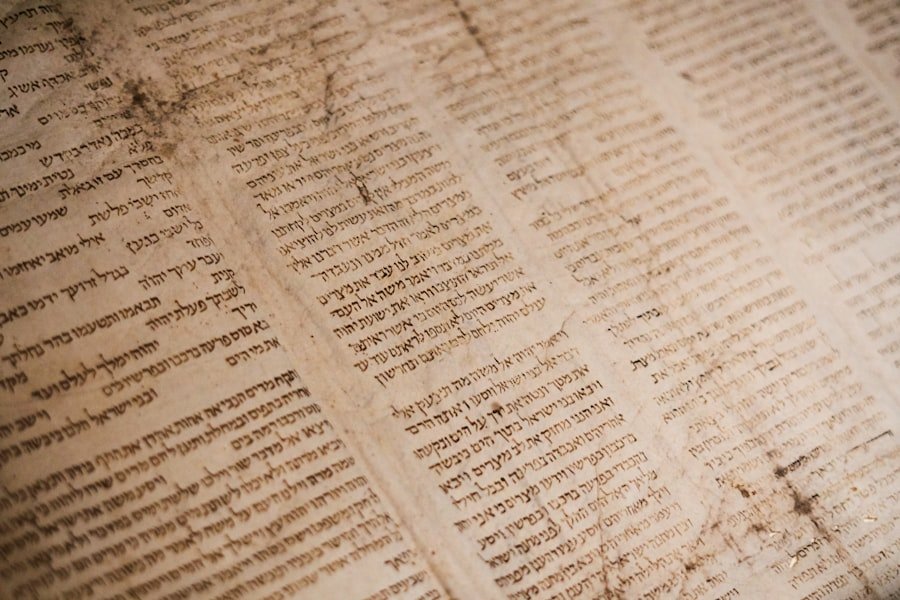
In recent decades, Fatih has undergone significant transformations while retaining its historical essence. Urbanization has brought about changes in infrastructure and housing, leading to a mix of traditional homes and modern apartment buildings. Despite these developments, efforts have been made to preserve the district’s historical sites and maintain its cultural heritage.
Local authorities have implemented restoration projects aimed at revitalizing old neighborhoods while ensuring that their historical character remains intact. The modern era has also seen an influx of tourists drawn to Fatih’s rich history and vibrant atmosphere. The district’s proximity to major attractions such as Hagia Sophia and the Grand Bazaar makes it a popular destination for visitors seeking an authentic experience of Istanbul.
Local businesses have adapted to this tourism boom by offering guided tours, traditional cuisine, and handicrafts that reflect Fatih’s cultural heritage. This blend of tradition and modernity creates a unique environment where history is not merely preserved but actively celebrated.
Preservation Efforts and Tourism in Fatih
Preservation efforts in Fatih are crucial for maintaining its historical integrity amidst rapid urban development. Various organizations and government bodies are dedicated to safeguarding the district’s architectural heritage through restoration projects and conservation initiatives. These efforts focus on restoring significant landmarks while ensuring that new developments respect the historical context of the area.
Tourism plays a vital role in these preservation efforts by generating revenue that can be reinvested into maintaining historical sites. Local authorities have recognized the importance of sustainable tourism practices that benefit both visitors and residents. Initiatives such as guided walking tours highlight Fatih’s rich history while promoting local artisans and businesses.
By fostering an appreciation for its cultural heritage among tourists, Fatih aims to create a sustainable model that balances economic growth with historical preservation.
The Enduring Legacy of Fatih
Fatih stands as a testament to Istanbul’s complex history and cultural evolution. From its origins as a Byzantine stronghold to its transformation into an Ottoman capital, the district has witnessed significant events that have shaped not only Turkey but also global history. Its architectural wonders reflect centuries of artistic achievement while its diverse communities embody a spirit of coexistence that continues to thrive today.
As Fatih moves forward into the modern era, it faces challenges related to urbanization and tourism but remains committed to preserving its rich heritage. The ongoing efforts to maintain historical sites while embracing contemporary life ensure that Fatih will continue to be a vibrant hub for culture, history, and community for generations to come. The enduring legacy of Fatih is not just found in its monuments but also in its people—who carry forward traditions while welcoming new influences—making it an essential part of Istanbul’s identity.
If you are interested in learning more about the history of Fatih, you may want to check out this article on delicious homemade cottage cheese. This article explores the origins and cultural significance of cottage cheese, providing a glimpse into the culinary traditions of the region. Understanding the food history of Fatih can offer valuable insights into the daily lives and customs of its inhabitants.
FAQs
What is the history of Fatih?
The history of Fatih, a district in Istanbul, Turkey, dates back to ancient times. It has been an important area throughout various periods of history, including the Byzantine and Ottoman empires.
What was the significance of Fatih in the Byzantine Empire?
During the Byzantine Empire, Fatih was known as the district of Phanarion and was an important center for trade and commerce. It was also home to several prominent churches and religious institutions.
How did Fatih become significant in the Ottoman Empire?
After the conquest of Constantinople by the Ottoman Empire in 1453, Fatih became an important district in the new capital city. It was home to many mosques, palaces, and other important buildings constructed during the Ottoman period.
What are some notable landmarks in Fatih?
Fatih is home to several notable landmarks, including the Fatih Mosque, the Church of the Holy Apostles, the Zeyrek Mosque, and the Valens Aqueduct. These landmarks reflect the district’s rich history and cultural significance.
How has Fatih evolved over time?
Over the centuries, Fatih has evolved from a thriving district in the Byzantine and Ottoman empires to a modern, bustling area in Istanbul. It continues to be a center of historical and cultural importance in the city.