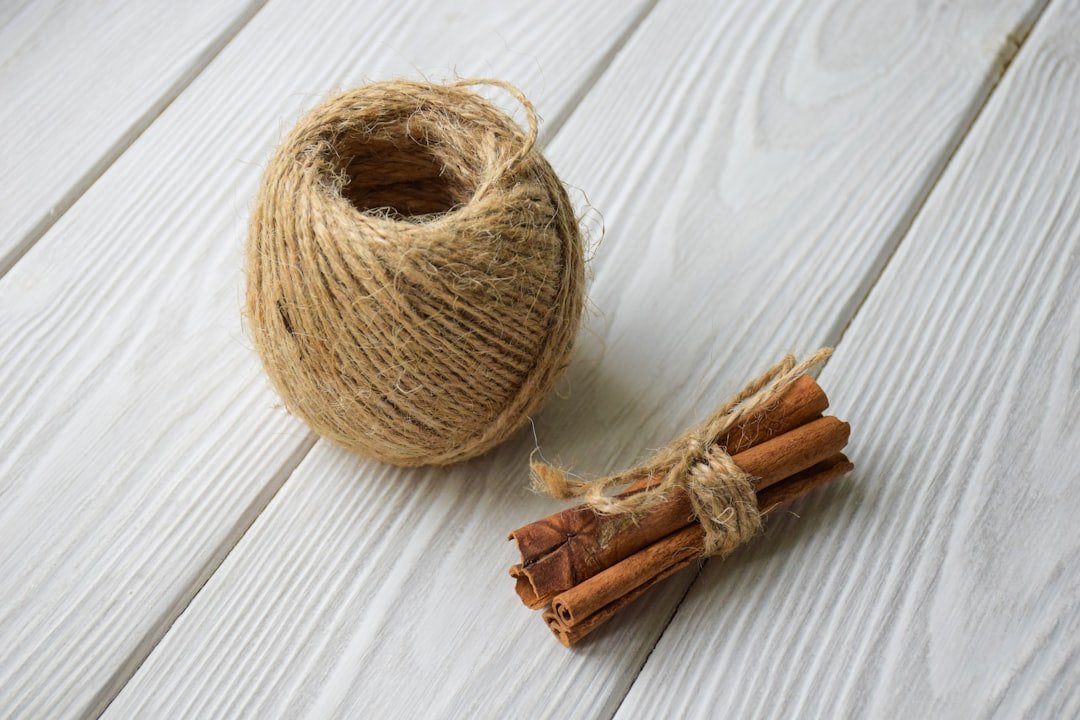
Cinnamon sticks are rolled pieces of dried cinnamon bark prized for their warm, sweet-spicy aroma. They can flavor everything from tea and rice to curries, stews, poached fruit, and holiday drinks. Whole sticks are especially useful when you want cinnamon flavor to infuse slowly without leaving ground spice throughout the finished food.
Quick Answer
Cinnamon sticks are dried rolls of Cinnamomum bark used to infuse drinks, rice, curries, stews, fruit, and desserts with warm, woody sweetness. Simmer or steep them whole, then remove them before serving. They are safe in normal food amounts for most people, but health-treatment claims are not well proven, and cassia contains more coumarin than Ceylon cinnamon.
Key Takeaways
- Ceylon cinnamon usually has thin, layered quills and a delicate flavor, while cassia tends to be thicker, harder, and stronger.
- Whole sticks work best for simmering and steeping; ground cinnamon is usually better for batters, doughs, toppings, and spice blends.
- Current research does not clearly establish cinnamon as a treatment for diabetes, inflammation, infections, or other health conditions.
- Cinnamon oil and powder can irritate skin, so DIY facial treatments are not a risk-free use of the spice.
- Cinnamon sticks keep their aroma longest when stored airtight, cool, dry, and away from direct light and heat.
What Are Cinnamon Sticks?
Cinnamon sticks, also called cinnamon quills, are made from bark harvested from trees in the Cinnamomum genus. As prepared bark dries, it curls into the familiar stick shape. The spice has been used in food and traditional medicine for centuries in many parts of Asia, the Middle East, and beyond.
Royal Botanic Gardens, Kew identifies Cinnamomum verum as the Sri Lankan cinnamon tree and notes that cinnamon has long been used in both sweet and savory foods. Historical records also describe cinnamon use in ancient Egyptian embalming and in later medicinal traditions.
Ceylon Cinnamon vs. Cassia Cinnamon
The word “cinnamon” can refer to more than one species. The two broad types shoppers encounter are Ceylon cinnamon and cassia. They can both flavor food, but their sticks differ in structure, strength, and chemical composition.
| Feature | Ceylon Cinnamon | Cassia Cinnamon |
|---|---|---|
| Typical stick | Thin, brittle layers rolled together | Thicker, harder pieces of bark |
| Flavor | Milder and more delicate | Stronger and more pungent |
| Coumarin | Generally very low | Generally much higher |
| Good use | Delicate drinks, desserts, and everyday cooking | Dishes where a stronger cinnamon flavor is wanted |
The Health Benefits of Cinnamon Sticks: What the Evidence Shows
Cinnamon contains compounds such as cinnamaldehyde that have attracted scientific interest, but culinary cinnamon should not be treated as medicine. The National Center for Complementary and Integrative Health says research does not clearly support using cinnamon for any health condition.
Studies have examined cinnamon supplements for blood sugar, inflammation, oxidative stress, and other outcomes. Some individual studies and reviews report promising changes in certain markers, but results vary by cinnamon species, preparation, dose, and study design. That makes it difficult to translate supplement research into claims about an ordinary cinnamon stick used in food.
Blood Sugar and Diabetes
Cinnamon is often promoted for blood sugar control, especially for people with type 2 diabetes. Current evidence is mixed, however, and it should not replace medication, diet changes, monitoring, or other diabetes care recommended by a healthcare professional.
If you have diabetes and plan to use concentrated cinnamon supplements rather than normal food amounts, discuss them with your healthcare provider. Herbal products can have side effects or interact with medicines.
Antioxidant, Anti-Inflammatory, and Antimicrobial Research
Cinnamon and cinnamaldehyde have shown antioxidant, anti-inflammatory, and antimicrobial activity in laboratory research. A review indexed by PubMed, for example, describes antibacterial effects of cinnamon extracts, essential oils, and their constituents against various bacteria.
That laboratory evidence does not mean a cinnamon stick can treat an infection, replace antibiotics, disinfect a wound, or provide a proven immune boost. The form and concentration used in experiments can be very different from the amount released into food or tea.
Coumarin and Cassia Cinnamon
Cassia cinnamon naturally contains more coumarin than Ceylon cinnamon. High, repeated exposure matters because coumarin can affect the liver in susceptible people.
The German Federal Institute for Risk Assessment uses a tolerable daily intake of 0.1 mg of coumarin per kilogram of body weight. Because coumarin levels in cassia can vary, people who regularly consume large quantities of cinnamon may prefer lower-coumarin Ceylon cinnamon.
Note: Normal culinary use is different from taking concentrated cinnamon supplements or large daily quantities. Ask a doctor or pharmacist before using cinnamon medicinally if you have liver disease, take regular medication, are pregnant, or are breastfeeding.
How to Use Cinnamon Sticks in Cooking and Baking
Cinnamon sticks work best when they have time to sit in a warm liquid or moist dish and release their aroma gradually. Add the stick during cooking or steeping, then remove the woody bark before serving when practical.
Infuse Hot Liquids
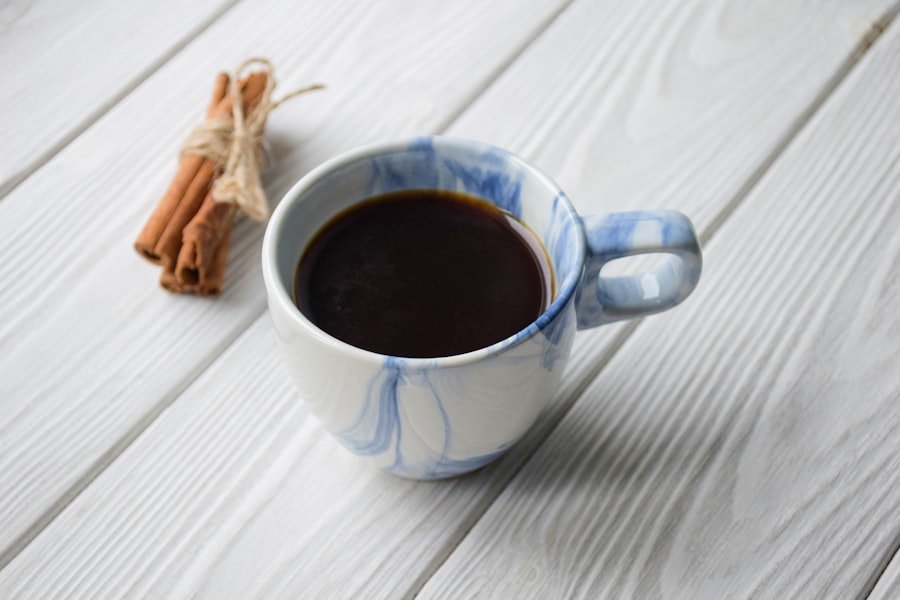
Add a cinnamon stick to simmering water, milk, cider, cocoa, broth, or another liquid. The heat draws aromatic compounds from the bark while leaving the liquid free of the fine particles you would get from ground cinnamon.
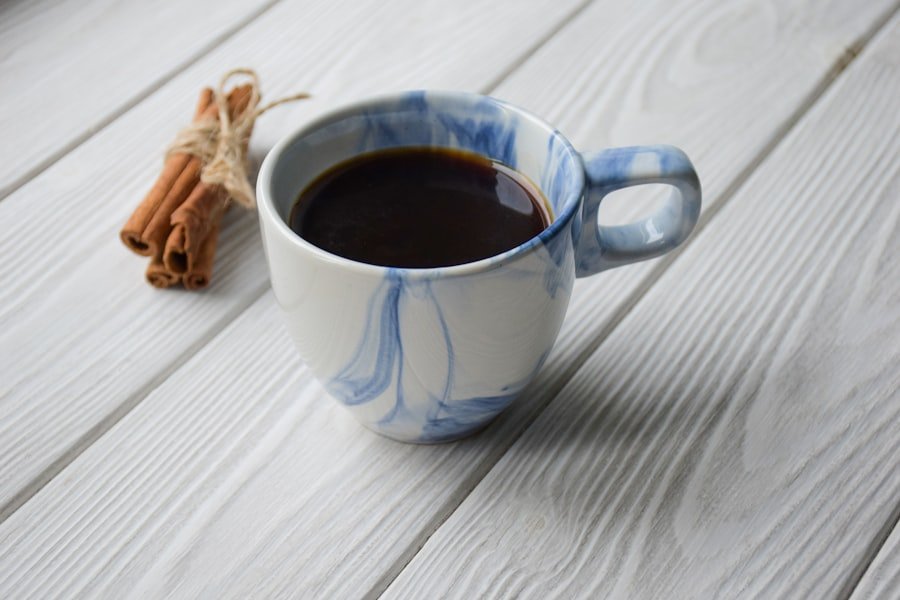
You can also use a stick as a stirrer in coffee, tea, or hot chocolate. Leave it in long enough to contribute flavor, then remove it when the drink tastes balanced.
Flavor Rice and Other Grains
Place a cinnamon stick in the cooking liquid for rice, pilaf, quinoa, oatmeal, or similar grains. It adds a gentle warm aroma without mixing visible cinnamon powder through the finished dish.
Cinnamon pairs especially well with rice dishes that also use cardamom, cloves, dried fruit, nuts, or savory spices.
Use Cinnamon in Curries, Stews, and Braises
Cinnamon is not limited to desserts. Whole sticks are used in savory cooking across South Asia, the Middle East, North Africa, and other regions.
A stick can simmer in a curry, meat stew, tagine, broth, or braise alongside ingredients such as lamb, chicken, tomato, chickpeas, cardamom, cumin, coriander, or dried fruit. In Indian cooking, cinnamon is also one of the spices commonly associated with garam masala blends.
Poach Fruit and Flavor Desserts
Cinnamon sticks work well in poaching liquid for pears, apples, peaches, and other fruits. They can also flavor rice pudding, custard bases, syrups, and warm milk before the stick is removed.
For cakes, cookies, cinnamon rolls, and other foods where cinnamon needs to spread evenly through a dry mixture or batter, ground cinnamon is usually more practical.
Can You Grind Cinnamon Sticks?
Yes, but the texture of the bark matters. Ceylon quills are generally thinner and more brittle, while cassia can be very hard.
If your spice grinder is designed for hard whole spices, break the cinnamon only as the appliance instructions allow and process small amounts at a time. If the machine struggles, stop rather than forcing the bark through it. Pre-ground cinnamon is the easier option when you need a consistently fine powder.
The Aromatic Qualities of Cinnamon Sticks
Cinnamon sticks are valued as much for aroma as for taste. Their warm, woody, sweet-spicy scent becomes stronger as the bark is heated, steeped, or broken, which explains why cinnamon works well in both cooking and home-fragrance applications.
| Aspect | Measurement |
|---|---|
| Color | Light to reddish brown, depending on the cinnamon type |
| Aroma | Sweet, woody, and spicy |
| Flavor | Warm and sweet-spicy, from delicate to intense |
| Texture | Dry bark; thin and brittle or thick and hard depending on type |
For a simple home fragrance, cinnamon sticks can be gently simmered in water with ingredients such as cloves or citrus peel. Keep enough water in the pot, monitor it while heating, and do not allow the pan to boil dry.
Cinnamon is also used in commercial perfumes, candles, and fragrance products. Enjoying its scent is different from claiming a medical aromatherapy effect; strong evidence that ordinary cinnamon aroma improves focus, memory, or mood is not established.
Cinnamon Sticks in Traditional Medicine
Cinnamon has a long history in traditional medical systems, including traditions from China, India, and Persia. Those historical uses help explain cinnamon’s cultural importance, but they are not the same as evidence from modern clinical trials.
Traditional uses have included digestive complaints, coughs, colds, and other conditions. In traditional Chinese medicine, cinnamon bark is known as Rou Gui. Ayurveda has also used cinnamon as a warming aromatic spice in traditional preparations.
Modern health guidance is more cautious. Cinnamon can be enjoyed as food, while treatment of persistent digestive problems, infections, diabetes, or other medical conditions should be based on appropriate medical evaluation rather than cinnamon alone.
Cinnamon Sticks in Beauty and Skincare
Cinnamon appears in some cosmetic and fragrance products, but applying kitchen cinnamon directly to your skin is not a proven acne or skincare treatment. Cinnamon powder and cinnamon oil can cause irritation or allergic contact dermatitis in some people.
Using Cinnamon Around Sensitive Skin
Avoid assuming that a natural spice is automatically gentle. Raw cinnamon powder can be irritating, and concentrated essential oil is much stronger than cinnamon used in food.
Warning: Do not use undiluted cinnamon oil or raw cinnamon powder as a DIY treatment for acne, blemishes, or other skin problems. Stop using a cinnamon-containing product if it causes burning, redness, swelling, or a rash.
What About Cinnamon Scrubs and Face Masks?
Recipes combining cinnamon with honey, yogurt, sugar, or coffee are common online, but adding other ingredients does not remove cinnamon’s irritation risk. A product formulated and tested specifically for cosmetic use is a safer choice than experimenting with concentrated kitchen spice on facial skin.
Cinnamon Sticks in Beverages
Drinks are one of the easiest ways to use cinnamon sticks because warm liquid extracts their aroma gradually. The stick can flavor the drink while keeping it free of the sediment that ground cinnamon may leave behind.
Tea and Chai
Add cinnamon to black tea, herbal tea, or chai while the drink steeps or simmers. Cinnamon pairs naturally with ginger, cardamom, cloves, black pepper, and milk in many spiced-tea preparations.
Coffee and Hot Chocolate
A cinnamon stick can be steeped with coffee or used as a stirrer in the finished cup. It also works in hot chocolate, where the warm spice balances the sweetness of cocoa and milk.
Cider, Mulled Drinks, and Cold Beverages
Cinnamon is a classic ingredient in mulled cider and mulled wine because it stands up to extended warming with fruit and other whole spices. You can also use cinnamon-infused syrup to add the flavor to iced tea, lemonade, coffee, cocktails, or alcohol-free mixed drinks.
How to Store Cinnamon Sticks for Longevity
Keep cinnamon sticks tightly sealed in a cool, dry, dark cupboard. Heat, sunlight, air, and moisture gradually weaken their aroma and can reduce quality.
USDA Food Safety and Inspection Service guidance says whole spices generally maintain their best quality for about 2 to 4 years, while ground spices lose aroma more quickly. A faded smell is a practical sign that an old stick will contribute less flavor.
- Use an airtight jar or spice container.
- Keep it away from the stove, dishwasher, and other humid or hot areas.
- Use a dry utensil when handling stored spices.
- Discard sticks showing moisture, mold, or other obvious spoilage.
- Replace old sticks when their characteristic aroma has largely disappeared.
The Culinary Versatility of Cinnamon Sticks
The main strength of cinnamon sticks is that they bridge sweet and savory cooking. Their flavor can sit quietly in the background of a stew or become a leading aroma in a spiced drink or dessert.
In Middle Eastern and North African dishes, cinnamon can accompany lamb, chicken, grains, dried fruit, and nuts. South Asian dishes use whole cinnamon in rice, biryani, curries, and spice mixtures. Other cuisines use it in broths, puddings, sweet rice dishes, fruit preparations, and baked desserts.
The best technique depends on the result you want. Choose a whole stick when the food cooks in liquid long enough to extract flavor and you want to remove the bark afterward. Choose ground cinnamon when the spice must remain evenly distributed through the finished food.
Cinnamon Sticks in Holiday and Festive Dishes
Cinnamon is closely associated with festive foods because its aroma works well with warm drinks, baked fruit, rich desserts, and other cold-weather dishes. Whole sticks also make it easy to infuse a large pot without leaving powdered spice behind.
Common uses include mulled cider, mulled wine, spiced tea, fruit compotes, poached pears, rice pudding, and flavored syrups. Ground cinnamon is better suited to gingerbread, cakes, cookies, and other recipes where the spice needs to remain in the mixture.
Festive uses are not limited to Western holidays. Cinnamon appears in sweet and savory celebration foods across many cultures, including rice dishes, milk-based desserts, spiced beverages, and meat dishes served at family gatherings.
Embracing the Spicy Sweetness of Cinnamon Sticks
Cinnamon sticks are most useful as a slow-release flavoring for liquids, grains, stews, fruit, desserts, and drinks. Choose Ceylon when you want a delicate quill or expect frequent use, and cassia when its stronger flavor suits the recipe.
For everyday cooking, focus on cinnamon’s flavor rather than treating it as a remedy. Store the sticks well, remove them from dishes before serving when appropriate, and use ground cinnamon when a recipe needs the spice distributed throughout the food.
Frequently Asked Questions
What are cinnamon sticks?
Cinnamon sticks are dried, rolled pieces of bark from Cinnamomum trees. They are also called quills. Ceylon cinnamon usually forms thin, layered quills, while cassia tends to form thicker, harder pieces. Both are used to infuse foods and drinks with a warm, sweet-spicy aroma.
How are cinnamon sticks used in cooking?
Add a whole stick to a liquid or dish while it simmers, then remove it before serving. Cinnamon sticks work well in tea, coffee, cider, rice, curries, stews, broths, poached fruit, and custards. Use ground cinnamon instead when you need the spice distributed through a batter or dry mixture.
What are the health benefits of cinnamon sticks?
Cinnamon is safe for most people in normal food amounts, but it should not be treated as a proven remedy. NIH’s NCCIH says research does not clearly support cinnamon for any health condition. Cassia also contains more coumarin, so frequent large amounts deserve extra caution.
How should cinnamon sticks be stored?
Store cinnamon sticks in an airtight container in a cool, dry, dark place away from heat and moisture. USDA FSIS says whole spices generally keep their best quality for about 2 to 4 years. Replace them sooner if the aroma has faded or the sticks show moisture or mold.
Can cinnamon sticks be ground into powder?
Yes. Cinnamon sticks can be ground, but hard cassia bark can be difficult for some household grinders. Break only as your grinder’s instructions allow, work in small batches, and stop if the machine struggles. For baking, buying ground cinnamon is often easier and gives a finer texture.
What is the difference between Ceylon and cassia cinnamon sticks?
Ceylon cinnamon is Cinnamomum verum and usually has thin, layered, brittle quills with a milder flavor. Cassia cinnamon is thicker, harder, and more intense. Cassia generally contains much more coumarin, which matters mainly for people who consume large amounts frequently over a long period.
Can ground cinnamon replace a cinnamon stick?
Yes, but the result will not be identical because ground cinnamon stays in the food while a stick is usually removed. McCormick recommends 1/4 teaspoon of ground cinnamon for each cinnamon stick in its recipes. Treat that as a starting point because stick size and strength vary.
For substitution guidance, McCormick’s cinnamon-stick guide recommends 1/4 teaspoon of ground cinnamon for each whole stick called for in its recipes. Because cinnamon sticks differ in size and intensity, adjust future batches to taste.
Sources
- Royal Botanic Gardens, Kew: cinnamon origins, bark, history, types, and culinary uses.
- National Center for Complementary and Integrative Health: health-evidence limitations, safety, topical irritation, medicines, pregnancy, and coumarin.
- German Federal Institute for Risk Assessment: cassia cinnamon, coumarin, liver risk, and tolerable daily intake.
- PubMed: review of antibacterial research on cinnamon and its constituents.
- USDA Food Safety and Inspection Service: quality life of whole and ground spices.
- McCormick: culinary uses and ground-cinnamon substitution guidance.