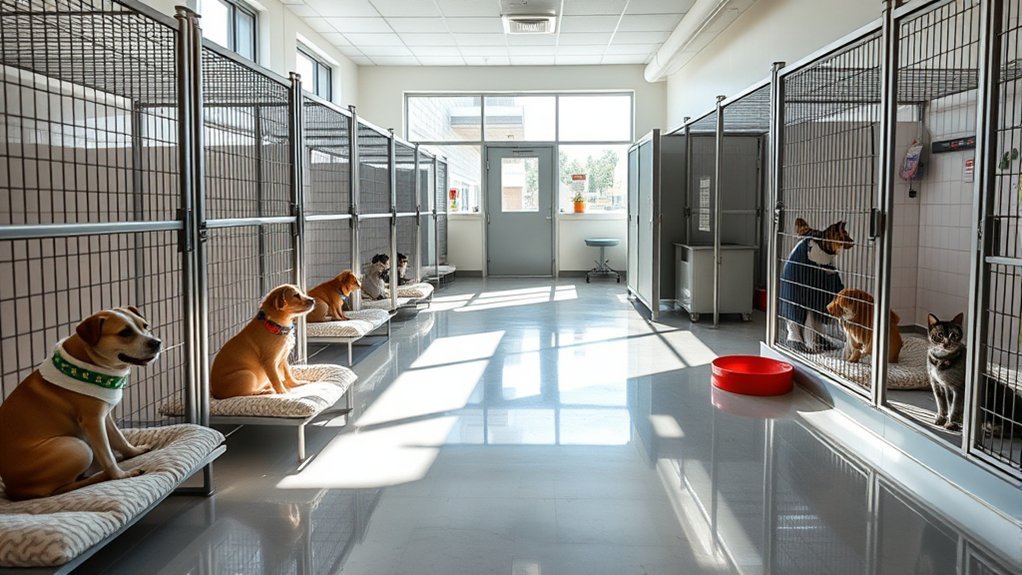
If you’re comparing animal shelters in Broken Arrow, the two local options covered here serve different purposes. Broken Arrow Animal Shelter is the city-operated facility for animal control, intake, and public adoptions, while BARC Broken Arrow Rescue is a volunteer, foster-based dog rescue. Understanding that difference makes it easier to choose where to adopt, foster, volunteer, or seek help.
Quick Answer
For a city shelter with public hours, dogs and cats, and a current $65 adoption fee, start with Broken Arrow Animal Shelter. BARC Broken Arrow Rescue is a separate foster-based dog rescue that places rescued dogs in temporary homes while seeking permanent adopters. Both support local animal welfare in different ways.
Last checked: September 30, 2026. Dates and figures were verified against official sources.
Why Animal Shelters Matter in Your Community
)
Animal shelters give stray, surrendered, and displaced pets a safer place while they wait for an owner, adopter, or rescue placement. They also connect residents with adoption services and help communities manage animal-related concerns.
In Broken Arrow, the municipal shelter operates through the Police Department’s Animal Control division. Animal Control officers also respond to issues such as animals running at large, injured animals, bites, and dangerous-animal complaints.
Adoption and fostering help in another way: moving an animal into a suitable home frees shelter or foster capacity for another pet that needs help. Spaying and neutering adopted animals can also reduce future unwanted litters.
Animal Shelters in Broken Arrow: City Shelter and BARC Rescue
Broken Arrow Animal Shelter and BARC Broken Arrow Rescue are not the same type of organization. The city shelter is a physical municipal facility with published public hours, while BARC operates as a volunteer rescue that relies on foster homes.
| Option | Type | What to Know |
|---|---|---|
| Broken Arrow Animal Shelter | Municipal shelter | Dog and cat adoptions; $65 standard adoption fee |
| BARC Broken Arrow Rescue | Volunteer dog rescue | Uses foster homes while dogs await adoption |
| Stray pets | City shelter intake | Minimum three-day hold before adoption eligibility |
| Owner-surrendered pets | City shelter intake | May become eligible for adoption immediately |
| Fostering | BARC rescue model | Provides temporary home care before permanent placement |
The City of Broken Arrow’s current adoption policy lists a $65 fee. Stray animals must be held for at least three days before they become eligible for adoption, while owner-surrendered animals may be available immediately. Prospective adopters must complete an application and provide valid identification.
The shelter is at 4121 E. Omaha St. Its published public hours are Monday through Friday from 11:30 a.m. to 5:45 p.m. and Saturday from 10:00 a.m. to 3:00 p.m. It is closed Sundays and City holidays.
BARC, short for Broken Arrow Rescue Community, serves a different role. The Best Friends Network profile for BARC describes it as a volunteer dog rescue that places animals in foster homes, provides veterinary care, and has them spayed or neutered before permanent placement. BARC also maintains an official adoption and foster website.
How Adopting a Pet Saves Lives and Creates Space
Adoption moves a shelter or rescue animal into a permanent home and creates capacity for another animal that needs care. For the adopter, it also provides a clearer picture of the pet’s known health, behavior, and shelter or foster history before bringing the animal home.
Each completed adoption creates capacity for the shelter or rescue to help another animal.
- Choose a suitable pet: Consider activity level, size, temperament, housing rules, other pets, and the time you can commit.
- Understand the process: Broken Arrow Animal Shelter requires an application and valid ID, and adoptions are first come, first served on the day an animal becomes available.
- Review the health information: Ask what veterinary care has already been completed and what follow-up your veterinarian recommends.
- Prepare your home: Have food, secure identification, a safe resting area, and a plan for a gradual introduction to family members and other pets.
At the city shelter, the current standard adoption fee is $65. The fee is the same even if the animal was already sterilized before entering the shelter.
Fostering: A Flexible Commitment With a Real Impact
Fostering gives a rescue animal a temporary home while a permanent adopter is found. It can reduce pressure on available shelter space and lets a pet experience normal household routines away from a kennel environment.
BARC is specifically structured around foster homes. Its animals receive veterinary care and stay with foster families until they are ready for permanent placement.
Fostering should not be treated as automatically brief. The amount of time a pet remains in foster care can depend on health, behavior, age, adopter interest, and the availability of an appropriate permanent home.
Before fostering, make sure everyone in your household understands the temporary arrangement. Ask what supplies, veterinary expenses, transportation, training support, and emergency procedures the rescue provides before accepting an animal.
What Health Standards Do Adoptable Pets Meet?
At Broken Arrow Animal Shelter, adoptable animals receive specific veterinary services before leaving the facility. These requirements apply to the city shelter and should not be assumed to be identical at every rescue or shelter.
- All animals are seen by the shelter’s veterinarian before going home.
- Dogs and cats that are old enough are spayed or neutered before leaving the shelter.
- Dogs and cats receive a rabies vaccination.
- Dogs are tested for heartworms and receive the city’s listed 5-in-1 preventive vaccination.
The $65 city adoption fee covers these listed services as part of the adoption process. However, an examination and vaccinations before adoption do not guarantee that a pet will never develop a health problem later.
Note: After adoption, establish care with your own veterinarian and bring all shelter or rescue medical records to the first appointment. Your veterinarian can advise you about future vaccines, parasite prevention, diet, and any condition specific to your pet.
How Shelter and Rescue Partnerships Expand Lifesaving Capacity
Shelters, foster-based rescues, adopters, volunteers, and national animal-welfare networks can accomplish more when they work together. Transfers and foster placements can move animals out of crowded facilities, while coordinated adoption events introduce more pets to potential families.
Why Individual Adoptions Still Matter
For one family, an adoption may mean gaining a companion. For the organization, that same adoption means another animal has successfully left its care and space or foster capacity becomes available again.
- Adoption gives an individual pet a permanent home.
- It reduces the number of animals waiting in shelter or foster care.
- It allows staff or volunteers to redirect time and resources to animals still waiting.
- A successful placement can encourage other residents to consider adopting or fostering.
The best outcome comes from a good match rather than a rushed decision. Ask about the individual animal’s known behavior, medical history, energy level, and needs before committing.
What the 2026 National Pet Month Results Actually Show
Large adoption initiatives show what coordinated shelter work can accomplish, but their results should be attributed accurately. In June 2026, Best Friends Animal Society reported that close to 2,000 dogs and cats were adopted through its nationwide National Pet Month initiative.
More than 400 of those adoptions came from 20 events involving Walmart and local shelters. That figure describes the nationwide event program, not BARC Broken Arrow Rescue alone. The initiative involved 70 shelter and rescue groups as well as national and local partners.
How to Get Involved: Volunteer, Donate, Adopt, or Foster
You can support animal welfare in Broken Arrow even if you are not ready to adopt. The best option depends on how much time, space, and long-term responsibility you can take on.
- Adopt: Choose an animal whose needs fit your household and budget. Review the adoption requirements before visiting.
- Foster: A temporary home can give a rescue dog more individual care while it waits for adoption.
- Volunteer: Ask the shelter or rescue about its current volunteer needs, requirements, and available roles.
- Donate: Money and requested supplies can help cover food, medical care, cleaning supplies, transportation, and other operating costs.
If you cannot take an animal home, sharing verified adoptable-pet information with people you know can also expand an animal’s chance of reaching a suitable adopter.
Frequently Asked Questions
What Is the 3-3-3 Rule for Animals?
The 3-3-3 rule is a flexible adjustment guide: roughly three days to decompress, three weeks to learn routines and build trust, and three months to feel more settled. A humane-society adoption guide describes it as a guideline, not a deadline, so individual dogs may adjust faster or slower.
What’s the Best Animal Shelter in Broken Arrow?
There is no single best option for every adopter. Broken Arrow Animal Shelter is the municipal shelter with public hours and a $65 standard adoption fee, while BARC Broken Arrow Rescue is a volunteer, foster-based dog rescue; choose based on the animal, adoption process, and type of support that fit your household.
What Is the Most Rehomed Dog Breed?
There is no reliable national ranking that proves one breed is the most rehomed. Shelter Animals Count notes that shelter breed labels are often based on physical appearance and may be inaccurate, so local intake and surrender data are more useful than a single nationwide breed claim.
How Do You Know if an Animal Shelter Is Good?
Look for clean housing, transparent policies and fees, appropriate veterinary care, clear adoption paperwork, honest behavior information, and staff who answer questions without pressure. Best Friends explains that 90% is commonly used as a no-kill save-rate benchmark, not as a universal “adoption success rate” or complete measure of shelter quality.
Conclusion
Broken Arrow residents have both a municipal shelter and a foster-based rescue option for helping homeless pets. If you want to adopt, compare the individual animal’s needs with your household first; if adoption is not possible, fostering, volunteering, donating, or sharing adoptable pets can still make a practical difference.
Sources
- City of Broken Arrow — Adoption Information: Current adoption fee, stray hold, veterinary services, ID requirement, and first-come adoption policy.
- City of Broken Arrow — Animal Control: Shelter address, public hours, and Animal Control responsibilities.
- BARC Broken Arrow Rescue: Official adoption and foster resources.
- Best Friends Network — BARC Broken Arrow Rescue Corp: BARC’s foster-based rescue model, veterinary care, and spay/neuter practices.
- Best Friends Animal Society — 2026 National Pet Month Results: Nationwide adoption totals and the source of the 400-plus adoption figure.
- Longmont Humane Society — 3-3-3 Rule: Guidance on the adjustment timeline for adopted dogs.
- Best Friends Animal Society — No-Kill FAQs: Explanation of the 90% save-rate benchmark.
- Shelter Animals Count — Animal-Level Data: Limitations of shelter breed identification data.