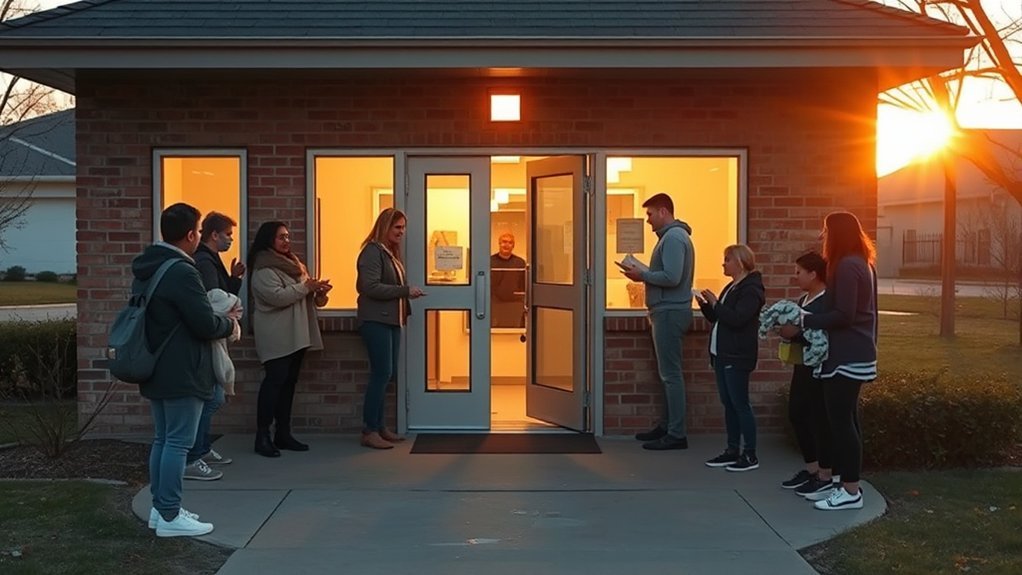
Finding homeless shelter near Broken Arrow can be confusing because food pantries, day centers, emergency shelters, and long-term housing programs serve different purposes. The most reliable first step is to confirm current openings and eligibility before traveling. This guide explains where to call, which verified Tulsa-area providers serve different groups, and what to do when a bed is not immediately available.
Quick Answer
No year-round general emergency shelter inside Broken Arrow could be verified through official local resources as of July 23, 2026. Call 211 Eastern Oklahoma by dialing 211 for current openings, transportation options, food help, and referrals to Tulsa-area shelters.
Key Takeaways
- Call 211 before traveling because bed space, intake times, and eligibility can change.
- The Salvation Army Center of Hope, Tulsa Day Center, and John 3:16 Mission are established Tulsa-area shelter providers.
- Families, youth, domestic violence survivors, older adults, and people with pets may need a specialized program.
- GUTS Church and Broken Arrow Neighbors provide food assistance, but they are not overnight homeless shelters.
Warning: Call 911 when someone is injured, in immediate danger, exposed to life-threatening weather, or unable to care for themselves. For a suicide, mental health, or substance-use crisis, call or text 988.
Key Features of Reliable Homeless Shelters
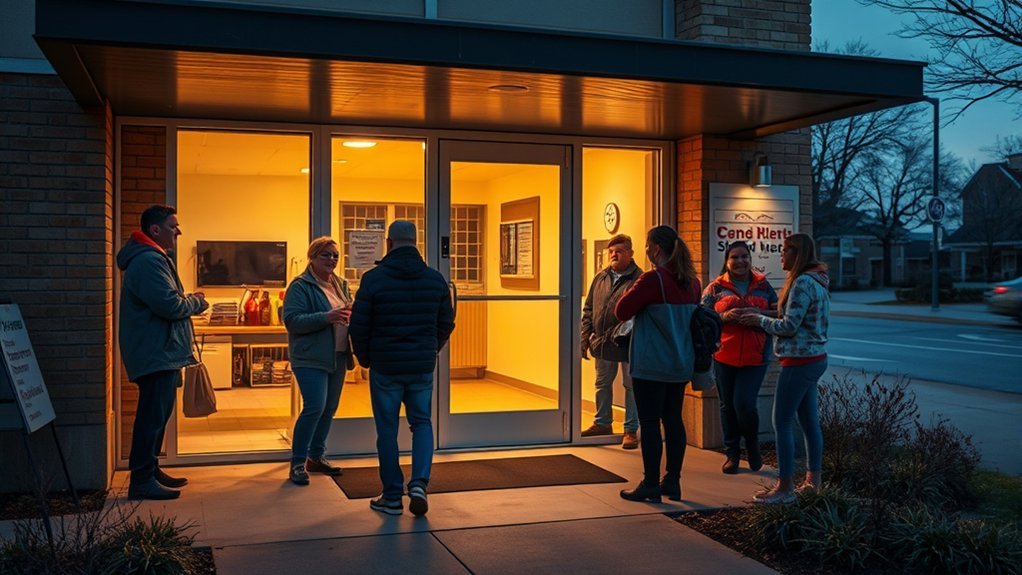
A reliable shelter should clearly explain whom it serves, when intake begins, what rules apply, and whether space is available. Look for practical services such as meals, showers, secure sleeping space, case management, healthcare referrals, and help obtaining identification or applying for housing.
Ask whether the facility accepts families, couples, service animals or pets, people with disabilities, and people of all genders. Also ask about curfews, storage for belongings, medication rules, religious activities, transportation, accessibility, and how residents can report safety concerns. A shelter that cannot meet your needs should be willing to refer you to another provider.
Essential Services Offered by Homeless Shelters
Emergency shelters address immediate safety needs, but many also connect guests to longer-term support. Services vary by provider and may include:
A shelter bed is temporary. Case management, coordinated entry, healthcare, income support, and housing navigation are the services that can help a person move toward stable housing.
- Emergency overnight shelter or a safe daytime place
- Meals, drinking water, showers, laundry, clothing, and hygiene supplies
- Case management and help replacing identification documents
- Medical care, mental health referrals, and substance-use treatment connections
- Employment, benefits, transportation, and housing-navigation assistance
- Eviction prevention, rapid rehousing, transitional housing, or permanent supportive housing referrals
Not every location provides every service. Confirm the program type before you go so you do not mistake a food pantry, drop-in center, recovery program, or permanent housing provider for a walk-in emergency shelter.
Verified Homeless Shelters Near Broken Arrow and Tulsa
Broken Arrow residents are commonly referred to Tulsa-area providers. The following options are verified through official organization websites, but a listing does not guarantee an available bed. Call first whenever possible.
| Provider | Best For | Access and Contact |
|---|---|---|
| Salvation Army Center of Hope 102 N. Denver Ave., Tulsa |
Adults and families needing emergency shelter or meals | Open 24/7/365; official eligibility states that shelter is for anyone who is homeless. Call 918-582-7201. |
| Tulsa Day Center 415 W. Archer St., Tulsa |
Day services, meals, showers, clothing, medical care, case management, and limited overnight shelter | Day services are open to people who need help. Overnight space is limited and targeted to eligible high-risk clients, including older adults. Call 918-583-5588. |
| John 3:16 Mission Downtown Shelter 506 N. Cheyenne Ave., Tulsa |
Emergency shelter, meals, caseworker referrals, and faith-based recovery options | The program is faith-based and includes shelter rules and a nightly chapel service. Call 918-587-1187 for intake details. |
| Family Promise of Tulsa County | Families with children who need temporary apartment shelter, case management, or homelessness prevention | Its apartment shelter program generally serves families for 30 to 90 days and is not a same-night walk-in shelter. Call 918-392-4959. |
| Youth Services of Tulsa | Youth ages 12 to 17 needing emergency shelter; young people ages 16 to 24 needing drop-in or housing support | The adolescent shelter operates 24/7. The Station offers daytime services for youth experiencing homelessness. Call 918-582-0061. |
| DVIS Emergency Shelter | Adults and children escaping domestic or sexual violence | Confidential emergency shelter and advocacy for survivors of all backgrounds. Call the 24-hour crisis line at 918-743-5763. |
Note: GUTS Church offers free Friday groceries, not overnight shelter. A local walk-in shelter called “Thrive Supportive Housing” could not be verified through official Tulsa-area resources. Similar names may refer to permanent housing services or out-of-state programs, so confirm the provider through 211 before traveling.
How Can You Access Support From Homeless Shelters?
Start with 211 Eastern Oklahoma. Dial 211 at any time or text your ZIP code to 877-836-2111 during text-service hours. A resource specialist can check current shelter options, food programs, transportation, healthcare, and prevention assistance based on your location and household.
- Explain your immediate situation: Say where you are, who is with you, whether anyone is under 18, pregnant, elderly, disabled, fleeing violence, or traveling with a service animal or pet.
- Ask about availability and intake: Confirm whether beds are open, when intake starts, and whether transportation is available.
- Call the provider directly: Shelter capacity and rules can change faster than online listings.
- Request outreach when needed: For a person living outside in Tulsa County, submit the official Housing Solutions street outreach request. Call 911 for an emergency.
Pro Tip: Call before making a long trip. Ask the worker to repeat the address, intake time, age or family restrictions, pet policy, required documents, and the backup option if the shelter is full.
Eligibility Criteria Overview
Eligibility depends on the program. The Salvation Army Center of Hope states that anyone who is homeless may seek shelter, while programs such as Family Promise and Youth Services serve specific household or age groups. Domestic violence shelters use confidential screening for survivor safety, and housing programs may require a coordinated-entry assessment.
- Household type: Individual adult, couple, family with children, or unaccompanied youth
- Age: Some programs are limited to minors, young adults, older adults, or adults only
- Safety need: Domestic violence, medical vulnerability, dangerous weather, or another urgent risk
- Program fit: Emergency shelter, recovery housing, transitional housing, or permanent supportive housing
- Capacity: Meeting eligibility rules does not guarantee an immediate opening
Required Documentation Checklist
Do not assume you will be refused emergency help because you lack paperwork. Requirements vary, and some providers can help replace documents. Bring the following items only when they are available and safe to carry:
| Helpful Item | Why It May Help | Important Note |
|---|---|---|
| Photo ID | Identity checks, benefits, employment, or housing applications | Ask for document-replacement help if it is lost or stolen. |
| Social Security number or card | Benefits and some housing applications | Do not display or share it except with authorized staff. |
| Medication and prescription information | Safe medication storage and continuity of care | Keep medicine in its labeled container when possible. |
| Children’s documents | School, childcare, benefits, or family-program enrollment | Ask what the family program specifically requires. |
| Income, benefit, eviction, or lease records | Prevention, rental assistance, or housing assessment | These are more common for housing aid than same-night shelter. |
Available Support Services
Shelter staff may connect you to the Tulsa County Coordinated Entry System, which uses a standard assessment to match eligible people with available housing programs. The system can include diversion, temporary housing, rapid rehousing, or permanent supportive housing, but neither housing nor services are guaranteed. You can begin through a participating homeless-service provider listed in the Housing Solutions homeless services directory.
Other support may include meals, medical care, mental health counseling, substance-use treatment, job assistance, disability benefits, veteran services, eviction prevention, legal referrals, and help replacing identification documents.
Evaluating Shelter Safety and Inclusivity
Ask direct questions before intake so you know whether the shelter can safely meet your needs:
- Is staff present overnight, and how are conflicts or threats handled?
- Are sleeping areas separated or arranged safely for families and individuals?
- Does the facility accommodate wheelchairs, service animals, medications, and other disability needs?
- What are the policies for couples, transgender guests, LGBTQ+ guests, and families with older children?
- Are religious services required, optional, or part of the program schedule?
- Can you store belongings, charge a phone, receive mail, or keep important documents secure?
- Is there a grievance process if you feel unsafe or unfairly treated?
Online reviews can provide context, but they should not replace a direct call to the provider or 211. Shelter conditions, leadership, and capacity can change, and confidential programs may have little public information for safety reasons.
Additional Resources for Homeless Shelter Support
People who do not need an overnight bed may still need food, prevention assistance, transportation, medical care, or a path into housing. Broken Arrow and Tulsa County have separate programs for these needs.
Local Food Assistance Programs
- Broken Arrow Neighbors: Appointment-based food pantry for qualifying clients in Broken Arrow and Coweta. Call 918-251-7781 or use the appointment email listed on its official page.
- GUTS Church Friday Groceries: Free grocery distribution in Tulsa on Fridays from 9:30 to 10:30 a.m. Check the official page before traveling because schedules can change.
- 211 Eastern Oklahoma: Referrals to nearby food pantries, hot meals, SNAP assistance, and emergency food programs based on your ZIP code.
Transitional Housing Options Available
Temporary and supportive housing are different from same-night shelter. Family Promise provides short-term apartment shelter for eligible families. Youth Services offers housing support for young people. Tulsa Day Center and other A Way Home for Tulsa partners provide rapid rehousing or permanent supportive housing for people who meet program requirements.
Access usually begins with an intake and coordinated-entry assessment. A waiting list may apply, and a referral does not guarantee immediate placement. Keep your phone number and contact information current so a provider can reach you when an opening becomes available.
Volunteer Opportunities Nearby
Contact the organization before arriving. Shelters often require registration, orientation, age limits, background checks, or scheduled group shifts. Useful roles may include serving meals, sorting clothing, preparing move-in kits, helping with donation drives, or providing professional skills.
For material donations, use the provider’s current needs list. Shelters may have limited storage and may not be able to use unsorted clothing, expired food, opened hygiene products, or items that create safety concerns.
How You Can Get Involved and Support Local Shelters
You can make the greatest impact by supporting verified providers in the way they request. Donate money through an official website, purchase items from a current needs list, volunteer through an approved program, or fund transportation, identification replacement, medical care, and move-in supplies.
You can also support homelessness prevention. Rent, utility, legal, food, and childcare assistance can help a household avoid losing housing in the first place. When you encounter someone outside who needs help, ask whether they want assistance, respect their answer, and use 211 or the Housing Solutions outreach form rather than publishing their photo or location online.
Frequently Asked Questions
What is the best homeless shelter near Broken Arrow?
The best option depends on age, household type, safety needs, disability access, pet needs, and current bed availability. Call 211 first. The Salvation Army Center of Hope is a broad emergency-shelter option, while Family Promise, Youth Services, DVIS, and Tulsa Day Center serve more specific needs.
Does Broken Arrow have a homeless shelter?
No year-round general emergency shelter inside Broken Arrow city limits could be verified through official local resources as of July 23, 2026. Broken Arrow residents are commonly connected to Tulsa-area shelters. Dial 211 for the most current referral and transportation information.
What is most needed at homeless shelters?
Needs change by season and provider. Common requests include new socks and underwear, towels, athletic shoes, hygiene products, weather-appropriate clothing, transit support, and move-in supplies. Check the shelter’s official needs list or call before donating.
Is Broken Arrow, OK, a safe place to live?
Safety depends on the neighborhood, time, and personal situation, so a broad claim cannot guarantee anyone’s safety. Call 911 for an immediate threat. For a non-emergency welfare concern in Broken Arrow, call police dispatch at 918-259-8400. People needing shelter or social services should start with 211.
Can I get emergency shelter without an ID?
Possibly. Documentation rules vary, and some emergency providers can begin assistance or help replace lost identification. Do not delay asking for help. Tell 211 and the shelter exactly which documents you have.
Are pets allowed in Tulsa homeless shelters?
Policies vary. Tulsa Day Center has limited pet accommodation, while other shelters may accept only service animals or use outside boarding partners. Call before arrival and explain the animal’s type, size, vaccination status, and whether it is a trained service animal.
What should I do if every shelter is full?
Call 211 again and ask about overflow shelter, warming or cooling centers, transportation, outreach, and the next intake time. During dangerous weather, check official city and Housing Solutions updates. Call 911 when exposure or a medical condition creates an immediate danger.
Conclusion
Finding the right help near Broken Arrow starts with identifying the service you actually need: emergency shelter, food, crisis protection, youth or family housing, outreach, or long-term housing support. Dial 211 first, call the provider before traveling, and use 911 or 988 for urgent safety or crisis situations. Verified local organizations can then guide you toward the safest available next step.
Sources
- 211 Eastern Oklahoma — 24/7 referral access for shelter, food, housing, healthcare, and other social services.
- Housing Solutions Tulsa Homeless Services Directory — coordinated entry, outreach, housing access, and partner services.
- City of Broken Arrow: Giving That Makes Cents — local welfare-check and shelter-transport information.
- Salvation Army Center of Hope — current emergency-shelter hours, contact details, services, and eligibility.
- Tulsa Day Center Get Help — day services, medical care, case management, and limited overnight-shelter information.
- John 3:16 Mission Shelter and Meals — emergency shelter, meals, rules, caseworker connections, and recovery services.