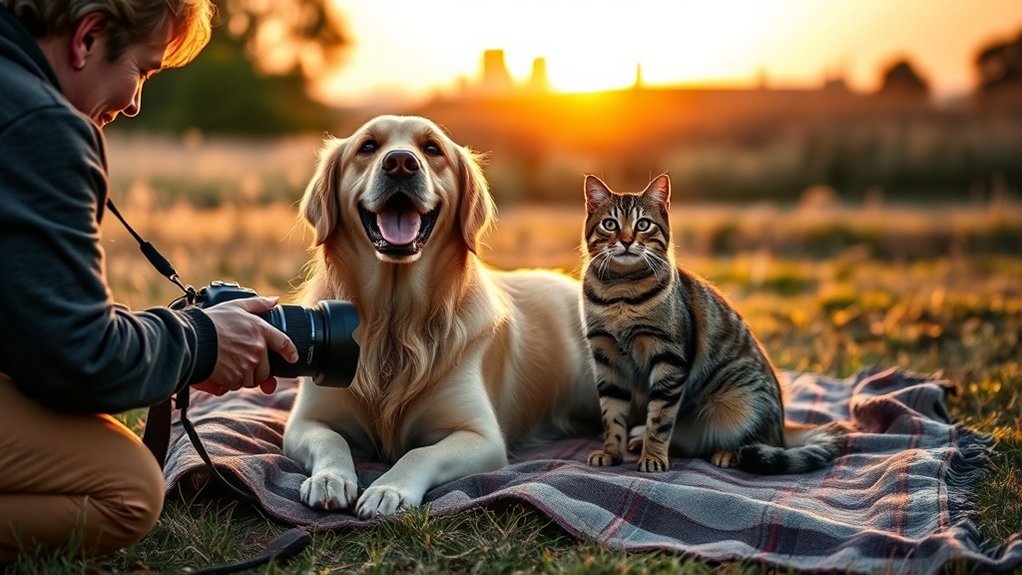
Finding the right pet photographers in Oklahoma City is about more than choosing someone with a good camera. The best fit understands animal behavior, works patiently, and offers a portrait style that matches how you want to remember your pet. Before booking, compare portfolios, session structure, location options, finished products, and the full cost.
Quick Answer
Choose an Oklahoma City pet photographer whose portfolio matches your preferred style and who is comfortable working with your pet’s temperament. Ask what the booking fee covers, whether digital files or prints cost extra, how outdoor safety is handled, and what happens if your pet needs breaks or will not pose.
Last checked: September 30, 2026. Dates and figures were verified against official sources.
Key Takeaways
- A pet-specialist photographer should be able to read stress signals and adapt rather than force a pose.
- Session fees, artwork credits, digital files, prints, and ordering appointments can be priced separately, so compare the total package.
- For outdoor sessions in Oklahoma City, keep dogs leashed unless you are in an approved off-leash area and plan around heat and distractions.
- Familiar locations, favorite rewards, breaks, and realistic expectations usually produce more natural expressions.
Why Choose a Professional Pet Photographer?
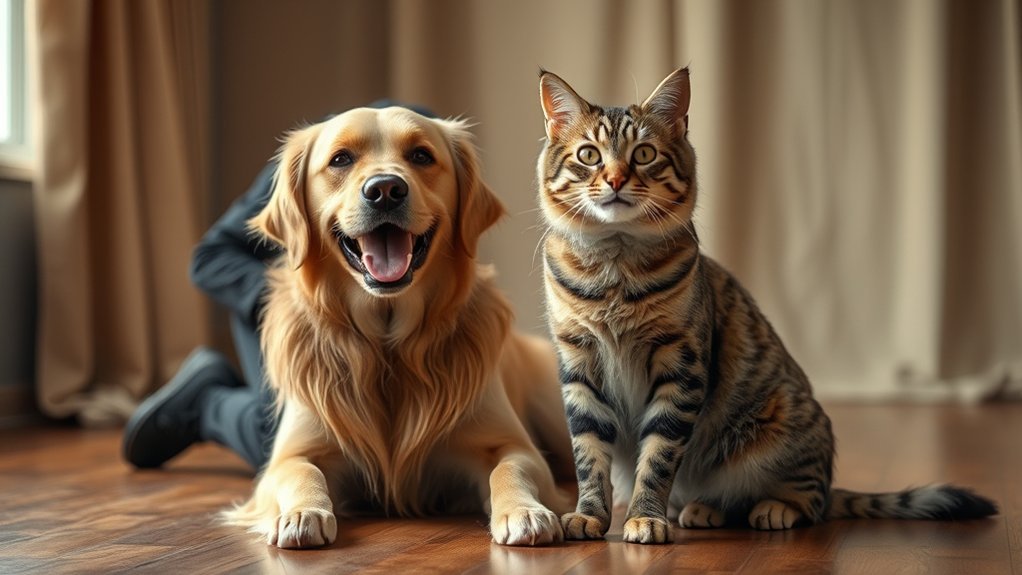
A professional pet photographer brings two skills together: photography and the ability to work around an animal’s behavior. That matters because a technically perfect pose is not useful if your pet is frightened, distracted, or uncomfortable.
Professional Photographers of America emphasizes learning animal body language, recognizing behavioral cues, and helping a pet feel calm before photographing it. Its guidance on understanding animal behavior during pet photography also highlights patience as a core part of the process.
A specialist can also plan lighting, backgrounds, lenses, shutter speed, and positioning around your pet rather than expecting the animal to behave like a human portrait subject. Review complete galleries, not just a few standout images. Look for consistent focus, natural expressions, detail in dark or light fur, and experience with pets similar to yours.
How to Prepare Your Pet for a Photoshoot
Prepare your pet for a photoshoot by keeping the day familiar and giving the photographer useful information in advance. Your goal is not to exhaust your pet or make them behave perfectly; it is to arrive with an animal that feels safe and can engage for short periods.
- Discuss temperament first: Tell the photographer about fear, reactivity, mobility problems, noise sensitivity, favorite rewards, and reliable commands.
- Use appropriate exercise: A normal walk or play session can take the edge off excess energy, but avoid unusually hard exercise just to make your pet tired.
- Bring favorite rewards: Pack treats or toys your pet already enjoys. Tell the photographer about allergies or food restrictions.
- Keep familiar equipment: Bring the collar, harness, leash, water bowl, and other items your pet normally uses.
- Allow settling time: Give a nervous pet time to sniff and explore instead of immediately asking for poses.
- Watch body language: If your pet becomes stressed or fatigued, stop and take a break rather than pushing for another shot.
The American Kennel Club’s dog-photography guidance similarly recommends choosing a place where the dog feels comfortable, making the session enjoyable, and stopping when stress or fatigue appears.
What to Look for in a Pet Photography Session?
A good pet photography session should have a clear plan but enough flexibility for the animal. Before paying a reservation fee, ask how the photographer handles breaks, nervous pets, multiple animals, bad weather, leashes, image selection, and final delivery.
Session Preparation Essentials
Start with the photographer’s portfolio and process. A strong portfolio should show more than one breed, coat color, age, or personality if the photographer claims broad pet experience.
- Pet experience: Ask how often they photograph animals and how they respond when a pet will not sit or look toward the camera.
- Photography style: Decide whether you prefer studio portraits, environmental outdoor images, action photographs, or relaxed lifestyle pictures.
- Session pace: Find out whether time for sniffing, play, water, and breaks is built into the session.
- People in the photos: Ask whether owners, children, or multiple pets can join some portraits.
- Deliverables: Confirm how many images are included, whether they are high resolution, and whether prints or albums cost extra.
- Usage rights: Ask what you are allowed to print, share, or publish and whether a print release is included.
Choosing the Right Environment
The right environment is one where your pet can stay reasonably comfortable and safe. A studio offers controlled lighting and fewer weather problems, while a home or outdoor location can produce a more familiar, natural setting.
For dogs photographed outdoors in Oklahoma City, remember that city rules generally require them to be confined or leashed outside approved off-leash areas. The City of Oklahoma City explains its leash requirement and notes that dog parks are limited exceptions.
A leash does not automatically ruin a portrait. An experienced photographer can position it discreetly and may be able to remove it from selected finished images. Safety should come before getting an unobstructed frame.
Best Times of Year for Pet Photography
There is no single best season for every pet. In Oklahoma City, your pet’s comfort, the type of portrait you want, and the time of day often matter more than choosing a particular month.
- Spring and fall: These can work well for outdoor portraits when temperatures are comfortable and you want natural color in the background.
- Summer: Choose cooler parts of the day and watch surfaces, shade, hydration, and signs of heat stress.
- Winter: Short outdoor sessions can work for pets comfortable in cooler weather, while studios and in-home sessions remove most weather concerns.
- Puppy or kitten stage: Photographing early life preserves details that change quickly as the animal grows.
- Senior or memorial sessions: Do not wait for a perfect season if your priority is documenting an aging or seriously ill companion.
For warm-weather sessions, the American Veterinary Medical Association recommends cooler hours, shade, fresh water, frequent breaks, and avoiding hot surfaces. Reschedule if conditions are unsafe for your pet.
For flattering outdoor light, early morning and late afternoon are popular choices. Golden-hour light is softer than harsh midday sun and can add warm color, although shade can also work very well.
Local Pet Photographers: Unique Styles to Explore
Oklahoma City pet photographers offer different approaches, so compare the actual portfolio and process rather than choosing by price alone. Some focus almost entirely on animals, while others combine pets with family and general portrait work.
Kelly Sherman Photography describes its work as serving pets and their people in Oklahoma City and surrounding areas. Its portfolio includes multiple dog breeds and pet portraits, making it useful for evaluating a pet-focused style.
OKKat Photography, operated by Kathy Thompson, offers a pet-focused studio process that begins with a meet-and-greet. The planning process can cover location, props, colors, artwork, and how an animal responds to the studio environment.
Do not assume every photographer appearing in an Oklahoma City marketplace search is actually local. Confirm the photographer’s current base, travel area, availability, and travel fees before booking.
Tips for Capturing the Perfect Pet Portrait at Home
You can create a much better pet portrait at home by improving light, camera position, background, and timing. You do not need professional equipment if you pay attention to those basics.
Capturing your pet’s personality at home can be a joyful experience with the right techniques and a little creativity.
- Use window light: Place your pet near a bright window without direct, harsh sunlight across the face.
- Get to eye level: Lowering the camera makes the portrait feel more personal and gives the pet more presence in the frame.
- Focus on the eyes: Sharp eyes usually matter more than making every part of the animal equally sharp.
- Clean the background: Move distracting objects before you start rather than trying to remove everything later.
- Use familiar rewards: Hold a treat or favorite toy near the camera to guide attention without repeatedly calling your pet’s name.
- Work in short bursts: Take several frames, pause, reward your pet, and stop before frustration sets in.
If your phone has portrait mode, experiment with it, but also take standard photos. Fine fur around ears and whiskers can sometimes confuse automatic background blur.
Pet Photography Packages Explained
Pet photography pricing is not standardized. One photographer may charge mainly for the session and digital gallery, while another may use a smaller reservation fee followed by a separate artwork purchase.
Package Options Available
Read the package description carefully so you know what you are buying. A low session fee does not necessarily mean the final order will be inexpensive, and a higher upfront fee may include finished products or credits.
- Session-only fee: Pays for the photographer’s time but may not include final images.
- All-inclusive session: Usually combines the shoot with a stated number of edited digital images.
- Full-service portrait session: May include consultation, photography, an ordering appointment, and separate wall art or album purchases.
- Mini session: Offers a shorter time slot and fewer final images, often with less flexibility.
- Studio or on-location session: Travel, special locations, or multiple locations may affect the total cost.
Pricing Structures Explained
Current Oklahoma-area portrait pricing shows why a single “$100 to $500” estimate is too broad to be dependable. Different studios structure the purchase very differently.
For example, OKKat Photography currently lists a $50 reservation for its meet-and-greet and a $700 reservation for the full session; those amounts are described as credits toward later purchases. Josh Dean Photography, which includes pet portraits among its portrait services, states that most portrait clients invest between $700 and $3,500, with no minimum order requirement.
Before booking, ask for the complete pricing information in writing. Confirm the reservation amount, cancellation or rescheduling terms, number of edited files, print prices, album or wall-art costs, travel charges, sales tax, and whether the quoted amount includes high-resolution downloads.
The Benefits of Using Natural Light in Pet Photography
Natural light can make pet portraits look soft and realistic, especially when it comes from a large window, open shade, or low-angle sunlight. It also lets you photograph many pets without introducing unfamiliar flashes or lighting equipment.
- Softer shadows: Open shade or indirect window light can reduce harsh contrast across a pet’s face.
- Natural fur color: Balanced daylight can make coat color easier to reproduce accurately.
- Catchlights: Windows and open sky can create bright reflections in the eyes that add life to a portrait.
- Less equipment: A simple setup can be less distracting for an animal that is nervous around stands, flashes, or unfamiliar sounds.
Natural light is not automatically better than studio lighting. A skilled pet photographer can use either method successfully. What matters is controlling the direction, intensity, and quality of the light while keeping the animal comfortable.
How to Preserve and Display Your Pet’s Photos
Preserve pet photographs by keeping both reliable digital copies and well-made physical prints. Do not rely on a social-media account or one phone as your only archive.
Keep the original high-resolution files supplied by your photographer and back them up in more than one place. If the photographer provides printing instructions or a print release, save those documents with the image files.
For display, choose frames, albums, canvas, or other products that suit the image and your home. Avoid hanging valuable prints where they receive strong direct sunlight for long periods, because prolonged light exposure can contribute to fading.
A small album works well for a full session, while one or two larger prints can highlight favorite portraits. You can also build a chronological collection that follows your pet from puppy or kitten photographs through adulthood and senior years.
Frequently Asked Questions
What Is the 80/20 Rule in Photography?
The 80/20 rule is not a formal photography composition rule. Photographers sometimes apply the broader Pareto principle to their workflow, meaning a relatively small share of decisions or effort may produce much of the final improvement. For composition, established ideas such as the rule of thirds are more directly relevant.
How Much Does a Pet Photoshoot Cost in Oklahoma City?
There is no single standard price for an Oklahoma City pet photoshoot because photographers package their services differently. Current local examples range from reservation-and-artwork-credit models to portrait experiences in which clients spend substantially more. Compare the total price for the session, digital images, prints, products, travel, and taxes rather than the booking fee alone.
Who Is the Most Famous Dog Photographer?
There is no objective single “most famous” dog photographer. Seth Casteel is one of the best-known contemporary pet photographers because of his underwater dog images and the bestselling books Underwater Dogs and Underwater Puppies. Penguin Random House describes Casteel as an award-winning photographer whose animal work has appeared in major media.
Who Is a Famous Animal Photographer?
Elliott Erwitt is a notable photographer closely associated with candid photographs of dogs. Smithsonian Magazine documented Erwitt’s extensive canine photography, including the hundreds of dog photographs collected in his book DogDogs.
Can My Dog Stay on a Leash During a Professional Photo Session?
Yes. A dog can stay on a leash throughout a professional photo session, and in many Oklahoma City public spaces it must. Safety matters more than hiding the leash during the shoot, and some photographers can reduce or remove a visible leash later in selected edited portraits.
What If My Pet Will Not Sit Still for Photos?
Your pet does not need to sit perfectly for every photograph. Experienced pet photographers can use movement, treats, toys, sounds, short pauses, and candid interactions to create useful images. Tell the photographer about your pet’s behavior before the session so the plan does not depend on unrealistic posing.
Conclusion
The right pet photographer should make both you and your animal feel comfortable while producing the style of photographs you want to keep. Compare portfolios, animal-handling experience, complete pricing, location rules, and final products before booking, then prepare familiar treats, equipment, and realistic expectations for the session.
Sources
- Kelly Sherman Photography: Oklahoma City service area and pet-photography portfolio.
- OKKat Photography: full-service pet session structure and current reservation pricing.
- Professional Photographers of America: animal behavior and stress-aware pet photography.
- American Kennel Club: pet comfort, body language, lighting, and dog-photography techniques.
- City of Oklahoma City: leash and confinement requirements.
- American Veterinary Medical Association: warm-weather exercise and pet safety guidance.
- Penguin Random House: Seth Casteel biography and published works.
- Smithsonian Magazine: Elliott Erwitt and his extensive dog photography.