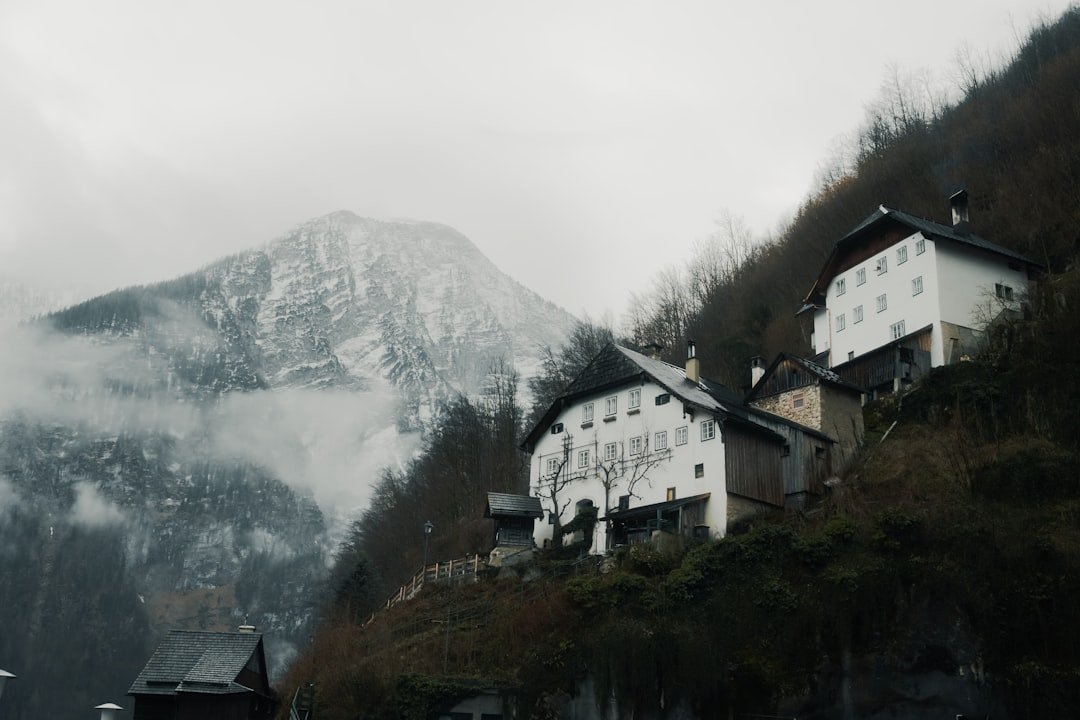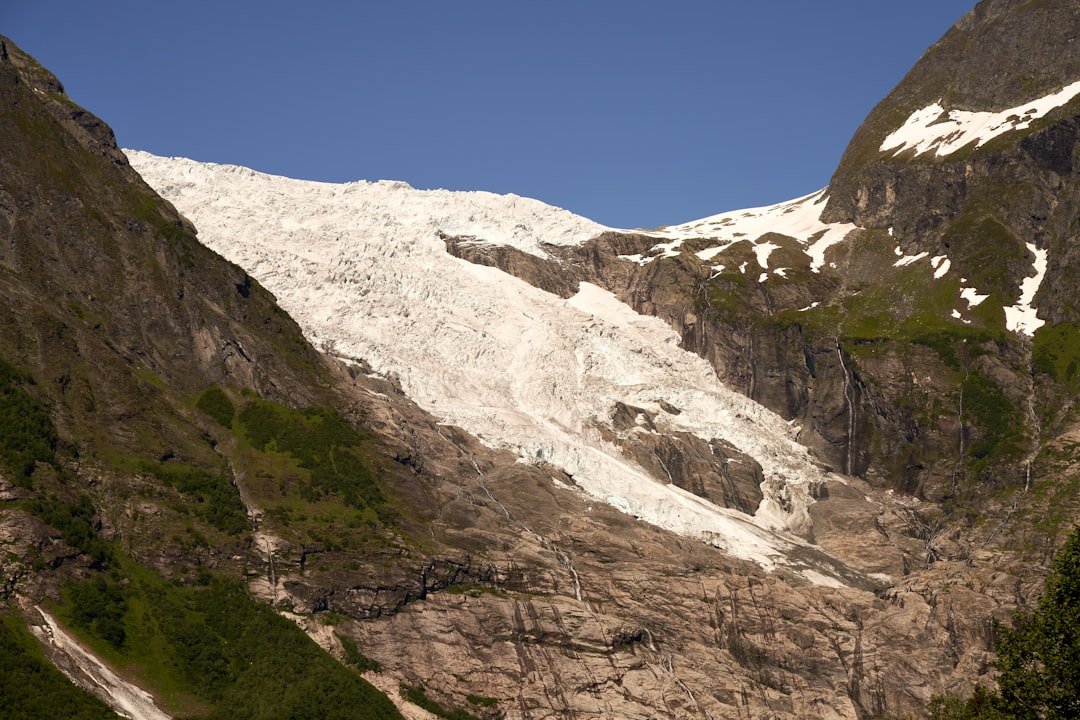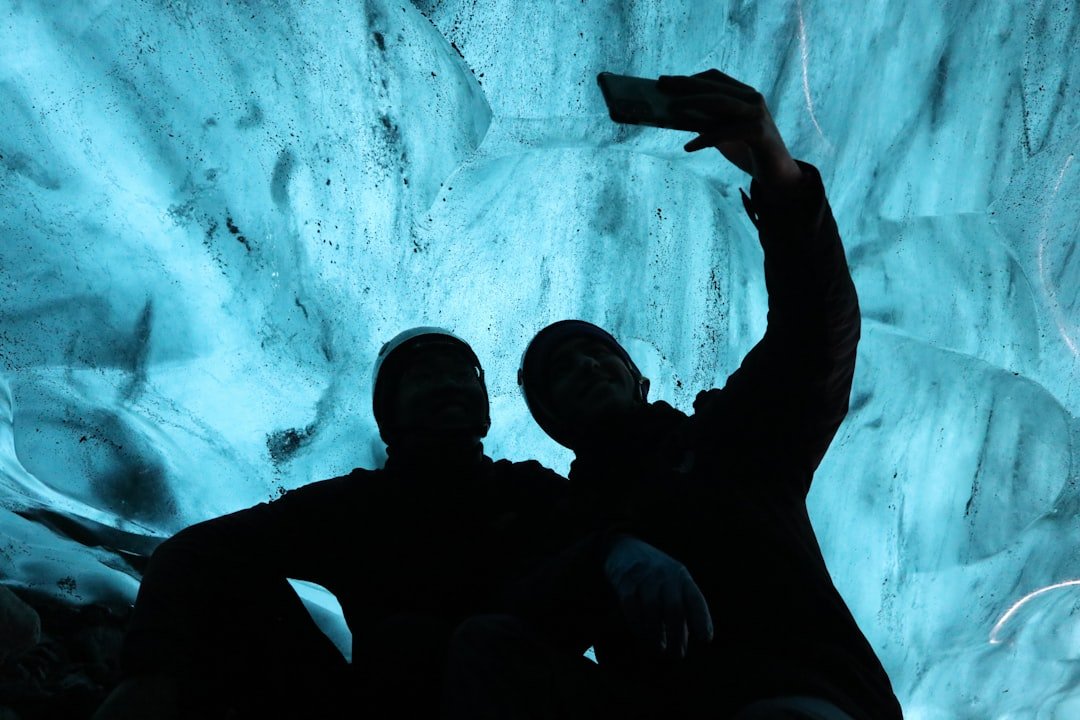
The TITLIS Glacier Cave gives you a rare chance to walk inside glacier ice high above Engelberg in Central Switzerland. At the TITLIS summit station, around 3,020 metres above sea level, a 150-metre passage leads roughly 10 metres beneath the glacier surface. The turquoise-lit ice, narrow curves and textured walls also make the cave one of the most distinctive photography stops on Mount Titlis.
Quick Answer
For the best Titlis Glacier Cave photos, concentrate on the blue-lit ice walls, curved sections of the 150-metre passage and close-up ice textures. Allow about 10 minutes for the cave itself, wear footwear with good grip, protect bright ice highlights when exposing your photos, and check the official TITLIS live status before travelling.
Key Takeaways
- The official Glacier Cave walkway is about 150 metres long and sits roughly 10 metres below the glacier surface.
- TITLIS says some of the ice inside the glacier is up to 5,000 years old.
- Allow about 10 minutes for the cave, plus extra time for photography and nearby summit attractions.
- The Glacier Cave and TITLIS Cliff Walk are included with an Engelberg-TITLIS return ticket; the Ice Flyer requires a separate ticket.
- The Ice Flyer round trip takes about five minutes, while the Rotair completes a full rotation during its roughly five-minute summit leg.
- Glacier Cave access can close temporarily because of conditions, so check the official live-facilities page on the day of your visit.
At a Glance
| Cave Visit Time | About 10 minutes, plus extra time for photos |
| Altitude | About 3,020 metres at the TITLIS summit station |
| Difficulty | Short walk, but expect cold, potentially slippery surfaces and stairs |
| What to Bring | Warm layers, shoes with good grip, and a phone or camera suitable for low light |
| Cave Cost | Included with the Engelberg-TITLIS return ticket. As of August 2026, the published adult return fare is CHF 102; prices can change. |
The Glacier Cave takes you along a 150-metre walkway approximately 10 metres below the glacier surface, through ice that TITLIS says can be up to 5,000 years old.
Inside the TITLIS Glacier Cave
The Glacier Cave is an excavated passage through the glacier rather than a separate “Ice Palace.” According to TITLIS Cableways, the route extends for about 150 metres at roughly 10 metres beneath the glacier surface.
Inside, turquoise-blue illumination reveals layers, bubbles, cracks and textures in the ice. Instead of expecting a conventional gallery filled with permanent animal sculptures and carvings, concentrate on the glacier itself. The changing ice is the main visual attraction.
TITLIS recommends allowing about 10 minutes to walk through the cave. Photographers may want longer, especially when the passage is quiet enough to stop briefly without blocking other visitors.
Note: TITLIS normally lists the Glacier Cave as a year-round attraction, but temporary closures can occur because of heat, weather or operating conditions. Check the official live-facilities page on the day you travel.
Getting to the Glacier Cave from Engelberg
Your trip starts in Engelberg. Take the TITLIS Xpress toward Stand via Trübsee, then transfer at Stand to the TITLIS Rotair for the final ascent to the summit station. TITLIS says the complete mountain-railway trip from Engelberg to the summit takes about 30 minutes under normal operating conditions.
The Rotair is part of the attraction itself. The TITLIS Rotair completes one full rotation during the roughly five-minute final journey, giving passengers changing views of the surrounding glacier, rock faces and mountains.
Once at the summit, follow the marked signs for the Glacier Cave. Current TITLIS visitor information says the Glacier Cave requires stairs and is not accessible with wheelchairs or pushchairs. Access arrangements can also change during construction work at the summit.
Best Photo Spots in the Titlis Glacier Cave
The most useful photo locations are not fixed sculptures. They are the sections where the shape, colour and texture of the glacier become especially visible.
1. Curved sections of the blue ice passage
A bend in the walkway can give your photograph more depth than shooting directly at a flat wall. Position the curve so that the passage leads the viewer’s eye into the frame. If another visitor is farther ahead, the person can also provide a useful sense of scale.
2. Textured ice walls
Move closer to the ice where stopping is safe and permitted. Look for trapped bubbles, lines, cracks and variations in transparency. These details often produce stronger photographs than a wide shot containing too many people.
3. Blue-lit tunnel views
The cave’s turquoise-blue light is one of its defining visual features. Try a wider composition that includes both the floor and walls so the photograph communicates that you are actually inside the glacier rather than simply looking at a block of ice.
4. Reflections and contrast
Wet or polished-looking sections of ice can reflect nearby illumination. Watch for bright highlights, however. A phone or camera may make the brightest ice nearly white if the exposure is too high.
5. A person for scale
Including a companion near the middle or far end of the passage can show the scale of the tunnel. Ask them to remain still for a moment if the light is low, and stay out of the way of other visitors.
Pro Tip: Tap the brightest ice on your phone screen and slightly reduce exposure if the image looks washed out. Night mode can help in darker sections, but hold the phone steady and avoid stopping where you block the narrow passage.
Walking Around the Summit and Glacier Area
There is no need to book the guided “Glacier Walk” described in the original version of this article. Instead, use the official open visitor routes around the summit and follow current signs and staff instructions. Snow and glacier conditions can change, so do not step beyond barriers or onto unmarked glacier terrain simply to get a photograph.
The area immediately around the summit provides a strong contrast to the enclosed cave. Depending on visibility, you can photograph snowfields, glacier terrain and surrounding Alpine peaks before or after entering the cave.
TITLIS staff also highlight summit photo locations such as the “3020 Titlis” point and the viewing area with the “I ❤️ Titlis” sign. These outdoor locations can add wide mountain panoramas to the tighter blue-ice photographs you take inside the cave.

The Ice Flyer: Views Across the Glacier
The Ice Flyer is a six-seat glacier chairlift that carries passengers above snowfields and crevasses. In winter it serves summit ski terrain, while during its summer operating period it provides access to the Glacier Park.
| Type | 6-seater glacier chairlift |
| Altitude Range | Approximately 2,860 to 3,033 metres |
| Round-Trip Time | About 5 minutes |
| Main View | Snowfields and glacier crevasses below the chairlift |
| Adult Price | CHF 12 as published in August 2026; separate from the standard Engelberg-TITLIS return ticket |
The open chairlift gives photographers a very different perspective from the cave. Rather than trying to photograph wildlife or expecting guided commentary, concentrate on the glacier crevasses, snow patterns and wider mountain landscape. Keep your phone or camera secured while riding.
The Titlis Cliff Walk: A High-Altitude Photo Stop
The TITLIS Cliff Walk sits at 3,041 metres above sea level. TITLIS describes it as Europe’s highest suspension bridge. The crossing is around 150 steps and connects across the south face toward the upper Ice Flyer area.
The bridge gives you an exposed mountain perspective that the Glacier Cave cannot provide. On a clear day, wide shots can include the bridge structure, steep terrain and Alpine backdrop. For a stronger composition, photograph along the length of the bridge rather than pointing the camera straight down.
The Cliff Walk is included with the return ticket from Engelberg to TITLIS. It is normally open year-round, but weather and operating conditions can affect access. Current visitor information also states that the Cliff Walk requires stairs and is not accessible with wheelchairs or pushchairs.
Warning: TITLIS is above 3,000 metres. Some unacclimatized visitors can develop headache, dizziness, nausea or unusual fatigue at high altitude. Move at a comfortable pace and take symptoms seriously. The cave and surrounding snow or ice can also be slippery, so use footwear with good traction and follow all barriers and staff instructions.
The Glacier Park: Seasonal Snow Activities

The Glacier Park is a seasonal snow-play area rather than a year-round centre for ice climbing and snowshoeing. TITLIS lists activities such as snow tubing, Snake Gliss, Balancer and Zipfelbob.
For the published 2026 summer season, TITLIS scheduled the Glacier Park from May 29 to July 15, depending on snow and weather. The park is reached via the Ice Flyer, so access requires an Ice Flyer ticket in addition to the mountain-railway ticket. Use of the Glacier Park equipment itself is listed as free once you reach the park.
Because snow conditions determine the operating season, do not assume the Glacier Park will be available simply because you are visiting TITLIS in summer. Check current facilities before building it into your itinerary.
The Titlis Rotair: A 360-Degree Mountain View
The TITLIS Rotair is the revolving aerial cableway used for the final leg from Stand to the TITLIS summit. According to TITLIS, the ride takes about five minutes and the cabin completes one full rotation during the journey.
That rotation means you do not need to remain on one particular side of the cabin for the entire trip. Keep your camera ready as the perspective changes from rock faces and valleys to glacier terrain and high Alpine peaks.
If reflections appear in the windows, hold the camera closer to the glass without touching or obstructing it. A dark jacket behind the camera can sometimes reduce reflections in the photograph.
Tips for Visiting and Photographing the Titlis Glacier Cave
Dress for the summit, not Engelberg
Conditions around 3,020 metres can be dramatically colder than in Engelberg. Wear layers and bring a warm outer layer even if the valley feels mild. Shoes with a stable sole and good grip are especially useful on cold or slippery surfaces.
Check weather and live facilities before leaving
Do not rely only on a general statement that an attraction operates year-round. Heat, wind, storms, maintenance and other operating conditions can cause short-notice closures. Check the official TITLIS weather and live-facility information shortly before travelling.
Give your camera time to adjust
Moving between cold indoor ice, outdoor snow and warmer enclosed areas can lead to condensation on lenses. Keep the lens cap on while changing environments if condensation begins to form, and avoid repeatedly wiping a wet lens with clothing.
Protect highlights in the ice
Blue ice can contain very dark and very bright areas in the same frame. If your phone allows exposure adjustment, reduce it slightly when the brightest areas turn featureless white. You can usually brighten shadows later more easily than you can recover completely overexposed ice.
Use people carefully for scale
A person farther along the passage can make the cave look larger and give the viewer an immediate sense of scale. Avoid staged poses that block the path, and never cross a barrier for a cleaner photograph.
Plan around accessibility needs
Current TITLIS visitor information states that the Glacier Cave and Cliff Walk are accessed by stairs and are not currently wheelchair or pushchair accessible. Summit construction can also change routes, so visitors with mobility needs should check the latest access information before travelling.
Allow extra time beyond the cave
The cave itself takes only about 10 minutes, but rushing directly back down misses much of the summit experience. If conditions allow, combine your cave photographs with the Cliff Walk, Ice Flyer or summit viewpoints for a more varied set of images.
The strongest Titlis Glacier Cave visit combines realistic expectations with flexible planning. The cave is relatively short, but its 150-metre passage gives you unusually close views of old glacier ice. Add outdoor summit photographs when visibility is good, and always let the day’s weather and official operating status determine which attractions you attempt.
For the latest official information on attraction status, summit access, tickets and operating conditions, use the TITLIS summit visitor information rather than relying on unrelated or outdated travel links.
Frequently Asked Questions
What is the Titlis Glacier Cave?
The TITLIS Glacier Cave is a passage inside the glacier near the summit station at about 3,020 metres above sea level. TITLIS says the walkway is around 150 metres long, lies approximately 10 metres beneath the surface and passes through ice that can be up to 5,000 years old.
What are the best photo spots in the Titlis Glacier Cave?
Look for curved sections of the blue-lit passage, textured ice walls, reflections, visible bubbles and compositions that show both the floor and walls. Including another person farther down the passage can provide useful scale without blocking the walkway.
Are there specific areas within the cave that are particularly photogenic?
The most photogenic locations vary as the glacier changes, but bends in the passage, strongly illuminated blue sections and areas with visible layers or ice texture tend to work well. The attraction is the natural glacier ice rather than a permanent sculpture gallery.
What photography tips should I use inside the cave?
Hold your phone or camera steadily, use night mode when useful, and reduce exposure slightly if bright ice loses detail. Avoid flash when it creates harsh reflections, do not block the passage with equipment, and never cross barriers for a photograph.
How long does the Titlis Glacier Cave take?
TITLIS recommends allowing about 10 minutes for the cave itself. Give yourself additional time if you want to photograph the ice carefully or visit nearby summit attractions.
Is the Titlis Glacier Cave included with the cable-car ticket?
Yes. TITLIS states that Glacier Cave admission is included with the Engelberg-TITLIS return ticket. The Cliff Walk is also included, while the Ice Flyer requires a separate ticket.
Is the Glacier Cave always open and is it wheelchair accessible?
The cave is normally listed as a year-round attraction, but temporary closures can occur because of heat, weather or operating conditions. Current TITLIS information also states that the Glacier Cave requires stairs and is not wheelchair or pushchair accessible. Check the live facility status before travelling.
Sources
- TITLIS Cableways: Glacier Cave – cave length, depth, ice age, admission and normal operating information.
- TITLIS Cableways: TITLIS Summit Experience – summit altitude, cave duration, Ice Flyer facts, Glacier Park information and mountain transport details.
- TITLIS Cableways: Cliff Walk – bridge altitude, access, ticket inclusion and operating information.
- TITLIS Cableways: TITLIS Rotair – five-minute travel time and full cabin rotation.
- TITLIS Cableways: Visitor Information – current accessibility information for the Glacier Cave, Cliff Walk and summit area.
- CDC Yellow Book: High-Altitude Travel and Altitude Illness – health guidance for travelers visiting high elevations.