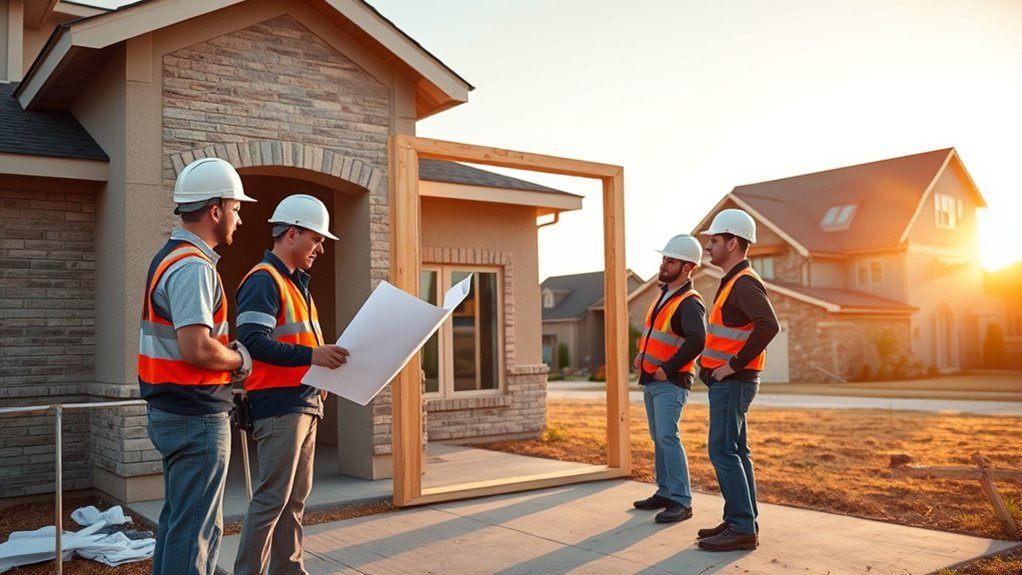
If you’re comparing home builders in Broken Arrow, don’t choose on star ratings alone. The right builder should fit your type of project, communicate clearly, provide a detailed written scope, and show recent work similar to the home you want. You should also understand who handles permits, inspections, change orders, financing, and warranty service before you sign.
Quick Answer
The best home builders in Broken Arrow are not simply the companies with the highest star rating. Start with builders that serve your lot or community, then verify recent comparable projects, written scope, allowances, insurance, trade licensing, permit responsibility, warranty terms, payment schedule, and references. Compare several detailed proposals before signing.
Last checked: September 30, 2026. Dates and figures were verified against official sources.
Key Takeaways
- Treat online ratings as a starting point, not proof that a builder is right for your project.
- Compare the full written scope, allowances, exclusions, change-order rules, warranty, and payment schedule rather than the headline bid alone.
- Broken Arrow requires building permits, and the city inspects phases of new construction before issuing a certificate of occupancy.
- Oklahoma does not currently require a statewide general-contractor license, but regulated trades such as electrical, plumbing, and mechanical work have separate licensing requirements.
How to Choose Home Builders in Broken Arrow
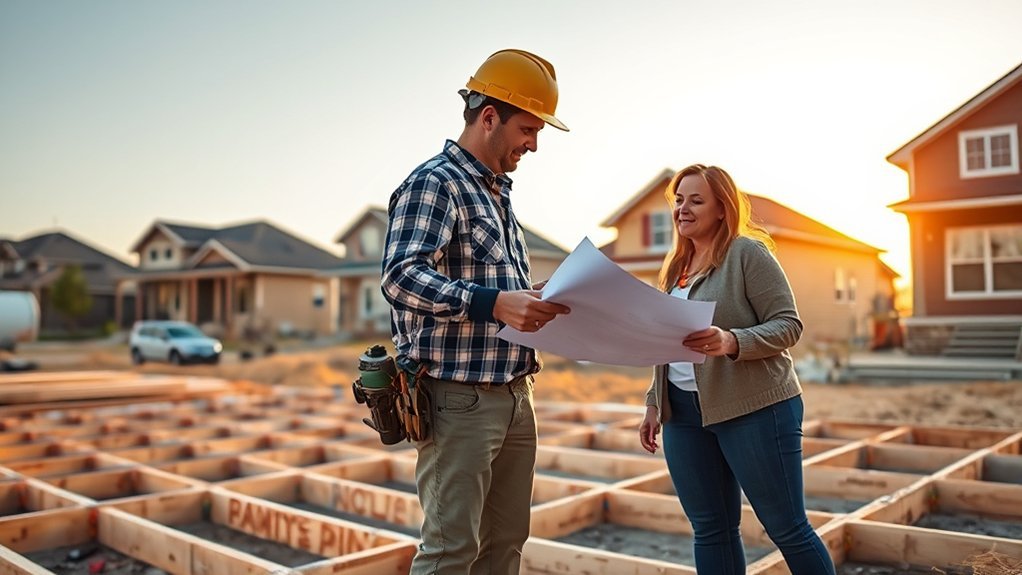
Start by deciding what kind of builder you actually need. A custom builder, production builder, and remodeling contractor may all appear in local search results, but they serve different projects.
Then compare each candidate on the same criteria. Look at recently completed homes similar to your size and design, speak with past clients, and request a written proposal that separates included work from allowances and exclusions.
- Define the project. Decide whether you are building on your own lot, buying in a planned community, or making a major addition to an existing home.
- Check comparable work. Ask to see finished and in-progress projects that resemble the home you want, not just a general photo gallery.
- Request references. Ask recent clients about communication, change orders, schedule problems, warranty service, and whether the final cost matched the contract.
- Compare written proposals. Make sure each builder is pricing roughly the same scope, specifications, fixtures, finishes, site work, and allowances.
- Review insurance and trade credentials. Oklahoma’s Construction Industries Board explains that general contractors are not currently required to hold a state general-contractor license, although regulated trades have separate requirements.
- Confirm permit responsibility. The City of Broken Arrow requires permits for structures built within the city. Your contract should identify who applies for permits and pays related fees.
- Read the warranty before signing. Confirm what is covered, for how long, how warranty requests are submitted, and what is excluded.
Warning: Do not compare builders only by the lowest quoted total. A low proposal can exclude site work, fixtures, landscaping, utility connections, upgraded finishes, or other items included in a competing bid.
Custom and Production Home Builders in Broken Arrow
Broken Arrow buyers have both custom-construction and production-home options. The better fit depends on whether you already own land, want extensive design control, or prefer a house in a community with established plans and available homesites.
Morgan Custom Builders, Dream Ready Construction, and JC Restores Construction appear in contractor directories serving the Broken Arrow area. Directory ratings and review totals can change, so use those listings to create a shortlist rather than treating a current star score as a permanent ranking.
Production builders also have active Broken Arrow communities. Lennar currently markets new homes in Broken Arrow, while D.R. Horton lists its Brook Chase community in Broken Arrow. Availability, plans, prices, and incentives can change, so compare the actual home and contract you are considering.
How to Judge Construction Quality
Quality craftsmanship is easier to evaluate when you look beyond finishes. Ask how the builder manages framing, roofing, flashing, insulation, mechanical systems, drainage, subcontractors, inspections, and punch-list repairs.
If possible, view both a finished house and a home still under construction. A completed model can show design quality, while an active jobsite can reveal how carefully work is organized before drywall and finishes hide the structure.
Broken Arrow’s inspection department checks phases of new construction and issues certificates of occupancy. The city explains its role on the official inspections page.
How Much Customization Do You Need?
Custom builders generally offer more freedom over floor plans, materials, finishes, and site-specific design. Production builders usually work from established plans, although available structural and finish options vary by community and stage of construction.
Ask exactly which choices can still be changed and when each selection becomes final. Also ask whether a quoted upgrade includes labor, material, design fees, and related changes elsewhere in the house.
For a custom build, discuss future needs before plans are finalized. Storage, accessibility, home-office space, garage dimensions, outdoor living, and furniture placement are easier to solve on paper than after framing begins.
What Questions Should You Ask a Home Builder?
The most useful builder questions reveal how the company handles money, responsibility, communication, and problems. Ask them before signing the construction agreement, when you still have room to compare alternatives.
- How many homes similar to mine have you completed recently?
- Can I speak with recent clients and visit a completed project?
- Who will supervise my project day to day?
- How often will I receive progress updates?
- What exactly is included in the base price?
- Which items are allowances rather than fixed prices?
- What site preparation, utility, driveway, landscaping, or drainage work is excluded?
- How are change orders priced and approved?
- Who applies for permits and schedules inspections?
- Which subcontractors perform electrical, plumbing, HVAC, roofing, and other specialized work?
- What insurance does the builder carry?
- What happens if material prices or construction conditions change?
- What is the estimated construction sequence and how are delays communicated?
- What warranty is included, and what is the warranty-claim process?
- What documents are provided before final payment and closing?
Note: A home-building contract can involve significant financial and legal obligations. If the payment terms, allowances, lien provisions, warranty language, or change-order clauses are unclear, consider having an Oklahoma construction or real-estate attorney review the agreement before you sign.
How to Use Homeowner Reviews Without Being Misled
Homeowner feedback can reveal patterns that a portfolio cannot. Pay the most attention to recent reviews describing projects similar to yours and look for repeated comments about communication, workmanship, delays, billing, and warranty service.
A high average rating alone is not enough. Review counts, company ownership, staff, subcontractors, and performance can change, and a rating may combine several types of work.
Quality of Workmanship
Look for specific descriptions of the work rather than short comments such as “great builder.” Useful reviews explain what was built, whether defects occurred, and how the company handled corrections.
Ask references whether the finished home matched the plans and specifications. Also ask what happened after move-in, because warranty responsiveness can matter as much as the final walkthrough.
Communication and Responsiveness
Good communication means more than answering the first sales call. You need to know who will contact you during construction, how often updates arrive, and how decisions and changes are documented.
Ask past clients whether questions were answered clearly and whether unexpected costs were discussed before work proceeded. Written communication is especially useful for selections and change orders because it creates a record of what was approved.
Timeliness of Project Completion
No builder can prevent every delay, but a reliable company should explain its schedule, major milestones, and how it handles changes. Ask references whether promised dates were realistic and whether delays were communicated early.
Instead of focusing only on a projected completion date, ask what must happen before the next payment is due. Tying expectations to clear construction milestones makes progress easier to follow.
Cost Comparison: Building vs. Buying
Building is not automatically more expensive than buying, and buying is not automatically cheaper. Your result depends on land, location, site conditions, house size, finishes, financing, available inventory, repairs, and what each price includes.
A major difference is financing. The Consumer Financial Protection Bureau explains that construction loans are generally short-term and usually have higher interest rates than longer-term mortgages. Funds are commonly released in stages as construction progresses.
Here’s a practical comparison:
| Building a New Home | Buying an Existing Home |
|---|---|
| Can provide more control over layout, finishes, and features | Lets you evaluate a finished property before purchase |
| May involve land, design, permits, site work, allowances, and construction financing | May involve inspections, repairs, renovations, and immediate maintenance needs |
| Requires a construction period before occupancy | Usually allows occupancy sooner after closing |
Some lenders offer construction-to-permanent financing. Fannie Mae describes both single-closing and two-closing construction-to-permanent structures. Your lender can explain which programs you qualify for and how draws, closing costs, and permanent financing work.
What to Expect During the Home-Building Process
A home build moves through planning, design, contracting, permitting, construction, inspections, and final turnover. Knowing the sequence helps you make selections on time and recognize which decisions must be resolved before the next phase starts.
- Set the budget and project scope. Include the house, lot, site work, utilities, design, permits, finishes, landscaping, financing, and contingency planning.
- Evaluate the lot. Review access, grading, drainage, utilities, easements, setbacks, and other site conditions before finalizing the design.
- Complete plans and specifications. Define the layout, structure, materials, fixtures, finishes, and major systems clearly enough for accurate pricing.
- Sign the construction contract. Review the scope, allowances, exclusions, payment schedule, change-order procedure, estimated milestones, insurance, dispute terms, and warranty.
- Obtain permits. Broken Arrow requires building permits for structures within the city, and additional approvals may apply to a particular property or project.
- Build and inspect the home. Construction normally progresses through site work, foundation, framing, exterior enclosure, mechanical systems, insulation, drywall, finishes, fixtures, and final work, with required inspections along the way.
- Complete the final walkthrough. Document unfinished or defective items and understand which must be corrected before closing and which fall under the warranty process.
- Receive final approvals and documents. Keep plans, warranties, permits, inspection records, manuals, receipts, and other closing documents for future reference.
What Building Codes Apply in Broken Arrow?
Oklahoma adopted the 2024 International Residential Code with state amendments effective September 14, 2026, according to the Oklahoma Uniform Building Code Commission. Local amendments and enforcement can also affect a Broken Arrow project.
Because the city was updating local code provisions during the September 2026 transition, ask your builder to identify the code edition and local amendments used for your permit. The permitted plans and required inspections should guide the actual project rather than an older checklist or online article.
Frequently Asked Questions
Which Builder Has the Best Reputation in Broken Arrow?
There is no single builder whose reputation makes it the right choice for every Broken Arrow project. Compare recent projects similar to yours, current references, written specifications, warranty service, communication, insurance, and how the builder handles problems instead of relying on one rating or award.
Who Is Better, Lennar or Pulte?
Neither builder is automatically better for every buyer. For Broken Arrow, Lennar currently markets homes and communities in the city. Compare the specific community, homesite, included features, options, warranty terms, HOA obligations, final contract price, and local customer experience for any builders available when you shop.
How Do You Find a Reputable House Builder?
Start with builders that have recent comparable projects, then check references, insurance, applicable trade credentials, written specifications, warranties, and permit responsibility. Compare detailed proposals from several candidates and ask how each company handles change orders, delays, inspections, subcontractors, and post-construction repairs.
Do Home Builders Need a State License in Oklahoma?
Oklahoma does not currently require general contractors to hold a statewide general-contractor license. However, electrical, plumbing, mechanical, roofing, and other regulated work can have separate state requirements, and cities may impose local permit or registration requirements. Verify the credentials that apply to each part of your project.
Does a New Home Need a Building Permit in Broken Arrow?
Yes. Broken Arrow states that permits are required for structures being built within the city. New construction is also subject to inspections during construction, so confirm in your contract who obtains permits, schedules inspections, responds to corrections, and secures final approval.
Conclusion
Choosing a builder in Broken Arrow is less about finding the highest rating and more about verifying the company behind the proposal. Compare similar completed homes, references, scope, allowances, permits, financing, warranty coverage, and change-order rules before you commit. A detailed contract and clear expectations give you a stronger foundation for the build itself.
Sources
- City of Broken Arrow Permitting & Licensing: Supports local building-permit requirements.
- City of Broken Arrow Inspections: Supports inspection and certificate-of-occupancy information.
- Oklahoma Uniform Building Code Commission: Supports the September 14, 2026 adoption of the 2024 International Residential Code with Oklahoma amendments.
- Oklahoma Construction Industries Board: Supports Oklahoma general-contractor and regulated-trade licensing information.
- Consumer Financial Protection Bureau: Supports construction-loan characteristics and interest-rate guidance.
- Fannie Mae Construction Products: Supports single-closing and two-closing construction-to-permanent financing information.
- Lennar Broken Arrow: Supports current Broken Arrow new-home availability.
- D.R. Horton Brook Chase: Supports current Broken Arrow community information.