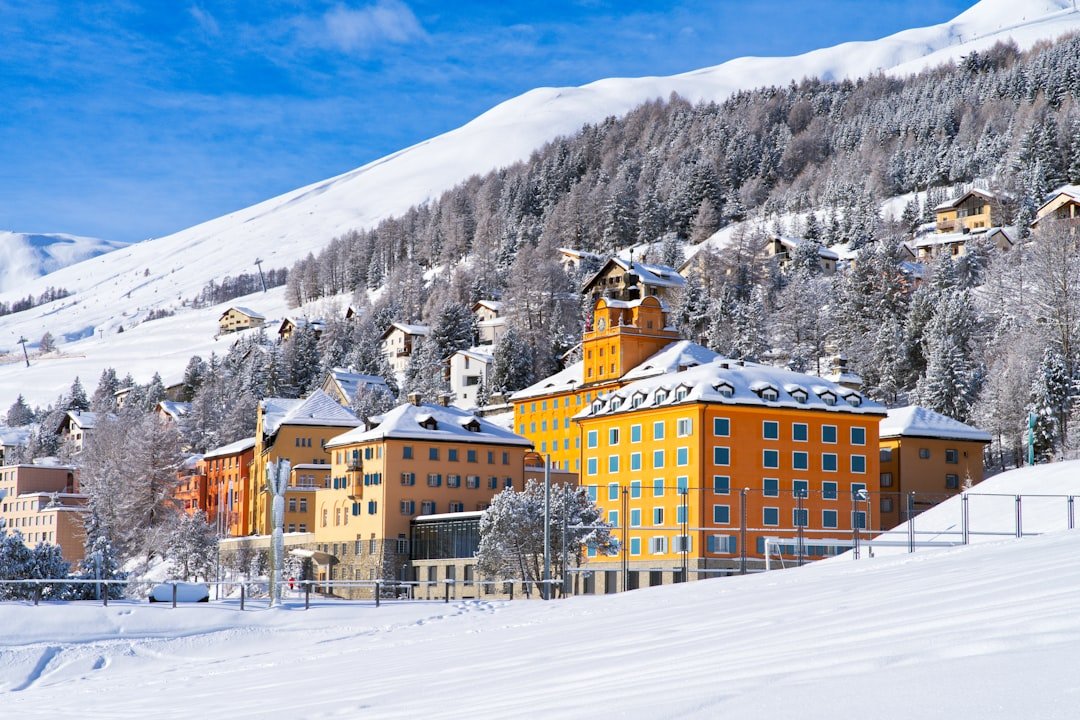
Nestled high in the Landwasser Valley of the Swiss canton of Graubünden, Davos stands at 1,560 meters as the highest town in the European Alps. While globally renowned for hosting the annual World Economic Forum, this alpine enclave is first and foremost an outdoor and cultural haven. Whether you are carving down world-class ski runs at Parsenn or hiking alpine meadows above Lake Davos, spending 48 hours here offers a balanced blend of exhilarating alpine sports, modernist cultural heritage, and restorative wellness.
Quick Answer
For an ideal 2-day Davos itinerary, spend Day 1 discovering town landmarks: visit the Ernst Ludwig Kirchner Museum, ride the historic funicular to Schatzalp, walk around Lake Davos (Davosersee), and enjoy fondue in Davos Platz. Spend Day 2 immersed in mountain activities: ski or hike the classic Parsenn or Jakobshorn peaks, followed by thermal hydrotherapy at an alpine wellness spa.
At a Glance
| Duration | 2 Days / 48 Hours |
| Best Seasons | December to April (Winter Sports) | June to October (Alpine Hiking) |
| Key Transit Hub | Zurich Airport (ZRH) via Landquart transfer to Davos Platz/Dorf |
| Local Transport Perk | Davos Klosters Premium Card (free local buses & discounted mountain lifts) |
Key Takeaways
- Take the train: Connect smoothly from Zurich to Landquart on the national SBB network, then ride the scenic narrow-gauge Rhaetian Railway directly into Davos.
- Capitalize on guest cards: Staying overnight in commercial lodging unlocks the Davos Klosters Premium Card, offering substantial savings on mountain railways and public transit.
- Blend art with nature: Pair the expressionist masterworks at the Kirchner Museum with a walk around Davosersee and the historic heights of Schatzalp.
- Match the peaks to your style: Choose Parsenn for sweeping cruising runs and panoramic summits, or Jakobshorn for snowparks, freeride terrain, and energetic après-ski.
- Reserve dining ahead: High-demand regional fondue stüblis and upscale dinner spots fill rapidly during peak winter and summer seasons.
Getting to Davos: Scenic Transit & Arrival
Reaching Davos is an effortless introduction to Swiss engineering and landscape aesthetics. Most international visitors arrive via Zurich Airport (ZRH), located roughly 150 kilometers away. From the airport train station, Swiss Federal Railways (SBB) operates fast, regular intercity trains south to Landquart. At Landquart, travelers transfer to the iconic red cars of the Rhaetian Railway (Rhätische Bahn), climbing through the Prättigau Valley into Davos Platz or Davos Dorf in about 2 hours and 20 minutes total.
Driving from Zurich takes roughly two hours along the A3 and A13 motorways, exiting toward Landquart on Route 28. While roads are well-maintained, winter travel requires snow chains or a four-wheel-drive vehicle equipped with winter tires to handle alpine passes and sudden snowfall.
Pro Tip: Overnight guests in Davos receive the digital Davos Klosters Premium Card directly from their accommodation. This card provides free travel on local public bus lines and the Rhaetian Railway between Klosters and Filisur, alongside steep discounts on summer mountain cable cars.
Day 1: Alpine Heritage, Modern Art, and Village Life
Begin your morning in Davos Platz with a visit to the Kirchner Museum Davos. The museum is dedicated to German expressionist painter Ernst Ludwig Kirchner, who lived in Davos from 1917 until his death in 1938. Kirchner documented the surrounding mountain landscapes and rural Swiss life in bold, arresting color palettes. The museum building is an architectural landmark in its own right: designed by the renowned Zurich architectural duo Annette Gigon and Mike Guyer, its four distinct glass cubes utilize natural light to showcase Kirchner’s paintings, woodcuts, and personal textiles.
“The crisp air and vertical lines of Davos shaped modern expressionism, transforming this once-remote health sanatorium town into an avant-garde artistic haven.”
After your museum visit, stroll eastward down the Promenade toward the Davos Congress Centre. This modern venue serves as the primary meeting ground for the annual World Economic Forum (WEF). While security-sensitive areas remain private, the surrounding plazas frequently host public cultural exhibitions, architectural walks, and local design markets.
In the afternoon, head toward Davos Dorf for a restorative walk along the shores of Lake Davos (Davosersee). A flat, four-kilometer path circles the perimeter, framed by dense pine forests and reflections of the Seehorn. In summer, the lake hosts sailing, stand-up paddleboarding, and swimming along the Lido; in winter, snow-shoe paths and cross-country tracks flank the frozen water.
To end the afternoon, board the historic funicular railway from Davos Platz up to Schatzalp (1,861 meters). Perched 300 meters above the valley floor, this sunny terrace was home to the historic luxury sanatorium that inspired Thomas Mann’s landmark 1924 novel, The Magic Mountain. Tour the botanical Alpinum Schatzalp (home to over 5,000 alpine plant species during summer) or simply soak in sweeping panoramic views over the Landwasser Valley before returning to the village for dinner.
Where to Stay: Premier Accommodation Options
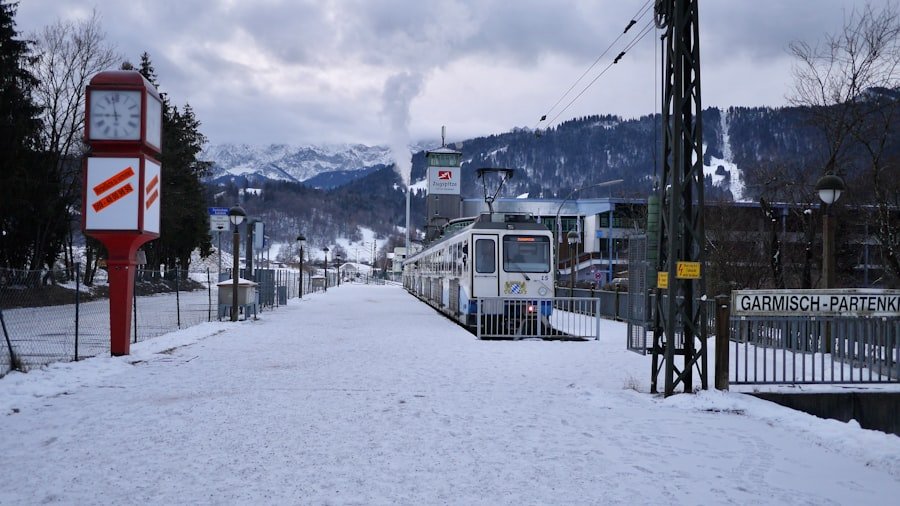
Davos offers diverse accommodations ranging from historic heritage hotels to family-run lodges and contemporary mountain resorts. Choosing between Davos Platz and Davos Dorf comes down to preference: Platz offers higher dining density and direct access to Jakobshorn, while Dorf offers quieter lakeside access and immediate entry to the Parsenn funicular.
- Luxury — AlpenGold Hotel Davos: Known locally as the “Golden Egg” for its distinctive futuristic exterior architecture, this five-star property offers private balconies overlooking the valley, multiple fine-dining venues, and a 1,200-square-meter alpine spa.
- Historic Heritage — Steigenberger Grandhotel Belvedere: Situated directly on the central Promenade in Davos Platz, this grand hotel has welcomed royalty and international dignitaries since 1875, featuring Belle Époque architecture alongside a modern wellness wing.
- Mid-Range Comfort — Hotel Waldhuus: Built in authentic Swiss chalet style at the edge of the Mattawald forest, this property delivers rustic timber rooms, family suites, and convenient ski-shuttle access.
- Budget-Friendly — Youth Hostel Davos (Youthpalace): Converted from an early 20th-century sanatorium on the slopes above Davos Dorf, this property provides budget-conscious private and shared rooms paired with sun terraces and panoramic valley views.
Day 1 Evening: Dining, Regional Cuisine, and Nightlife
As darkness falls over the peaks, Davos’s culinary scene offers everything from hearty Grisons (Bündner) specialties to refined international gastronomy. Regional staples such as Capuns (chard-wrapped dough parcels baked in milk broth with cured mountain meats) and Swiss cheese fondue are staples after a day out in the cold.
| Venue Name | Cuisine / Type | Highlight | Location |
|---|---|---|---|
| Strela Alp | Traditional Swiss | Fondue & panoramic sun terrace | Schatzalp Mountain |
| Restaurant Bärengarten | Bündner Specialties | Authentic Capuns & Raclette | Davos Platz |
| La Carretta | Italian / Mediterranean | Wood-fired pizza & fresh pasta | Davos Platz |
| Bolgen Plaza | Après-Ski & Casual Grill | Foot of Jakobshorn party venue | Davos Platz |
| Ex-Bar | Late-Night Cocktail Bar | Classic pub atmosphere & music | Davos Platz |
For fine dining, reserve well in advance at local hotel establishments or mountainside bistros that showcase Graubünden wines like Pinot Noir from the nearby Bündner Herrschaft region. Later in the evening, head to the central Promenade where Ex-Bar and Club 13 host locals and winter sport enthusiasts well past midnight.
Day 2: Outdoor Peak Adventures — Parsenn & Jakobshorn
Dedicate your second morning to experiencing the high peaks of the Davos Klosters mountain network. Depending on personal preference and the time of year, choose between the two signature mountains of the valley:
- Parsenn (The Classic Arena): Accessible via the Parsenn funicular from Davos Dorf, this mountain serves as the birthplace of Swiss ski tourism. Wide, sweeping runs connect Davos with Klosters. In summer, the mountain opens vast high-alpine hiking routes extending to the summit of the Weissfluhgipfel (2,844 meters), offering views that stretch across the Swiss, Austrian, and Italian Alps.
- Jakobshorn (Freestyle & High Energy): Departing directly from Davos Platz, the cable cars take visitors up to 2,590 meters. In winter, Jakobshorn is the regional epicenter for snowboarders and freestyle skiers, boasting large terrain parks and halfpipes. In summer, its ridges transform into rugged singletrack routes for mountain bikers and high-altitude hiking paths.
Warning: High alpine weather conditions shift quickly. Always check real-time lift operation schedules and avalanche/weather bulletins on the official Davos Klosters app before heading beyond marked resort boundaries or hiking passes above 2,000 meters.
Day 2 Afternoon: Thermal Spa Relaxation & Wellness
Davos’s modern identity is founded upon its 19th-century reputation as a high-altitude health sanatorium, where clean mountain air was prescribed to treat respiratory ailments. That legacy continues today through sophisticated wellness facilities across the town.
If you are looking for an extensive public facility, spend two to three hours at Eau-là-là Wellness and Pleasure Pool in Davos Platz. The complex features a 25-meter sports pool, a heated outdoor relaxation pool with bubbling loungers, and an extensive rooftop sauna village that includes Finnish saunas, bio-saunas, and cold plunge baths.
For a more secluded luxury experience, book a day pass at the AlpenGold Spa or the boutique wellness wing at Hotel Waldhuus. Treatments incorporate native alpine herbs, pine essential oils, and hot-stone therapies designed to ease muscle fatigue following active mountain excursions.
Shopping: Artisanal Swiss Keepsakes and Local Boutiques
Before leaving Davos, spend the late afternoon exploring the shopping areas along the Promenade, which connects Davos Platz and Davos Dorf. Here, luxury watchmakers and specialized outdoor outfitters sit alongside family-run delis and pastry shops.
- Traditional Confectionery: Stop by local bakeries to pick up authentic Bündner Nusstorte (a traditional Swiss shortcrust pastry filled with caramelized walnuts and honey). It keeps fresh for weeks and makes an ideal gift.
- Alpine Cheeses & Meats: Independent grocers stock aged alpine cheeses like Bündner Bergkäse alongside air-dried beef specialties such as Bündnerfleisch, sliced paper-thin.
- Local Craftsmanship: Woodcarvers and traditional shops offer hand-turned Swiss stone pine (Arve) products, valued across the region for their fragrant, resinous natural oils.
Day 2 Late Afternoon: Regional Culture & Winter Sports History
Wrap up your cultural exploration with a visit to the Wintersport Museum in Davos Platz. Hosted in an authentic historic building, this collection charts the evolution of winter tourism from 19th-century wooden toboggans and early sleds to modern competitive equipment. You will discover how British visitors adapted native delivery sleds to create the famous “Davos sledge,” which remains the global standard for wooden sleds today.
If visiting in late December, you can also experience the atmosphere of the historic Spengler Cup, the world’s oldest invitational ice hockey tournament, held annually at the modern Eisstadion Davos (Vaillant Arena).
From early morning train rides along the Landwasser river to crisp mountain air atop Weissfluhgipfel and restorative thermal waters, a 48-hour stay in Davos delivers a complete distillation of the Swiss alpine lifestyle.
Frequently Asked Questions
What are the must-see attractions in Davos for a 2-day itinerary?
The top attractions for a 48-hour visit include the Kirchner Museum (housing works by Ernst Ludwig Kirchner), the funicular railway to Schatzalp, a scenic walk around Lake Davos (Davosersee), and riding cable cars to either Parsenn or Jakobshorn for high-alpine views.
What outdoor activities can be enjoyed in Davos during a 2-day visit?
In winter, Davos offers over 300 kilometers of downhill ski slopes across six mountains, alongside snowshoeing, tobogganing, and cross-country skiing. In summer, visitors can hike more than 700 kilometers of marked trails, mountain bike, windsurf, or sail on Lake Davos.
What are the best dining options in Davos for traditional Swiss cuisine?
For authentic Grisons dishes such as Capuns and Swiss cheese fondue, visit Restaurant Bärengarten or Strela Alp above Schatzalp. For contemporary fine dining, the restaurants at AlpenGold Hotel Davos and the Steigenberger Grandhotel Belvedere provide upscale regional menus.
What transportation options are available for getting around Davos during a short stay?
Davos has an efficient public transit network consisting of local buses and the Rhaetian Railway (RhB) connecting Davos Dorf and Davos Platz stations. Overnight visitors receive the Davos Klosters Premium Card, which makes local buses and trains free of charge.
Are there cultural experiences worth visiting in Davos?
Yes. Art enthusiasts should explore the Kirchner Museum, designed by Gigon/Guyer. In addition, the Wintersport Museum highlights historical alpine sports, while the Davos Congress Centre and historic Schatzalp sanatorium offer insight into the town’s political and literary history.
Sources
- Davos Klosters Official Tourism — Official destination guidance, mountain trail status, and seasonal activity schedules.
- Kirchner Museum Davos — Exhibition programs, collection records, and architectural history of the Gigon/Guyer building.
- Rhätische Bahn (Rhaetian Railway) — Official timetables and rail connections for the Graubünden narrow-gauge network.
- Swiss Federal Railways (SBB) — Route planning and timetables for national Swiss rail connections from Zurich Airport to Landquart.