

The Aletsch Glacier, a UNESCO World Heritage site, is the largest glacier in the Alps and a stunning natural wonder that stretches over 23 kilometers in length. Located in the Swiss canton of Valais, this magnificent glacier is part of the larger Aletsch area, which is characterized by its breathtaking landscapes, towering peaks, and rich biodiversity. The glacier itself is a mesmerizing sight, with its deep blue crevasses and vast ice fields that shimmer under the sun.
It serves as a vital indicator of climate change, as its retreat over the years has drawn attention to the broader environmental challenges facing our planet. The Aletsch Glacier is not just a geological marvel; it is also steeped in history and culture. The surrounding region has been inhabited for centuries, with local communities relying on the glacier’s resources for their livelihoods.
The glacier’s significance extends beyond its physical presence; it is a symbol of the delicate balance between nature and human activity. As visitors explore this majestic landscape, they are often reminded of the importance of preserving such natural wonders for future generations.
Key Takeaways
- The Aletsch Glacier is the largest glacier in the Alps, spanning over 23 kilometers in length and covering an area of 81 square kilometers.
- The Aletsch Glacier can be accessed by taking a scenic train ride from the town of Brig to the village of Fiesch, followed by a cable car and a short hike to reach the glacier.
- The best time to visit the Aletsch Glacier is during the summer months, from June to September, when the weather is mild and the hiking trails are accessible.
- Visitors can enjoy a variety of activities at the Aletsch Glacier, including hiking along well-marked trails, guided glacier tours, and breathtaking views from the viewpoints along the way.
- The Aletsch Glacier is home to a diverse range of wildlife and flora, including ibex, chamois, and alpine flowers, making it a paradise for nature enthusiasts and wildlife photographers.
How to Get to the Aletsch Glacier
Reaching the Aletsch Glacier is an adventure in itself, with several routes available depending on your starting point. The most common access point is from the town of Fiesch, which is well-connected by public transport. From Fiesch, visitors can take a cable car to the Eggishorn, which offers stunning panoramic views of the glacier and surrounding peaks.
The cable car ride is not only convenient but also provides an exhilarating experience as you ascend through lush alpine meadows and rocky outcrops. For those who prefer a more immersive experience, hiking to the glacier is an option worth considering. There are well-marked trails that lead from various points in the region, including Riederalp and Bettmeralp.
These trails vary in difficulty and length, catering to both casual walkers and seasoned hikers. The journey on foot allows visitors to appreciate the diverse flora and fauna of the area while soaking in the breathtaking scenery. Regardless of the chosen route, reaching the Aletsch Glacier is a rewarding experience that sets the stage for exploration.
Best Time to Visit the Aletsch Glacier
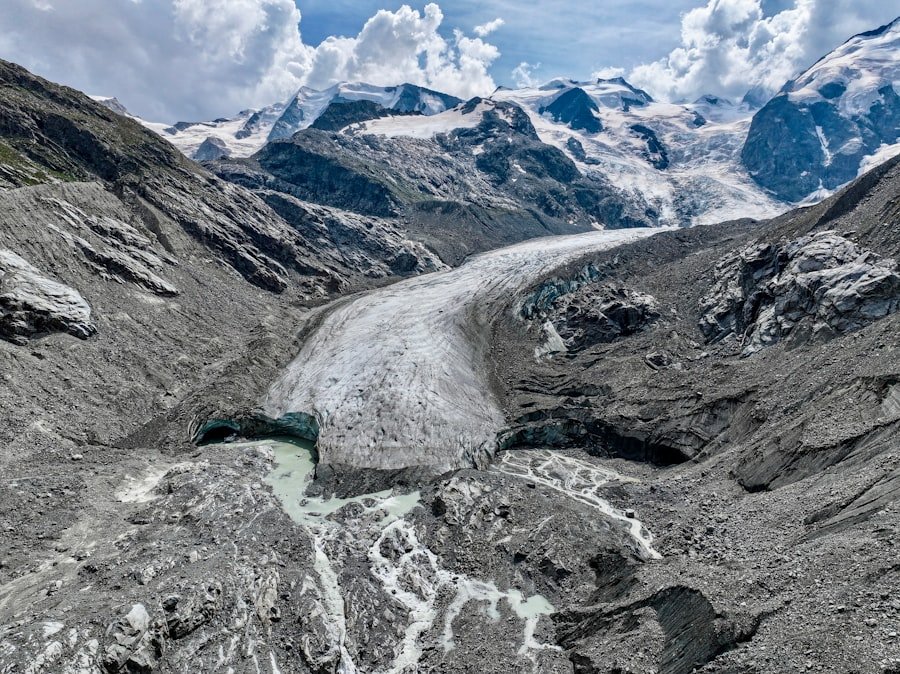
The best time to visit the Aletsch Glacier largely depends on the activities you wish to engage in and the type of experience you seek. The summer months, from June to September, are particularly popular among tourists. During this period, temperatures are milder, making it ideal for hiking and outdoor activities.
The trails are generally accessible, and visitors can enjoy long daylight hours while exploring the stunning landscapes. Additionally, summer offers a chance to witness the vibrant alpine flowers in full bloom, adding a splash of color to the otherwise stark glacial environment. Conversely, winter transforms the Aletsch Glacier into a snowy wonderland, attracting winter sports enthusiasts from around the globe.
From December to March, skiing and snowboarding opportunities abound in the nearby resorts. The crisp air and serene beauty of the snow-covered landscape create a magical atmosphere that draws visitors seeking solitude and adventure alike. However, it is essential to note that winter conditions can be harsh, and proper gear is necessary for those venturing into this icy realm.
Activities and Hiking Trails at the Aletsch Glacier
| Activity | Distance | Difficulty |
|---|---|---|
| Hiking | Varies | Easy to Challenging |
| Mountain Biking | Varies | Challenging |
| Guided Tours | Varies | Easy to Moderate |
| Ice Climbing | Varies | Challenging |
The Aletsch Glacier offers a plethora of activities that cater to various interests and skill levels. Hiking is undoubtedly one of the most popular pursuits, with numerous trails winding through the region. One notable trail is the Aletsch Panorama Trail, which provides breathtaking views of the glacier and surrounding peaks.
This moderately challenging hike spans approximately 20 kilometers and takes around six hours to complete. Along the way, hikers can enjoy stunning vistas of the glacier’s vast expanse while traversing lush meadows dotted with wildflowers. For those seeking a more adrenaline-fueled experience, guided glacier tours are available.
These excursions allow visitors to explore the glacier’s crevasses and ice formations up close while learning about its geology and ecology from knowledgeable guides. Ice climbing is another thrilling option for adventurous souls looking to test their skills on the glacier’s icy surfaces. With proper instruction and equipment, climbers can safely navigate this frozen landscape while experiencing an unparalleled sense of achievement.
Wildlife and Nature at the Aletsch Glacier
The Aletsch Glacier is not only a geological marvel but also a haven for diverse wildlife and unique ecosystems. The surrounding region is home to various species of flora and fauna that have adapted to the harsh alpine environment. Visitors may encounter ibexes gracefully navigating rocky slopes or chamois darting through meadows.
Birdwatchers will delight in spotting golden eagles soaring overhead or alpine choughs flitting about in search of food. The flora around the glacier is equally fascinating, with resilient plants such as edelweiss and alpine gentians thriving in this challenging environment.
The interplay between wildlife and glacial features creates a dynamic ecosystem that highlights nature’s resilience and adaptability. Observing these creatures in their natural habitat adds an enriching dimension to any visit to the Aletsch Glacier.
Safety Tips for Visiting the Aletsch Glacier
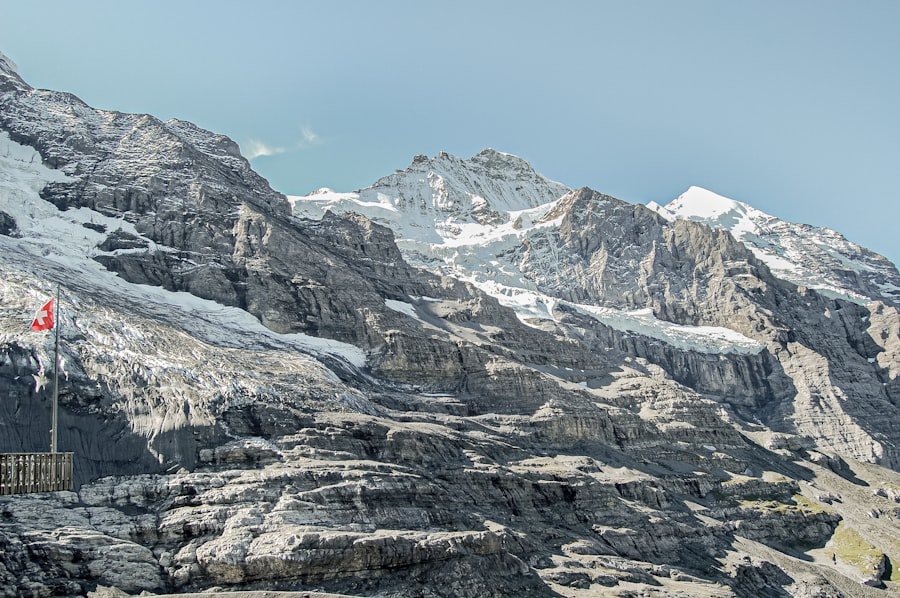
While visiting the Aletsch Glacier can be an exhilarating experience, it is essential to prioritize safety during your adventure. First and foremost, proper preparation is crucial. Visitors should check weather conditions before embarking on any hikes or excursions, as mountain weather can change rapidly.
Dressing in layers is advisable to accommodate fluctuating temperatures throughout the day. When hiking near or on glacial terrain, it is vital to stay on marked trails to avoid potential hazards such as crevasses or unstable ice formations. If you plan to engage in activities like ice climbing or glacier trekking, consider joining a guided tour led by experienced professionals who can provide essential safety equipment and instruction.
Additionally, carrying adequate supplies such as water, snacks, a first-aid kit, and navigation tools will ensure you are well-prepared for your journey.
Nearby Attractions and Accommodations
The Aletsch Glacier is surrounded by numerous attractions that enhance any visit to this stunning region. One such attraction is the charming village of Riederalp, which offers a range of accommodations from cozy chalets to luxurious hotels.
Another nearby gem is the Jungfrau region, known for its iconic peaks such as Eiger, Mönch, and Jungfrau. Visitors can take scenic train rides through picturesque valleys or embark on challenging hikes that reward them with stunning vistas of these majestic mountains. For those interested in cultural experiences, exploring local museums or attending traditional festivals can provide insight into Swiss heritage and customs.
Sustainable Travel Tips for the Aletsch Glacier
As awareness of environmental issues grows, sustainable travel practices have become increasingly important for preserving natural wonders like the Aletsch Glacier. One effective way to minimize your impact is by using public transportation whenever possible. Trains and buses provide convenient access to the region while reducing carbon emissions associated with personal vehicles.
Additionally, travelers should practice Leave No Trace principles by respecting wildlife habitats and minimizing waste during their visit. Carry reusable water bottles and containers for snacks to reduce single-use plastics in this pristine environment. Supporting local businesses by purchasing goods from nearby shops or dining at local restaurants also contributes positively to the community while promoting sustainable tourism practices.
By embracing these sustainable travel tips, visitors can enjoy their time at the Aletsch Glacier while ensuring that this breathtaking natural wonder remains preserved for generations to come.
If you’re planning a trip to the Aletsch Glacier, you might also be interested in exploring the culinary delights of the region. A great way to complement your travel experience is by indulging in some local flavors. For those who enjoy trying new recipes, consider reading about how to make “Delicious Homemade Cottage Cheese: A Simple and Healthy Recipe.” This article provides a straightforward guide to creating a tasty and nutritious dish that you can enjoy while taking in the breathtaking views of the glacier. Check it out here.
FAQs
What is the Aletsch Glacier?
The Aletsch Glacier is the largest glacier in the Alps, located in the Swiss canton of Valais. It stretches for about 23 kilometers and covers an area of 81.7 square kilometers.
How do I get to the Aletsch Glacier?
The Aletsch Glacier can be accessed from various points, including the Jungfraujoch railway station, the Bettmeralp cable car, and the Fiesch-Eggishorn cable car. Visitors can also hike to the glacier from nearby towns and villages.
What activities can I do at the Aletsch Glacier?
Visitors to the Aletsch Glacier can enjoy activities such as hiking, skiing, snowshoeing, and mountaineering. Guided tours and excursions are also available for those who want to explore the glacier and its surroundings.
Are there any restrictions or guidelines for visiting the Aletsch Glacier?
Visitors are encouraged to follow designated trails and respect the natural environment. It is important to be aware of the potential dangers of glacier hiking and to take necessary precautions, such as hiring a guide or joining a guided tour.
What is the best time of year to visit the Aletsch Glacier?
The best time to visit the Aletsch Glacier is during the summer months, from June to September, when the weather is milder and the hiking trails are more accessible. However, the glacier can be visited year-round, with different activities available depending on the season.