

Selecting the perfect campsite is a fundamental step in ensuring a successful and enjoyable camping experience, especially in a country as diverse as Switzerland. The Swiss landscape offers a plethora of options, from serene lakesides to rugged mountain terrains. When choosing a campsite, it is essential to consider factors such as accessibility, amenities, and the type of experience you seek.
For instance, if you are traveling with family, a campsite near a lake with facilities like restrooms and picnic areas may be ideal. Conversely, if you are an adventurous solo traveler seeking solitude, a remote site in the Alps might be more appealing. Another critical aspect to consider is the local regulations and restrictions regarding camping.
In Switzerland, wild camping is generally prohibited in many areas, particularly in national parks and nature reserves. Therefore, it is advisable to research designated campsites or obtain necessary permits for wild camping in specific regions. Additionally, consider the proximity to hiking trails, water sources, and other natural attractions.
A well-chosen campsite can enhance your overall experience by providing easy access to outdoor activities while ensuring comfort and safety.
Key Takeaways
- Choose a campsite that is suitable for your needs and preferences, considering factors such as location, facilities, and activities available.
- Essential camping gear includes a tent, sleeping bag, cooking equipment, and appropriate clothing for the weather.
- When camping in Switzerland, be aware of safety tips such as checking weather forecasts, staying on marked trails, and being prepared for sudden changes in weather.
- Explore the best hiking trails in Switzerland, including the Swiss National Park, the Matterhorn, and the Jungfrau region.
- When cooking and preparing food outdoors, follow proper food safety guidelines and consider lightweight, non-perishable options for longer hikes.
- Enjoy wildlife and nature watching responsibly, respecting the natural habitat and keeping a safe distance from animals.
- Practice camping etiquette and follow Leave No Trace principles to minimize your impact on the environment and preserve the natural beauty of Switzerland.
- Consider the weather and climate when planning your camping trip in Switzerland, as conditions can vary greatly depending on the region and time of year.
Essential Camping Gear and Equipment
Equipping yourself with the right gear is crucial for a successful camping trip in Switzerland. The essentials typically include a high-quality tent, sleeping bag, and sleeping pad. A tent should be lightweight yet durable, capable of withstanding the variable weather conditions that can occur in the Swiss mountains.
Look for tents with good ventilation and waterproof features to ensure comfort during rain or snow. A sleeping bag rated for the expected temperatures is also vital; consider down insulation for warmth without excessive weight. In addition to shelter and sleep gear, cooking equipment is essential for preparing meals in the great outdoors.
A portable stove or campfire grill, along with fuel and cooking utensils, will allow you to whip up delicious meals while enjoying the fresh air. Don’t forget to pack a cooler or insulated food container to keep perishables fresh. Other important items include a first aid kit, multi-tool or knife, headlamp or flashlight, and appropriate clothing layers to adapt to changing weather conditions.
Each piece of equipment plays a role in ensuring your comfort and safety while exploring the Swiss wilderness.
Safety Tips for Camping in Switzerland
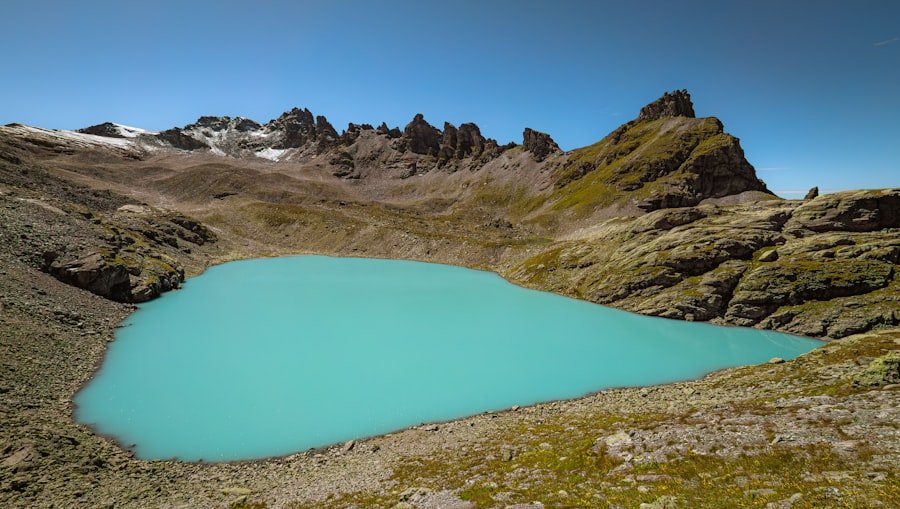
Safety should always be a top priority when camping in Switzerland’s stunning yet challenging landscapes. One of the most important tips is to familiarize yourself with the area where you plan to camp. This includes understanding the terrain, potential hazards such as wildlife encounters or unstable weather patterns, and knowing the nearest emergency services.
Carrying a detailed map and compass or a GPS device can help you navigate unfamiliar trails and avoid getting lost. Another critical aspect of safety is being prepared for sudden weather changes. The Swiss Alps are known for their unpredictable climate; temperatures can drop significantly at night, and storms can roll in quickly.
Always check the weather forecast before heading out and be ready to adjust your plans accordingly. It’s wise to pack extra layers of clothing and waterproof gear to stay warm and dry. Additionally, informing someone about your itinerary and expected return time can provide an extra layer of security in case of emergencies.
Exploring the Best Hiking Trails
| Trail Name | Location | Difficulty | Distance |
|---|---|---|---|
| Mount Marcy | Adirondacks, New York | Difficult | 14.8 miles |
| Angel’s Landing | Zion National Park, Utah | Strenuous | 5.4 miles |
| Half Dome | Yosemite National Park, California | Very Difficult | 14.2 miles |
| Grand Canyon Rim-to-Rim | Grand Canyon National Park, Arizona | Very Strenuous | 21 miles |
Switzerland boasts some of the most breathtaking hiking trails in the world, offering diverse landscapes that cater to all skill levels. One of the most iconic routes is the Eiger Trail, which runs along the foot of the Eiger North Face in the Bernese Oberland region. This trail provides stunning views of glaciers and dramatic rock formations while allowing hikers to experience the rich flora and fauna of the area.
The trail is well-marked and accessible for those with moderate hiking experience. For those seeking a more challenging adventure, the Haute Route is a legendary trek that connects Chamonix in France to Zermatt in Switzerland.
Hikers on this route will encounter breathtaking views of iconic peaks like the Matterhorn and Mont Blanc while navigating varied terrain that includes rocky paths and lush meadows. Proper preparation is essential for this trek, including physical conditioning and knowledge of alpine hiking techniques.
Cooking and Food Preparation in the Outdoors
Cooking while camping can be both a practical necessity and an enjoyable part of the outdoor experience. In Switzerland, where fresh ingredients are abundant, preparing meals outdoors can be a delightful culinary adventure. Start by planning your meals ahead of time; consider easy-to-cook options like pasta dishes, rice bowls, or hearty stews that can be made using minimal equipment.
Utilizing local ingredients such as Swiss cheese, cured meats, and fresh vegetables can elevate your outdoor dining experience. When it comes to cooking methods, a portable camping stove is often preferred for its convenience and efficiency. However, if regulations permit, cooking over an open fire can add a unique flavor to your meals.
Always ensure that you have enough fuel for your stove or firewood if you plan to cook over an open flame. Additionally, bring along essential cooking utensils such as pots, pans, spatulas, and cutting boards.
Wildlife and Nature Watching
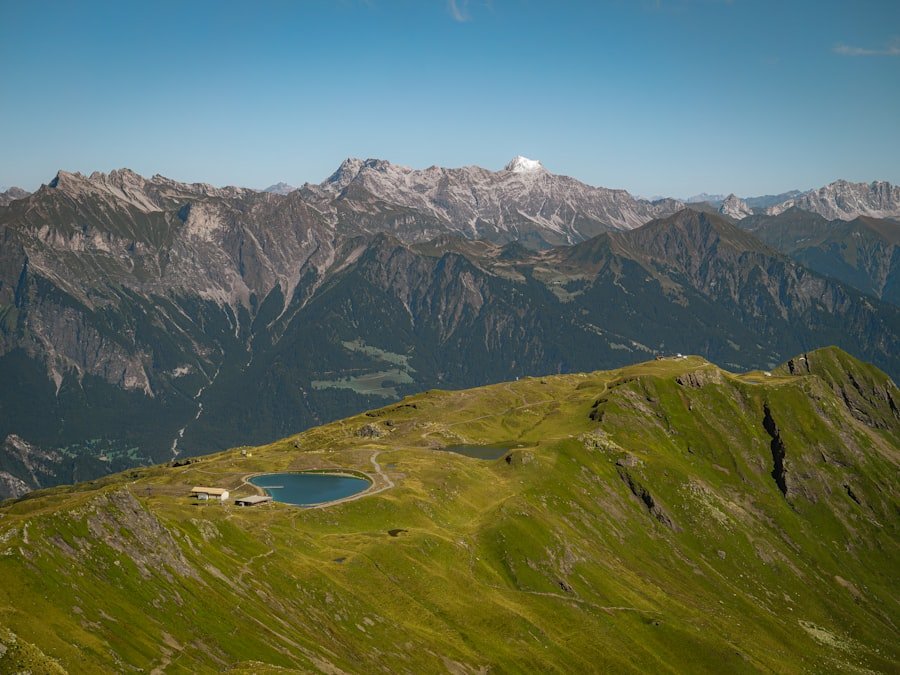
Switzerland’s diverse ecosystems provide ample opportunities for wildlife observation and nature watching. The country is home to various species, including chamois, ibex, marmots, and even golden eagles soaring above the alpine meadows. When camping or hiking in these areas, it’s essential to respect wildlife by maintaining a safe distance and avoiding feeding animals.
Observing wildlife from afar not only protects their natural behaviors but also enhances your experience as you witness these creatures in their natural habitat. To maximize your chances of spotting wildlife, consider early morning or late evening excursions when animals are most active. Bring binoculars for a closer look at distant creatures without disturbing them.
Additionally, learning about local flora and fauna can enrich your understanding of the environment around you. Many regions offer guided nature walks led by knowledgeable local experts who can provide insights into the unique ecosystems of Switzerland.
Camping Etiquette and Leave No Trace Principles
Practicing good camping etiquette is essential for preserving the natural beauty of Switzerland while ensuring a positive experience for all outdoor enthusiasts. One fundamental principle is respecting fellow campers by keeping noise levels down and maintaining a clean campsite. This includes properly disposing of waste and ensuring that your campfire does not disturb others nearby.
Being courteous on trails by yielding to hikers going uphill or those with larger packs also fosters a friendly atmosphere among outdoor adventurers. The Leave No Trace principles are particularly important in preserving Switzerland’s pristine landscapes. These guidelines encourage campers to minimize their impact on the environment by packing out all trash, using established trails to prevent soil erosion, and avoiding picking plants or disturbing wildlife habitats.
When it comes to campfires, always check local regulations regarding fire use; if allowed, use existing fire rings and keep fires small to reduce damage to vegetation. By adhering to these principles, campers can help maintain Switzerland’s natural beauty for future generations.
Weather and Climate Considerations for Camping in Switzerland
Switzerland’s weather can be highly variable due to its diverse geography, which ranges from lowland areas to high alpine regions. Understanding these climatic conditions is crucial for planning your camping trip effectively. In general, summer months (June to August) offer milder temperatures suitable for camping; however, even during this season, sudden thunderstorms can occur in mountainous areas.
It’s advisable to check forecasts regularly and be prepared for changing conditions. In contrast, spring (April to June) can still be chilly at higher elevations with lingering snow on trails, while autumn (September to November) brings beautiful foliage but also cooler temperatures that require warmer gear. Winter camping is possible but requires specialized equipment due to snow and freezing temperatures; this season offers unique opportunities for snowshoeing or winter hiking but demands careful planning regarding safety and gear selection.
By being aware of these weather patterns and preparing accordingly, campers can enjoy all that Switzerland has to offer throughout the year while staying safe and comfortable in varying conditions.
If you’re planning a camping trip in Switzerland, you’ll want to ensure you have all the essentials for a delightful outdoor experience. While you’re preparing your gear and itinerary, consider adding some culinary adventures to your journey. A great way to enhance your camping meals is by incorporating fresh and healthy ingredients. For instance, you might want to try making your own cheese to enjoy with local bread and wine. Check out this delicious homemade cottage cheese recipe for a simple and nutritious addition to your camping menu. This recipe is easy to follow and can be a fun activity to do while enjoying the serene Swiss landscapes.
FAQs
What are the best camping spots in Switzerland?
Some of the best camping spots in Switzerland include Interlaken, Lake Geneva, Zermatt, and the Swiss National Park.
What are the camping regulations in Switzerland?
Camping in the wild is generally not allowed in Switzerland. Campers are required to stay in designated campgrounds or obtain permission from landowners for private land.
What are the essential items to bring when camping in Switzerland?
Essential items to bring when camping in Switzerland include a sturdy tent, warm sleeping bags, waterproof clothing, hiking boots, cooking equipment, and insect repellent.
What are the popular outdoor activities in Switzerland?
Popular outdoor activities in Switzerland include hiking, mountain biking, rock climbing, paragliding, and water sports such as kayaking and paddleboarding.
What is the best time of year to go camping in Switzerland?
The best time to go camping in Switzerland is during the summer months, from June to September, when the weather is generally mild and the days are longer. However, it’s important to be prepared for sudden changes in weather, especially in the mountains.