Summer in Istanbul combines long sightseeing days, busy historic districts, Bosphorus breezes, outdoor dining, and plenty of sunshine. June is usually milder than July and August, while hotter days can push temperatures above 30°C. A comfortable trip comes down to smart clothing, sun protection, good walking shoes, sensible timing, and knowing when to use ferries, trams, museums, parks, and air-conditioned breaks.
Quick Answer
Summer in Istanbul is warm, sunny, busy, and easiest with an early-start schedule. Pack breathable clothes, sun protection, comfortable shoes, and modest layers for mosques. Use Istanbulkart for public transport, reserve major paid sights when possible, and save museums, cafés, shaded parks, or ferry rides for the hottest afternoon hours.
Key Takeaways
- Pack light, breathable clothing, comfortable walking shoes, sunglasses, a hat, sunscreen, and a refillable water bottle.
- Hagia Sophia, the Blue Mosque, Topkapı Palace, and Galata Tower remain essential first-visit landmarks.
- Use Istanbulkart and Istanbul’s metro, tram, bus, Marmaray, and ferry network instead of relying only on taxis.
- Choose Sultanahmet for historic sights, Beyoğlu for nightlife, Beşiktaş for Bosphorus access, or Kadıköy for a more local Asian-side base.
- Bosphorus cruises, the Princes’ Islands, parks, forest walks, and designated beaches can add outdoor variety to a summer itinerary.
Istanbul summer weather: June, July, and August
Istanbul’s summers are warm, and July and August are normally the hottest part of the season. According to the Turkish State Meteorological Service, long-term average daytime highs are about 27.1°C in June and 29.7°C in both July and August. Individual hot spells can climb above those averages, so a 30°C-plus afternoon is still common enough to plan for.
| Month | Typical feel | Planning tip |
| June | Warm, usually more comfortable than peak summer | Excellent for long sightseeing days, outdoor dining, and ferries. |
| July | Hotter, brighter, and busy | Start major outdoor sights early and schedule an afternoon break. |
| August | Similar to July, with hot afternoons possible | Use ferries, shaded parks, museums, and evening walks to manage the heat. |
What to pack for Istanbul in summer
Choose lightweight, breathable clothing in fabrics such as cotton or linen. Pack casual clothes for daytime exploring and one or two slightly dressier outfits if you plan to visit upscale restaurants or enjoy an evening out.
Comfortable footwear matters more than fashion during sightseeing. Istanbul has hills, stone paving, long museum complexes, busy pedestrian streets, and neighborhoods that are best explored on foot. Supportive sneakers or secure walking sandals are usually more practical than flimsy footwear.
- Lightweight shirts, tops, trousers, skirts, or dresses
- Comfortable sneakers or walking sandals
- Wide-brimmed hat or cap
- Sunglasses
- Broad-spectrum sunscreen
- Refillable water bottle
- Light scarf or modest outer layer for mosque visits
- Small crossbody bag or secure daypack
- Portable phone charger for navigation, tickets, and transit apps
Note: Mosques are active places of worship, not simply tourist attractions. Clothing should cover shoulders and knees, and women may be asked to cover their hair. Shoes are removed before entering prayer areas, and tourist access can pause during prayers.
Must-visit attractions and landmarks in Istanbul
Hagia Sophia is one of Istanbul’s defining monuments. Its history has included periods as a cathedral, mosque, museum, and, since 2020, an active mosque again. Its dome, marble surfaces, calligraphy, and surviving mosaics reflect both Eastern Roman and Ottoman history. Visitor routes and access arrangements can change because worship and tourism share the site, so check current conditions shortly before your visit.
Across Sultanahmet Square, the Blue Mosque is famous for its six minarets and İznik tile decoration. It remains an active mosque, so plan your visit around prayer times and follow the dress requirements at the entrance.
Topkapı Palace offers a different view of Ottoman Istanbul through its courtyards, imperial collections, pavilions, treasury displays, and Harem. Current information from Türkiye’s National Palaces administration should be checked before visiting because ticket prices and access conditions can change. Topkapı Palace is normally closed to visitors on Tuesdays.
A practical first-day route is Sultanahmet Square, Hagia Sophia, the Blue Mosque, and Topkapı Palace, followed by an evening in Galata or along the Bosphorus.
Galata Tower is another major landmark, especially for panoramic views across the historic peninsula, Golden Horn, Bosphorus, and surrounding neighborhoods. Late afternoon can offer attractive light, but it is also a popular period, so allow extra time for queues.
Navigating Istanbul’s public transportation system
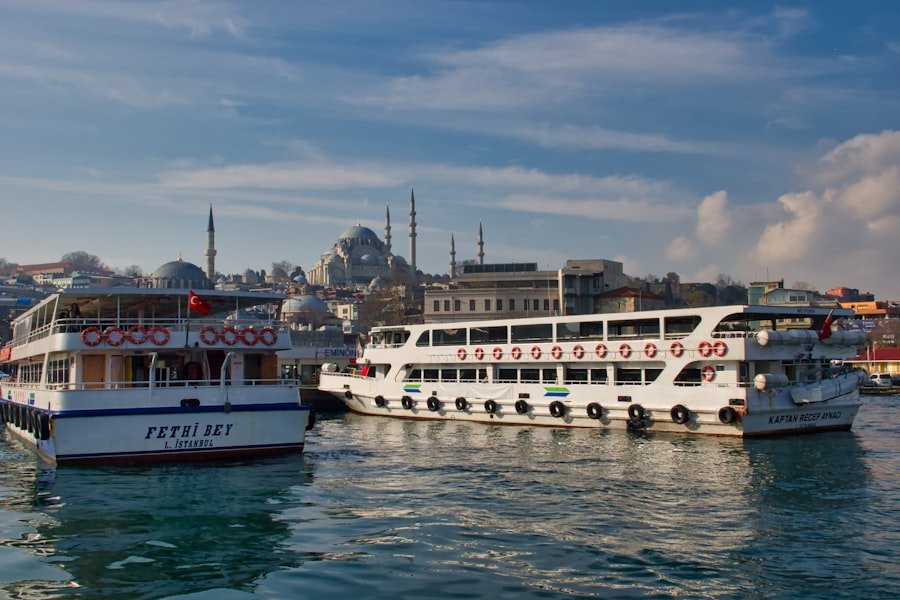
Istanbul’s public transportation network is extensive, and visitors can combine metro lines, trams, buses, Marmaray rail services, ferries, funiculars, and walking. The Istanbulkart system is widely used for public-transport payments, making it much easier than purchasing separate tickets for every journey.
The T1 Kabataş–Bağcılar tram is particularly useful for visitors because it serves stops including Sultanahmet, Gülhane, Sirkeci, Eminönü, Karaköy, and Kabataş. It connects many historic sights with ferry docks and other rail services.
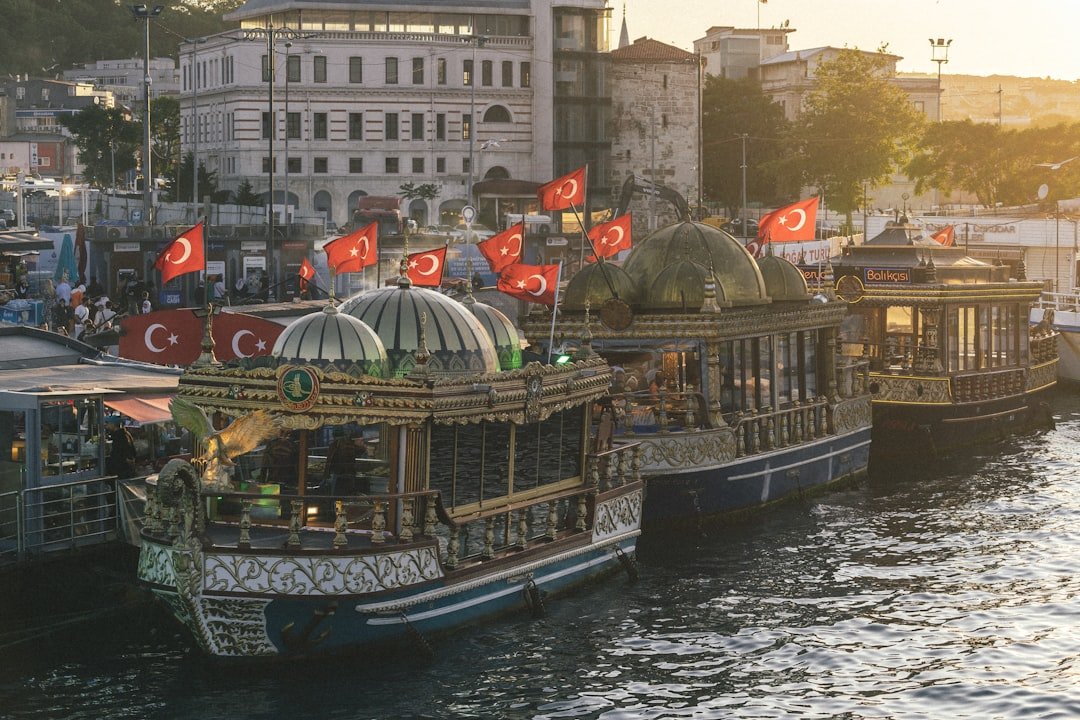
Ferries are both transportation and sightseeing. A routine public ferry between the European and Asian sides can provide impressive Bosphorus views without requiring a dedicated sightseeing cruise. Longer Bosphorus cruises are also available for travelers who want more time on the water.
For taxis, use licensed vehicles or a reputable dispatch/app service and make sure the normal fare system is being used. Heavy traffic can make rail or ferry travel faster than driving, especially during commuter periods.
Pro Tip: Build your sightseeing days around transit corridors. Sultanahmet, Eminönü, Karaköy, Kabataş, Beşiktaş, Üsküdar, and Kadıköy connect naturally through combinations of tram, ferry, metro, and walking.
Getting into the city from Istanbul’s airports
Istanbul has two major passenger airports: Istanbul Airport on the European side and Sabiha Gökçen Airport on the Asian side. Rail and airport-bus options continue to evolve, so check the official journey planner shortly before arrival rather than relying on an old route screenshot.
Sabiha Gökçen Airport is directly served by the M4 metro line toward Kadıköy. Istanbul Airport is connected to the city by rail and airport-bus services. Your best option depends on where you are staying, your arrival time, and how much luggage you have.
Best places to stay in Istanbul during the summer
There is no meaningful fixed “average nightly price” for a neighborhood because hotel rates change by date, property class, room type, demand, taxes, and booking conditions. A more useful approach is to choose the district that best fits your sightseeing plans.
| Neighborhood | Common accommodation | Best for | Summer consideration |
| Sultanahmet | Hotels and guesthouses | First-time visitors and historic sights | Very convenient, but heavily visited during the day. |
| Beyoğlu | Boutique hotels and apartments | Nightlife, restaurants, cafés, and shopping | Some streets are steep or noisy late at night. |
| Beşiktaş | Hotels and hostels | Bosphorus access and transport connections | Busy but convenient for ferries and waterfront evenings. |
| Kadıköy | Hotels, apartments, and guesthouses | Food, nightlife, and a more local Asian-side atmosphere | Historic-peninsula sightseeing usually involves a ferry or rail crossing. |
Sultanahmet is hard to beat if you want Hagia Sophia, the Blue Mosque, Topkapı Palace, Basilica Cistern, and the Archaeological Museums nearby. Many properties also have rooftop terraces overlooking the old city.
Beyoğlu works better if restaurants, nightlife, galleries, Istiklal Avenue, Galata, and Karaköy are priorities. Kadıköy is a strong choice for travelers who prefer markets, neighborhood restaurants, evening energy, and ferry rides across the Bosphorus.
Top outdoor activities and excursions in Istanbul
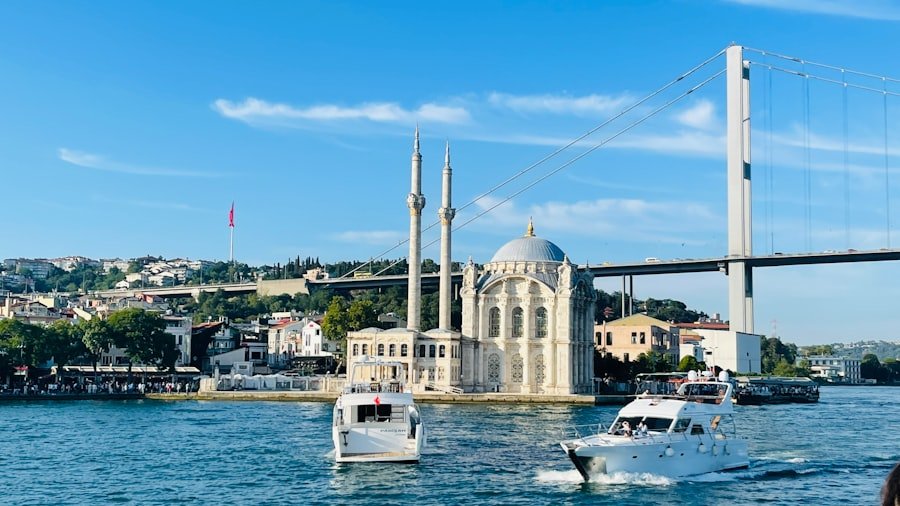
A Bosphorus cruise is one of the easiest ways to enjoy Istanbul in summer. You can choose a scheduled public ferry, a shorter sightseeing cruise, or a longer excursion. The water often feels more comfortable than densely built streets during a hot afternoon.
The Princes’ Islands are another classic warm-weather outing. Büyükada and Heybeliada are among the most popular choices. Go early on summer weekends, when ferries and waterfront areas can become crowded, and check the return schedule before leaving the city.
For a greener day, Belgrad Forest in northern Istanbul offers woodland trails and picnic areas away from the dense center. Emirgan Park and Yıldız Park are easier urban alternatives when you want shade without committing to a longer excursion.
Black Sea beaches around the wider Istanbul area can be tempting in hot weather, but sea conditions can change. Swim only in designated areas, pay attention to lifeguards and warning flags, and avoid entering rough water.
How to stay cool and beat the summer heat in Istanbul
Plan outdoor-heavy sightseeing for the morning and later afternoon whenever possible. Historic squares, palace courtyards, steep streets, and exposed waterfronts can feel much hotter in direct sun than the temperature alone suggests.
The CDC’s current Türkiye travel-health guidance recommends loose, lightweight clothing, regular food and water intake, sun protection, and reducing strenuous physical activity during high temperatures.
- Carry water and drink regularly rather than waiting until you feel thirsty.
- Use sunscreen and reapply it during long outdoor days.
- Wear a hat and sunglasses.
- Use museums, cafés, shopping centers, or your hotel as midday cooling stops.
- Choose shaded streets and parks where practical.
- Move demanding uphill walks to cooler parts of the day.
Warning: Heat exhaustion can become serious. If you develop marked dizziness, weakness, nausea, confusion, or other concerning symptoms during a hot sightseeing day, stop exertion, move somewhere cool, hydrate if you can do so safely, and seek medical help when needed.
Exploring Istanbul’s vibrant food scene in the summer
Istanbul’s food scene ranges from market snacks and traditional lokantas to seafood restaurants, modern dining rooms, bakeries, and waterfront cafés. Summer brings plenty of seasonal fruit and vegetables to markets, making places such as Kadıköy Market and the Spice Bazaar enjoyable stops for travelers interested in food.
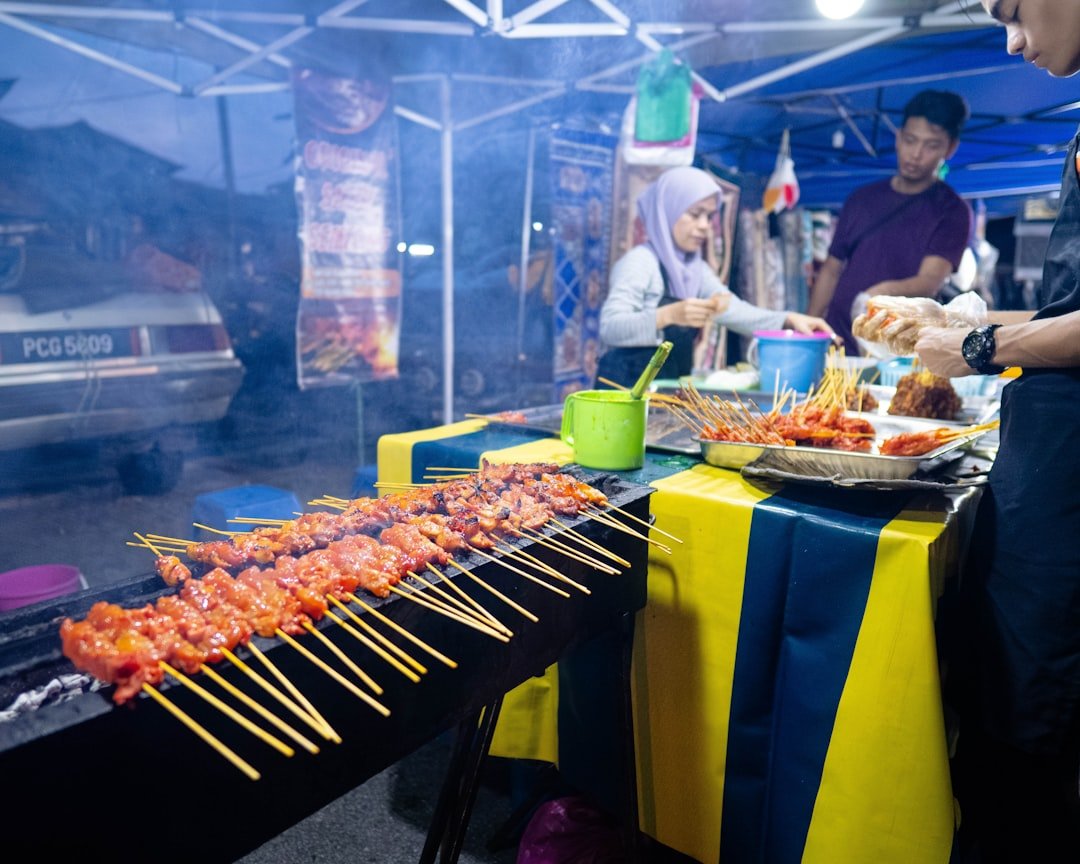
Popular quick bites include simit, gözleme, börek, grilled corn, sandwiches, and other street foods. For a sit-down meal, look for meze, kebabs, seasonal vegetable dishes, fish or seafood, and regional Turkish specialties.
Outdoor dining is especially pleasant after sunset, when temperatures fall and streets become livelier. A Bosphorus-facing meal can be memorable, but excellent food is also found in neighborhood restaurants far from the most famous waterfront views.
Refreshing drinks include ayran, tea, mineral water, lemonade, and fresh juices. Summer markets may also have seasonal melons, other fresh fruit, yogurt products, and cheeses.
Tips for staying safe and healthy while traveling in Istanbul
Use the same precautions you would use in any large, busy city. Keep phones, wallets, passports, and bags secure in crowded markets, trams, stations, nightlife areas, and major tourist zones. Avoid leaving valuables unattended and stay aware of your surroundings when streets are quiet late at night.
Travel conditions can change, including demonstrations and transport disruption, so review current local information and your government’s Türkiye travel advisory before departure and during your trip.
For food, choose busy establishments with good turnover and favor meals that are freshly prepared and served hot. Carry essential prescription medicine in its original packaging and pack a small supply of basic items you normally use for minor travel problems.
Can you drink tap water in Istanbul?
İstanbul’s water utility, İSKİ, states that municipal water is treated, regularly tested, and supplied to drinking-water standards. However, old internal plumbing or poorly maintained building water tanks can affect water after it enters a property.
If you are unsure about the plumbing at your accommodation, ask the property or use sealed bottled or properly filtered water. Do not assume decorative, historic, park, or street fountains are intended for drinking unless they are clearly identified as potable.
Understanding Istanbul’s cultural norms and etiquette
Istanbul is diverse and relatively relaxed in everyday dress, but active religious sites require more modest clothing. At mosques, shoulders and knees should be covered, women may need a head covering, and shoes are normally removed before entering carpeted prayer areas.
Prayer takes priority over tourism. If a mosque temporarily pauses visitor entry, wait respectfully or return later instead of trying to enter during worship.
A friendly “Merhaba” is a simple greeting and is appreciated. Basic courtesy toward shopkeepers, restaurant staff, ferry crews, and residents goes a long way.
Sharing food is common in Turkish dining, especially when ordering meze or eating with friends. You do not have to order every dish individually, and asking restaurant staff what is best shared can make a meal more enjoyable.
Insider tips for avoiding crowds and long lines in Istanbul
Visit famous attractions close to opening time whenever possible. Sultanahmet Square, Topkapı Palace, the Basilica Cistern, Galata Tower, and the Grand Bazaar can become much busier as tour groups arrive.
Online tickets from official operators can reduce ticket-counter delays at paid attractions, although security checks or entry queues may still remain. Always buy from the attraction’s official ticketing system or a provider you trust.
Late afternoon can also work well, but check closing and last-entry times carefully. Major museums and palaces may stop admissions before the building itself closes.
For a quieter change of pace, explore residential streets and cafés in areas such as Fener and Balat, take a ferry to Üsküdar, wander through Kadıköy and Moda, or spend time in one of the city’s larger parks.
Making the most of Istanbul’s summer festivals and events
Istanbul’s summer calendar often includes concerts, cultural programmes, exhibitions, and open-air events, but exact dates change every year. Always check the organizer’s current programme instead of relying on an old annual guide.
For 2026, the Istanbul Foundation for Culture and Arts (İKSV) scheduled the 54th Istanbul Music Festival for June 11–25 and the 33rd Istanbul Jazz Festival for June 30–July 13. Those dates are useful examples of the city’s early-summer cultural calendar, but future editions will have different schedules.
The Istanbul Biennial should not be described as a guaranteed annual summer event. The 18th edition’s planned multi-year programme ended after its first leg in 2025, and the 19th Istanbul Biennial is scheduled for September 18–November 14, 2027.
Likewise, do not assume that a shopping festival or another branded event will run every summer unless current official dates have been announced. Before booking around a festival, confirm the venue, dates, ticket conditions, and transportation arrangements directly with the organizer.
Frequently Asked Questions
What are some popular attractions to visit in Istanbul during the summer?
Popular first-visit attractions include Hagia Sophia, the Blue Mosque, Topkapı Palace, Basilica Cistern, Grand Bazaar, Galata Tower, and the Bosphorus. A ferry ride or Bosphorus cruise is particularly enjoyable during summer.
What is the weather like in Istanbul during the summer?
June is warm, while July and August are usually hotter. Long-term official climate data puts average daytime highs at about 27.1°C in June and 29.7°C in July and August. Individual days can exceed 30°C, so plan for strong sun and hot afternoons.
What are some tips for staying cool in Istanbul during the summer?
Start outdoor sightseeing early, carry water, wear lightweight clothing and sun protection, and take breaks during the hottest part of the afternoon. Museums, cafés, shaded parks, ferry rides, and air-conditioned indoor attractions can help break up a hot day.
Are there cultural events or festivals in Istanbul during summer?
Yes. Major programmes vary by year. In 2026, the Istanbul Music Festival ran June 11–25 and the Istanbul Jazz Festival ran June 30–July 13. Check the current İKSV and venue calendars for the year of your trip rather than assuming older event dates still apply.
What transportation options are best for getting around Istanbul in summer?
Metro, tram, Marmaray, buses, ferries, funiculars, and walking are usually the most practical combination. Istanbulkart simplifies public-transport payments. Ferries are especially useful in summer because they provide transportation and a breezier way to cross the city.
What should women wear when visiting mosques in Istanbul?
Wear clothing that covers the shoulders and knees and carry a light scarf because women may be required to cover their hair inside active mosques. Visitors remove their shoes before entering carpeted prayer areas, and access may pause during prayer.
Is July or August too hot for visiting Istanbul?
Not necessarily, but you should adjust your schedule. Visit exposed outdoor attractions in the morning, take a longer lunch or indoor break during peak afternoon heat, and return outside later. Ferries, parks, shaded streets, and evening dining make hot-weather days easier.
Sources
- Turkish State Meteorological Service — Istanbul Climate Statistics — supports summer temperature guidance.
- Istanbulkart — supports public-transport payment information.
- Türkiye National Palaces — Topkapı Palace — supports current visitor and scheduling information.
- İSKİ Drinking Water Quality — supports Istanbul tap-water quality guidance.
- CDC Travelers’ Health — Türkiye — supports heat, sun, food, and general travel-health precautions.
- Istanbul Foundation for Culture and Arts (İKSV) — supports current Istanbul Music Festival, Jazz Festival, and Biennial information.